The Animals That Spend Most of Their Lives Sleeping

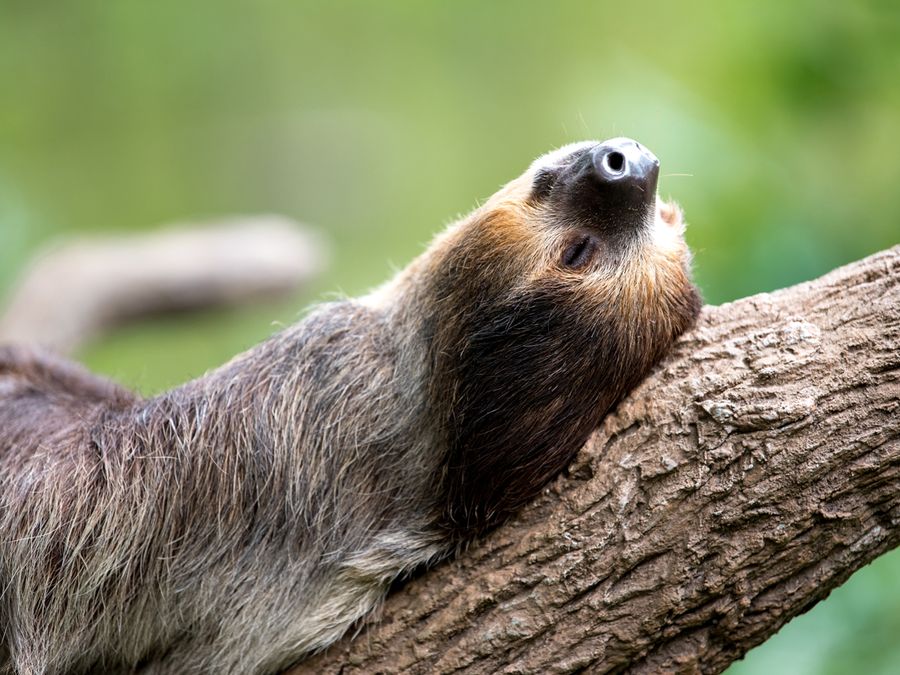
A picture of a sleeping sloth curled around a tree branch
Image Credit: Zdeněk Macháček/Unsplash.com

Everyone feels better after waking up from a good night’s sleep, and animals are no different. Some animals would consider anything less than 20 hours of sleep insufficient, but you can’t chalk their long nights up to laziness. So, why do some animals sleep so much? And how do they stay safe while sleeping in the great outdoors? In short, they sleep for many of the same reasons we do, although some are known to indulge for more than double the duration.

These Cells Are a Mess

Image Credit: Ganapathy Kumar/Unsplash.com

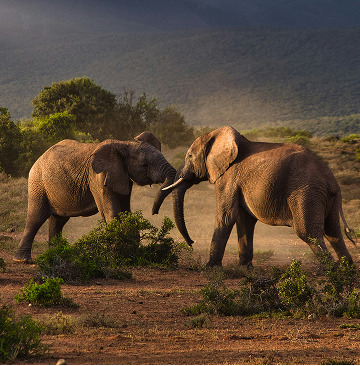
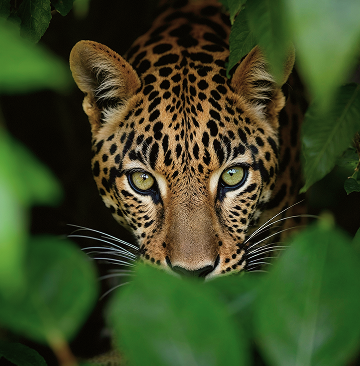
Animals’ sleep patterns vary for different reasons, but overall, the function of sleep is generally the same for every animal on Earth, including humans. During sleep, our bodies are actually working on a number of things, perhaps most importantly, cleaning up the cellular mess that it’s made throughout the day. Mammalian brains and bodies essentially wash themselves while we are unconscious. Brain cells shrink, making room for cerebral spinal fluid to pass, and neurons release electrical signals to flush that fluid out, along with neurotoxins and other useless buildup. Then, those cells repair and replace what was just washed away, and we wake up restored and ready to face another day. Humans need around seven to nine hours to repair their cells, while lions require up to 20, and elephants get by on just two. 

While sleeping involves much more than just relaxation and rest, that’s still a big part of its function. Rest allows muscles to repair themselves, balances our moods and hormones, lowers stress levels, and even allows our brains to move information from the hippocampus to the neocortex, where it can live as a long-term memory. This is important important for animals, especially young ones, who may just be learning about which plants are poisonous, where to find a reliable watering hole, and for some, how to find their way back home. Jellyfish, who don’t even technically have a brain or central nervous system, have been discovered sleeping in an effort to repair DNA that may have been damaged by factors like UV light exposure.

The Metabolism Piece

Image Credit: Getty Images/Unsplash.com

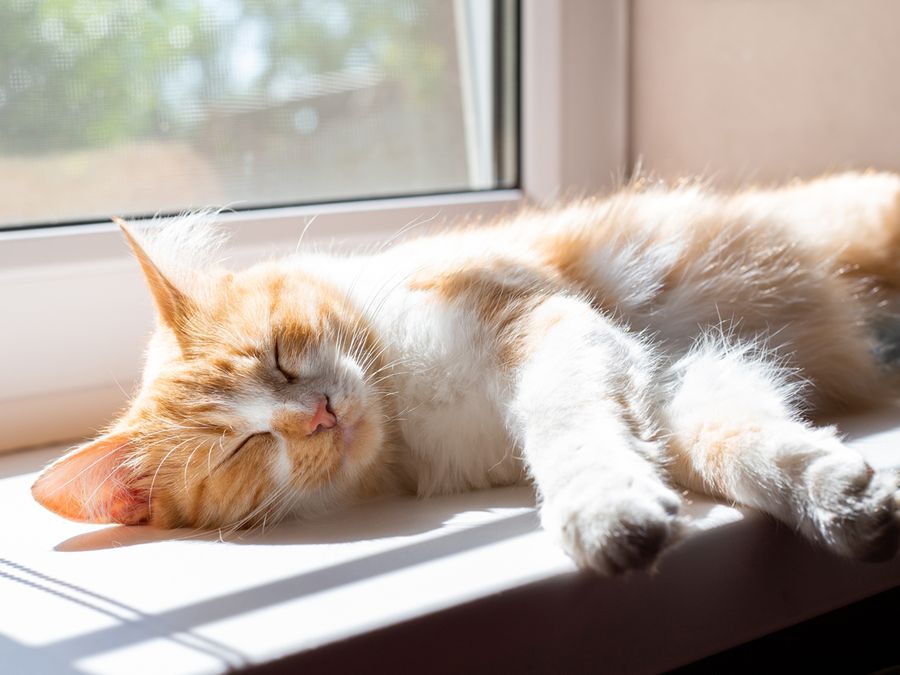
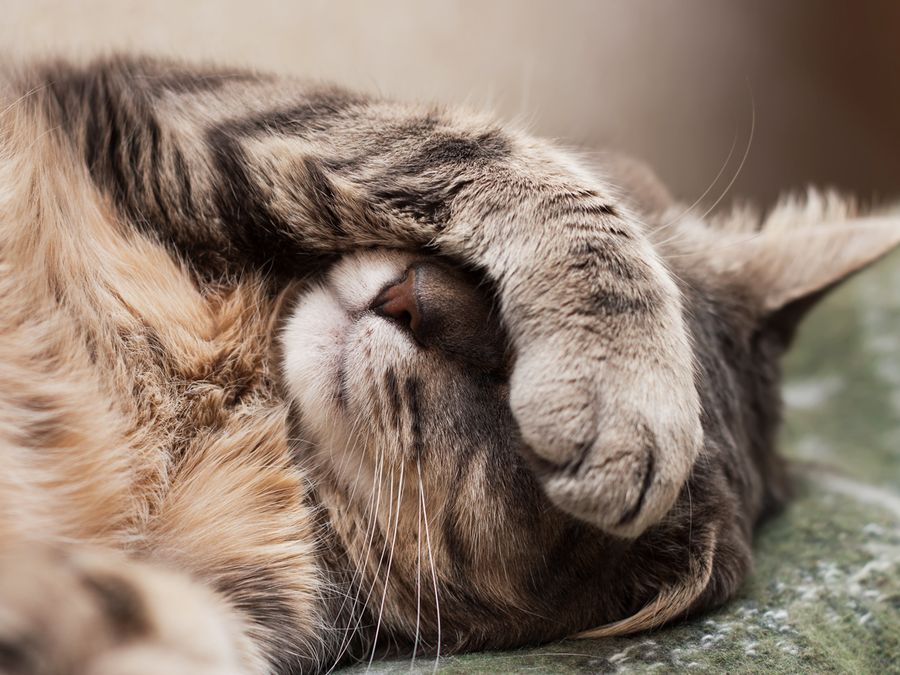
One study shows that animals with higher metabolisms create more of this cellular waste, and could be why some creatures sleep somewhere between 12 to 15 hours per day, albeit rarely all at once. Rats, mice, hamsters, and gerbils are what’s known as polyphasic sleepers. This means that they rest in several short stretches throughout the day, rather than spending an entire 13-hour stretch in bed. Dogs and cats also sleep in this style, which is where we get the term “cat nap” from. These smaller animals with faster metabolisms aren’t lazy, they just create more brain waste than their larger counterparts and need to replenish those dead cells more often throughout the day. 

The Poor Diet Problem

Image Credit: Joshua Earle/Unsplash.com

Not all animals sleep because of their fast metabolisms, however. In fact, the animal with one of the slowest metabolic rates is actually known to be the longest sleeper of them all: the koala. Koalas can sleep up to 22 hours per day, which seems impossible, until you understand why. Koala diets consist almost entirely of eucalyptus leaves, which are toxic due to their high levels of eucalyptol. This oil can become a neurotoxin when it’s ingested, leading to vomiting and diarrhea, seizures, and even chemical pneumonia. These marsupials have developed a digestive system that works hard to detox and digest the fibrous leaves found on eucalyptus trees, which requires lots of rest to upkeep. Their systems are equipped with caecum that break down the toxic fibers to make them digestible. The energy it takes for the caecum to perform this function largely uses up what a koala has managed to accumulate in a day, so those long stretches of sleep are used to conserve what energy they do have.

Not only is eucalyptus toxic, but it also provides very few nutrients. This means that koalas simply don’t have the extra energy to expend during their waking hours, and instead use most of their stamina to (what else?) eat more eucalyptus. 

Sloths are also notoriously sleepy, and rest for around 20 hours per day, thanks to this same, low-nutrient, high-fiber, all-leaf diet. Pandas are the same, thanks to their meal of choice, bamboo. Giant armadillos get around 18 hours of sleep thanks to their diet of mostly small insects, and the American opossum can sleep for up to 19 hours when food sources are scarce, or cold temperatures creep in.

So How Does Hibernation Work?

Image Credit: BGSmith/Adobe Stock

Some animals sleep because they don’t have much energy to spend, while others sleep to conserve the energy they do have. Bears are probably the most well-known hibernators, but plenty of other creatures, including groundhogs, skunks, toads, salamanders, and butterflies, use this tool to survive. Hibernation is a state of torpor during which animals’ metabolic rate, heart rate, and rate of activity slows down dramatically. Most people associate hibernation with cold weather, and while some animals do hunker down to avoid expending energy when food sources are generally scarce, other animals hibernate regardless of the weather if calories or water are harder to come by. 

Hibernation also keeps animals safe while they rest. Some hibernation periods can last for over 6 months, which is common for bears, while smaller animals like marmots may only hibernate for a few weeks. Many hibernating animals seek out caves and dens to hide out in until it’s wise to reemerge. Regardless of the length of the slumber, sleep safety is important for all animals. Tree-dwelling species, like koalas and sloths, wedge themselves between forks in branches, and use their large, tough claws to grip onto trees tight, even during deep sleep. Shorter naps also help animals, like pythons, stay somewhat alert to dangers, even while their eyes are closed. 

Animals That Never Seem to Sleep

Image Credit: Jeremy Bishop/Unsplash.com

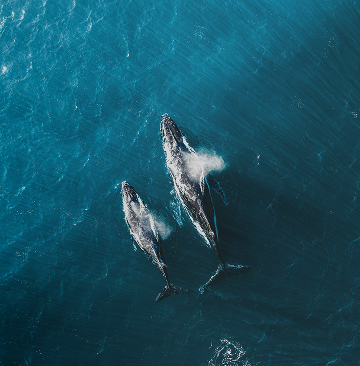
On the other hand, there are some animals that seem to get no sleep at all. Take the common swift. With legs so thin they can barely support their bodies to rest, these birds are in near-constant flight, but they do, indeed sleep, even while they’re in the air. Swifts and other migratory birds like swallows can do this thanks to an evolutionary function called unihemispheric sleep. This type of sleep allows just one half of the brain to sleep while the other stays awake and helps the animal perform essential tasks, like eating, and even flying. Bottlenose dolphins, beluga whales, saltwater crocodiles, and mallards are some other animals that use this handy trick to sleep and work, simultaneously.