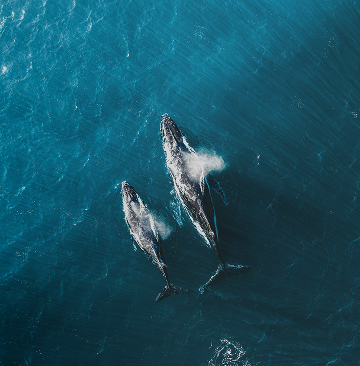
What Do Animals Dream About?
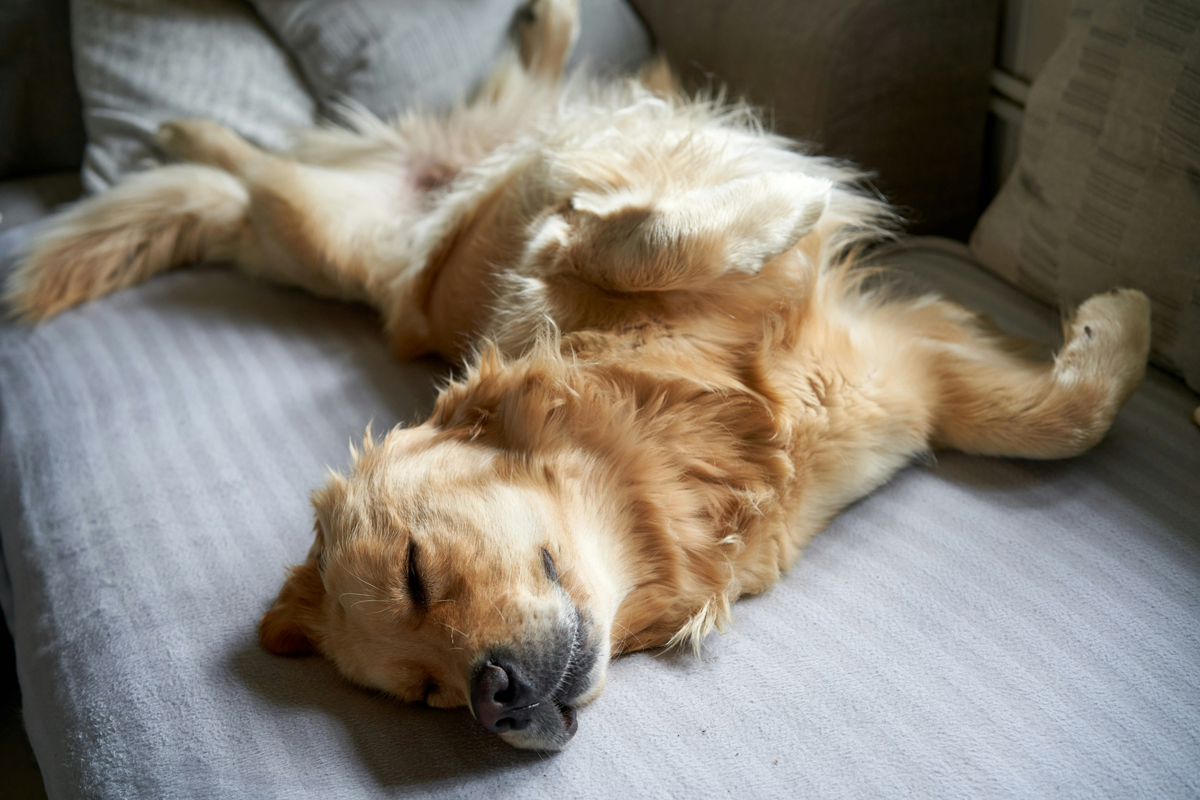

If you’ve ever watched your dog “run” in his sleep, paws paddling against an invisible ground, or noticed your cat’s tail and whiskers twitching while she naps in a patch of sunshine, you may have wondered what’s actually happening inside that sleeping brain. Is your dog chasing something in a dream? Is your cat reliving the morning’s adventures? Or are those movements simply reflexes?
For humans, dreams can feel like entire experiences, filled with emotions and strange situations, and we know we’re dreaming because we can wake up and describe what happened. Scientists can also study the brain activity associated with our dreaming. But animals can’t tell us what they experience while asleep, so how can we know if they’re dreaming?
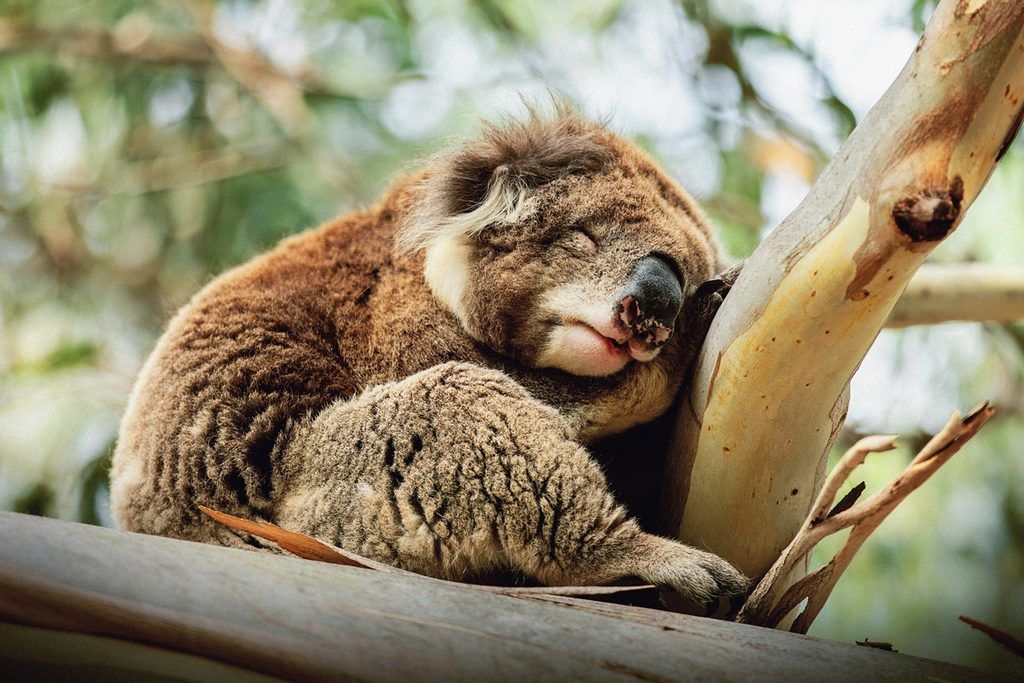
Dreaming Is More Than REM Sleep
Dreams are emotional, mental, or sensory experiences that occur while we’re asleep. For decades, scientists closely associated dreaming with rapid eye movement (REM) sleep. During REM sleep, brain activity becomes more similar to that of waking activity while most of the body’s muscles are temporarily inhibited. People awakened during REM sleep frequently report dreams, which has helped to establish the connection between the two.
But REM sleep and dreaming aren’t quite the same thing. People can report dreams after being awakened from non-REM sleep, too. REM is better understood as a sleep state in which dreaming commonly occurs, rather than specifically an on-off switch for dreams.
When scientists study animals, they can identify sleep stages and measure brain activity, but they can’t ask a sleeping animal what it experienced while asleep. Instead, they have to look for patterns that suggest the animals’ sleeping brains are doing something similar to a dreaming human brain.
Animals Show Signs of Dream-Related Sleep
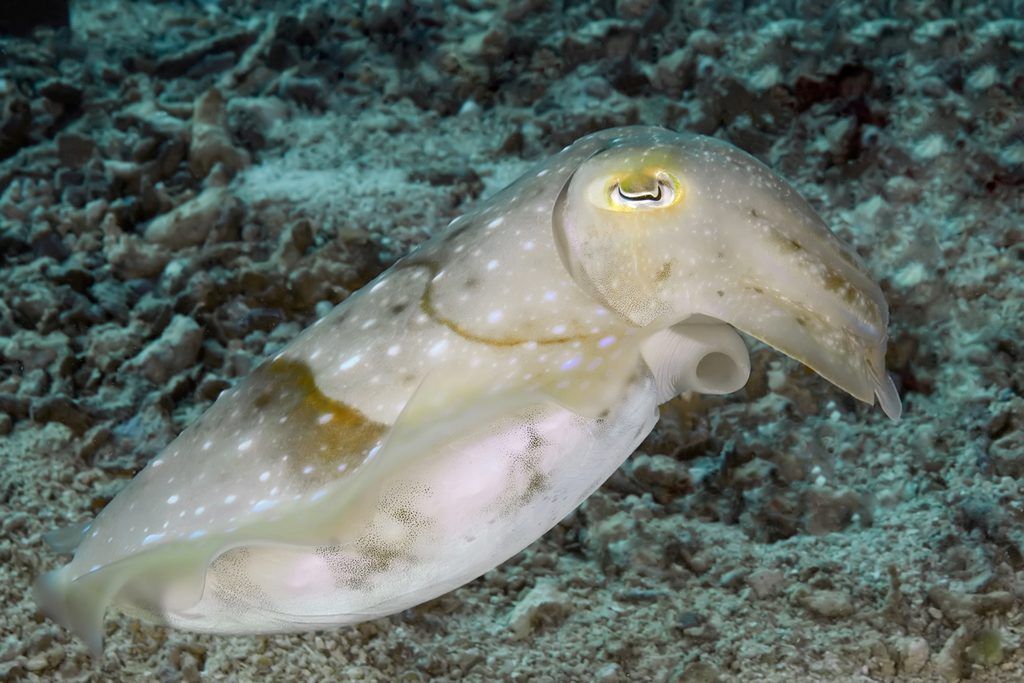
Many animals experience REM sleep or forms of sleep that share some of its characteristics. REM sleep has been documented in mammals and birds, as well as in some reptiles and even cuttlefish. Researchers have observed combinations of brain activity, muscle changes, eye movements and other physiological patterns that resemble aspects of human REM sleep.
Cats provided some of the earliest clues that something more than ordinary sleep may be happening. During REM sleep, most muscles are temporarily paralyzed (a state called atonia) which helps keep a sleeping animal from acting out its movements. When researchers disrupted that mechanism in cats, the animals made complex movements during REM sleep, including behaviors that appeared to involve stalking, attacking, or interacting with something that wasn’t actually there.
Similar dream-enactment behavior occurs in humans with certain REM sleep disorders. This behavior provides intriguing evidence that cats’ brains generated something complex enough to influence their movements while asleep.
Rats Might Replay Experiences During Sleep
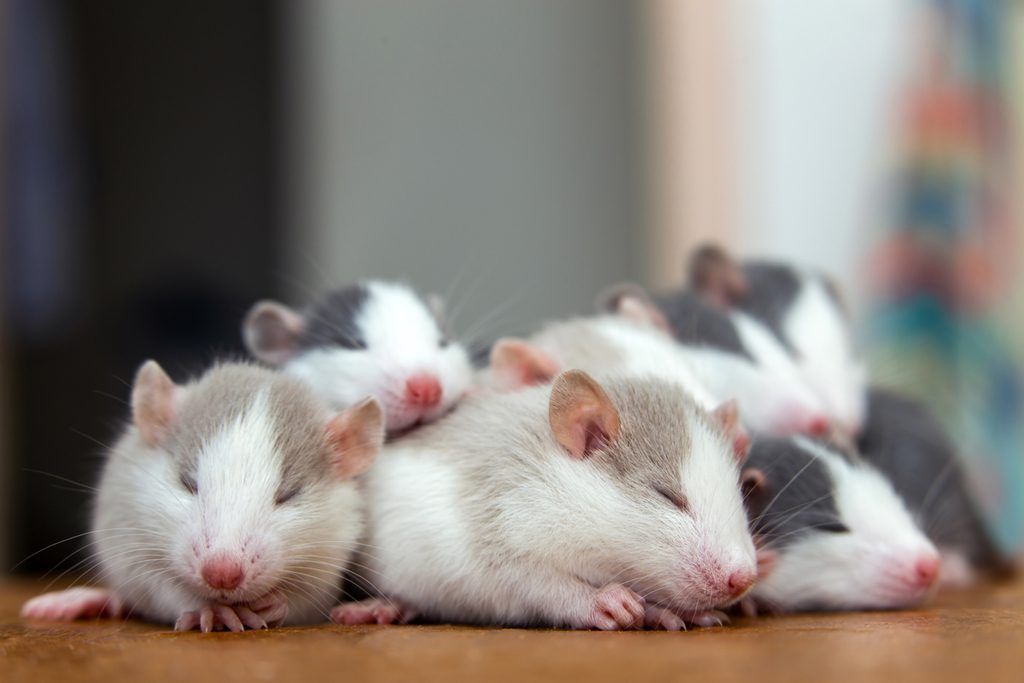
Researchers have found more intriguing clues by studying what happens in an animal’s brain before, during, and after an experience. In experiments with rats, scientists have recorded activity from individual neurons while the animals explored a maze. Neurons in the hippocampus, a brain region involved in learning and memory, fired in patterns corresponding to different locations in the maze.
During later sleep, those same patterns reappeared, effectively replaying sequences from the rats’ earlier experiences. That kind of neural replay is thought to help the brain process and consolidate memories. It isn’t concrete evidence that the rats were consciously reliving or dreaming about their experiences, but it does show that the sleeping brain remains active, processing information from waking life rather than simply shutting down.
Animals Sleep and Dream Differently
While researchers believe animals likely dream, this is where the evidence reaches its limit. Scientists can measure brain activity, track eye movements, record muscle activity, and observe what happens when particular brain circuits are disrupted. What they can’t directly measure is the animal’s subjective experience.
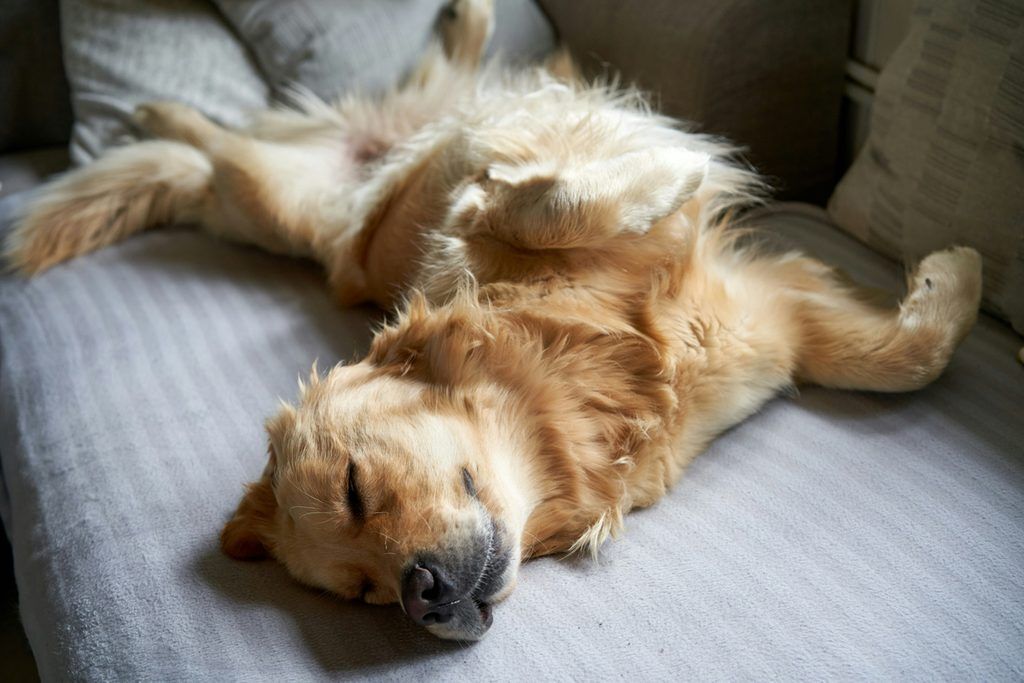
Even with humans, scientists rely on people reporting their dreams after waking. Brain scans and sleep studies can reveal what the brain was objectively doing, but not exactly what someone experienced; with animals, that missing piece can’t be filled in afterward. A dog that whimpers and paddles its paws during REM sleep may be dreaming, but the movements can’t tell us whether it’s dreaming about chasing a rabbit, replaying a walk, or experiencing something less concrete.
Sleep also varies widely among species. Dolphins and other cetaceans have unusual sleep patterns that differ from the familiar REM sleep seen in humans and many terrestrial mammals. Birds experience REM sleep too, but their episodes are typically shorter and their muscle atonia is less complete than in mammals, while reptiles and some invertebrates have sleep states that don’t neatly fit into the mammalian model.
All of this gives scientists reason to think that dreaming may extend far beyond humans. But what those dreams actually feel like from inside an animal’s sleeping brain remains unknowable. Your dog may really be chasing that rabbit in his sleep, but for now, he’s the only one who knows for sure.