7 Animal Gestures That Look Surprisingly Human

Whether it’s in a dog’s panting smile or a cat’s disdainful glare, humans are quick to see ourselves in the animals around us. Most of these perceived similarities come only from our imaginations, but in some cases they’re exactly what they appear to be.
As social creatures, humans use gestures and expressions to communicate with each other, and the same can be said for other species that depend on socialization to survive. Here are seven examples of physical communication in the animal kingdom that closely mirror our own.
Sun Bears Wave
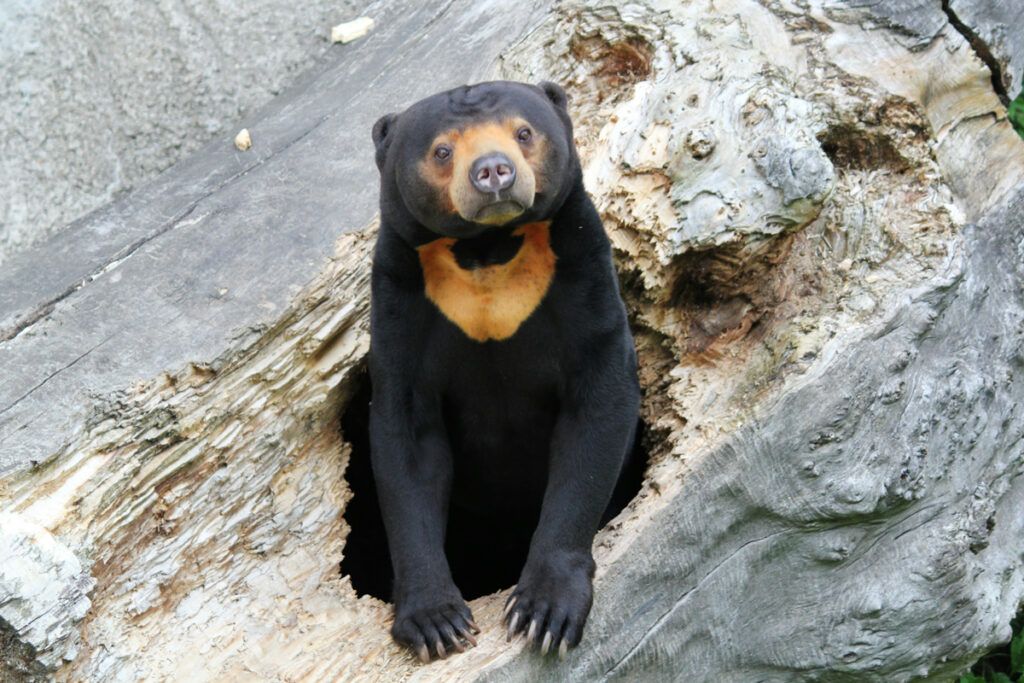
Weighing 60 to 150 pounds, and standing just under 5 feet tall, a sun bear is closer in size to a small person than a grizzly. The Southeast Asian mammals also move like us: They use their front paws to reach for food such as honey while standing on their hind legs, and mothers walk around while carrying their babies in their forelimbs.
Captive sun bears have even learned to wave for food after receiving positive reinforcement from humans; some do it so convincingly that they’ve been mistaken for humans in bear costumes, forcing zoos to assure visitors that they are, indeed, bears.
Dogs Raise Their Eyebrows
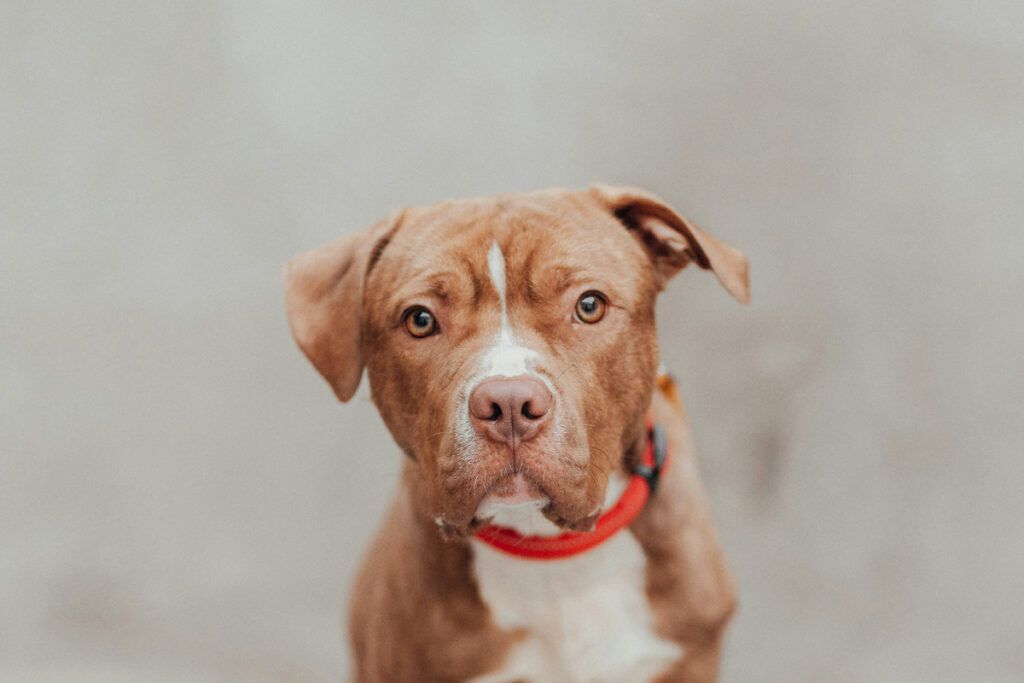
Facial expressions are a huge part of human communication — something our canine companions figured out long ago. Not only can dogs read our facial cues, but they can even mimic them. Wolves and domestic dogs may look similar, but they’re separated by an important piece of facial anatomy: the levator anguli oculi medialis.
This muscle allows dogs to raise their eyebrows and flash us so-called “puppy-dog eyes.”It’s why dogs can sometimes appear surprised, sad, or even incredulous. It likely evolved as a tool to win sympathy from their human protectors, giving early dogs an evolutionary advantage over their wild wolf counterparts.
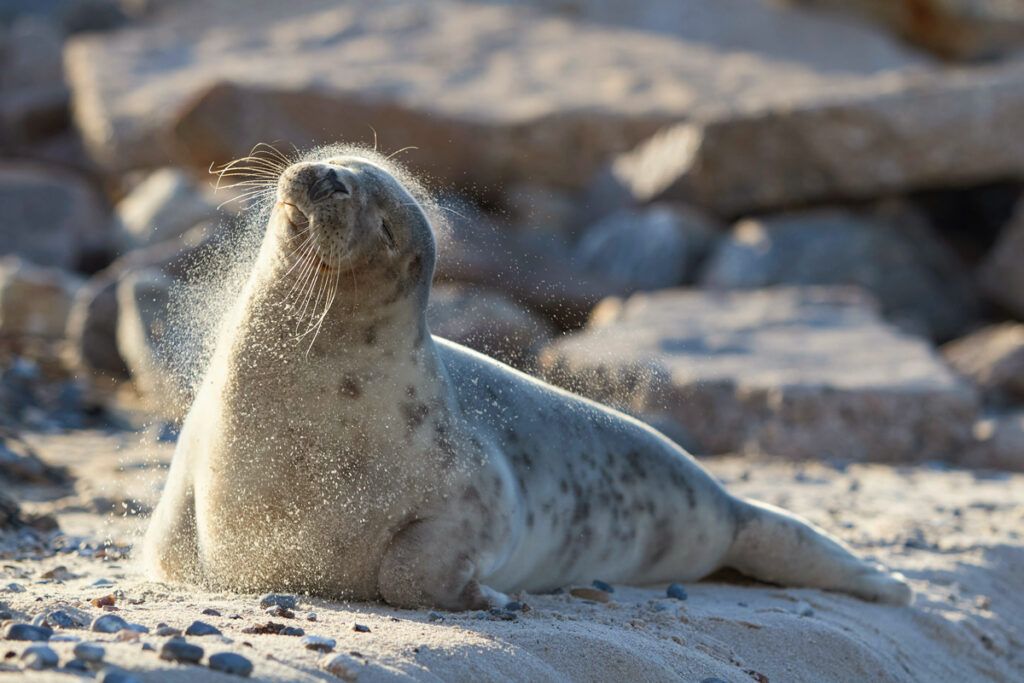
Seals Clap
The gray seal is exactly who you want in the audience the next time you have to give a big speech. Seals are known to clap in captivity because they’ve been trained to do so for treats and other rewards. Wild seals also clap when they swim underwater to deter competition and attract mates. These claps are limited to one hard clap at a time, however, so it’s less of a round of applause than a way to grab someone’s attention in an instant.
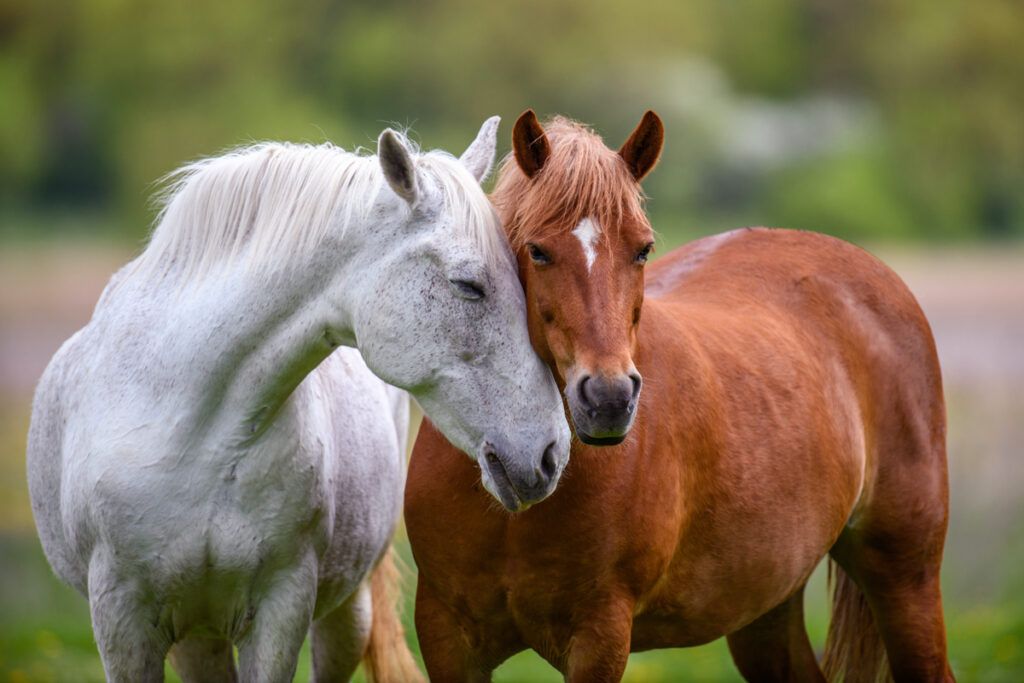
Horses Hug
Though they lack arms to “hug” like we do, horses show affection for both people and other horses in a similar way. You may see them wrap their necks around another horse’s neck, or rest their heads on a human’s shoulder. Horses also express their positive feelings in other ways, such as by blowing air from their nostrils onto their partner’s face and through grooming.
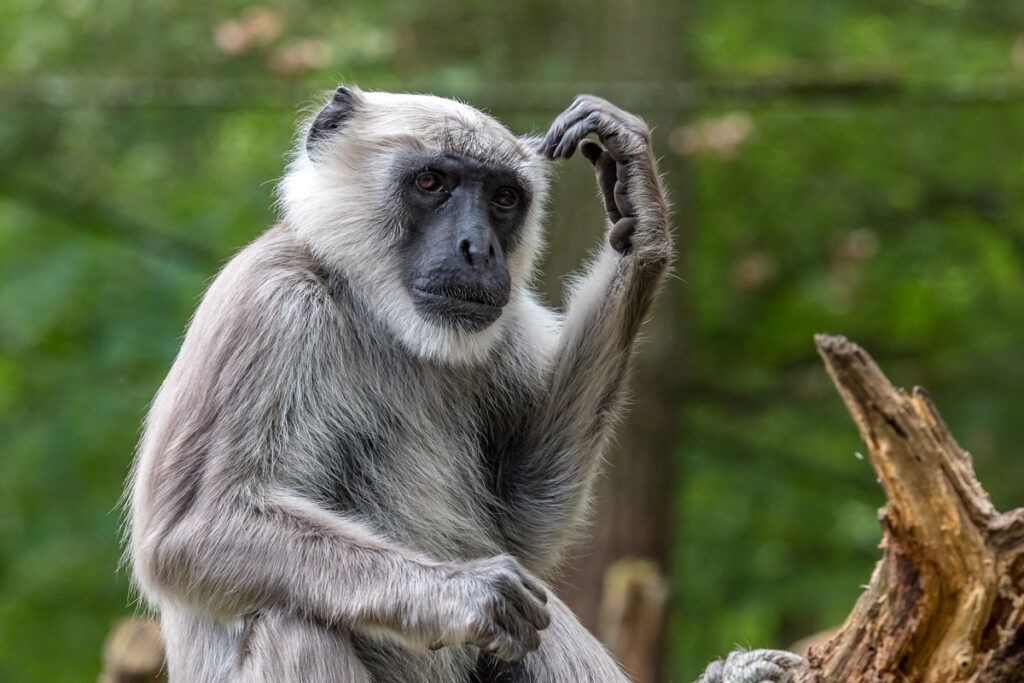
Chimps Scratch Their Heads
Ever been so stumped by something that you catch yourself scratching your head? Chimps share this tic with people. They use their fingers to scratch all parts of their bodies, including their skulls.
While we scratch ourselves when we’re stuck (and obviously when we’re itchy), we also resort to the habit when we’re nervous; it’s actually one of the most revealing tells that someone is lying. Research supports that chimps also scratch themselves to alleviate anxiety, and so do some monkeys: For one study, scientists noticed that macaques were more likely to scratch themselves to self-soothe in the presence of higher-ranking primates than when they were alone.
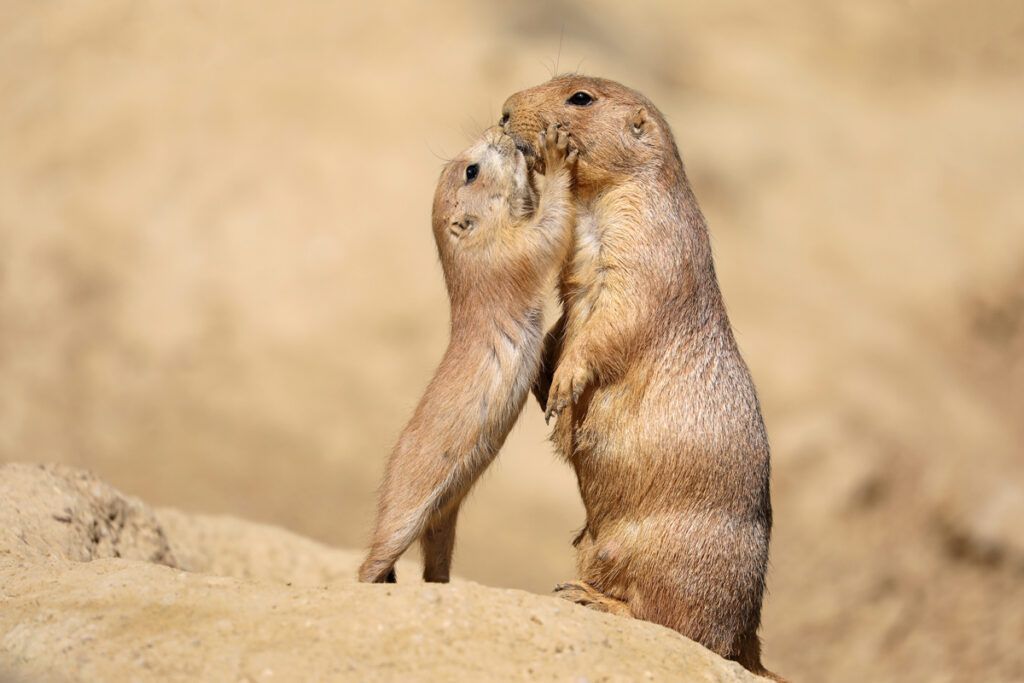
Prairie Dogs Kiss
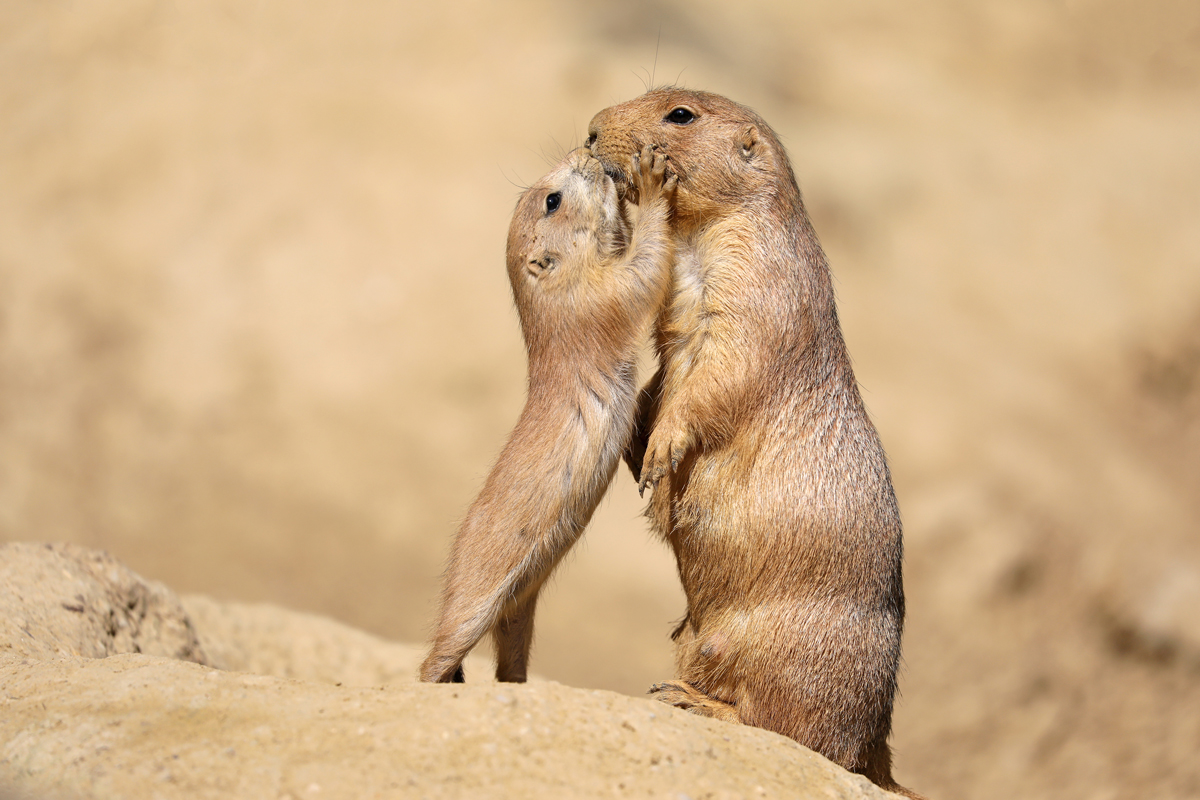
Greeting friends, family, and lovers with a quick peck on the lips or cheeks is a sweet gesture, and prairie dogs seem to think so too — sometimes. These social rodents have been seen sharing pecks and even touching tongues for an array of reasons.
They share what’s known as a friendly kiss to identify each other, be that among a mother and babies, or two females from the same colony. Hostile prairie dog kisses, on the other hand, are, well, not so friendly. They are usually exchanged when a female is rejecting a male, or when two males are fighting.
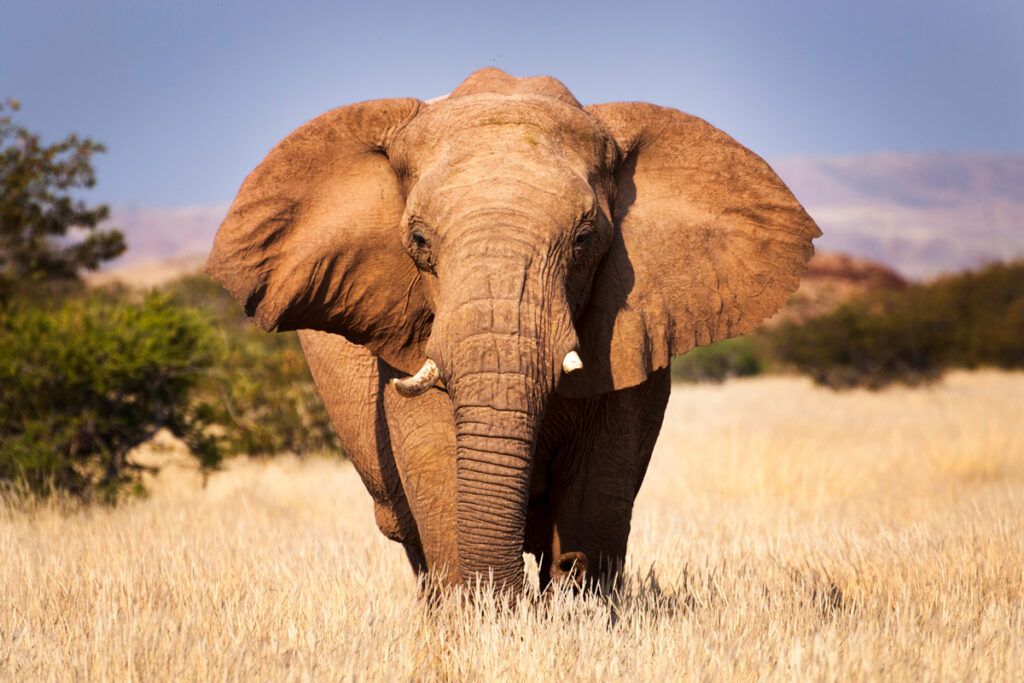
Elephants Point
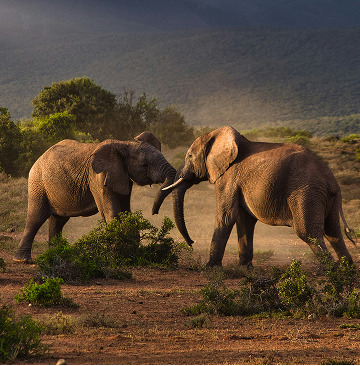
African elephants can understand what a human means by pointing without any prior training. Like us, elephants are incredibly social and rely on various forms of communication to survive and thrive in their pod.
In one study, some elephants responded to human pointing the very first time they observed it, something even chimps don’t do instinctively. The explanation could be that elephants make similar gestures with their trunks, using the appendage to detect and possibly alert each other to impending threats.