5 of the Animal Kingdom’s Most Impressive Architects

Across the animal kingdom, creatures with no blueprints, tools, or formal training build structures that rival even the most complex feats of human architecture. Some of those builders work alone, others in coordinated teams of thousands, but all are capable of solving difficult engineering problems with astonishing precision.
Their structures may be crafted from mud, wax, silk, or sand rather than steel and concrete, but the engineering principles, structural stability, climate control, and efficient use of materials are often strikingly similar to our own. Here are five animals whose construction skills rank among the most impressive in nature.
Beavers
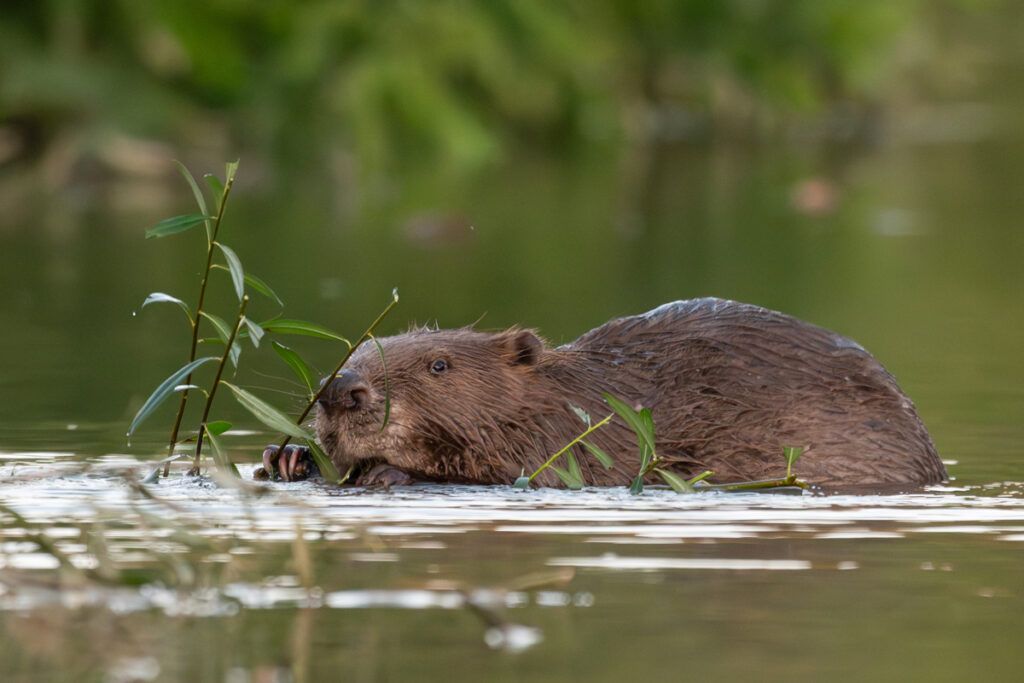
Beavers are arguably the animal kingdom’s most famous engineers, capable of reshaping entire landscapes to suit their needs. By felling trees and packing branches, mud, and stones into rivers and streams, they’re able to build sturdy dams. They don’t actually live in their dams, however; rather, they build small lodges in the deep pond that the dam creates.
Those lodges serve as dry living areas and food stores, while the pond itself provides protection from predators including wolves, coyotes, and mountain lions. The crafty beaver often builds the entrance to its lodge underwater, providing an additional layer of defense worthy of a medieval castle.
Beavers normally take a few weeks to construct their dams, which typically measure around 10 feet to a few hundred feet long — but some can become much larger. According to Guinness World Records, the largest structure ever built by a terrestrial animal is a beaver dam located in Wood Buffalo National Park in Alberta, Canada that clocks in at a whopping 2,788 feet long.
Beaver dams are such sturdy and impactful structures that even a dam of normal proportions can have positive effects on the surrounding landscape, creating rich wetland habitats, raising water tables, and helping to filter pollutants and reduce downstream erosion, benefiting a number of other species in the process.
Termites
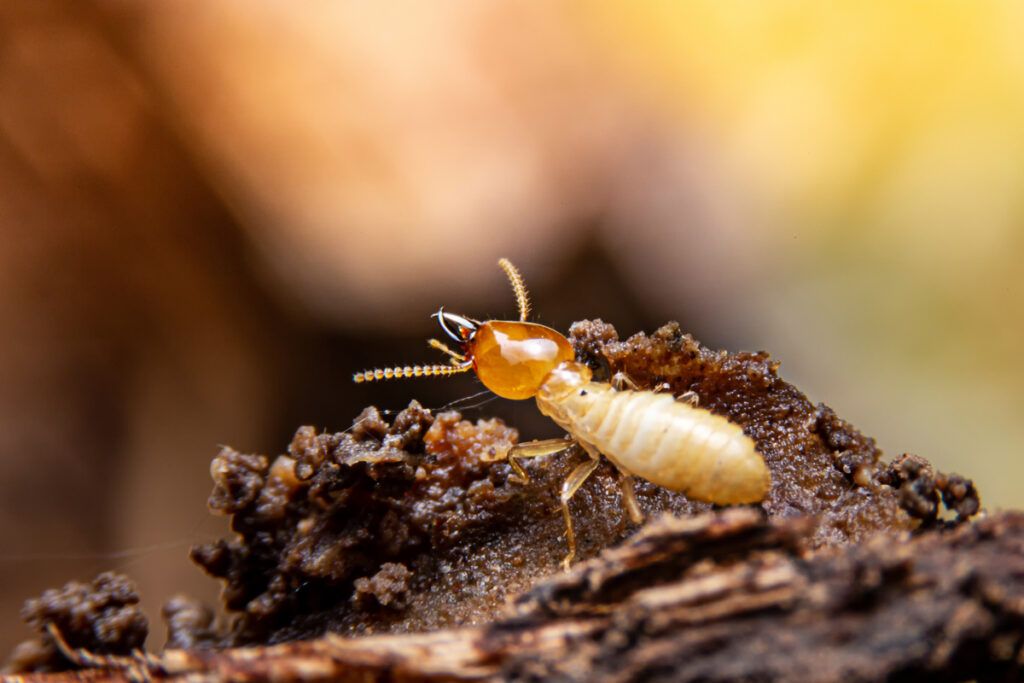
Termite mounds rank among the most sophisticated structures built by any creature. The termites construct tall, wedge-shaped or conical mounds by harvesting mud that they mix with their own saliva to create a kind of cement. Once built, a mature mound can house several hundred thousand to several million termites. Some species, such as Australia’s appropriately named compass termites, deliberately orientate their mounds on a north-south axis, minimizing the mounds’ exposure to direct sunlight to help regulate internal temperature throughout the day.
Inside the mound, and in the system of passageways and nests in the ground beneath it, an intricate network of tunnels and chimneys acts as a passive ventilation system, drawing in fresh air and expelling built-up heat and carbon dioxide. The design is so effective that architects have studied termite mounds for ideas on cooling human buildings without air conditioning. Termite mounds typically rise 6 to 10 feet above ground but can reach heights of 28 feet or more, making them the tallest animal-built structures in the world.
Sociable Weavers
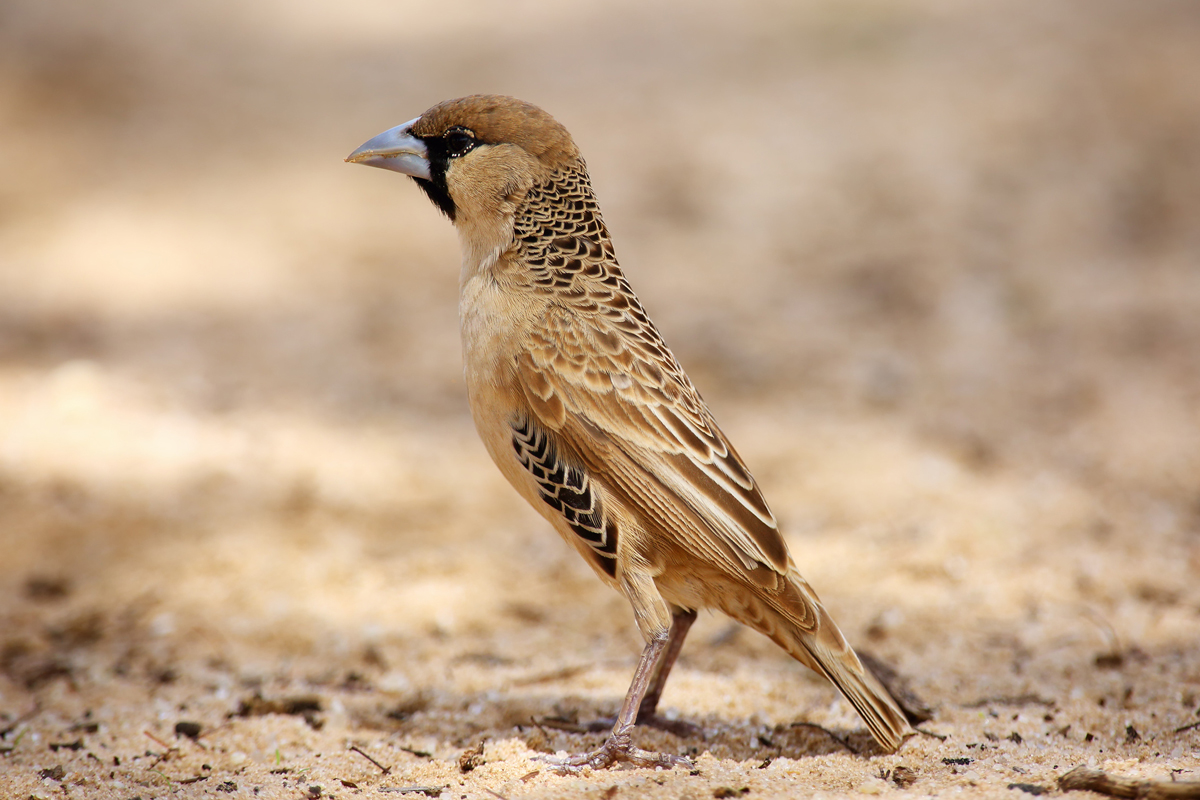
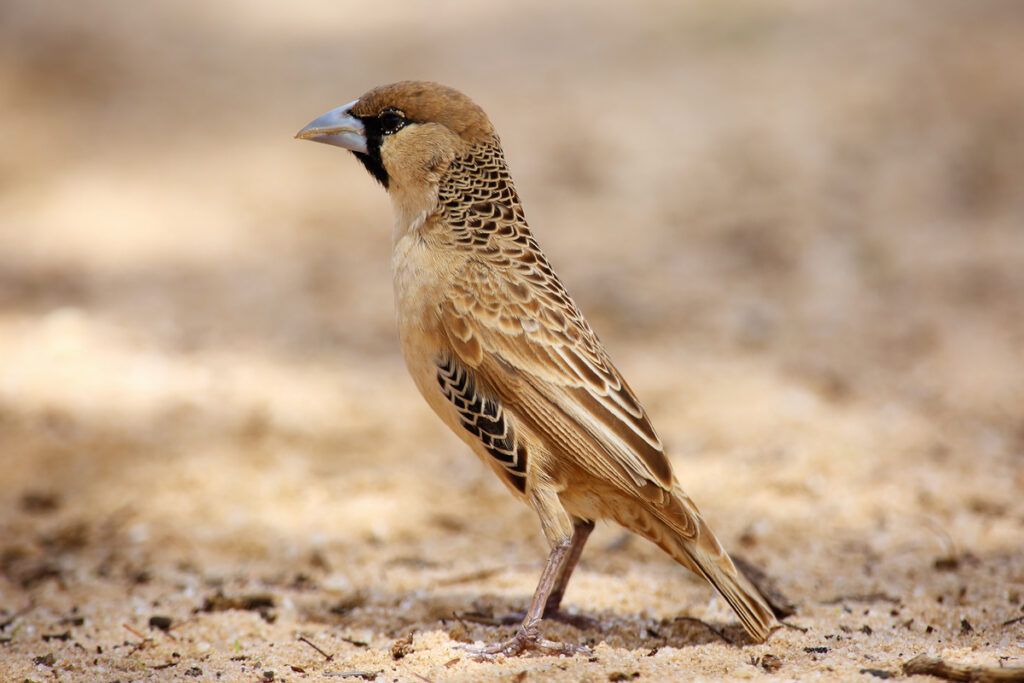
The sociable weaver is a sparrow-sized bird native to the Kalahari region of southern Africa. This gregarious bird builds what is widely considered to be the largest communal nest structure of any bird species. Colonies weave together grass and twigs into a single, haystack-esque mass, the largest of which can weigh more than 2,000 pounds.
These incredible nests can house more than a hundred breeding pairs, each with their own private chamber and entrance tunnel. And unlike most bird nests, which are abandoned after breeding season, these structures are maintained and expanded continuously, sometimes remaining in active use for more than a century — a truly communal effort across many generations of birds.
Leafcutter Ants
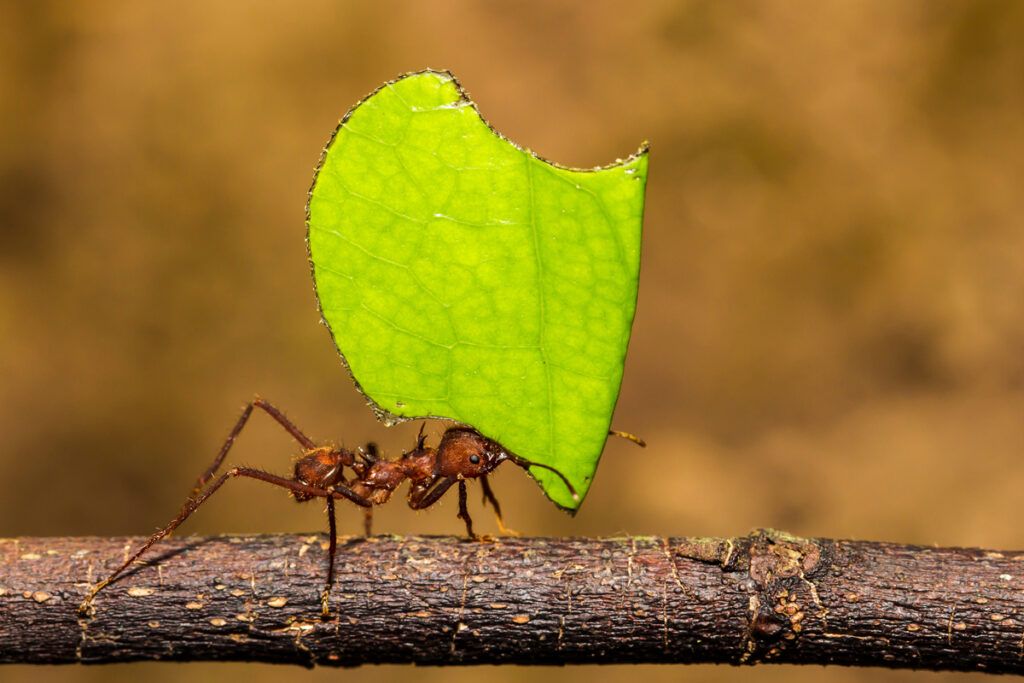
Pound for pound, leafcutter ants rank among the strongest animals on Earth, capable of carrying leaves 50 times their own weight. They’re also impressive architects, building some of the most complex underground cities in the animal kingdom. Their carefully constructed colonies contain millions of individuals spread across networks of interconnected chambers that can cover an area the size of two tennis courts.
Inside, there are thousands of rooms, including nurseries, storage facilities, ventilation units, and dedicated areas for dumping trash. But perhaps most impressive of all are the farms: Rather than eating the leaves they harvest, leafcutter ants use them to cultivate a specialized fungus in dedicated growing chambers, effectively running an underground farming operation, all of which is climate controlled. Their efforts have not gone unnoticed — Guinness has officially recognized those farms as the largest animal-built fungi farms in the world.
Honeybees
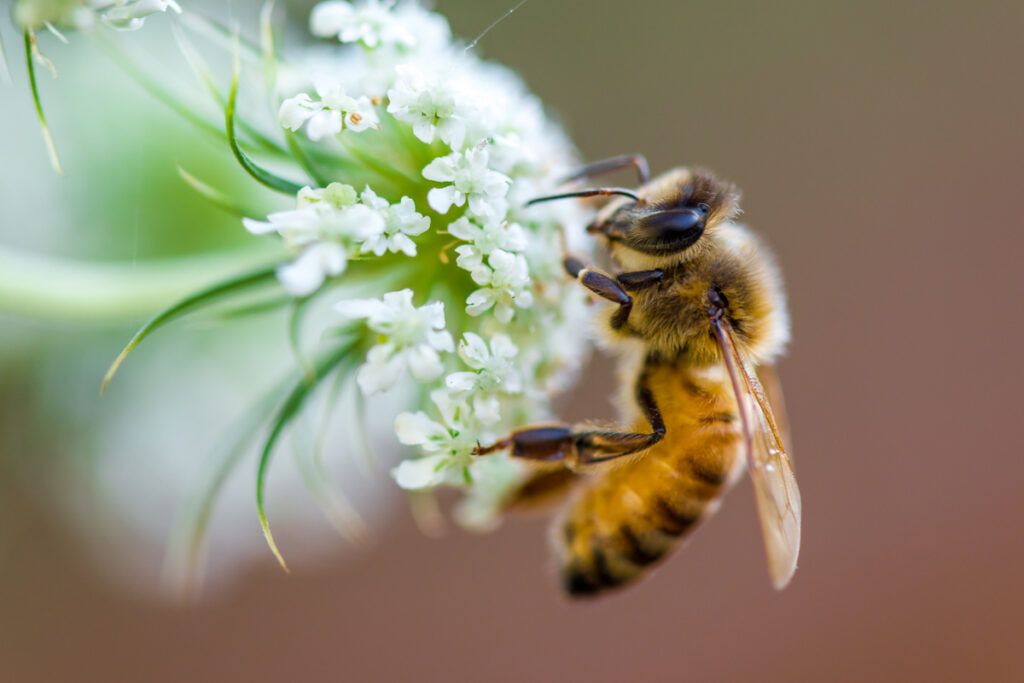
Honeybees build one of nature’s most mathematically efficient structures: the hexagonal wax honeycomb. Each hexagonal cell shares walls with its neighbors, allowing bees to store the maximum amount of honey and larvae using the smallest possible amount of wax. Mathematicians have confirmed that this shape is the most efficient way to tile a plane, an idea known as the “honeycomb conjecture.”
Thousands of worker bees collaborate to build and maintain a single comb, coordinating cell sizes and orientations with no central blueprint. For a long time, scientists generally believed honeybees achieved such impressive feats of construction through shared instinctive rules passed down through the species — essentially, scientists believed the bees were basically mindless automatons. But more recent research suggests bees are actually capable thinkers who — despite the size of their tiny brains — possess highly developed cognitive abilities that may be superior to that of some vertebrates.