6 Animals With Built-In Toolkits
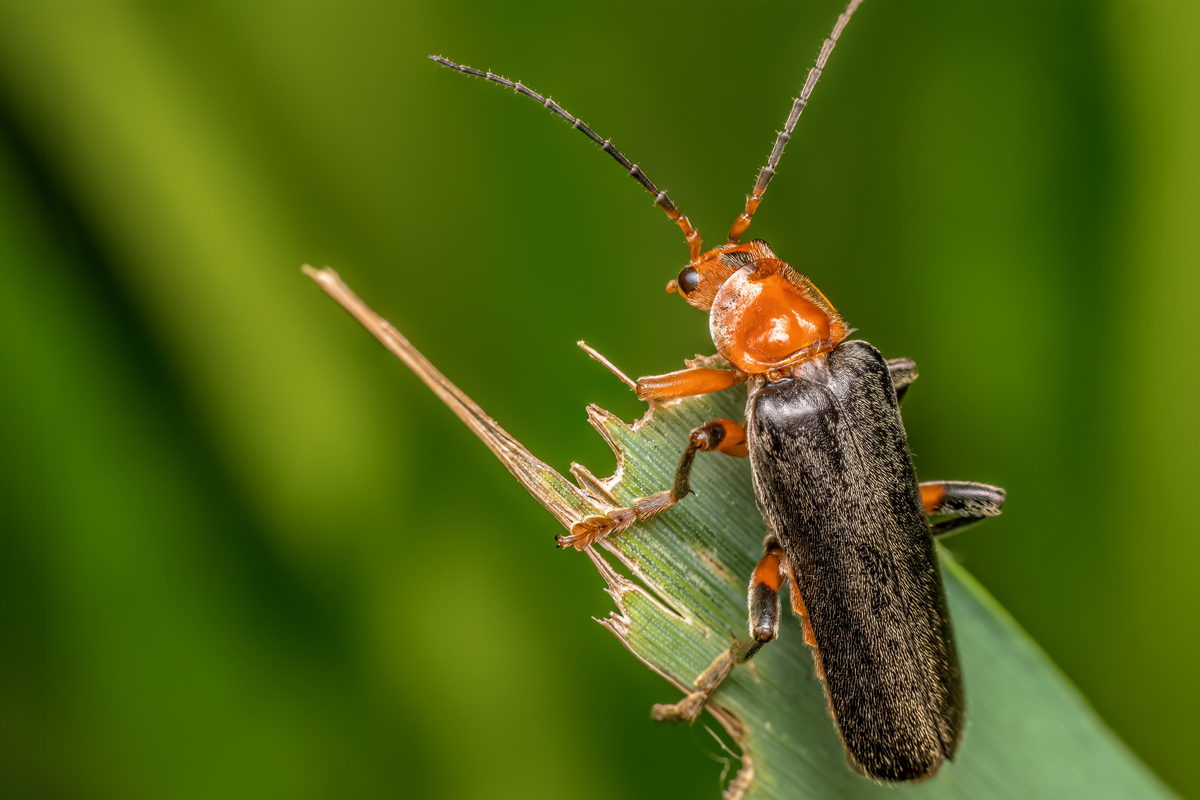

Nature is full of clever engineers, but some of the most impressive tools in the animal kingdom aren’t found in the natural environment — they’re built right into the animals’ bodies. Throughout evolution, some species have developed body parts, special secretions, or chemical systems that function almost as well as physical tools, allowing creatures to trap prey, escape predators, or navigate their surroundings more securely. Here are six animals that just so happen to carry a toolkit around with them wherever they go.
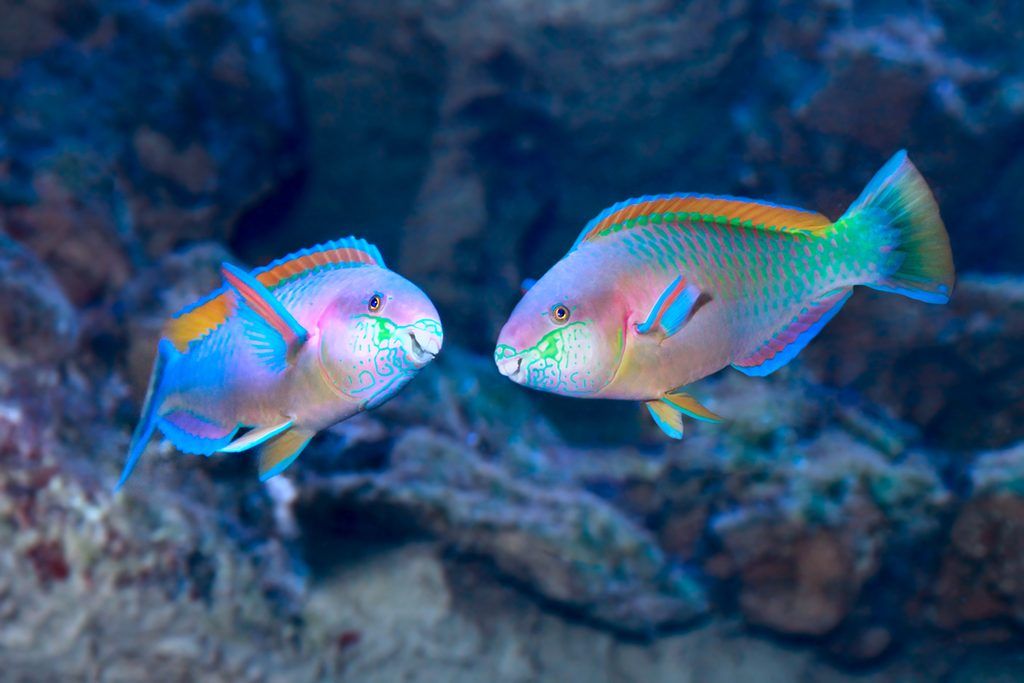
Parrotfish
You may have a cozy nighttime routine, but some species of parrotfish take bedtime preparation to another level. When night falls on the coral reef, the Caribbean queen parrotfish secretes a thick, transparent mucus from specialized glands in its gill cavity, slowly encasing itself in a gelatinous sleeping bag of sorts.
The main benefit of this mucus cocoon is that it helps mask the fish’s scent from nocturnal predators such as moray eels. It may also act as an alarm system for the fish: If a parasite or predator touches or tears the membrane, the soundly sleeping fish has a much better chance of quickly escaping into the dark nighttime waters.
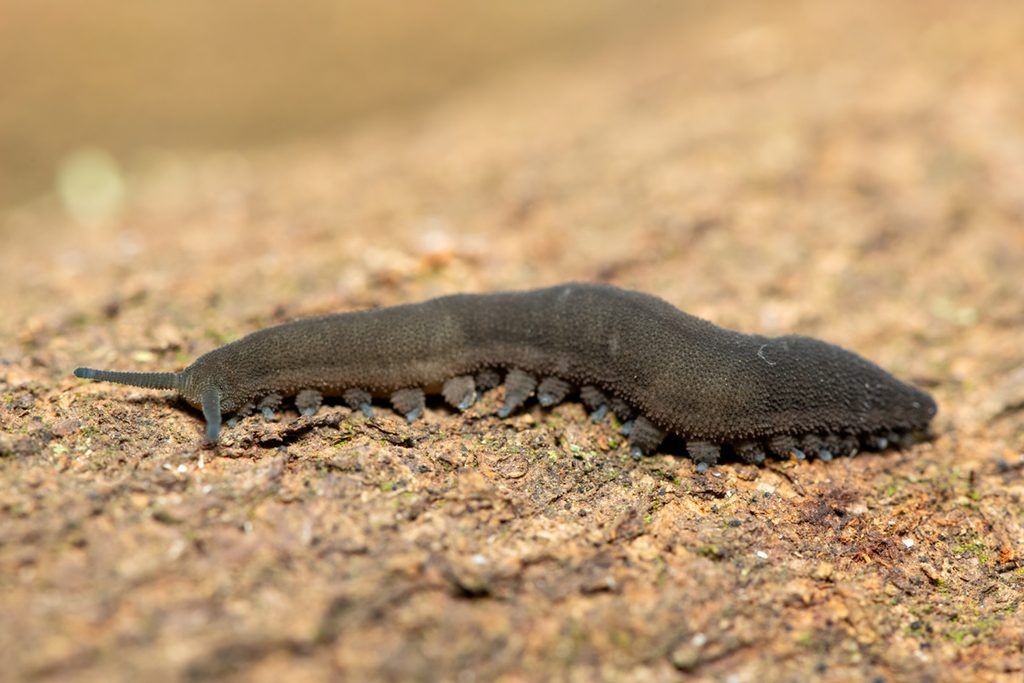
Velvet Worms
These ancient invertebrates are far more dangerous than their name — and in certain species such as the peripatus, their adorable appearance — may suggest. To capture prey, velvet worms rely on a pair of glands located below the antennas on their heads. These openings shoot streams of sticky fluid at their prey, which includes a host of small insects and other animals including termites, crickets, spiders, and snails.
The slime quickly hardens, holding the prey in place while the velvet worm moves in to feed. Once immobilized, the captured prey is also pierced by the velvet worm’s jaws, and the captive’s tissues are liquified using digestive saliva — a far cry from the similar-looking caterpillar’s leaf-munching life.
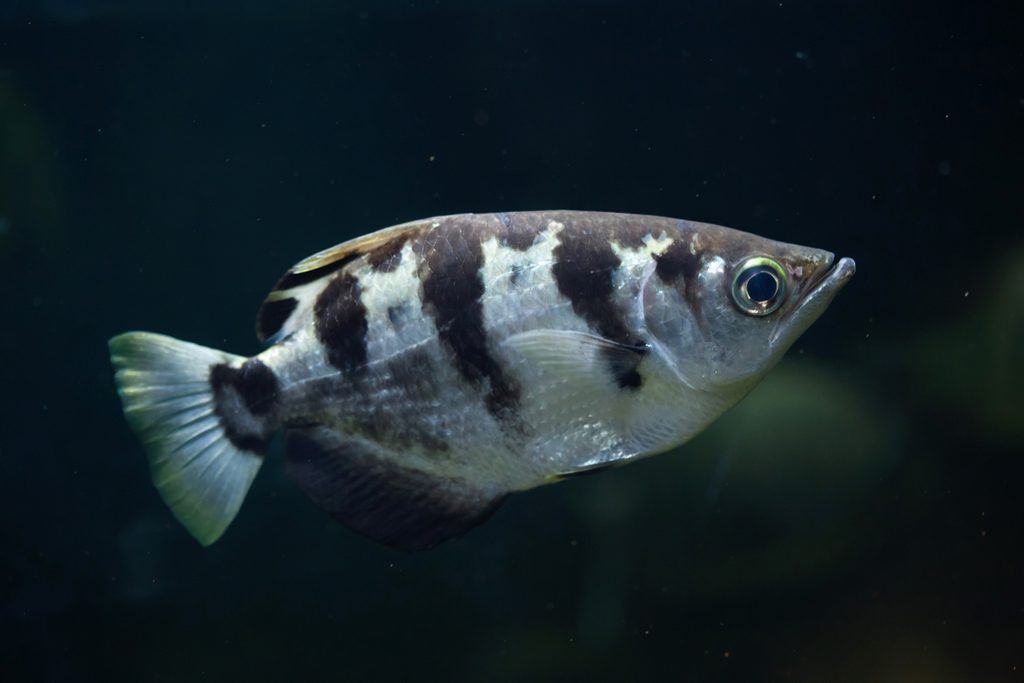
Archerfish
Archerfish use their mouths to turn water into a powerful — and surprisingly accurate — projectile. In the shallow waters of South and Southeast Asia, when insects sit on vegetation above the surface, archerfish strategically position themselves below their targets. Then, they shoot a narrow jet of water from their mouths, knocking the unsuspecting snacks into the water.
The fish create this jet by pressing their tongues against a groove in the roof of their mouths while rapidly closing their gill covers, forcing water through a small opening. Not only can they control the force and direction of the jet, but archerfish can even account for the way light bends as it passes between air and water. This means even if an insect perched above the water’s surface may appear to be in a slightly different position from where it actually is, the fish can adjust its aim accordingly, hitting their prey with impressive accuracy.
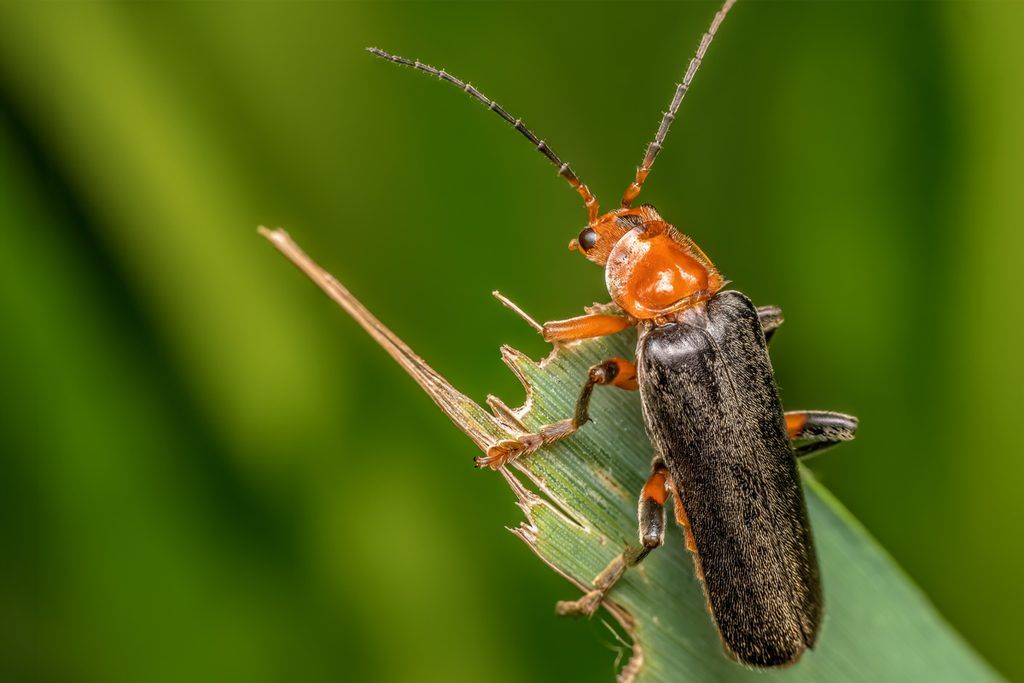
Bombardier Beetles
The bombardier beetle happens to have a laboratory of sorts right in its abdomen. When threatened, the insect mixes two chemical compounds — hydroquinone and hydrogen peroxide — in an interior chamber, causing a chemical reaction that heats the mixture to nearly the boiling point of water. The beetle then sprays this liquid at its attacker through an abdominal opening that can rotate in almost any direction, firing the hot, toxic liquid up to about 30 feet per second and reaching several centimeters away.
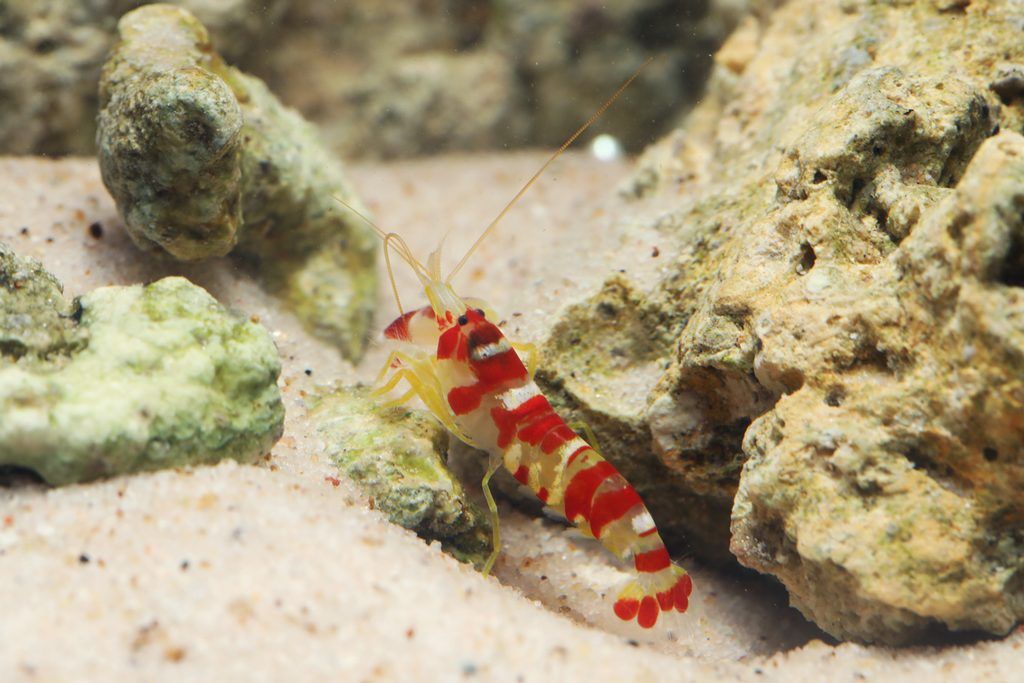
Pistol Shrimp
The pistol shrimp’s oversized snapping claw is much more than a means of nabbing prey. When closed rapidly, the movement creates a high-speed jet of water and a low-pressure bubble. As the bubble pops, it makes a powerful shockwave that can stun or kill small prey.
The shockwave lasts under a second and can reach temperatures of up to about 8,000 degrees Fahrenheit — that’s about four times hotter than lava. It can even produce a brief flash of light, a phenomenon known as sonoluminescence. Pistol shrimp also use those lethal claws to excavate burrows, making them a rather effective multi-use tool.
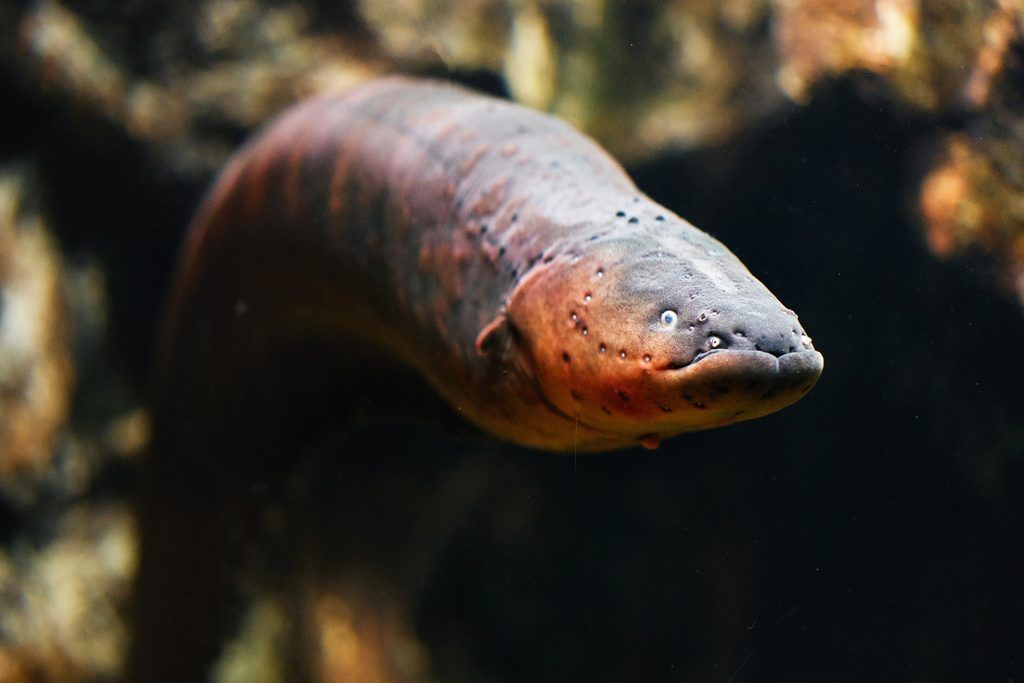
Electric Eels
Found in the freshwater rivers and floodplains of South America, electric eels use powerful electric shocks to hunt in the murky waters they call home. The eel’s electric organs are made up of thousands of specialized cells called electrocytes, which work somewhat like tiny batteries.
When the eel activates those muscle cells, they produce a pulse measuring hundreds of volts. Some species, such as the Electrophorus varii, can produce shocks up to 860 volts — more than seven times the voltage of a standard 120-volt U.S. household outlet.