5 Animals That Can Communicate With Humans

Talking with animals may still be the stuff of Doctor Dolittle-style fiction, but the ability to communicate with them is very real. Through years of research, scientists have discovered that some animals can do much more than respond to their names or follow basic commands, but researchers are still attempting to pin down the exact limits of animal communication.
Some animals use symbols, some understand human gestures, and others appear capable of exchanging information in ways once thought uniquely human. Here are five animals that have learned to communicate with humans.

Dogs
No animal has spent longer learning to communicate with humans than dogs. Thanks to thousands of years of domestication, dogs understand people better than many of our closest primate relatives. Dogs readily follow pointing gestures and eye movements to locate hidden food and toys, and research has also shown that many dogs can learn the names of dozens, or even hundreds, of objects. One border collie, Chaser, famously recognized more than 1,000 words and could figure out the names of unfamiliar toys by excluding those she already knew — a process of elimination not dissimilar to how children sometimes learn vocabulary.
But these companion creatures don’t simply react to human signals; they can also actively communicate with us. They use body language, facial expressions, vocalizations, and even behavioral changes to show excitement, fear, uncertainty, or simply a desire for attention. Studies have shown that dogs are particularly skilled at using referential signals, such as looking back and forth between a person and an object they want, essentially directing our human attention to achieve their goals.

Honeyguides
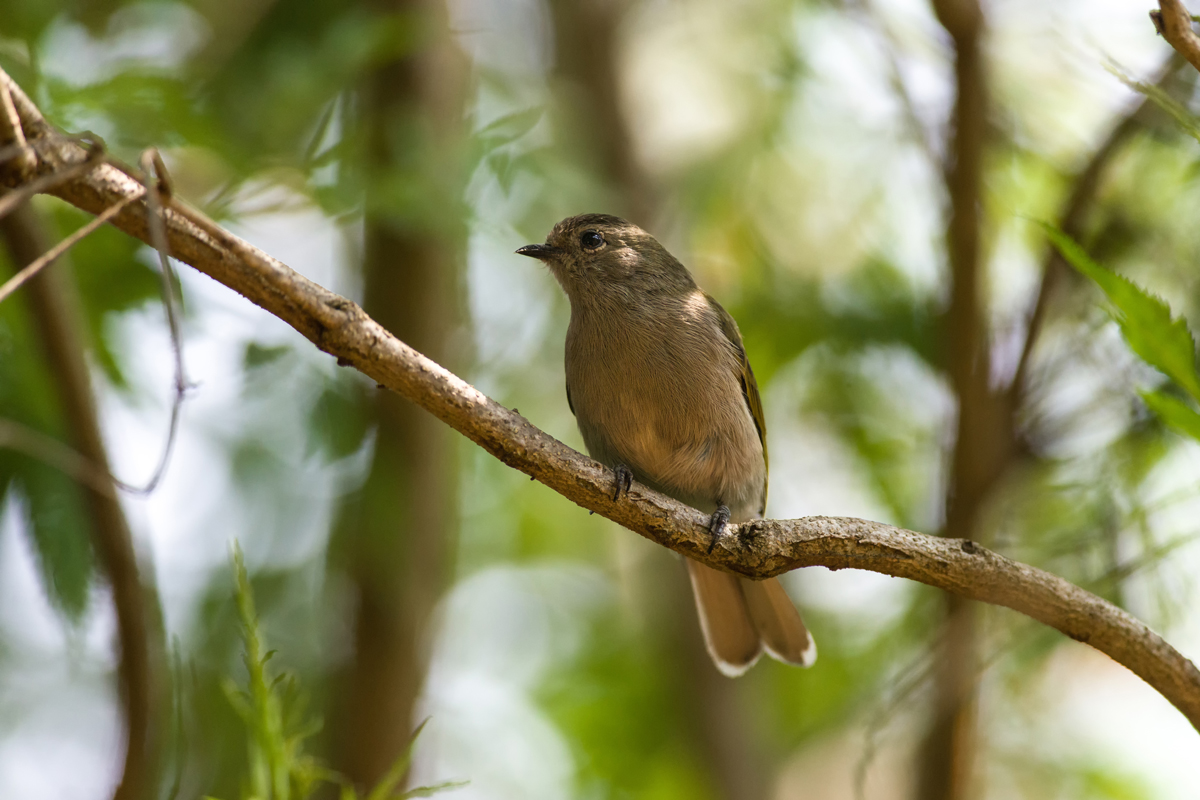
Many examples of animals communicating with humans come from laboratories or domestic settings. Honeyguides, however, demonstrate their capabilities in the wild. The greater honeyguide, a bird native to sub-Saharan Africa, has demonstrated an incredible partnership with several Indigenous communities, including the Yao people of Mozambique.
Humans use a distinctive call to attract the birds, and honeyguides respond by leading them to beehives that are hidden in trees. Once humans harvest the honey, they leave behind the beeswax and larvae — some of a honeyguide’s favorite foods — as a token of their gratitude.
Great Apes
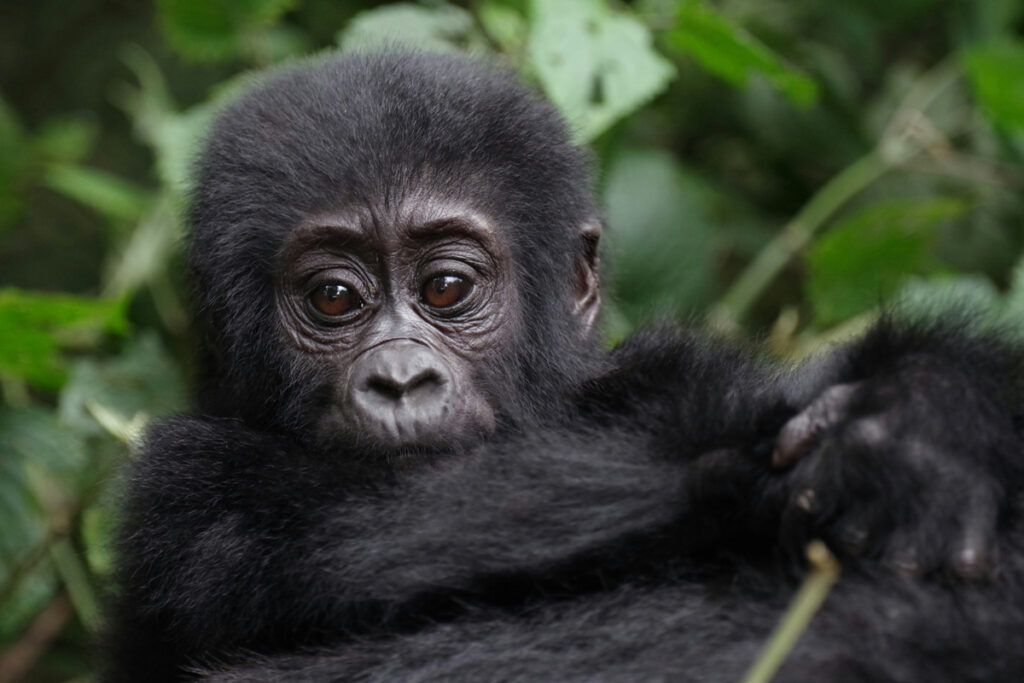
Our closest living relatives have played a major role in shaping our ideas about animal communication for the past several decades. Chimpanzees, bonobos, gorillas, and orangutans all communicate using dozens of their own gestures, facial expressions, and vocalizations, but research has shown they can also learn human communication systems.
The most famous example is Koko, a western lowland gorilla that learned to speak with trainers through a form of sign language. Other research into ape communication has focused on Kanzi, a bonobo that learned to use a keyboard covered with symbols called lexigrams to ask for certain foods, play partners, or even games he wanted to play. Scientists continue to debate how closely these abilities resemble human language, but the research nonetheless shows an ability to communicate with humans.
African Grey Parrots
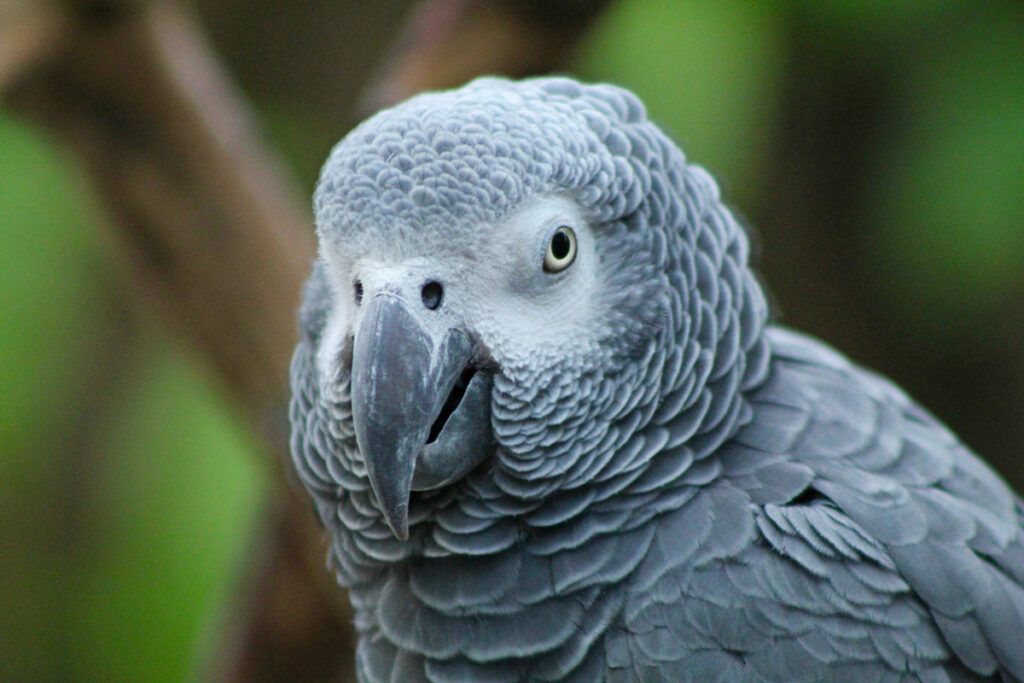
African grey parrots are famous for mimicking human speech, but their most surprising talent goes beyond mere imitation. Research has shown they can understand that words refer to specific objects, colors, shapes, and actions.
Much of what scientists know comes from decades of work with Alex, an African grey who was studied by scientist Irene Pepperberg for 30 years. Rather than simply memorizing phrases, Alex learned labels for more than 100 objects and could correctly identify colors, materials, shapes, and quantities of objects. Pepperberg’s training method, in which two humans conversed while the bird observed, showed that parrots learn language best in social exchanges rather than through simple repetition.

Bottlenose Dolphins
Bottlenose dolphins typically communicate using whistles, clicks, and body movements, but they’ve also shown an unusual ability to understand artificial languages created by humans.
Research has shown that, in systems using whistles and hand signals, dolphins understand not only the meaning of individual symbols but also the fact that the order of the symbols matters. For example, they’ve responded differently to commands such as “take the ball to the hoop” and “take the hoop to the ball,” showing that beyond familiar words, they also appeared to understand changes in syntax.