The Animals That Can Regrow Lost Body Parts

Humans can grow wise, grow long in the tooth, and even have their hearts grow fonder. But the one thing that humans can’t grow is a brand new appendage, and the sheer idea of limb regeneration sounds like something straight out of a sci-fi novel. But for certain animals, the ability to restore missing body parts is built into their genetic fabric. It may seem like an act of magic, but in reality, it’s biology working as intended. Let’s look at five animals that can regenerate with ease.
Salamanders
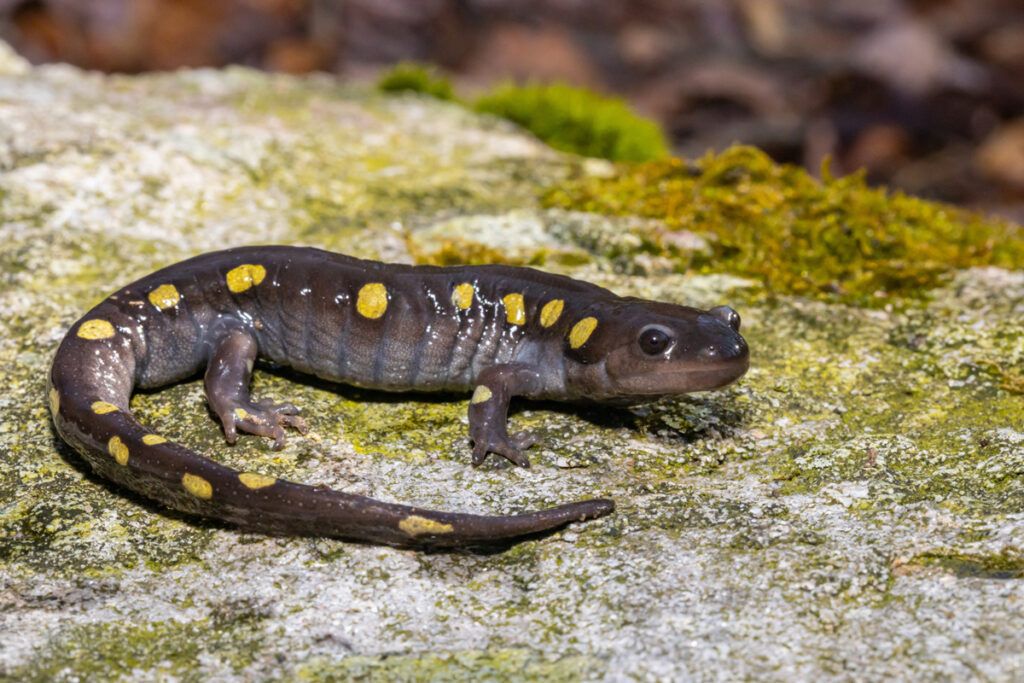
Salamanders are slimy, slender, and the only vertebrates able to regenerate entire limbs. In the event an appendage is severed — possibly due to a hungry avian predator taking a quick bite — the wounded area will first be sealed off with a protective skin barrier called the epithelium. Next comes the formation of a blastema, a mass of proliferative cells that are genetically coded to stimulate regrowth of the lost body part. Over several weeks, the lost limb will grow back to its precise size and orientation, though exactly how continues to be studied. Furthermore, any scarring or other evidence of the injury completely disappears.
Of the hundreds of different salamander species distributed worldwide, not all have the same regenerative capabilities. But two that are particularly adept and have been widely studied are the Eastern Newt and Mexican Axolotl. You might be familiar with the axolotl because of its cute appearance and natural smile — you’d probably smile too if you had such a unique ability. Not only can axolotls regrow their limbs, but also damaged organs such as the lungs, ovaries, brain, and spine.
Starfish
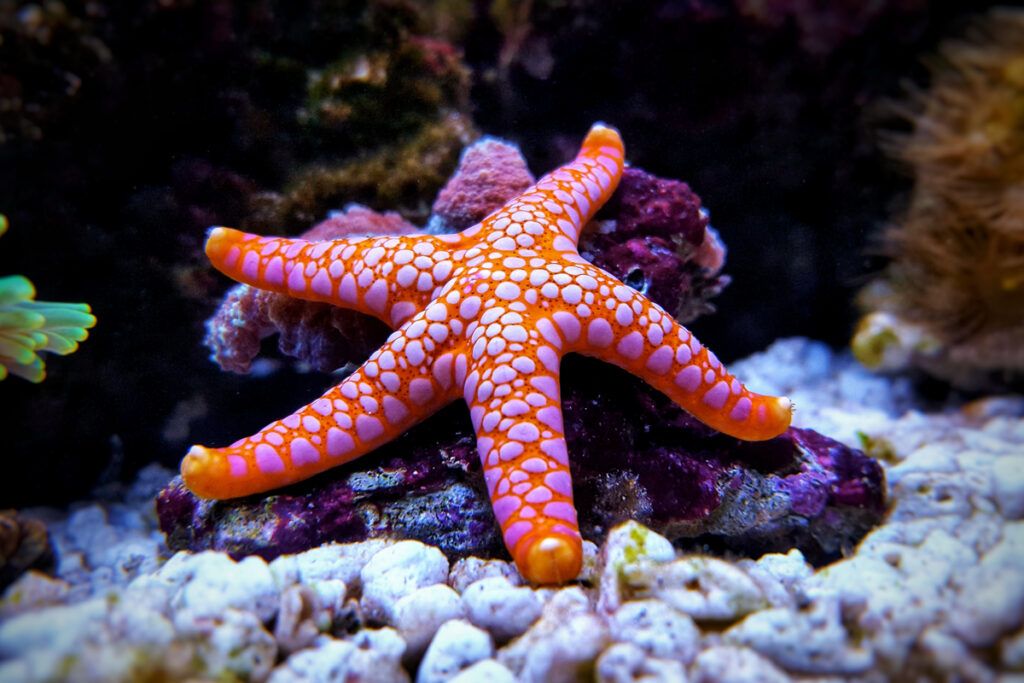
We’re taught as children to believe that starfish have five arms. But much like Santa, it’s best not to believe everything you hear as a kid. While there are tons of sea stars with five arms, some have more than 50. Furthermore, they’re able to regrow those appendages as needed, so long as the central part of the body remains intact.
When a starfish’s arm is severed, partially damaged, or intentionally detached to escape prey, the arm will regenerate in time. The process can be slow, as it takes up to a year to grow back lost limbs. But over that time, stem cells will be directed from the center of its body toward the injured area, stimulating growth of the lost body part(s).
Deer
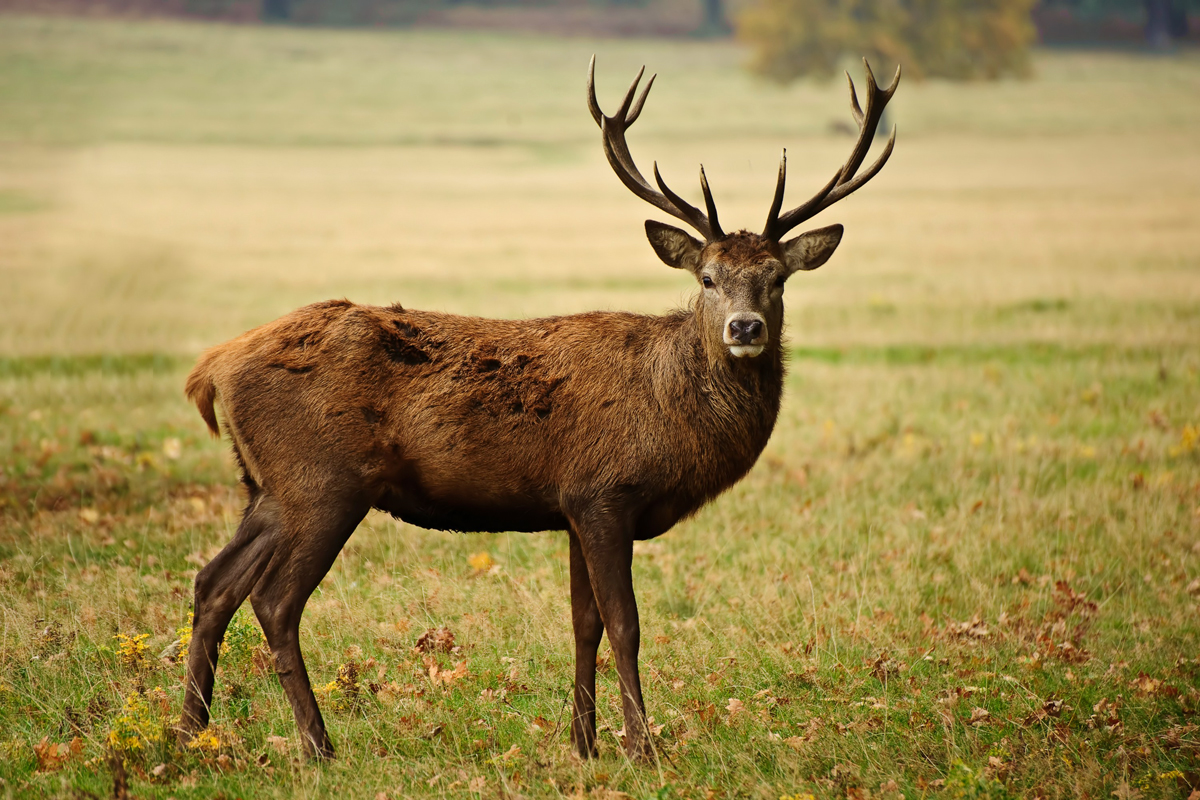
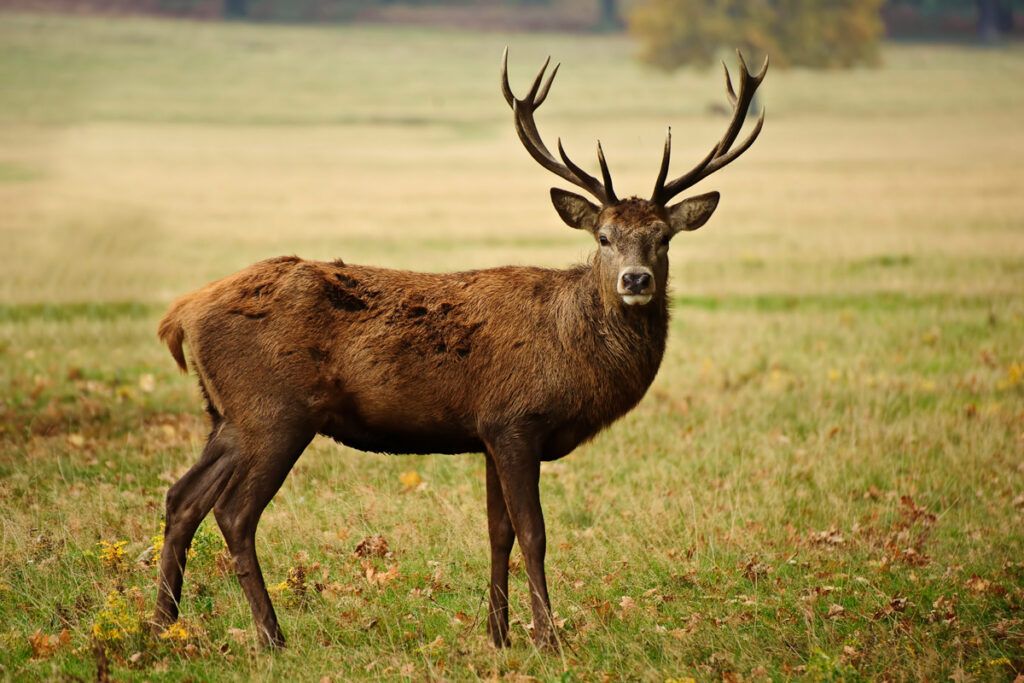
Deer can’t regrow lost fleshy tissue. However, they can regenerate one extremely complex mammalian structure that contains dermis, blood vessels, nerves, cartilage, and bones: deer antlers.
Deer antlers are the only known mammalian organ (yes, antlers are an organ) that can fully grow back after being lost. The regrowth is possible thanks to stem cells emanating from the neural crest in a deer’s pedicle periosteum — a membrane located around its skull. After a deer sheds its antlers (which tends to happen yearly) they’ll slowly grow back over the next few weeks. Antlers regenerate at one of the fastest rates of any animalian body part, as they grow by roughly ¼-inch each day until fully formed — or the same rate as a teenager going through a growth spurt.
Zebrafish
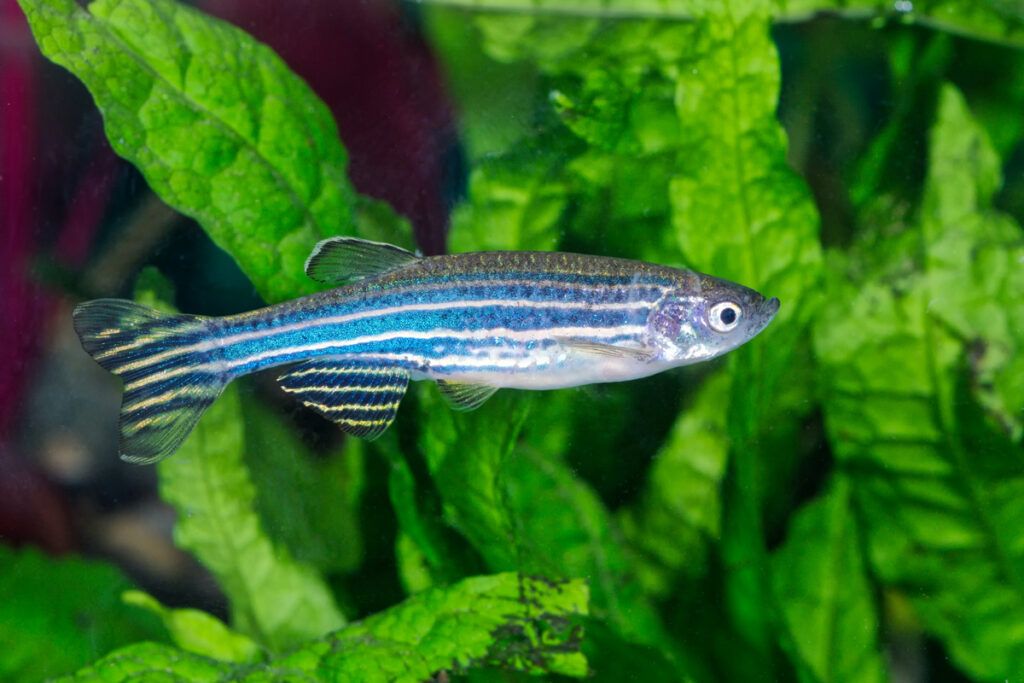
Zebrafish are a tropical, freshwater minnow that’s found naturally throughout India, as well as in many pet shops around the world. Despite their minute stature, they have one of the most complex regenerative systems in the animal kingdom. Zebrafish can regrow amputated fins, and have the ability to repair lesions around the brain, retina, pancreas, spine, heart, and other living tissue. They’re as versatile as a Swiss Army Knife — though perhaps it’s more apt to call them a “South Asian Army Knife.”
When you look at a zebrafish’s heart tissue, for instance, roughly 12% to 15% of the cells are stem cells that originate from neural crest cells. Humans actually have similar cells, but they lose their regenerative function during development. Zebrafish retain their ability to repair heart muscle into adulthood, which is why scientists have studied these fish to see if they can apply those genetic lessons to repairing human heart tissue. While there’s still research to be done, this means we may be a step closer to mending that broken heart from a recent breakup.
Sharks
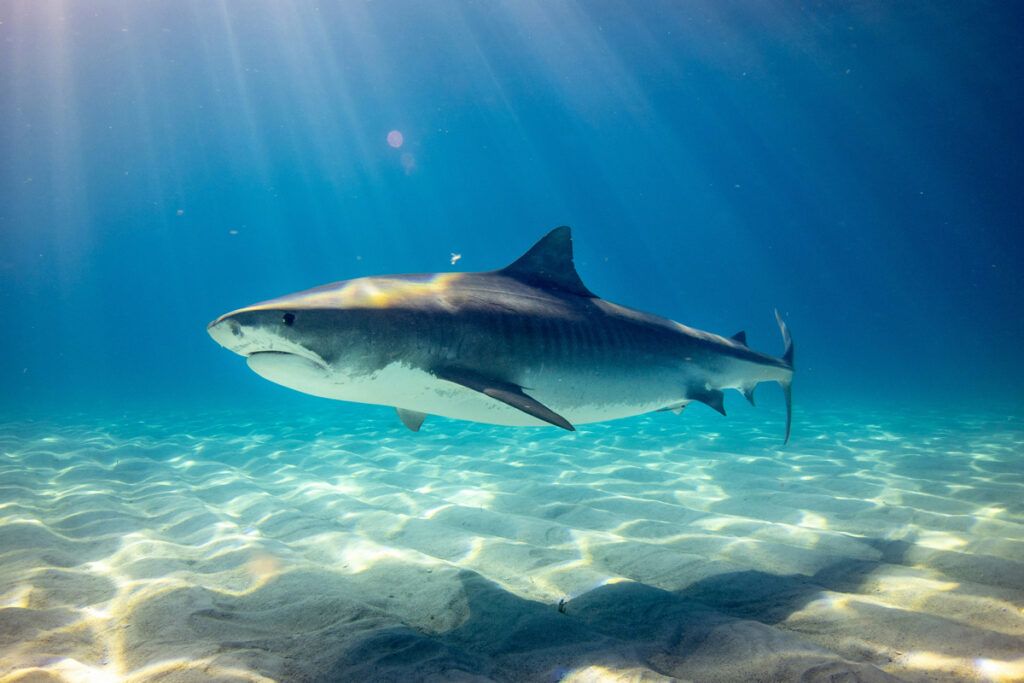
Sharks can’t regrow fins, tails, or other fleshy body parts, which is ideal considering how powerful and terrifying Jaws already was. But sharks can regenerate one particular body part, and it happens to be one they’re arguably best known for: their teeth. While precise numbers vary, sharks have 50 to 300 teeth arranged in up to 10 rows. But those teeth do get lost, and estimates say certain species shed as many 30,000 teeth in a lifetime.
Now it’s a good thing shark dentists don’t exist, as they’d likely go out of business with how little work they’d need to do. That’s because sharks don’t need implants or crowns to replace those tens of thousands of teeth — they simply regrow them.
Whether it’s a single tooth or an entire row, there’s always another tooth or plate of teeth ready to shift around and replace it; picture a conveyer belt, where a new set of teeth moves into place. This is made possible due to stem cells that work to constantly replenish teeth, making it possible for sharks to have unlimited teeth depending on their needs and lifespan.