5 Animals That Can Change Color

We’ve likely all fantasized about changing the way we look at some point. Some animals don’t have to use their imaginations; switching up the color of their skin, scales, fur, and even their eyes is easier than booking a hair appointment.
Different species have different reasons for changing their look, be it hiding from danger, tricking unsuspecting prey, or enhancing their senses. From the North Pole to the bottom of the ocean, here are five animals that can change color.
Chameleons
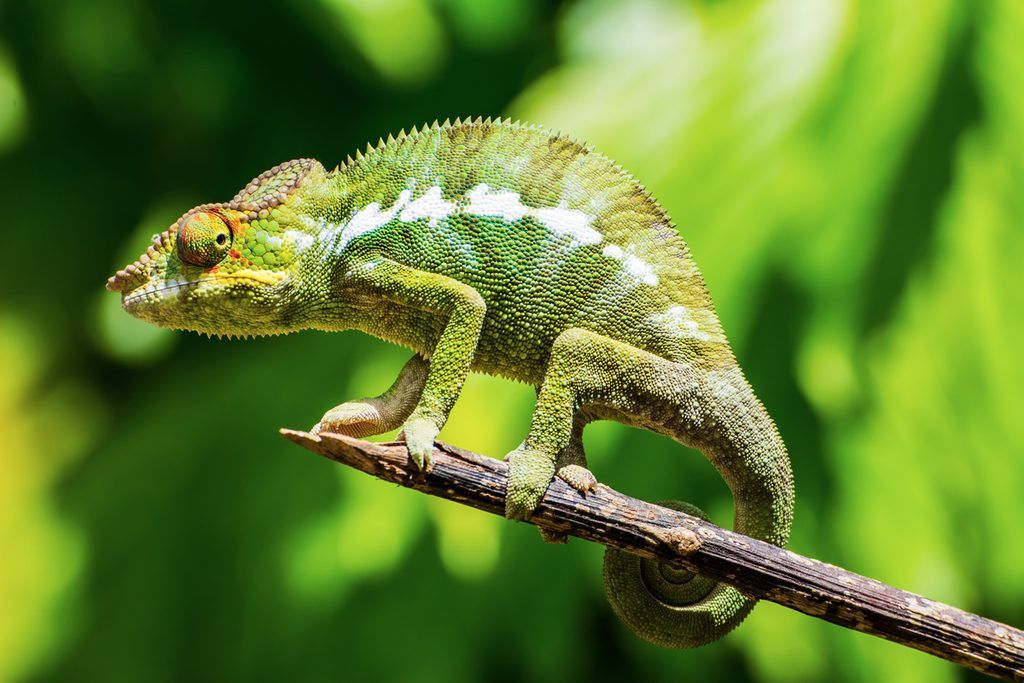
When you think of color-changing animals, chameleons are likely the first that come to mind. In cartoons, these lizards are depicted as masters of disguise that can match their skin to their background in the blink of an eye.
Contrary to popular belief, however, chameleons don’t change their color to match whatever’s behind them. In fact, they probably couldn’t even if they wanted to. When changing pigments, every chameleon has a limited palette of shades to choose from that’s determined by its natural environment and species.
Rather than morphing to blend in with any color surrounding them, these lizards change color in response to a variety of factors, including temperature, age, health, and even mood. When feeling excited, for example, they might adopt a vivid pattern to intimidate competition or attract mates. Meanwhile, if it’s too cold outside, they might don a darker hue to more effectively absorb the sun’s rays.
Octopuses
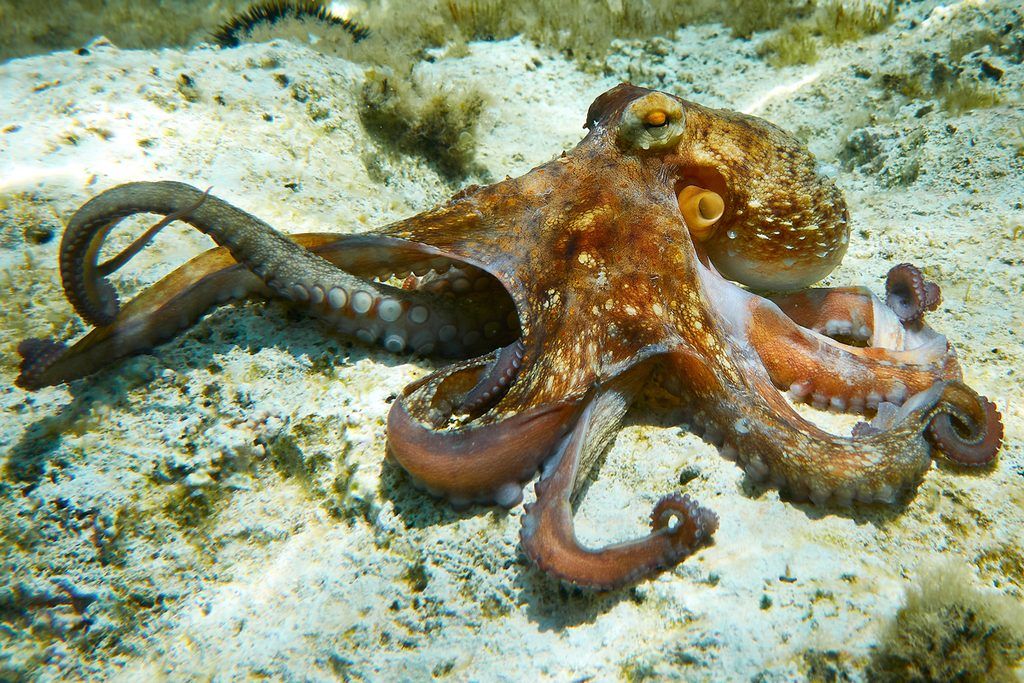
Octopuses do change colors to match their backgrounds, and if you blink, you might miss it. Some of the quickest shape-shifters of all, octopuses not only can change colors, but also patterns, and even the shapes and textures of their bodies. In addition to helping them hide from predators such as sharks and eels,it gives them an advantage on the other side of the food chain.
Some species of octopus morph to resemble non-threatening animals to trick prey such as damselfish into thinking they’re harmless. Others send a ripple of dark rings down their outstretched arms, essentially hypnotizing their prey and allowing them to strike. Octopuses may also shift to stand out, mimicking predators to both confuse and intimidate them until they — hopefully — go away.
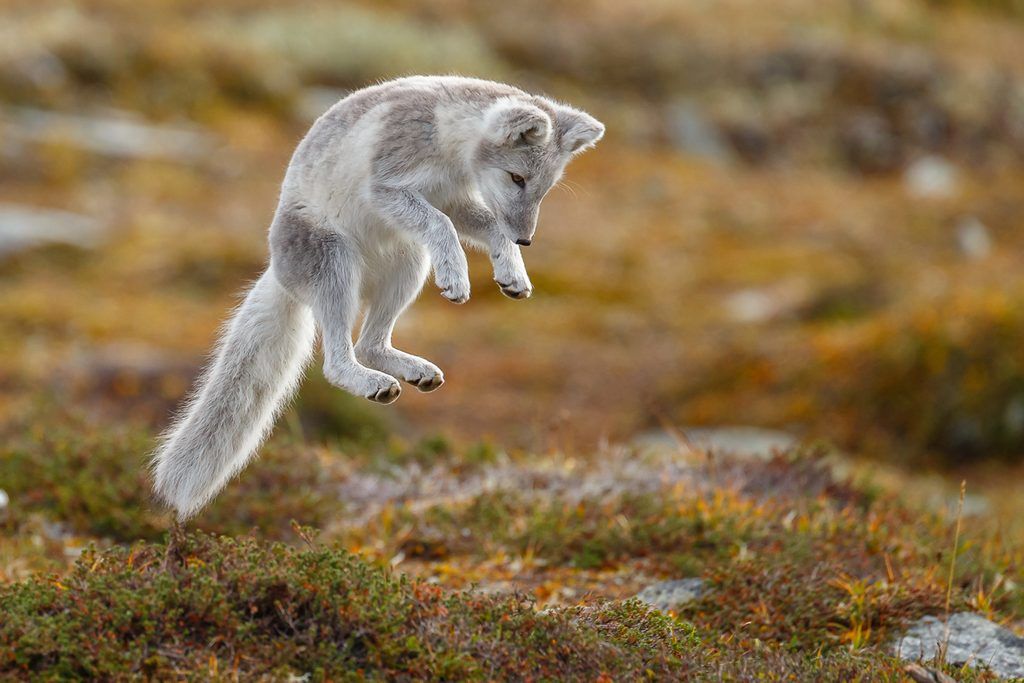
Arctic Foxes
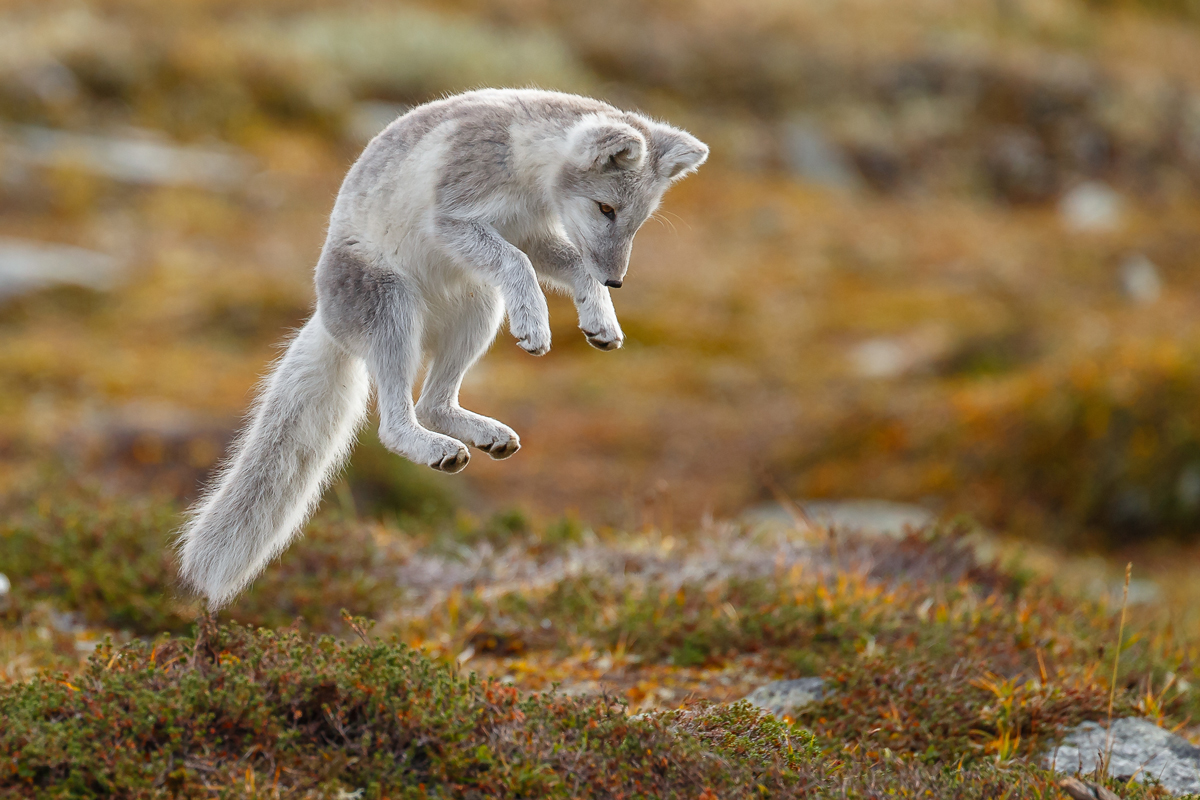
Similar to an octopus, Arctic foxes also change their colors to blend in with their background. The time it takes to make that switch, however, is considerably longer. Their environment changes from brown, yellow, and green, to pure white with the seasons, and their coats reflect that passage of time.
Arctic foxes are both predators, hunting small rodents and birds, and prey, vulnerable to attacks from wolves and polar bears. That means they need to blend in perfectly with their surroundings to hunt and also to avoid being hunted themselves. The Arctic fox’s MC1R gene allows them to switch their coat as the seasons change, boosting their chances of survival.
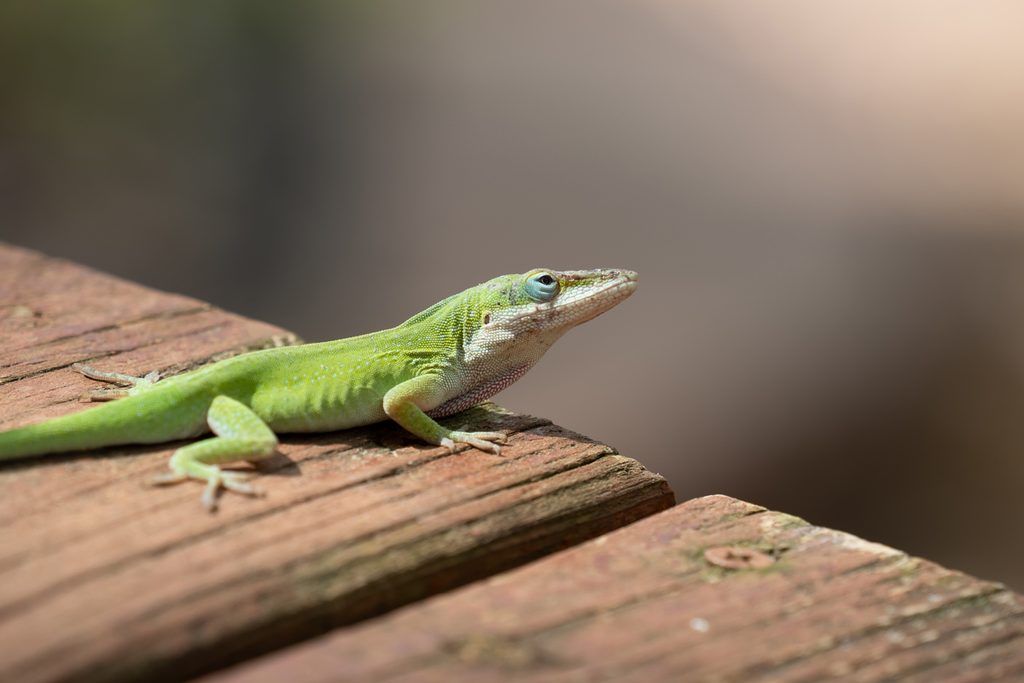
Anoles
Rather than change colors to blend in like many animals on this list, green anoles seem to switch shades for the opposite reason — to stand out. The lizards are able to shift from dark green to dark brown, generally when telling others to back off. Males are highly territorial and adopt a deep green hue when posturing for more dominance thanks to hormonal shifts that affect their hues.
These tough tree-dwellers usually switch back and forth from green to brown several times throughout an aggressive encounter, and the winner almost always walks away wearing a vivid emerald coat of victory.
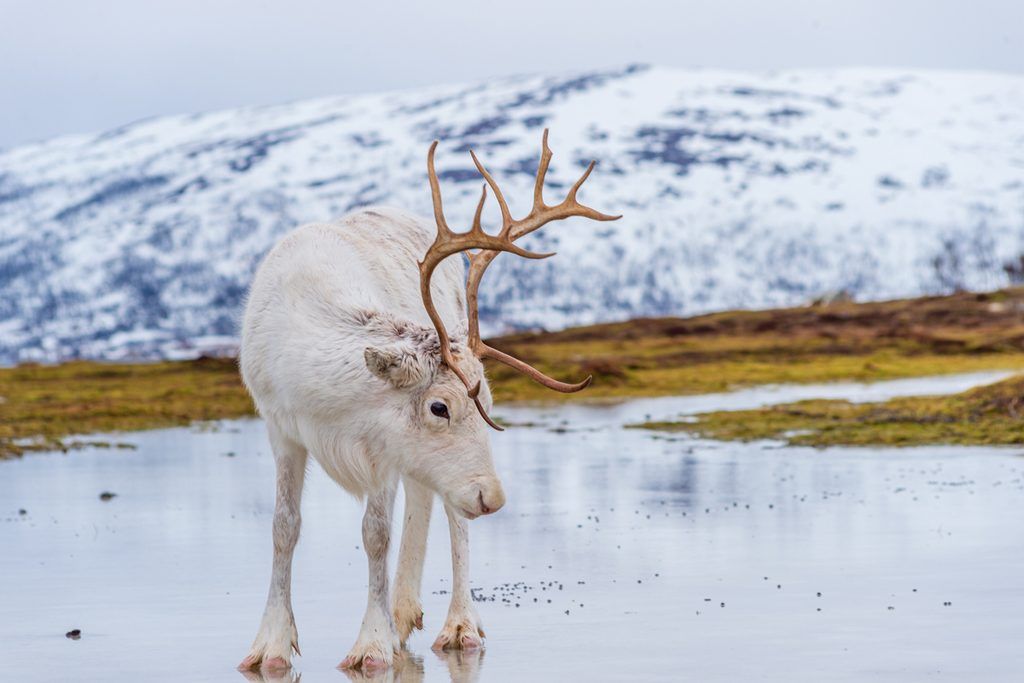
Reindeer
Unlike other animals on this list, reindeer don’t change the hue of their skin or even their coats. It’s their eyes that change from gold to blue — or so it appears, anyway.
During the warmer months when the sun illuminates the sky all day and night around the Arctic, a reindeer’s eyes are almost amber in color. In the winter, there’s a switch to almost 24-hours of darkness until the seasons shift again. The only way to see in the dark is to maximize what little light there is, and reindeer have adapted to do just that.
An iridescent, light-reflecting tissue called the tapetum rests behind their retinas and acts as a reflective surface in the dark. By bouncing any light that reaches the back of the eye back to the retina, this structure doubles the light reindeer perceive and helps them navigate twilit terrain. It also explains why their eyes appear to change color: It’s not the iris itself that’s different, it’s the reflected light that makes them appear blue and somewhat cloudy.