These Animals Can Communicate Before They’re Even Born

If you thought your family group chat was noisy, try eavesdropping on a nest of unhatched eggs. Life inside an eggshell isn’t always as quiet as you’d expect. But why? Making any kind of noise at such a vulnerable stage seems risky, and yet the unborn chicks of many bird species have adapted to do just that.
And they’re not alone; research shows that this type of prenatal chatter is quite common, especially — but not only — in birds. Here we look at five species whose earliest conversations start before birth.
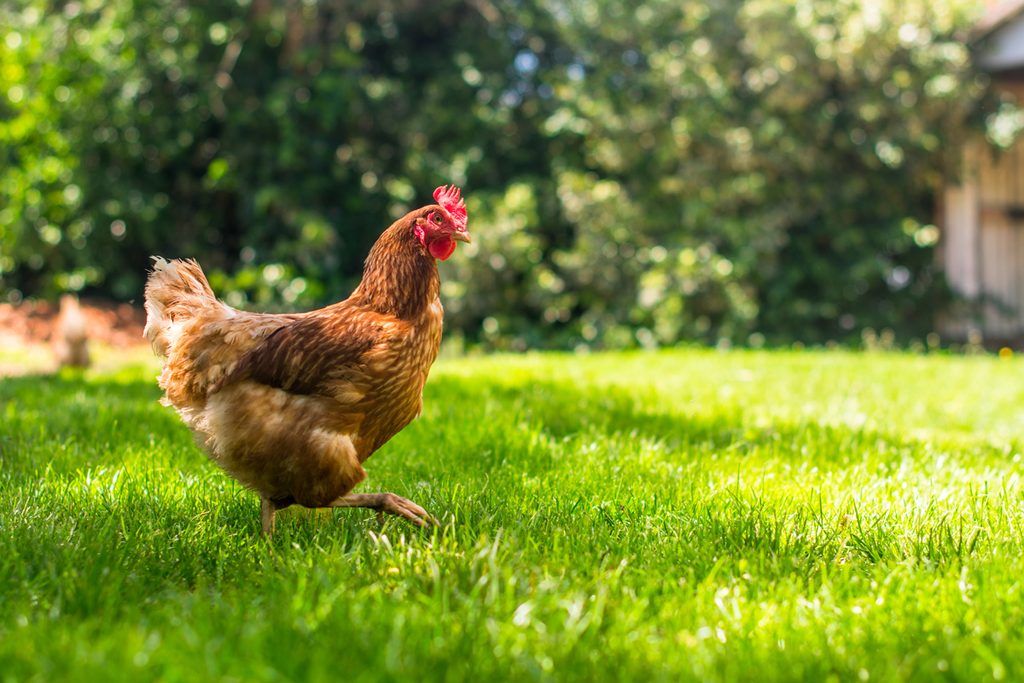
Chickens
Chicken embryos and their mothers begin to communicate the day before hatching and gradually increase their interactions as the moment approaches. The chicks start peeping to notify both their mother and their siblings that they are ready to emerge from the shell. This clicking, as it’s described, helps to synchronize the hatching of the baby chicks.
Unborn chicks also make distress calls, which often prompt the mother to call back or even return to sit on the nest — at which point the embryo quiets down or emits pleasure calls. These interactions resemble those that happen after hatching, indicating that the needy chicks have already learned how to manipulate their moms before they’re even born.
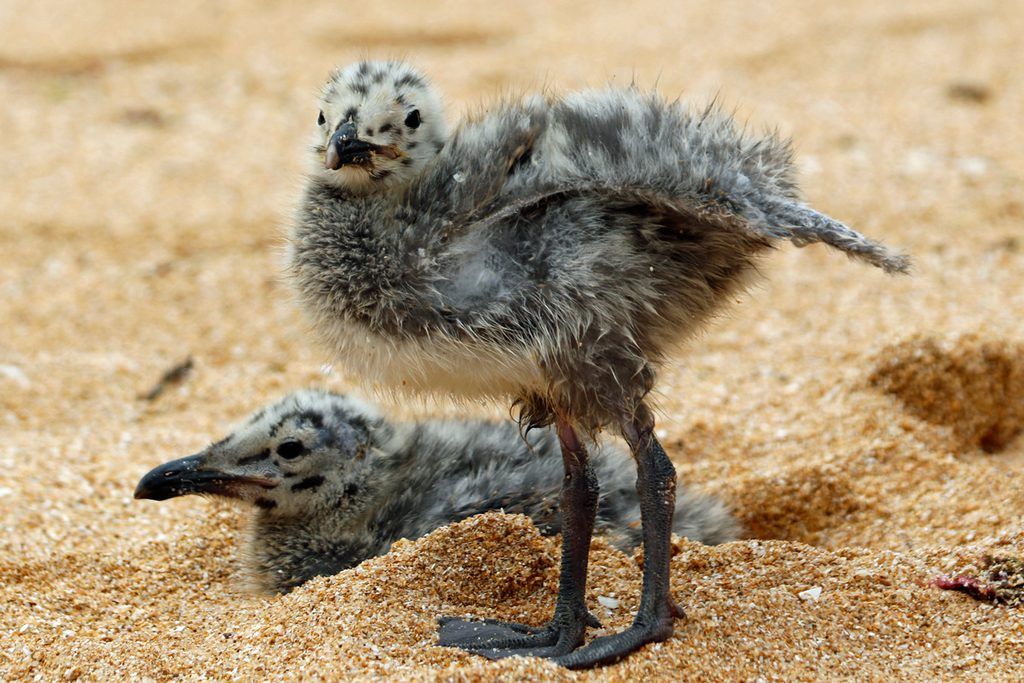
Yellow-legged Gulls
When adult yellow-legged gulls call out to warn each other of predators, their unhatched chicks also respond. The mature embryos vibrate their eggs, transmitting the danger signal to their quieter, less-developed siblings.
While there’s nothing the unborn chicks can do about potential threats, research shows that they benefit from the communication after hatching. The informed chicks — and the siblings they passed the information onto — show heightened vigilance, altered stress hormones, and developmental changes that better prepare them for danger when they step out into the wider world.
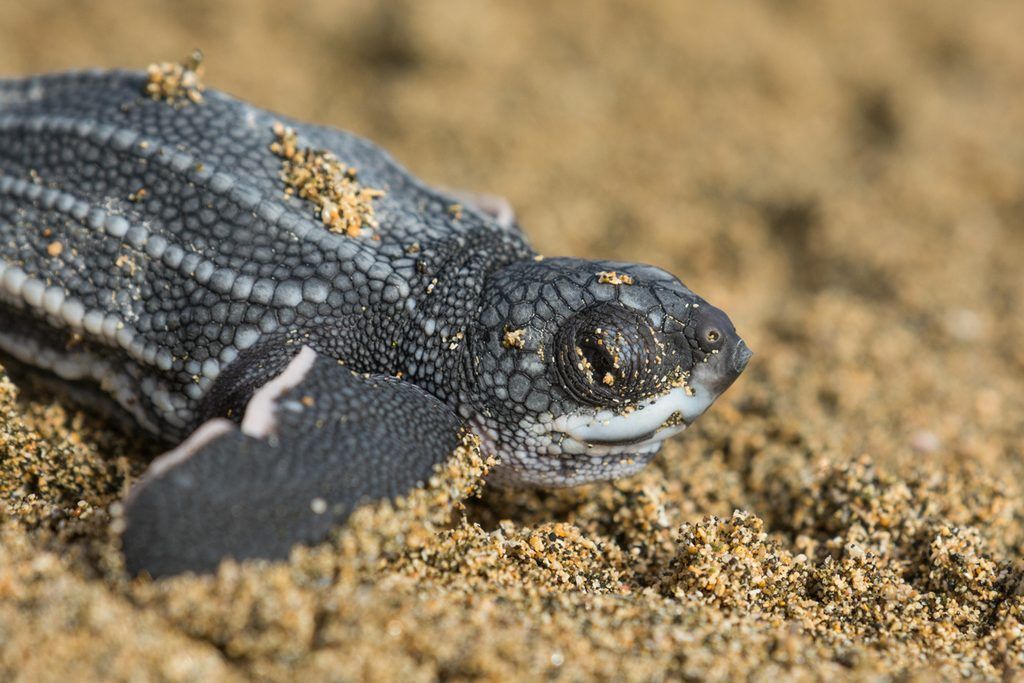
Leatherback Sea Turtles
Turtles are normally quiet creatures, so it may be surprising to learn how much chatter goes on between leatherback sea turtles before they’re born. Baby sea turtles emerge from the sand simultaneously to overwhelm predators and increase their chances of making it to the water unscathed.
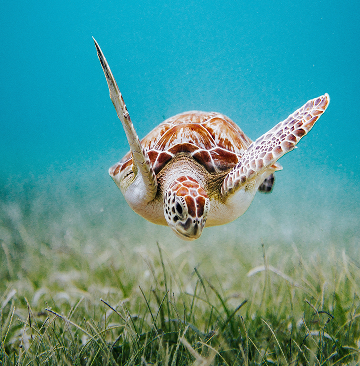
To pull off this trick, unhatched leatherbacks talk to each other from inside their eggs. Once their ears develop after about 51 days of incubation, the embryos start emitting a complex series of chirps and grunts. By communicating back and forth, the clutch synchronizes its development, ensuring that hundreds of tiny flippers hit the sand in a coordinated dash to the ocean.
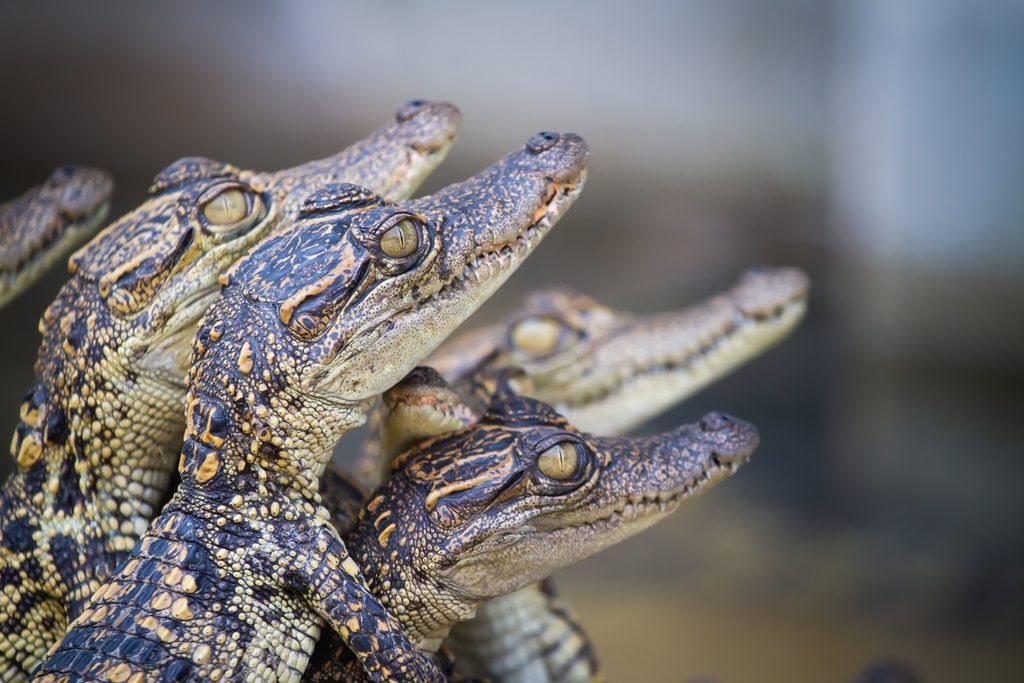
Nile Crocodiles
Most unborn crocodilians make a noise — often an “umph! umph! umph!” sound — in the days before hatching. Research into Nile crocodiles shows that this serves a very specific purpose: The vocalizations alert the mother, who previously buried her eggs in the sand, that it’s time to dig open the nest and let her babies out. The unborn siblings are also communicating with each other to synchronize their emergence, improving survival odds by reducing the time individual hatchlings spend exposed and vulnerable.
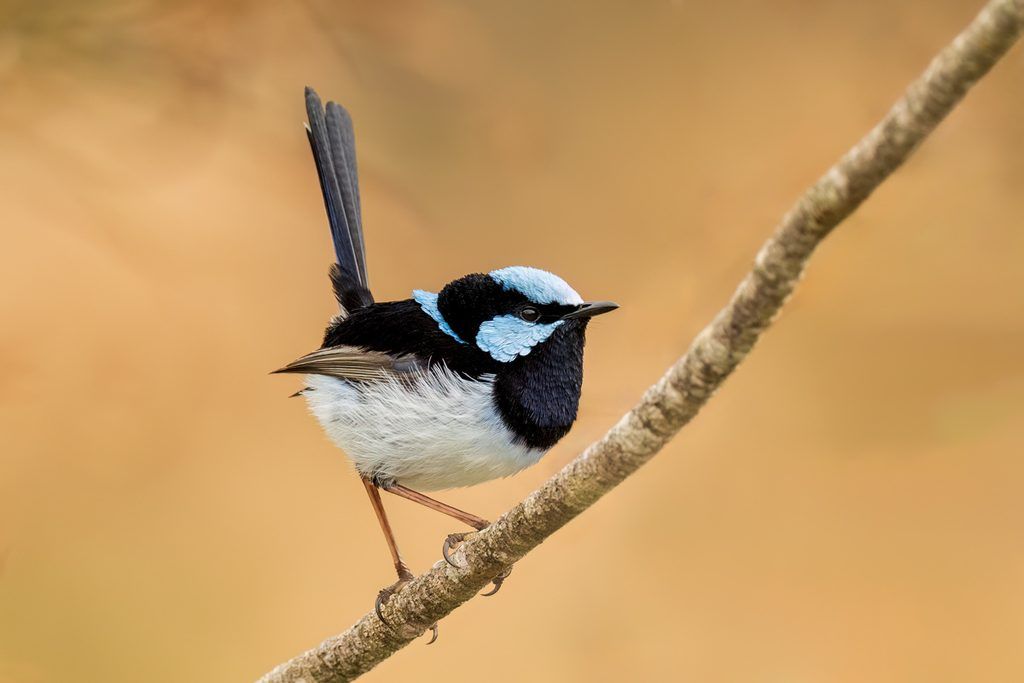
Superb Fairywrens
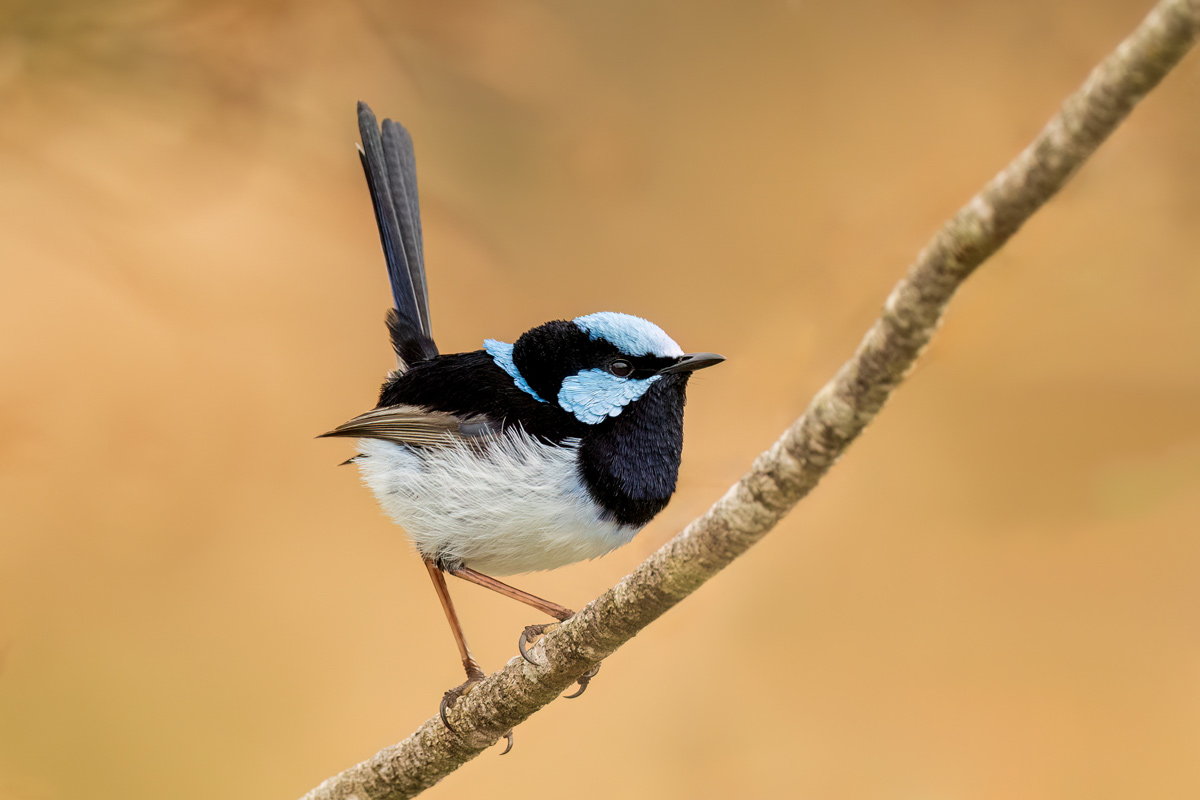
In the Australian outback, superb fairywren mothers face an unusual and very sneaky threat: cuckoos that sneak an egg or two into the wren’s nest in the hope that they’ll feed and care for them. To outsmart these brood parasites, as they’re known, the mother wren sings a secret password to her unhatched eggs (and also teaches it to her mate).
By the time her biological chicks hatch, they have memorized this unique tune and use it to beg for food. Any cuckoo chick imposters are ignored by the vigilant mother wren. For some as-yet unknown reason, the interlopers never learn the password, possibly because they hatch before the wrens. While sad for the cuckoo chick, it’s still an incredible example of two-factor authentication in nature, taught entirely inside the egg.