6 Animals That Create Their Own ‘Art’

Humans have spent plenty of time teaching animals to perform specialized tasks such as painting. But while some animals have been taught to make art, others seem to have it figured out without any human instruction at all.
Across the animal kingdom, creatures are able to build, weave, and arrange with impressive precision. They’re not necessarily making art for art’s sake; their creations are usually designed to attract a mate, catch prey, or provide shelter.
Still, some of the finished products are hard not to admire. Here are six animals that create their own “art” in the wild.
Bowerbirds
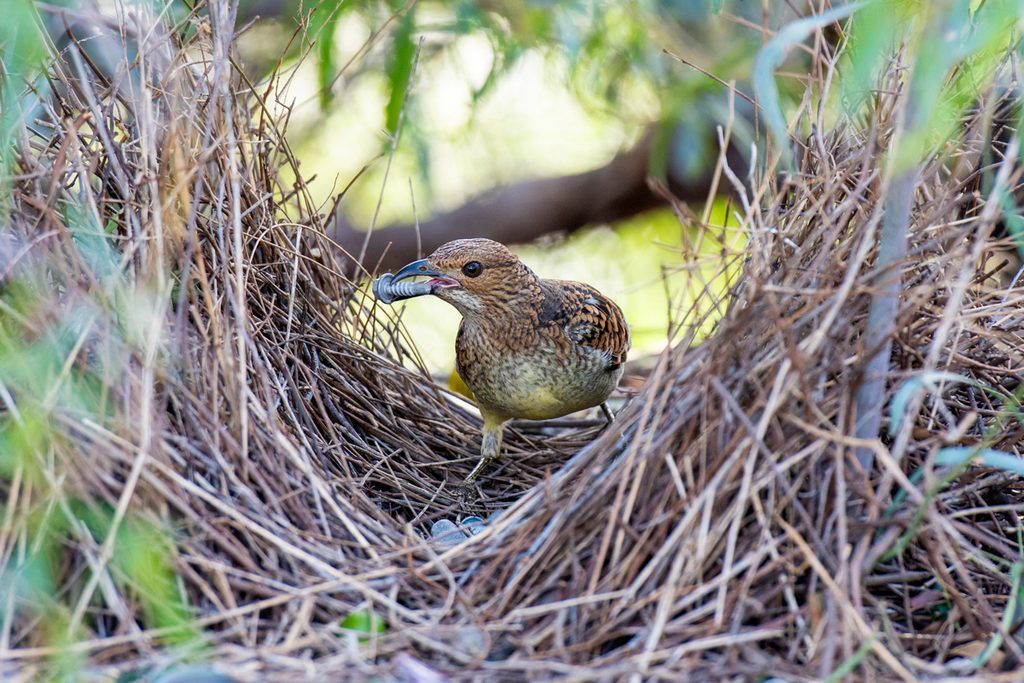
A male bowerbird with a particular eye for style may spend hours decorating his bower, an elaborate domed tunnel made of twigs and grass that’s used to attract potential mates. Some bowers may be surrounded by feathers, shells, stones, flowers, or bones, while other bowerbirds gravitate to less natural materials such as colorful plastic bottle caps or straws.
Great bowerbirds are especially particular about their arrangements. Males place objects in carefully graded sizes that create a forced-perspective illusion when viewed from the bower’s entrance. Research suggests this isn’t just a work of art, but an optical illusion that’s carefully engineered to make the male bower look bigger and more impressive to potential mates.
Humpback Whales
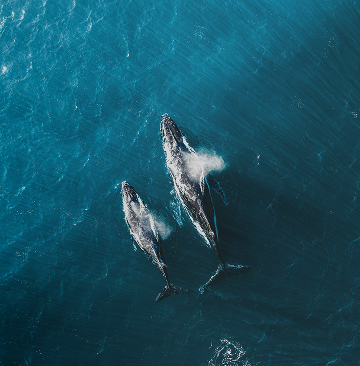
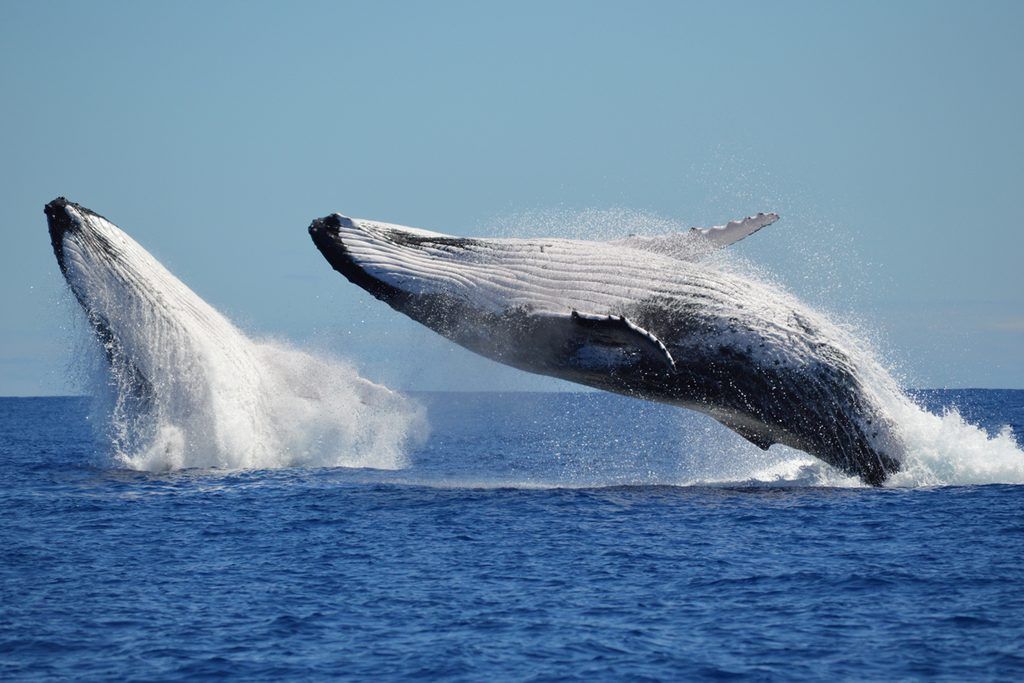
Humpback whales are filter feeders who eat mostly krill and small fish. They use several techniques to herd and corral prey, including turning the surrounding water into a swirling work of art. The whale — or often a group of whales working together — swims in a circle beneath a school of fish while releasing a stream of bubbles from their blowholes, stunning and trapping the fish close to the surface.
The whale then swims through the middle of the bubble ring with its mouth open and feasts. It’s called bubble-net feeding, and although the visual results are fleeting, they can be quite striking, forming circles and spirals in changing shapes and sizes.
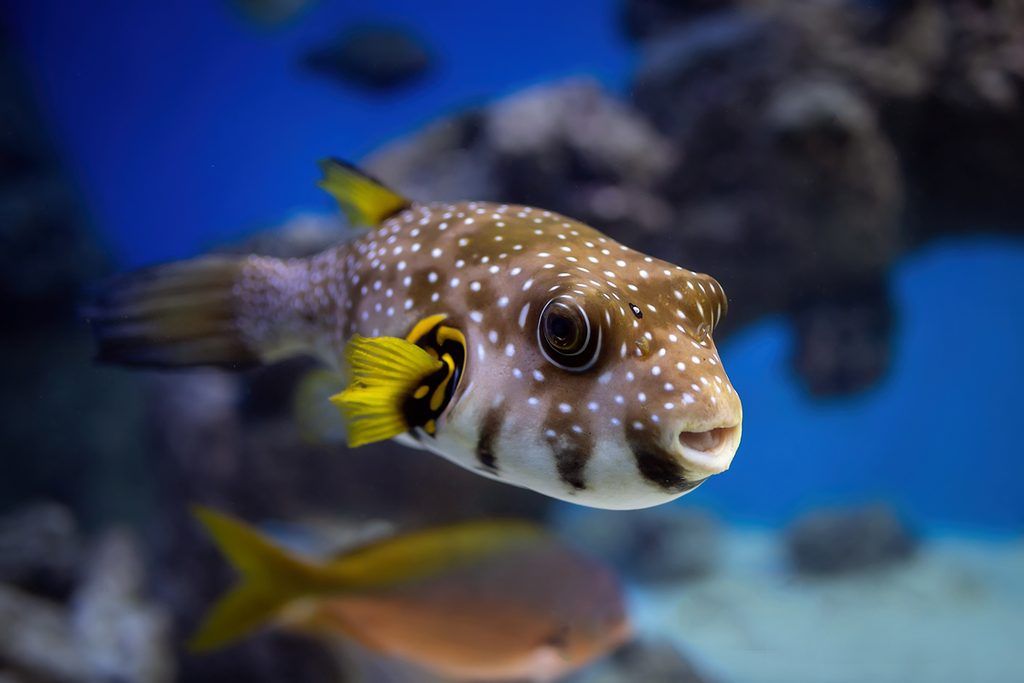
Pufferfish
On the seafloor off the coast of southern Japan, intricate geometric patterns appear in the sand. These mesmerising, if ephemeral, concentric circles and radiating grooves are the work of the male white-spotted pufferfish, designed to attract a female for mating and, eventually, to serve as a nest for their incubating eggs.
The pufferfish is only about 5 inches long, yet it works diligently over the course of about a week, using its fins and body to meticulously sculpt the 6-foot-wide design. And it’s more than just pretty: The circular design appears to help move fresh water toward the center of the nest, helping to create favorable conditions for developing eggs.
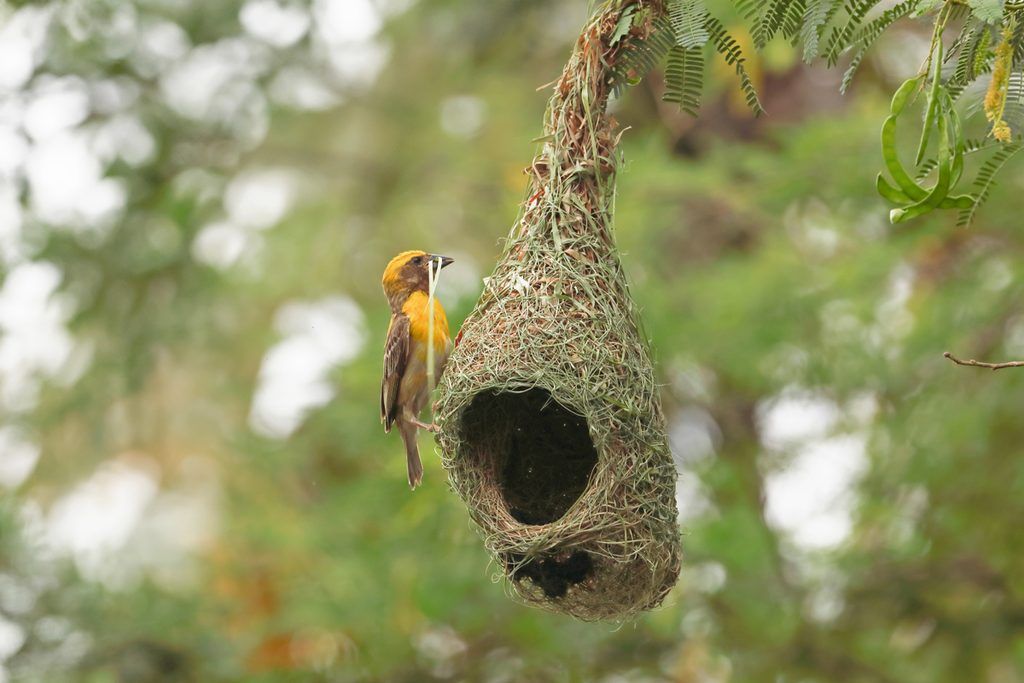
Baya Weavers
Building a nest is one thing; building one that hangs from the end of a branch like an ornament is quite another. Male baya weavers collect long strands of grasses and other plant fibers that they then weave and knot together with their beaks. There are more than 100 species of weaver birds, most of them found in Africa and Asia, and many are known for their intricate nest building.
Males will often hang upside down while carefully building the works of art, which have a rounded chamber and a long entrance tube. The construction is also part of the courtship: A well-built nest ultimately provides a place to raise offspring, but it may also help to convince a mate that the builder himself is smart and capable.
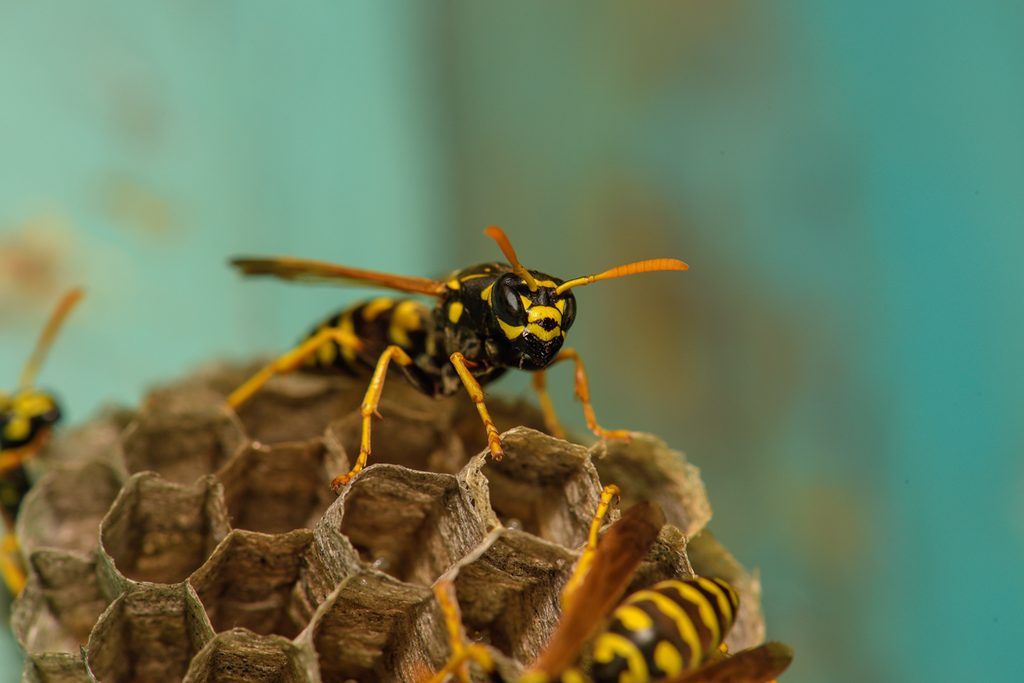
Paper Wasps
Before paper wasps can build a nest, they have to make the paper. Workers scrape fibers from wood and plant stems, chew the material into a pulp, and mix it with saliva. Once deposited and dried, the resulting material becomes a lightweight paperlike substance that the colony uses to construct its nest.
It’s not only an architectural feat, but quite a sight too: Rows of hexagonal cells form the brood comb, an umbrella-shaped open area where developing young are raised. But the shape isn’t just decorative — hexagons efficiently fill available space while forming a sturdy structure with relatively little building material.
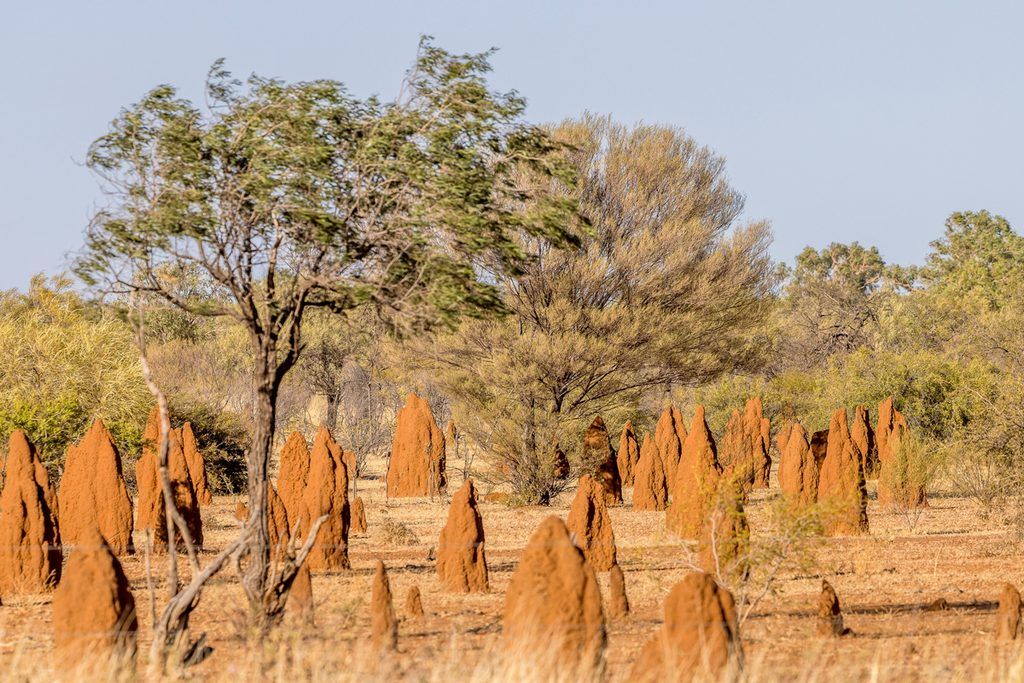
Magnetic Termites
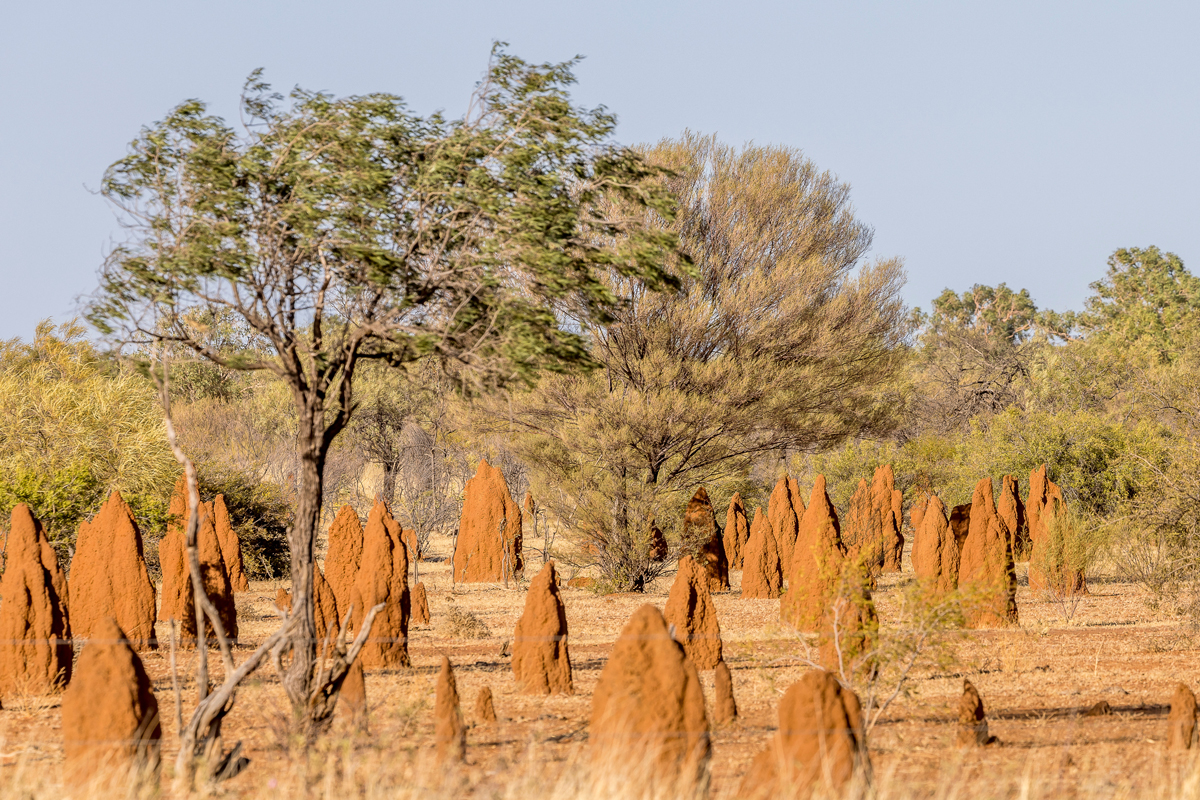
Across some parts of northern Australia, the landscape is dotted with tall, narrow slabs of earth that resemble miniature monuments. These are the mounds of magnetic termites, who can build structures more than 6 feet high.
The termites generally line up the broad faces of their mounds along a north-south axis, a position that helps regulate the internal temperature by controlling how much sunlight reaches the mound throughout the day. The termites first cut grass stalks and arrange them around the footprint of the mound before burrowing underground and moving sediment behind themselves as they go. The design, while surprisingly sculptural, is a practical way to survive the Australian heat.