6 Animals That Disguise Themselves as Plants

When you think of animal camouflage, your mind likely jumps to animals such as chameleons and their color-changing abilities, or Arctic foxes whose white coats blend into surrounding snow. But some of nature’s most convincing disguises belong to animals that do more than simply change color or hide in their surroundings — they fully masquerade as plants.
These disguises rely not only on color, but also shape, texture, pattern, and even movement, making them some of nature’s most impressive imposters. Here are six animals that can very convincingly disguise themselves as plants.
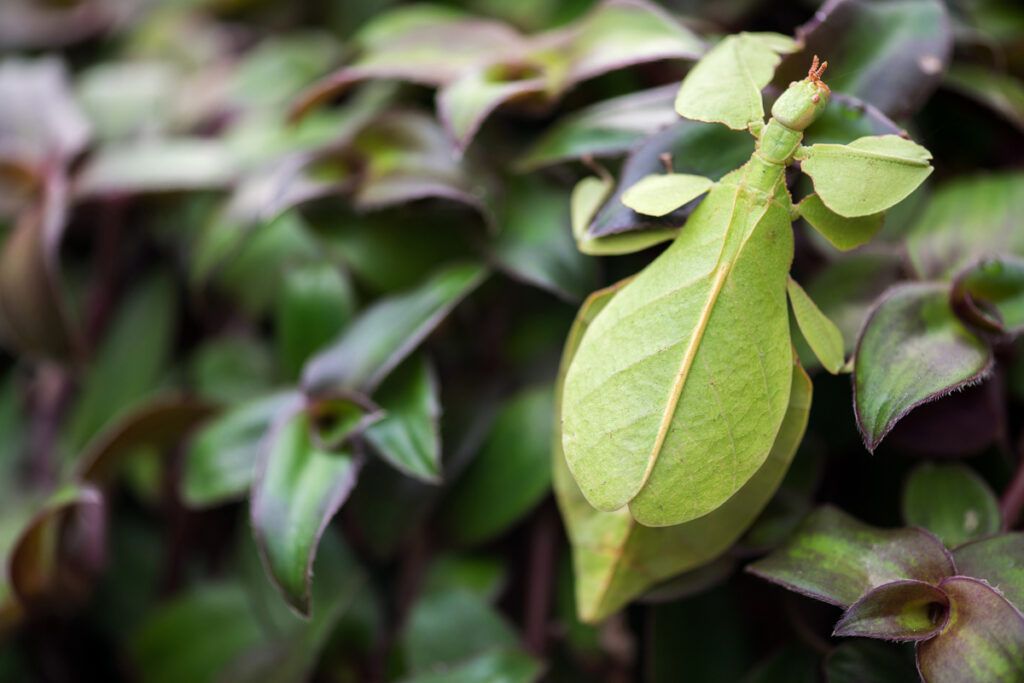
Leaf Insects
If there were awards given for camouflage, leaf insects would be strong contenders for the top prize. Native to tropical forests across Southeast Asia and Australia, these masters of mimicry don’t simply have green bodies — they resemble full leaves. Their broad, flat bodies are crossed with veinlike markings, while their irregular edges look just like the imperfections on leaves that have been nibbled at by insects.
Their behavior reinforces the illusion, too: When the wind blows or when they walk, leaf insects rock slightly side to side, emulating foliage swaying ever so gently in the breeze. To predators that rely mainly on visuals when hunting, it’s often enough to convince them they’re looking at just another leaf.
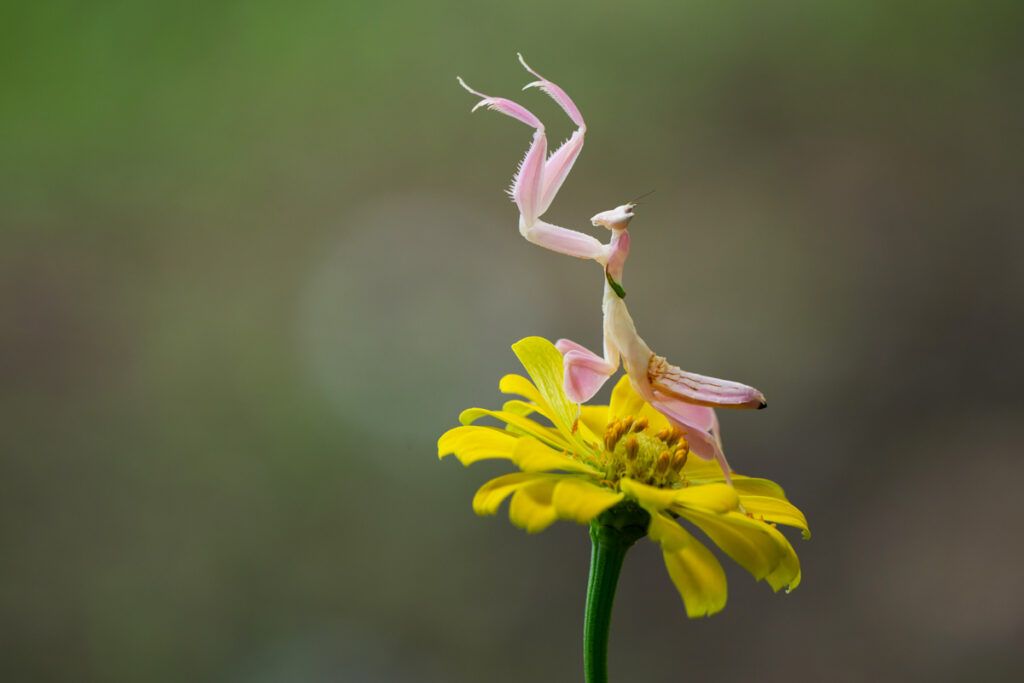
Orchid Mantises
Unlike many species who camouflage to hide from predators, the orchid mantis primarily uses its disguise to lure prey. Found in Southeast Asia, this striking insect has petal-shaped legs and typically white or pink coloration that resembles tropical flowers. As unsuspecting pollinators such as bees and butterflies approach what appears to be a harmless flower, the mantis waits motionless before striking with its powerful front legs.
The orchid mantis can also continue to alter its appearance, gradually shifting colors over days or weeks as they grow, allowing them to better match the flowers and foliage of their surroundings. The transformation may be slow, but it affords them an advantage when competing for food.
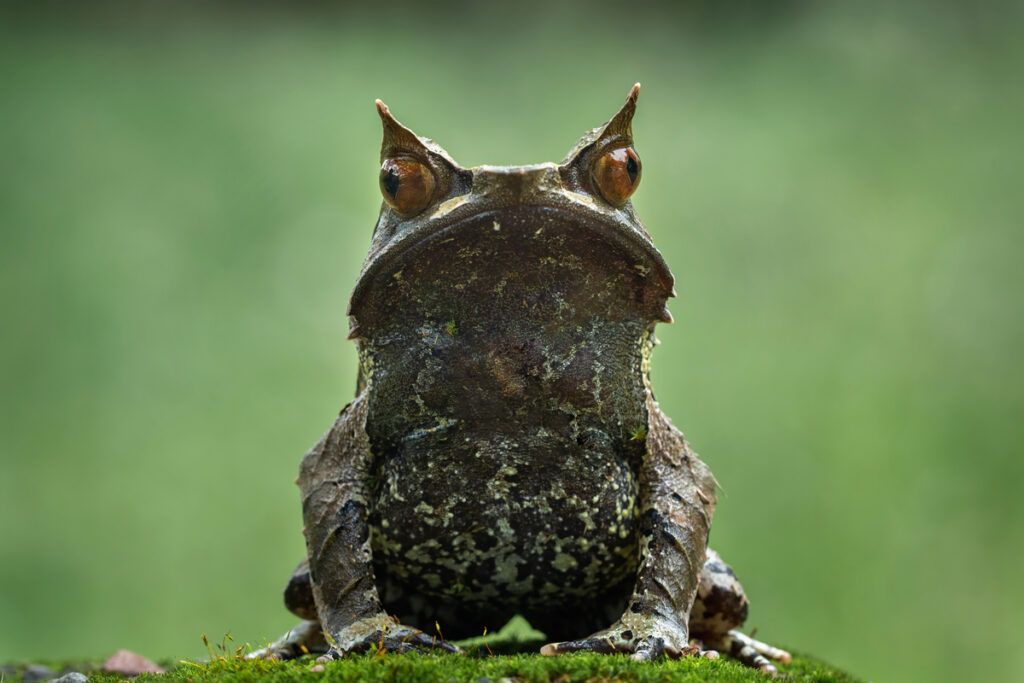
Malayan Leaf Frogs
At first glance, a Malayan leaf frog (also known as a long-nosed horned frog) looks less like an amphibian than it does a leaf that has fallen to the forest floor. Its brown, speckled coloring looks nearly identical to dead vegetation, while the pointed projections above its eyes and its elongated snout resemble the tips of curled leaves.
Native to Southeast Asia, these frogs spend much of the day motionless among leaf litter, where they’re easily overlooked by predators such as snakes and birds. But the disguise isn’t just defensive: Being nearly undetectable also allows them to ambush their own prey, which includes unsuspecting insects and other small invertebrates that unknowingly wander within striking distance.
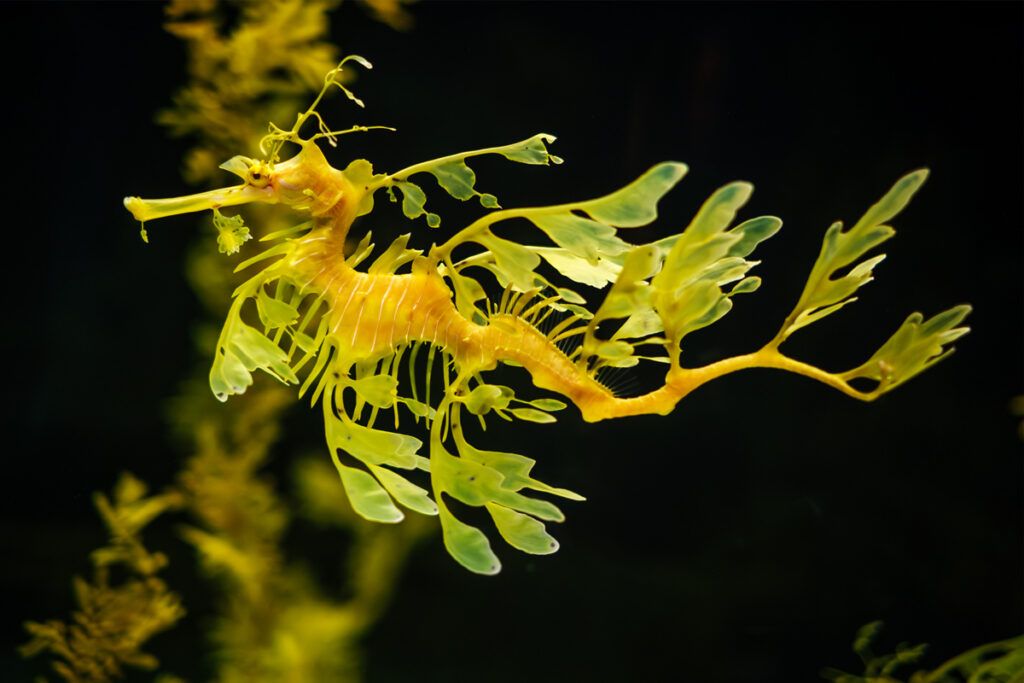
Leafy Seadragons
Found along Australia’s southern coastline, leafy seadragons seem to disappear into the abundant underwater forests of kelp and seaweed. These close relatives of seahorses are decked out in elaborate leaflike appendages that protrude from their heads, bodies, and tails and are almost impossible for predators to tell apart from the marine plants around them.
Despite their many limbs, these appendages don’t actually help the seadragons swim. Instead, they propel themselves with nearly transparent fins while gently swaying with the ocean currents, trying their best to look just like another piece of drifting seaweed.
Satanic Leaf-Tailed Geckos
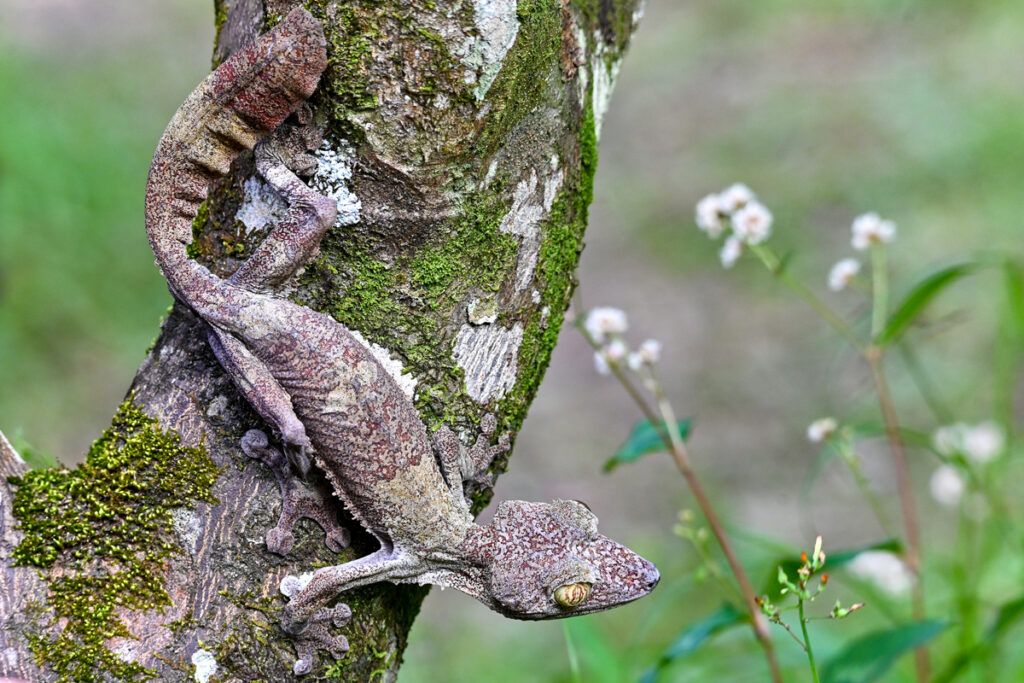
This tiny reptile from Madagascar has evolved one of nature’s most convincing disguises, looking less like a gecko than a dead leaf with eyes. Its flattened body and broad tail mimic dried-up foliage, while its skin patterns resemble leaf veins, discoloration, and even the rough marks left behind by hungry insects.
To make their disguise even more effective, satanic leaf-tailed geckos also often have notched tails, as if the “leaf” is weathered and partially decomposed. Small pointed scales above the eyes add to their unusual appearance — and, of course, are the inspiration behind their playful moniker. During the day, this nocturnal critter stays motionless among foliage, and at night, it emerges to hunt insects.
Orange Oakleaf Butterflies
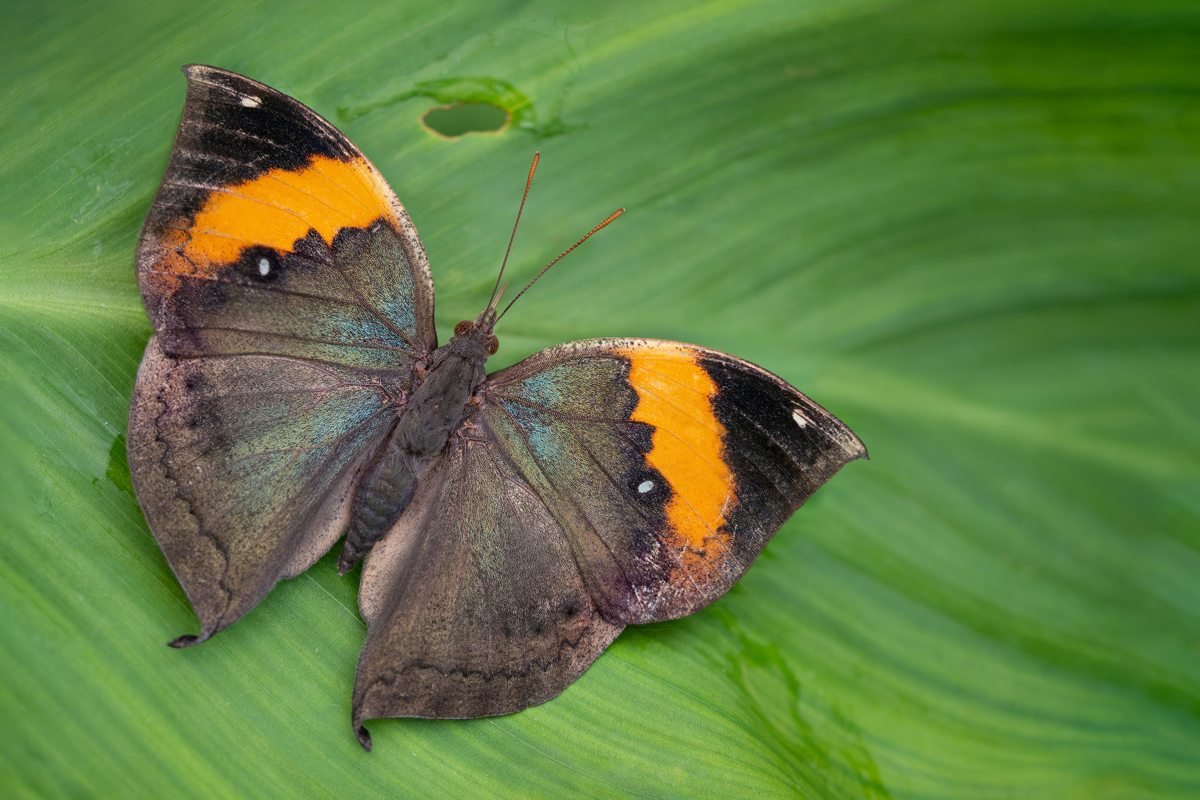
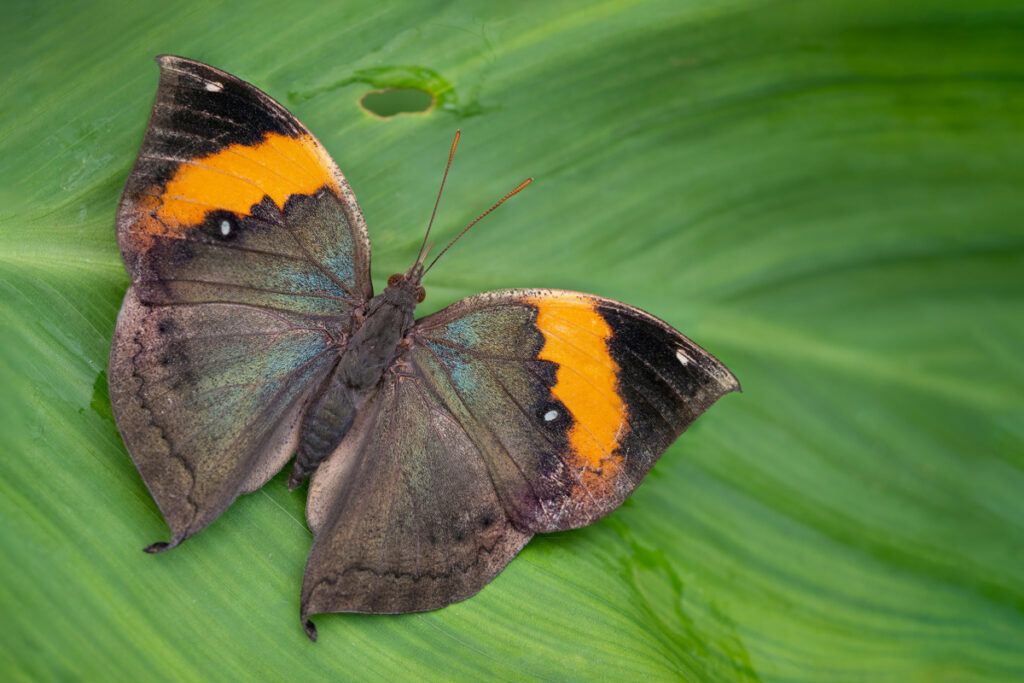
The orange oakleaf butterfly is another true master of disguise. When settled with its wings folded, you would never even know it was there, looking less like an animal and more like a dried leaf. The underside of its wings are remarkably detailed, complete with a central vein, branching leaf veins, patchy brown coloring, and what appears to be a tiny leaf stem. There’s a reason it’s also known as the dead leaf butterfly.
But the optical illusion is shattered the instant it takes flight in the tropical forests of South and Southeast Asia. With its wings open, it displays dazzling shades of blue, orange, and black — quite a contrast to the drab disguise hidden underneath.