5 Animals That Spend Their Lives Upside Down

If you’ve ever hung upside down for any amount of time, you’re probably familiar with the uncomfortable feelings that arise while you’re looking at the world from that point of view. Maybe you’ve wondered how long you can hang before you slip, or you’ve felt the increasing pressure from the blood rushing to your head.
If so, it may be hard to imagine that some animals spend almost all their lives in that position thanks to some fascinating anatomical adaptations. So why is it that some creatures can not only withstand hanging upside down for extended periods of time — they seem to prefer it?
Bats
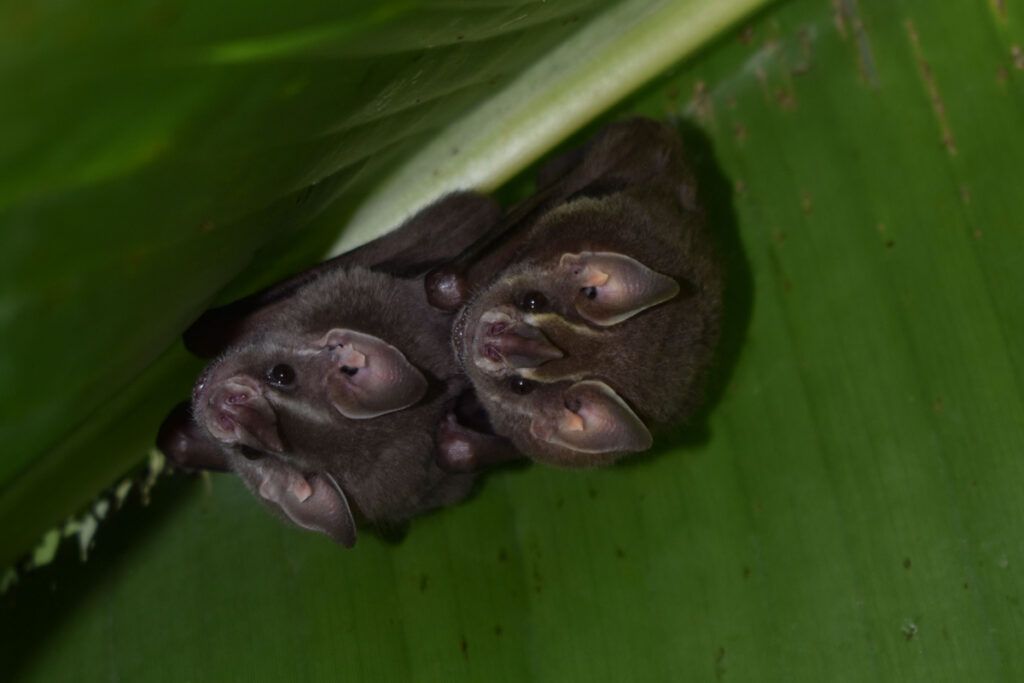
These may be the first animals that come to mind when you think about upside-down dwellers, and for good reason. Bats live and sleep upside down to make it easier for them to take flight in the face of danger or to snap up a quick-moving meal.
Unlike birds, bats don’t have hollow bones, so they need to lighten the load for easier takeoff in other ways, and hanging upside down is one such way. Whenever they need to take flight, they can just drop. Perhaps the best part about their ability to invert is it doesn’t cost them any energy: When bats hang, their body weight forces a locking leg tendon to automatically activate their toes to grip a surface, similar to tightening a knot.
Birds
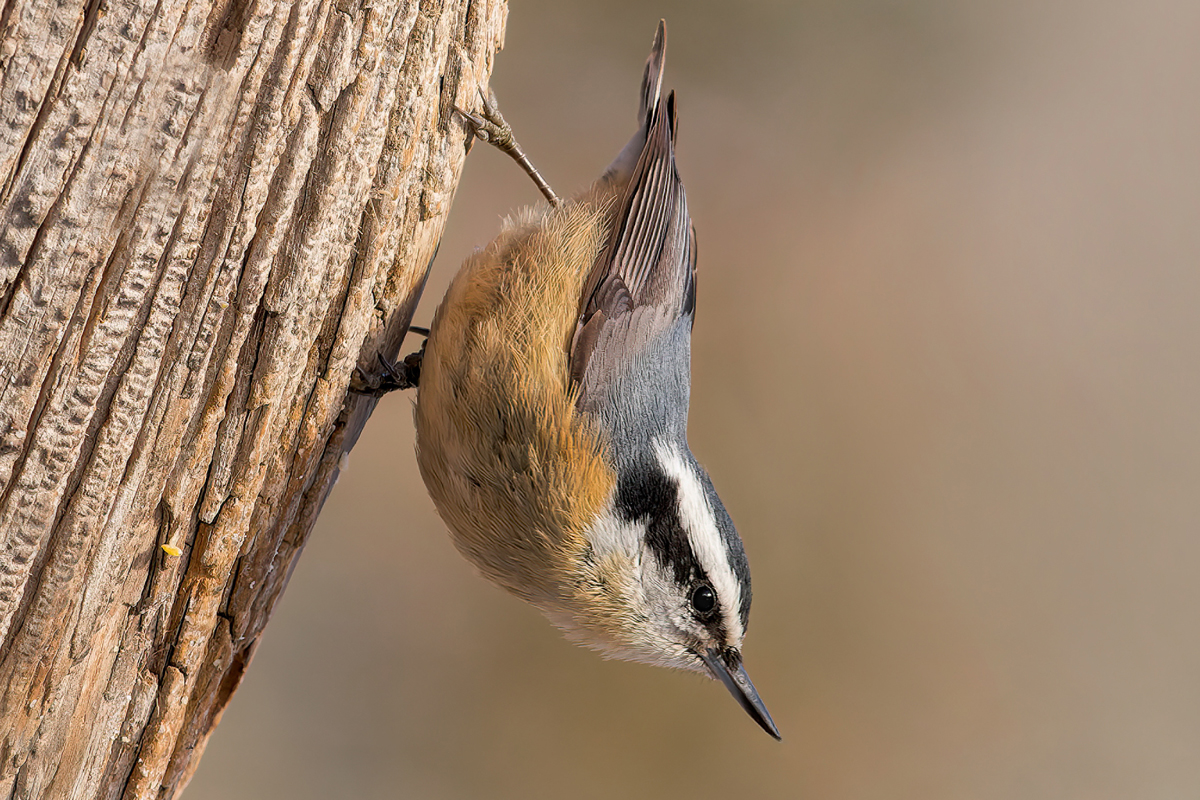
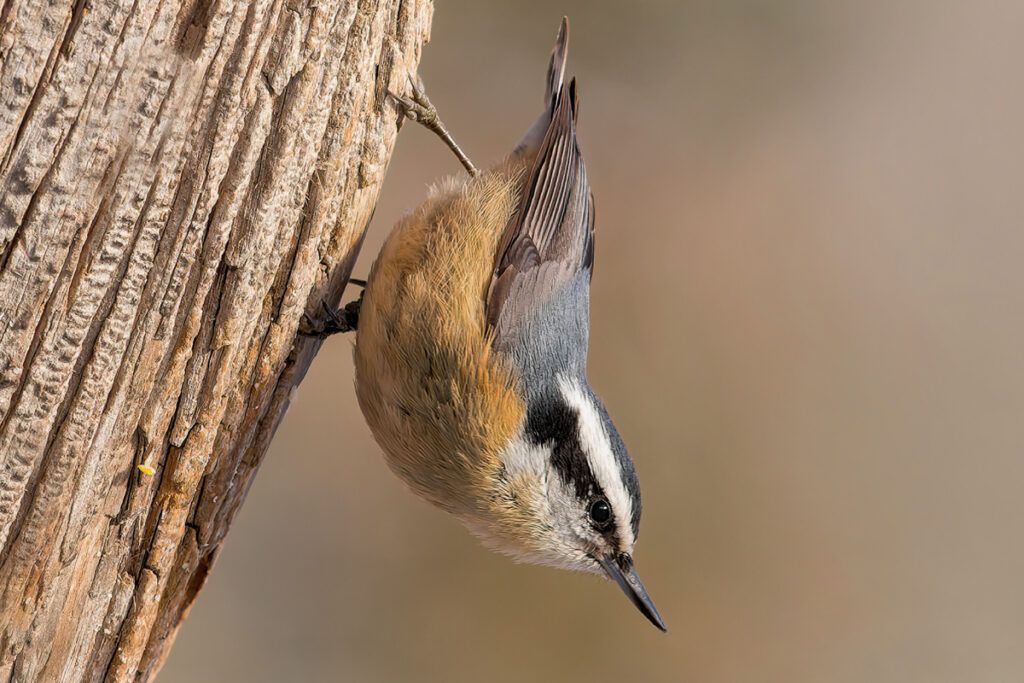
Speaking of birds, some of these avian creatures frequently hang or perch upside down as well. White-breasted and red-breasted nuthatches are small birds that spend a lot of time facing downward. You can even see them assuming this position when they run headlong down trees, which they’re able to do well thanks to their strong legs and relatively large feet.
Black-and-white warblers, commonly known as upside-down warblers, also face downward to maneuver up and down trees, while tits, chickadees, and goldfinches hang upside down to reach seeds, and hanging parrots and hummingbirds sometimes assume this position for sleeping.
Spider Monkeys
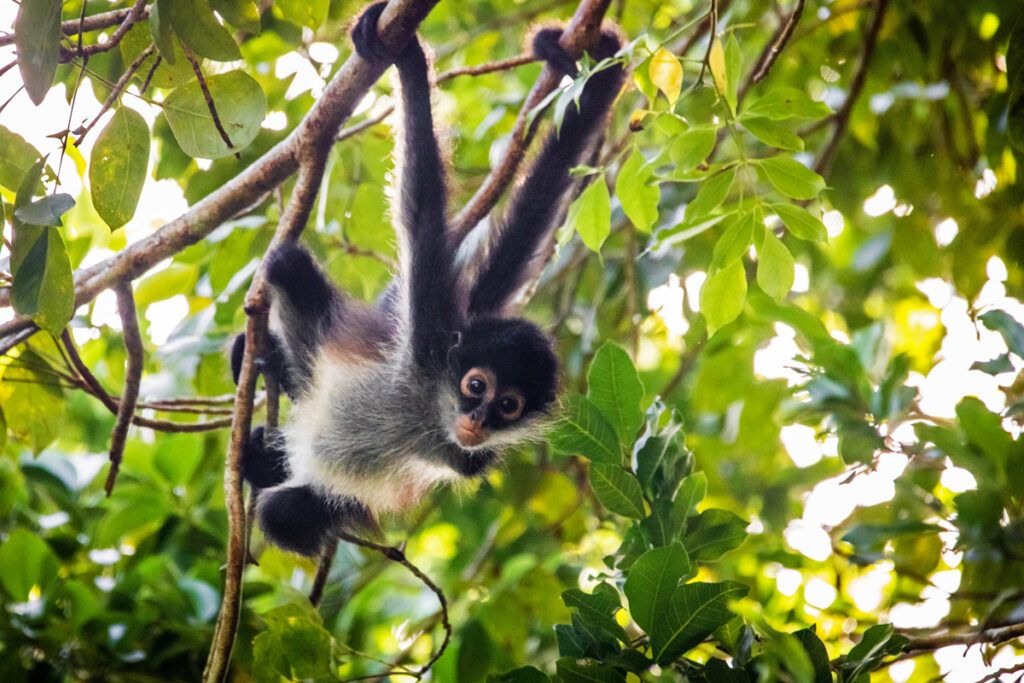
One animal that relies on its tail to maneuver upside down is the spider monkey. In fact, their tails have evolved to allow them to suspend and swing though forest canopies with ease and are a crucial part of their survival. A spider monkey’s tail is strong and sturdy enough to support the monkey’s weight on its own.
Not only that, but the tail actually features a hairless pad right on the underside of its tip that allows it to grip branches tightly and prevent slipping, which is very helpful for a climber with no thumbs. Spider monkeys use their long, prehensile tails as if they were a fifth limb, allowing them a swift escape from intruders, including jaguars and boa constrictors, and the ability to reach their favorite foods, such as bananas, honey, and nuts.
Sloths
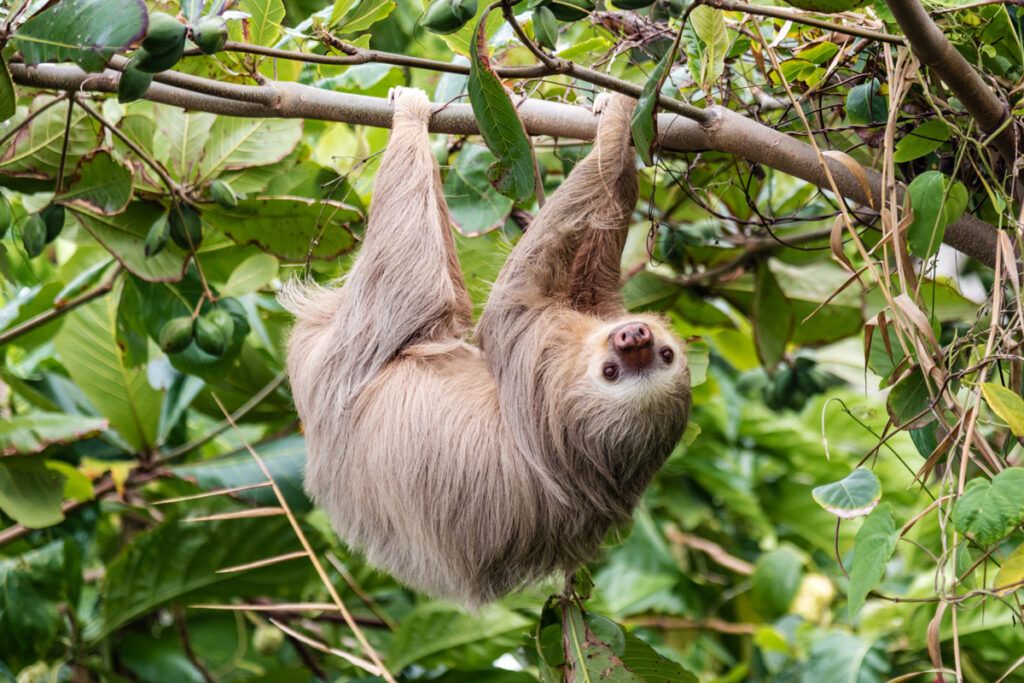
Similar to bats, sloths also exert zero energy to hang upside down, and in fact, living that way actually saves them up to 13% in energy expenditure. Two-fingered sloths hang upside down for up to 90% of the day; they eat, sleep, and live this way, and really only turn upright to climb down from their trees, relieve themselves on the ground, and climb back up again.
A sloth’s natural hand position is clenched, so it automatically locks onto branches with no effort. Their circulatory systems prevent blood from rushing to their heads while upside down, and research has also shown that heavy organs in a sloth’s abdomen use fibrous adhesions to rest against the bottom of the ribcage, which prevents the organs from sliding down and crushing their lungs.
Spiders
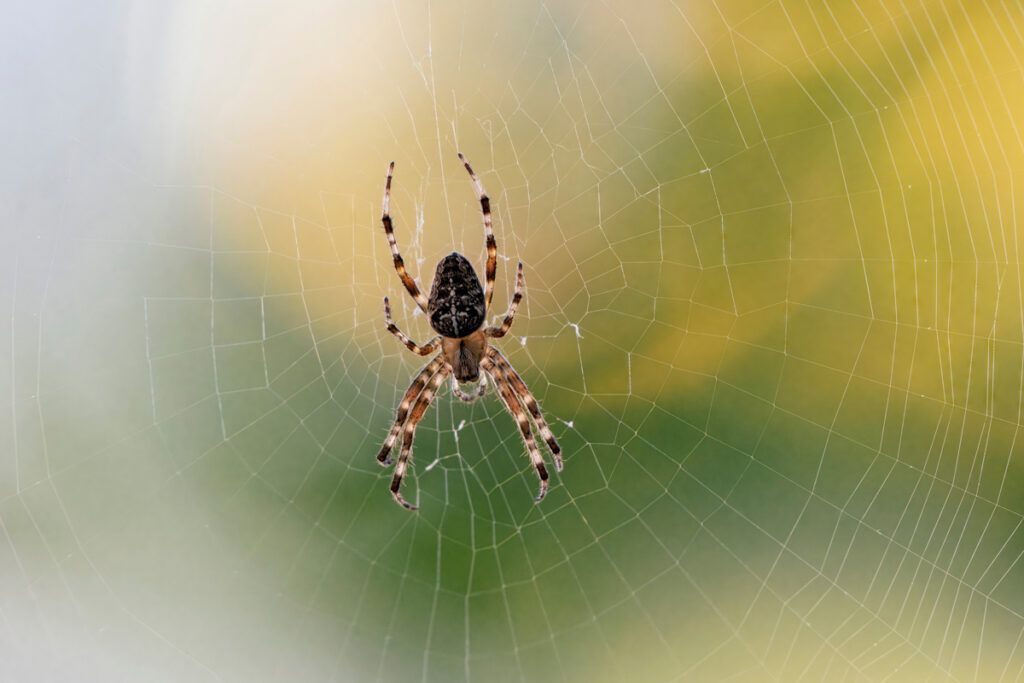
Not all spiders live upside down: Wolf spiders and tarantulas, for example, stand firmly on all eight legs to walk and hunt. Orb weavers and daddy long-legs, however, do hang upside down for efficiency.
Rather than climb forward to catch prey, they let gravity do most of the work, pulling them downward while still allowing them to keep their eyes on the prize. This same tactic is used to escape predators, such as other spiders and birds, and it’s also how they construct their webs.