5 Animals That Disguise Themselves as Other Creatures

It’s said that imitation is the sincerest form of flattery, but when animals mimic other animals, it’s not to get on their good side. Rather, they do it for survival.
There are four classes of copycat behavior: Batesian mimicry is when a nonvenomous animal mimics a poisonous one, Müllerian is when two toxic species evolve to mimic each other so predators learn to avoid both of them, automimicry is when an animal changes one part of its body to look like another, and aggressive mimicry happens when a predator masquerades as prey. You can find creatures from the seafloor to the treetops engaging in these behaviors, and these five animals are some of the best.
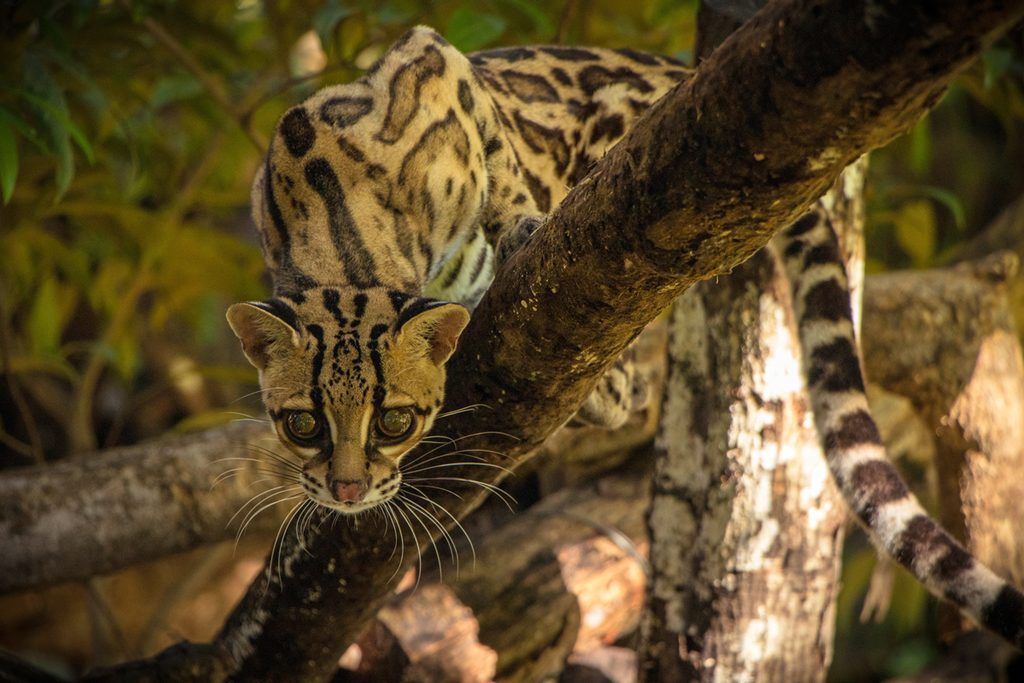
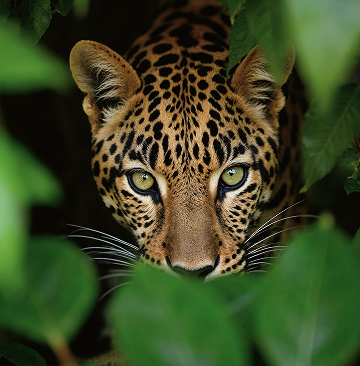
Margays
Objectively cute, these wildcats —also known as tree ocelots — don’t just win people over with their looks; margays trick monkeys into thinking the latter’s babies are in danger. Using high-pitched cries, these tree-dwelling tricksters imitate the distressed calls of a baby tamarind monkey. This sends adult monkeys in search of their little ones, only to be met with a hungry feline engaging in a particularly cruel case of aggressive mimicry.
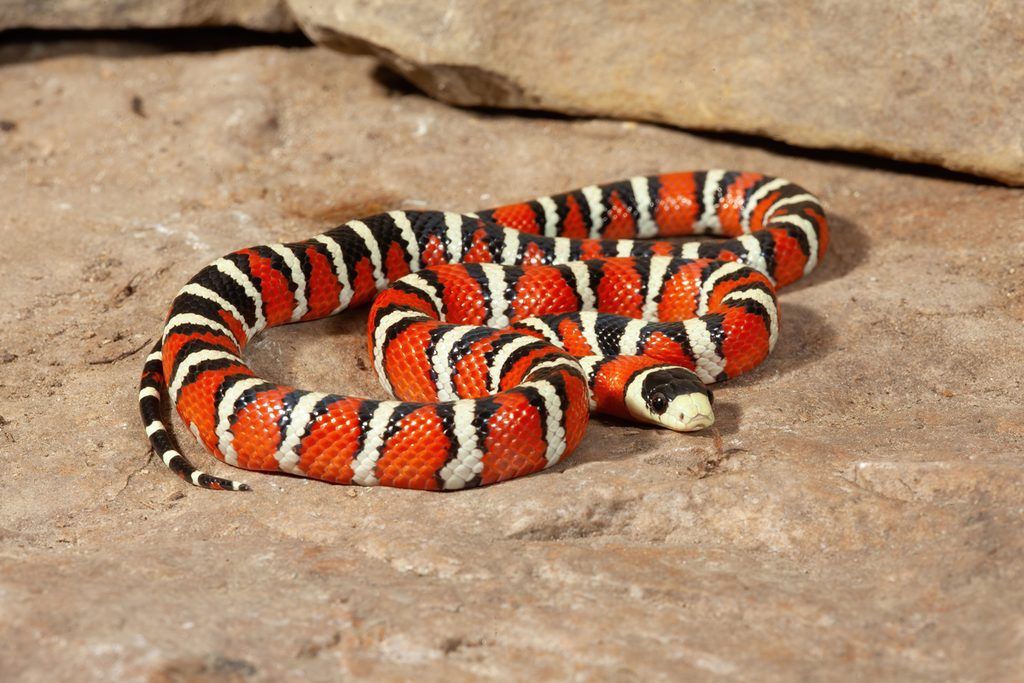
Arizona Mountain Kingsnakes
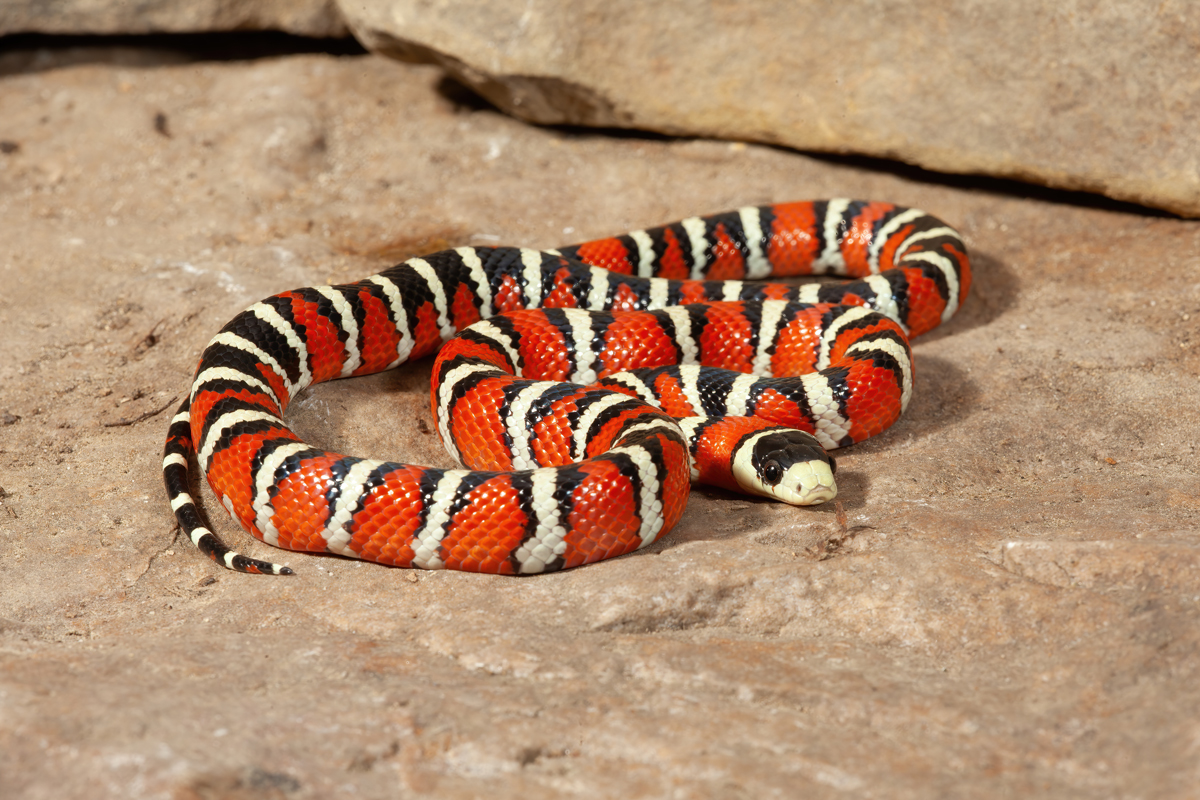
The Arizona mountain kingsnake is a harmless creature, but you may not know it just by looking at one. That’s because Batesian mimicry helps them look like a venomous Arizona coral snake. Although they sound similar and look alike, there are some key differences that could keep you safe if you spot one in the wild.
Both snakes have a black/white/red color pattern, but the order is important. Check out where the black band falls: If it separates the red and white rings, it’s a nontoxic kingsnake, but if the red and white rings touch, it’s best to keep your distance.
Mimic Octopuses
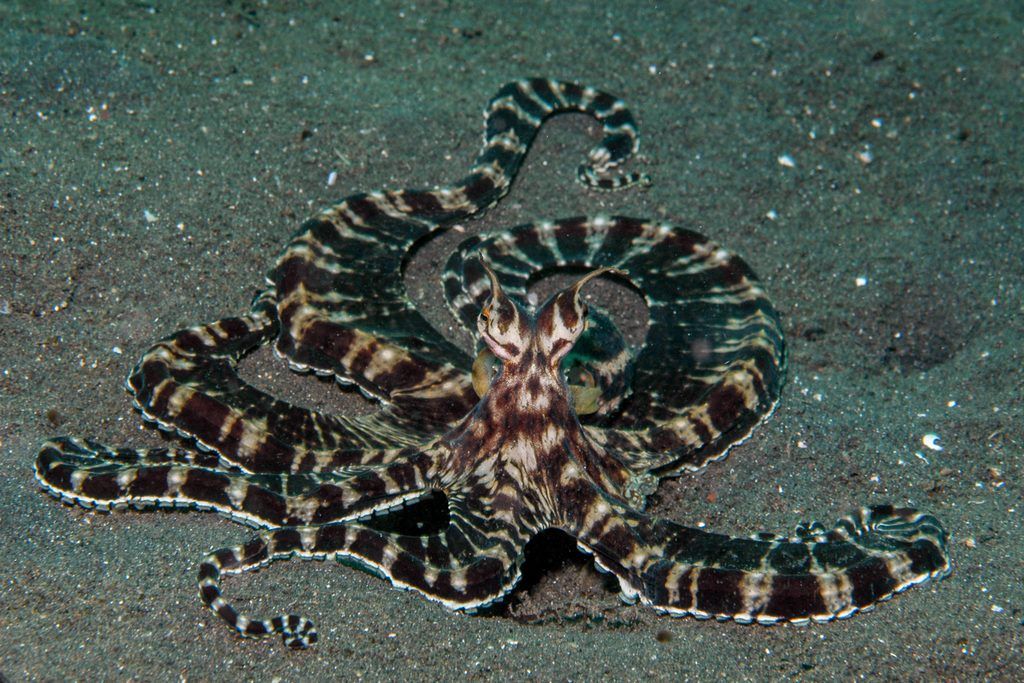
This animal mimics so well and so often that the word is right in its name. Mimic octopuses disguise themselves as a number of sea creatures, from lionfish and crabs to jellyfish and more. Because these creative cephalopods lack any real defensive skills of their own, they’ve evolved to find safety in those disguises.
These skillful impressionists essentially hide from predators in plain sight by adopting the traits of deadly poisonous creatures, and they can customize their costumes based on the predator they’re facing. For example, if faced with a snake-fearing damselfish, the mimic octopus buries its body save for two arms, which it waves to resemble a banded sea snake. And other animals have taken note of these tactics: Black-marble jawfish have learned to mimic the mimic octopus by swimming close to its tentacles, which bear a resemblance to their own banded bodies.
Viceroy Butterflies
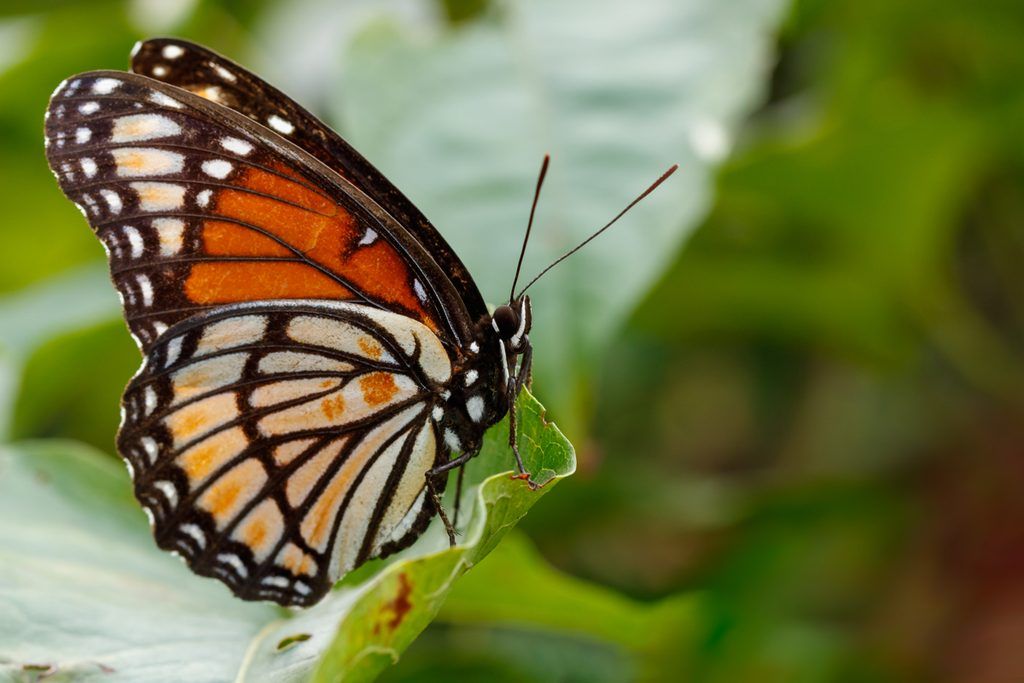
When it comes to survival, two is often better than one, and that’s exactly the logic behind the viceroy butterfly’s Müllerian mimicry tactic. Viceroys are toxic thanks to the salicylic acid they get from pollen in the plants they consume.
Monarchs are also dangerous to eat due to poisons gleaned from their milkweed diet. Both of those venoms turn butterfly wings orange, which is a red (well, orange) flag for predators such as spiders and birds.
Although it’s technically the viceroy that mimics the monarch, both benefit from the mimicry because it reinforces to predators to stay far away from any butterflies that appear to be either species. So most animals just avoid both altogether, but you can identify a viceroy butterfly by the horizontal band on their bottom wings, which monarchs don’t have.
Alligator Snapping Turtle
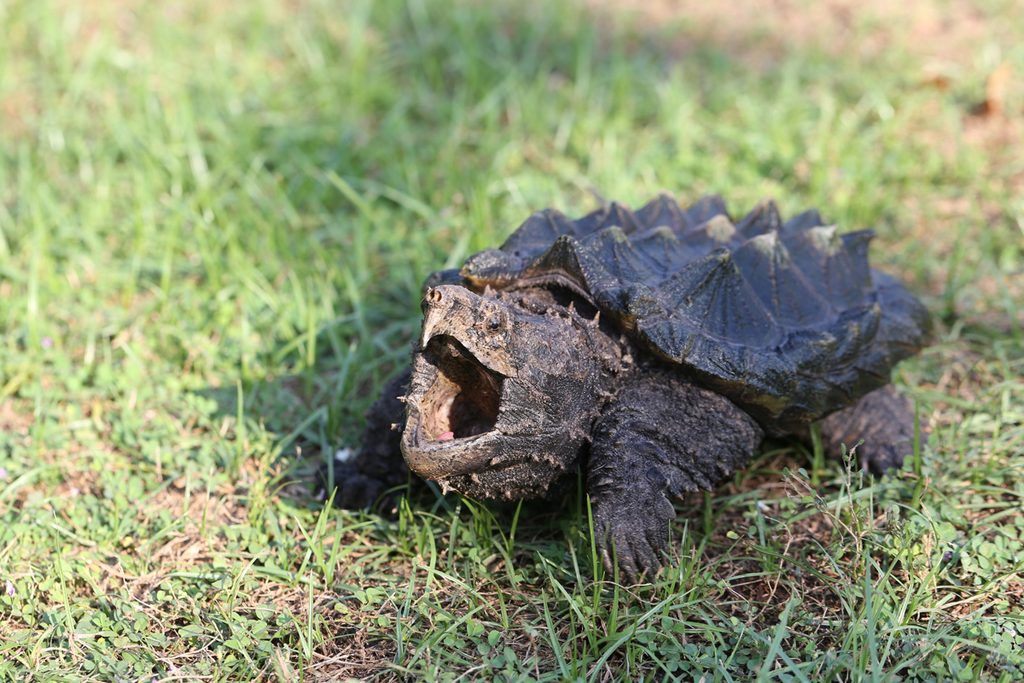
These turtles’ shells may have ridges like an alligator, but that’s not the most mimic-y thing about them; it’s their tongues that earned them a spot on this list. Engaging in a practice called “lingual luring,” these turtles rest along riverbeds, prop open their mouths, and allow a tiny appendage on their tongues to perform an enticing dance. This resembles the wiggle of a helpless worm, attracting fish right into their trap of teeth, which snap shut to successfully secure an easy meal.