These Animals Can See Things Humans Can’t

Humans can recognize faces in an instant, read fine print, judge depth, and distinguish millions of colors — but our vision is still surprisingly limited, especially compared to some animals. Our eyes detect only a narrow band of the electromagnetic spectrum, known as visible light, leaving entire categories of visual information beyond our reach.
Across the animal kingdom, evolution has equipped different species with visual systems that reveal hidden signals we completely miss. Some animals can spot ultraviolet patterns, others detect polarized light, and some don’t rely on visible light at all. Their view of the world includes visual cues humans can’t detect, giving them remarkable advantages for finding food, avoiding predators, and communicating with one another.
Birds
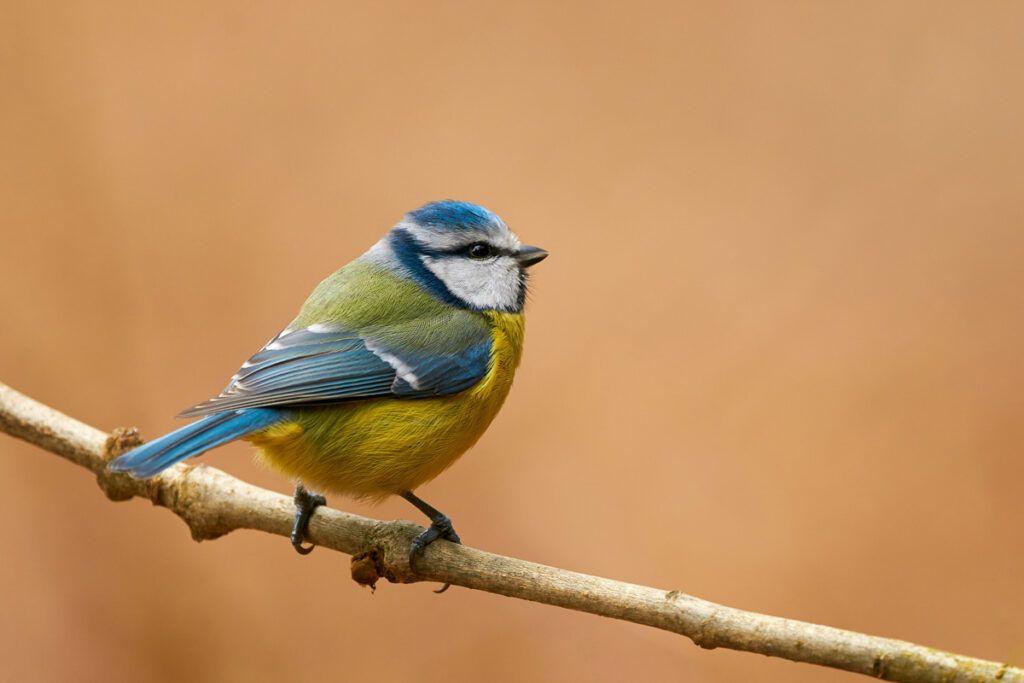
Many birds experience a world that’s literally more colorful than ours. While humans have three types of color-detecting cone cells, many birds have four, allowing them to see UV light in addition to the colors we can detect. That extra range helps them find food, recognize mates, and spot feather patterns that are invisible to people.
Some birds also pair this expansive color vision with extraordinarily sharp vision that’s up to eight times better than ours. That means certain birds of prey, such as eagles and hawks, can detect small movements from great distances, making it easier to locate prey while soaring across the sky. Together, these adaptations give birds access to visual information humans simply never see.
Bees
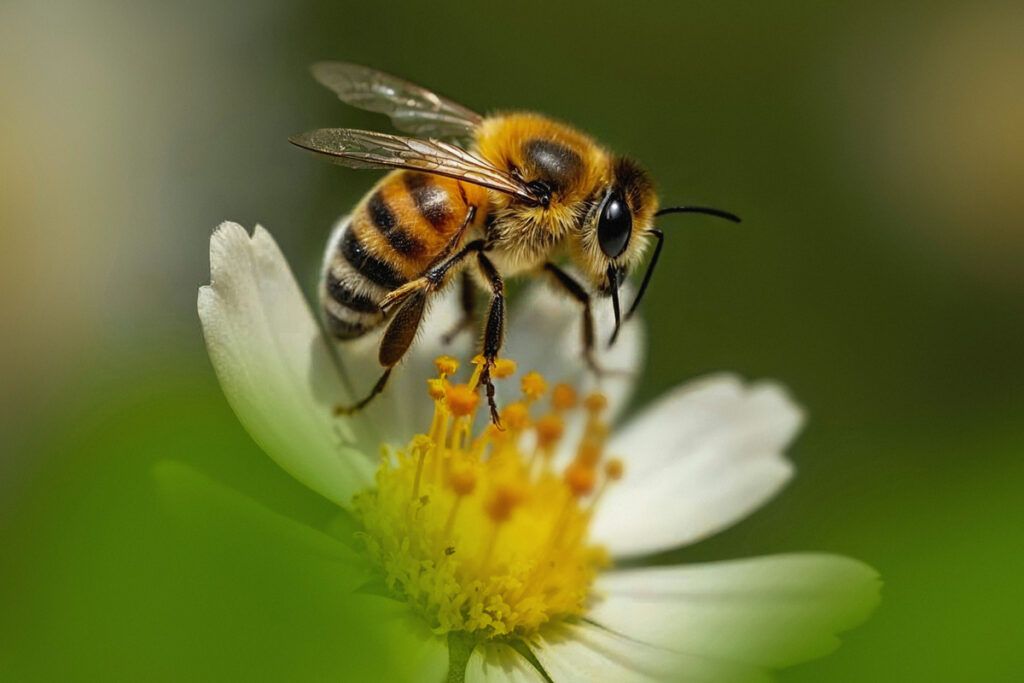
Bees experience color differently than we do. While both can see blue and green, bees also see ultraviolet light, which is invisible to us, but humans can see red wavelengths that bees cannot. As a result, flowers that appear more uniform or muted to us actually display UV patterns that only bees and other pollinators can see.
Reindeer
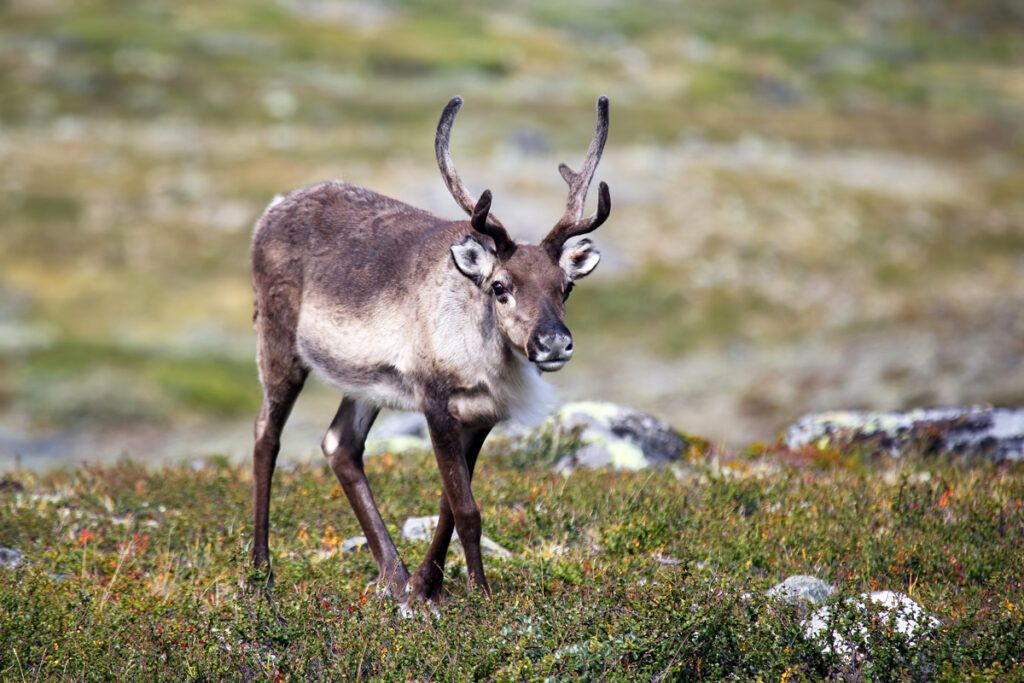
To us, the Arctic may look like an endless expanse of white, but a reindeer’s ability to detect UV light reveals contrasts that humans miss. Snow reflects large amounts of UV light, while other objects absorb or reflect differently. Those differences create contrasts that help reindeer distinguish between various features of the vast landscape that blend together to human eyes.
This ability can help reindeer spot important resources, including the lichen that make up much of their winter diet. It may also make predators such as wolves appear darker against bright, UV-reflective snow, giving reindeer another tool for surviving one of Earth’s harshest environments.
Mantis Shrimp
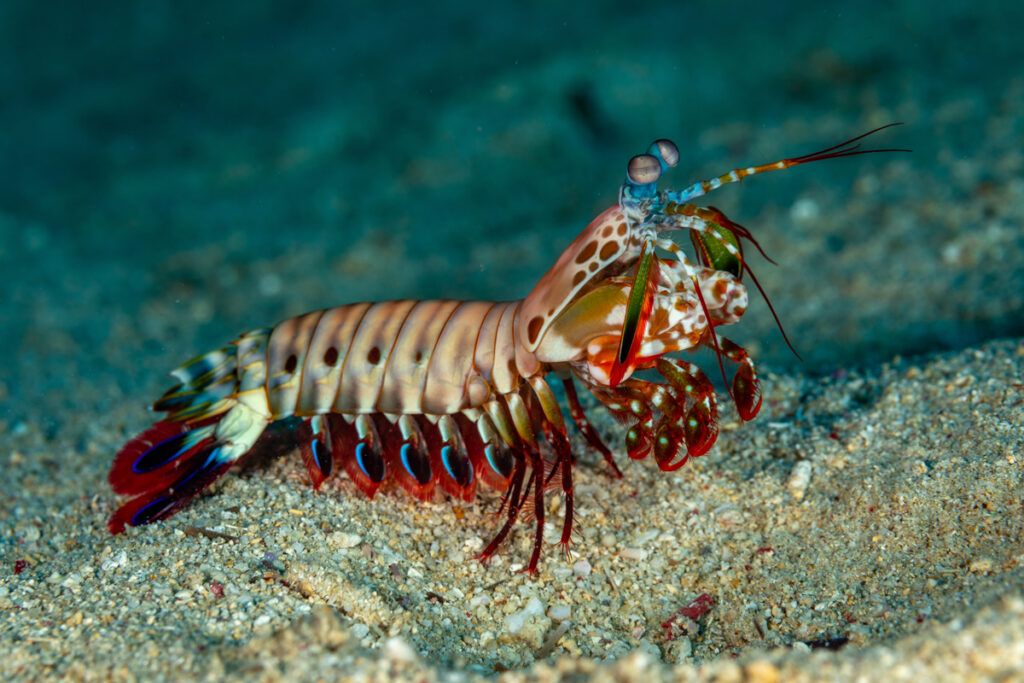
Despite having more photoreceptors than humans, mantis shrimp don’t necessarily see sharper images. Instead, their eyes are highly specialized for detecting information that can be difficult to see underwater, such as polarized light patterns that may help them spot prey, identify fellow mantis shrimp, and detect objects that may otherwise blend into their surroundings.
Snakes
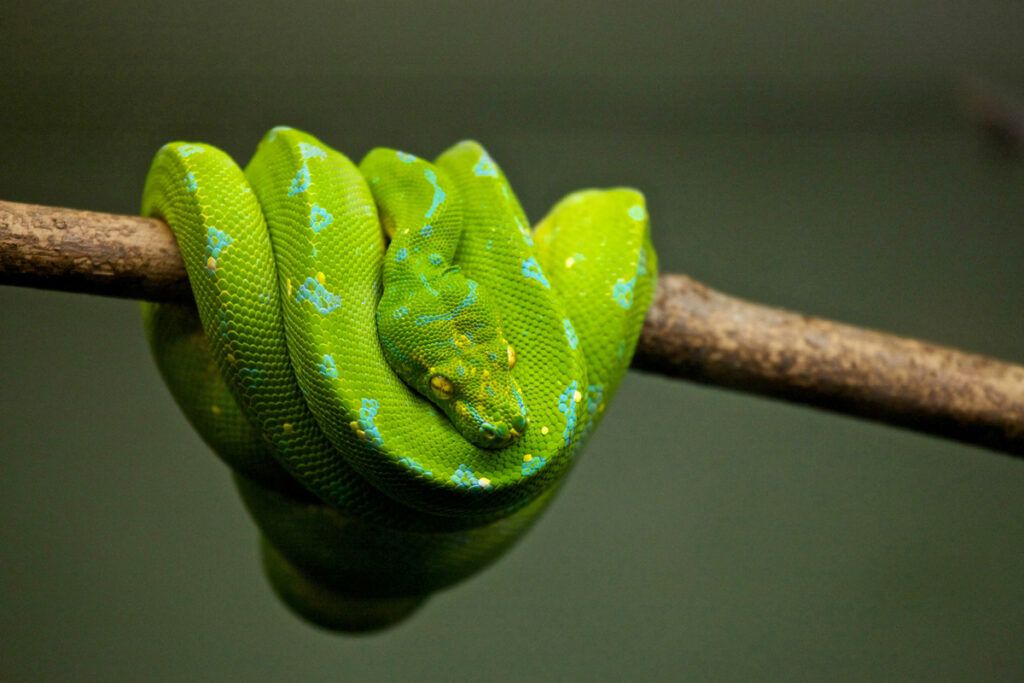
For pit vipers such as rattlesnakes, darkness doesn’t necessarily protect their next meal. These snakes have specialized heat-sensing organs between their eyes and nostrils that detect infrared radiation, aka the heat naturally emitted by warm objects. Rather than relying only on visible light, they can locate prey by its heat signature.
This adaptation is especially useful at night or in dense vegetation, where ordinary vision is less effective. By combining heat sensing with their eyesight and other senses, pit vipers can accurately suss out their prey’s location even when it’s difficult to see.
Cats
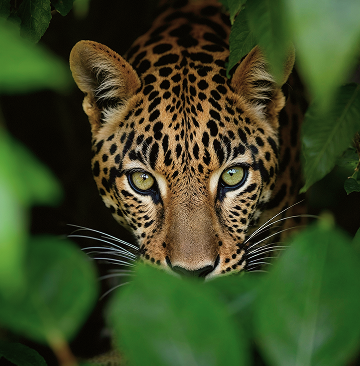
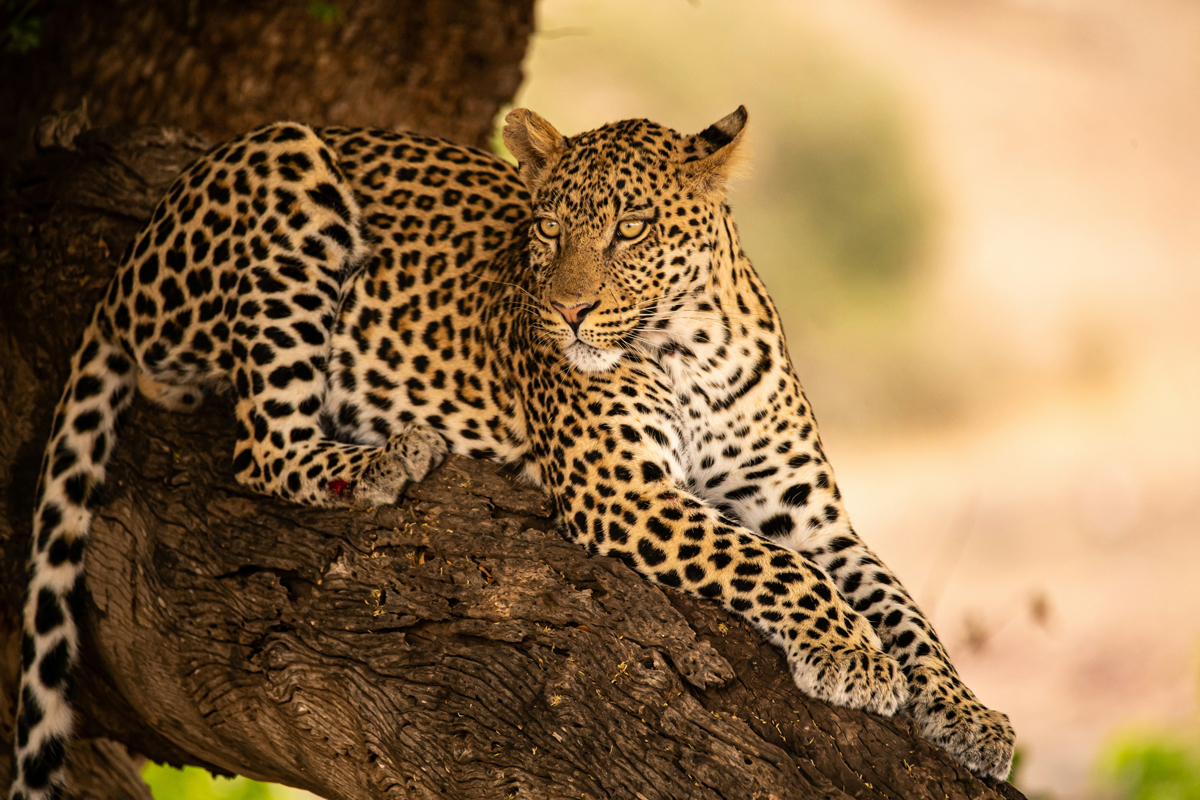
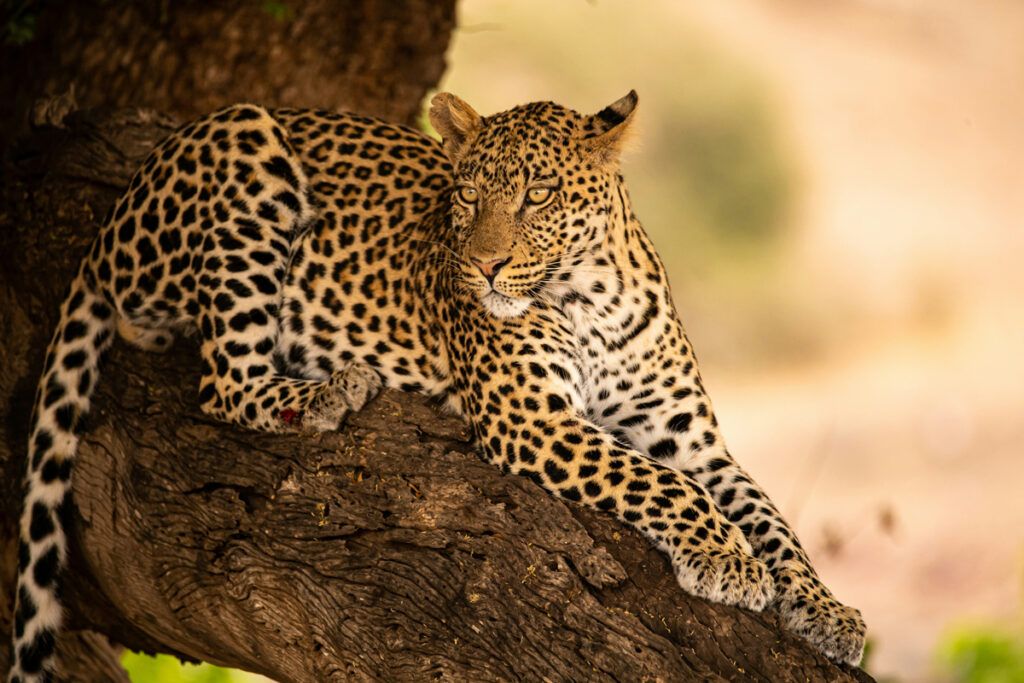
When daylight fades, cats — from house cats to lions, leopards, and other wild felines — gain a visual advantage over humans. Their large eyes, light-sensitive retinas, and reflective layer behind the retina called the tapetum lucidum help them make the most of dim light. The tapetum lucidum is also responsible for the familiar glow seen when light shines into a cat’s eyes at night.
Cats still can’t see in complete darkness, but they can detect movement and navigate in light levels that would leave most of us struggling to make out shapes. It’s an adaptation shared by the cat family that reflects their evolution as stealthy predators, many of which do much of their hunting at dawn, dusk, or during the night.