5 Animals That Survived the Dinosaur Extinction

We all know the story. A big asteroid made the Earth go BOOM! and all the dinosaurs died out. Well, not quite. Dinosaurs actually underwent two different extinctions, many years apart. The first was the Triassic-Jurassic extinction about 200 million years ago, which was caused by volcanic eruptions that heated the air, acidified the oceans, and lowered the level of oxygen to nearly half of what it is today. Approximately 70% to 76% of all marine and terrestrial species died, but the dinosaurs as a whole weren’t among them. They went on to experience a second extinction, the Cretaceous-Paleogene, or K-Pg, which occurred 66 million years ago, when the Chicxulub asteroid hit the Yucatán peninsula. This effectively set off volcanic activity and blocked the sun with soot and debris, leading to a two-year global winter that 80% of all animals on Earth couldn’t survive. Not everything perished, however.
Dinosaurs may have dominated the planet, but they weren’t the only creatures who called it home. Now that the vegetation-stomping, voracious eaters were no longer around to rule the world, the rest of them had their chance to shine, and some have even stuck around until today.
Frogs
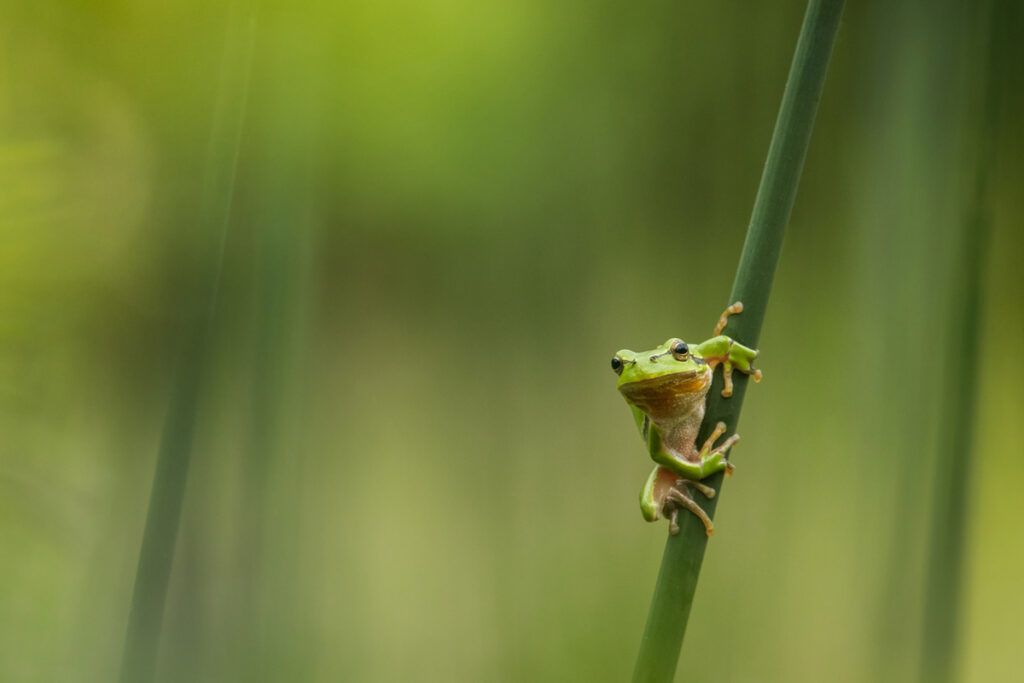
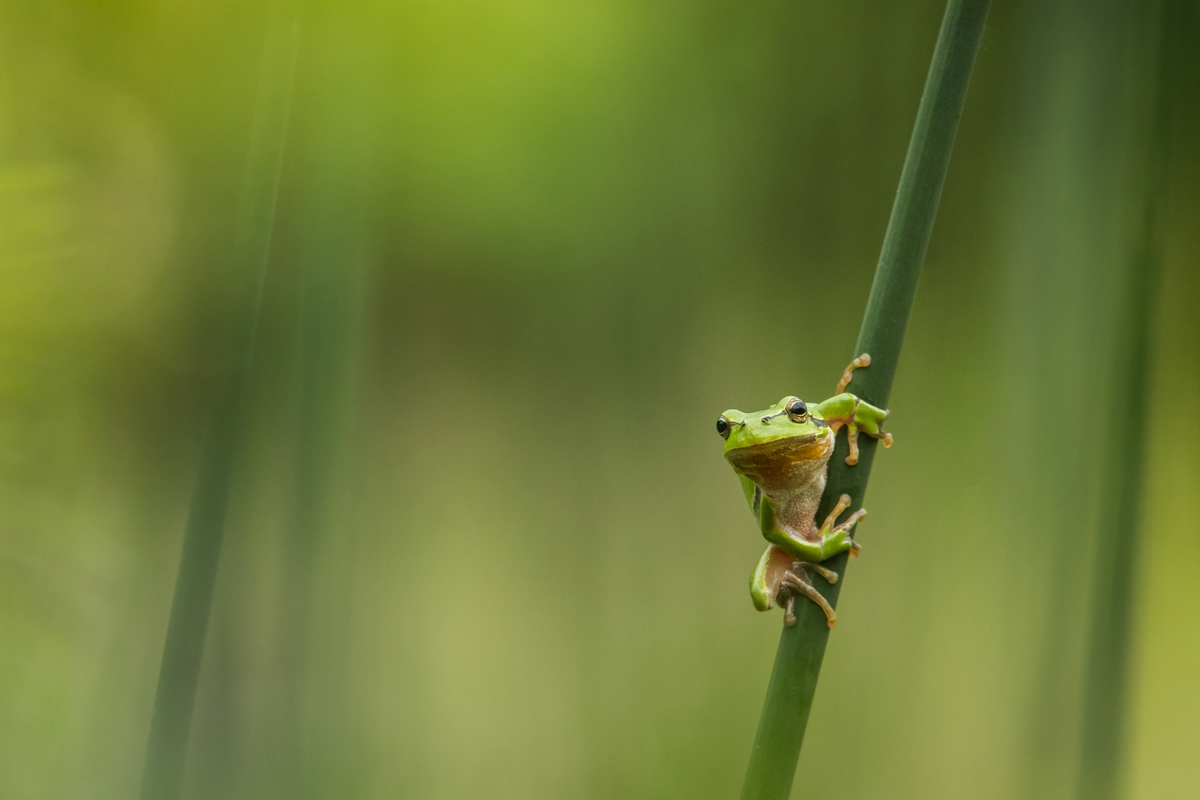
Out of over 8,000 frog species that exist today, most can be traced back to just three lineages from the time of the dinosaurs: Hyloidia in the Americas, Natatanura across Europe and Asia, and Mycrohyhylidae, which are widespread. These tenacious amphibians not only made it out of extinction by adapting to their new circumstances successfully, but thrived to the current day. Their biggest advantage was the rise of seed and fruit-bearing plants that weren’t widely available before the extinction, thanks to the weight of heavy herbivorous sauropods like Brontosaurus eating and trampling over leafy foliage. Now that the forest floor was no longer bare, seeds competed to sprout into taller trees, providing the perfect home for these webbed amphibians.
Turtles
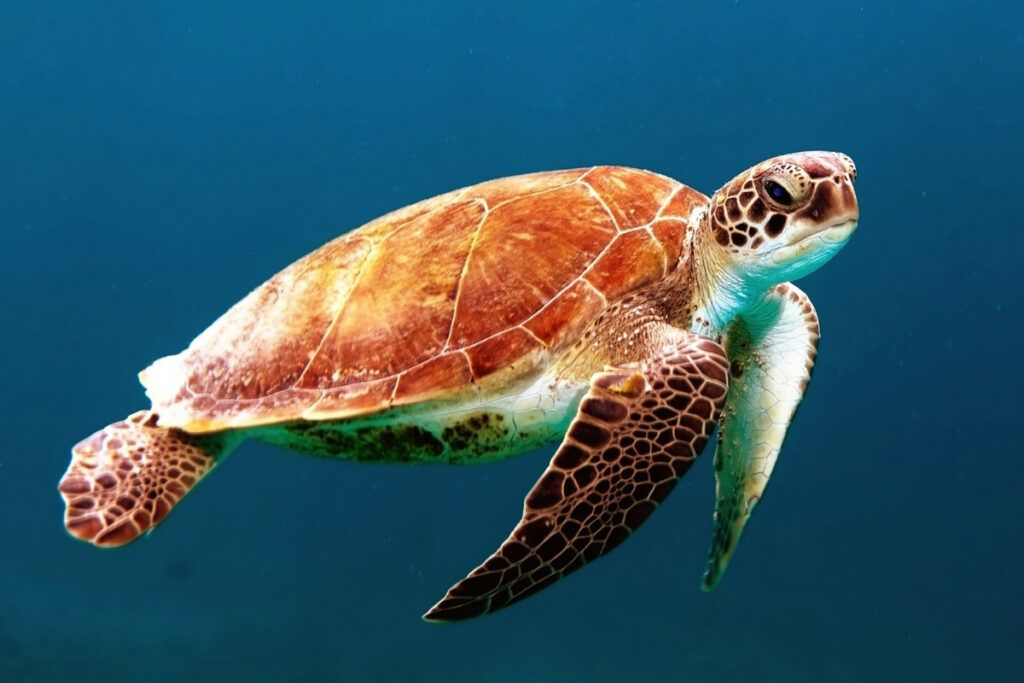
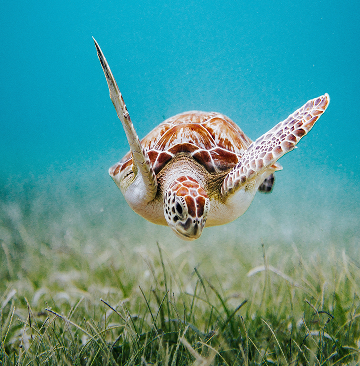
Almost 80% of all turtle species lived through the K-Pg extinction, making them one of the most successful survivors. These turtles were either aquatic dwellers, or burrowed into the soft land that surrounded small bodies of water, like lakes, to stay warm during the global winter. Cold-blooded animals that they are, turtles used these hideouts to regulate their internal body temperatures, and avoid acid rain and firestorms above ground. Their low metabolic rate allowed them to stay put and conserve what energy they did have without needing to consume much more, which was a literal lifesaver when most of the world’s food had vanished. When it was time to eat, they were able to consume the smaller organisms that also survived the asteroid impact thanks to their shell-cracking beaks, including gastropods like screw shells and slit snails.
Sharks
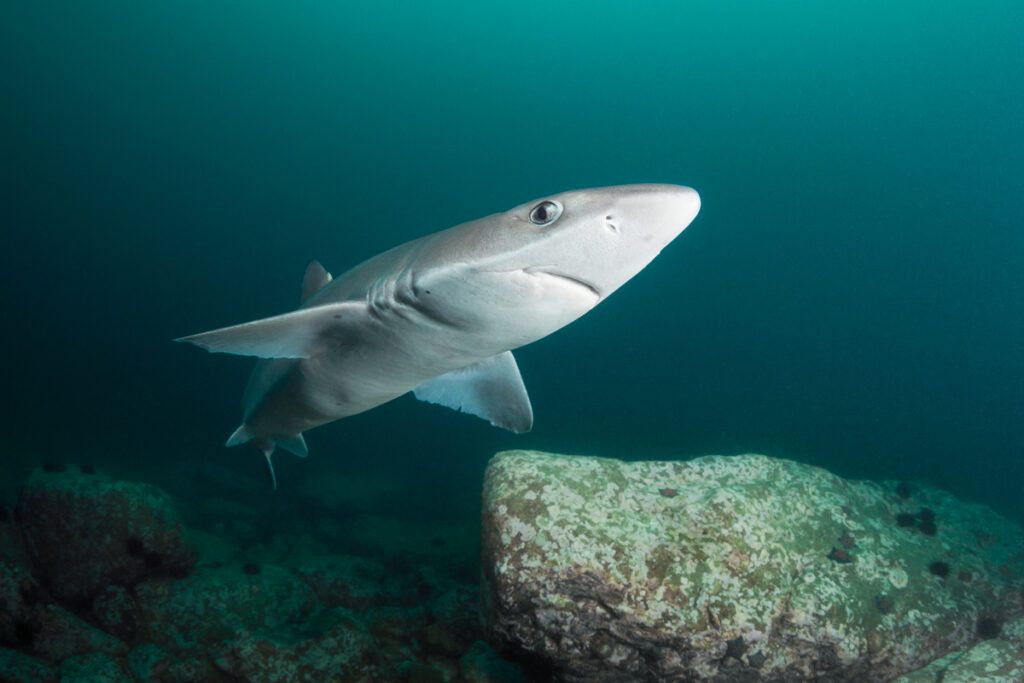
It wasn’t just the biospheres on land that were disrupted by the asteroid’s impact; the Earth’s oceans were also majorly disrupted. Tsunamis surged immediately after the crash, and the lack of sunlight that followed resulted in very slow photosynthesis, leading to a cataclysmic decline in algae and plankton which disrupted the food chain. That said, living in the deepest depths of the ocean came with a number of benefits, including surviving the apocalypse. Or five, for that matter. Sharks have been roaming the seas for the last 450 million years, and many species have survived four other extinctions before K-Pg. Smaller shark varieties, like houndskarks and dogfish sharks, fared much better than their larger counterparts, like Ginsu and crow sharks, thanks to their diet of smaller fish and marine life. Many dogfish species were already adapted to living in deep waters and eating foods that don’t require sunlight to produce, protecting them from the problems facing surface-level inhabitants.
Tree Shrews
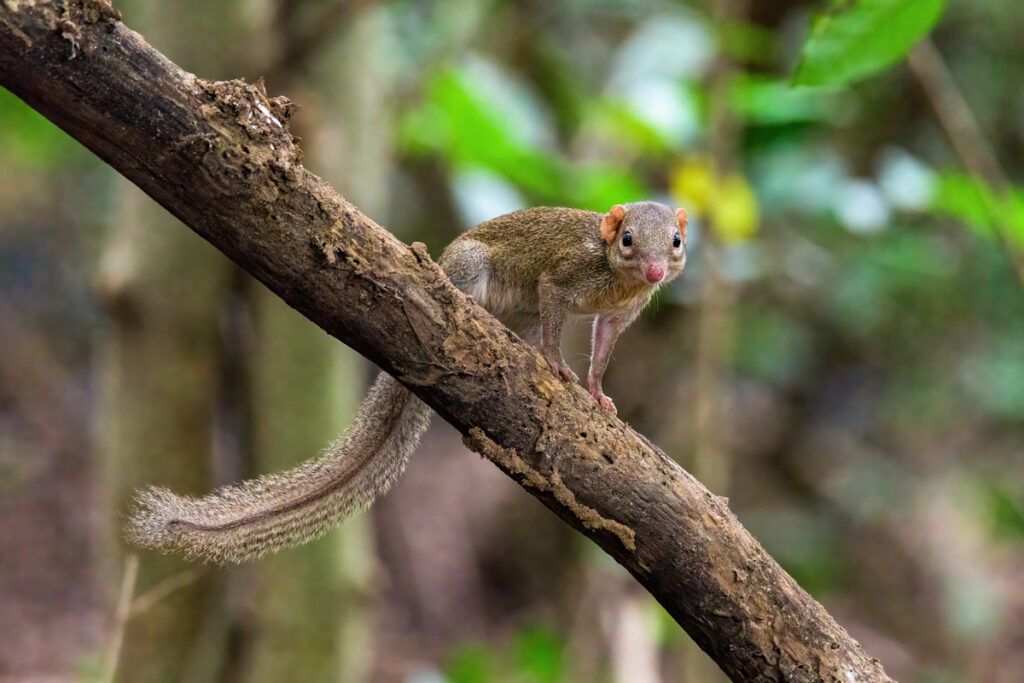
The tree shrews that we know today are not directly from the age of the dinosaurs, but their direct relatives are. Their small size, low caloric needs, and flexible dietary preferences, Purgatorius, a relative of the modern-day tree shrew, were perfectly poised to survive where others fell. These mammals ate insects and dead matter, which was plentiful when nearly every animal in the world was dying and left to decompose. Expert burrowers, they could live in soft dirt or sharp rock, depending on what was available, allowing them to stay hidden, regulate their temperatures, and reproduce safely.
Birds
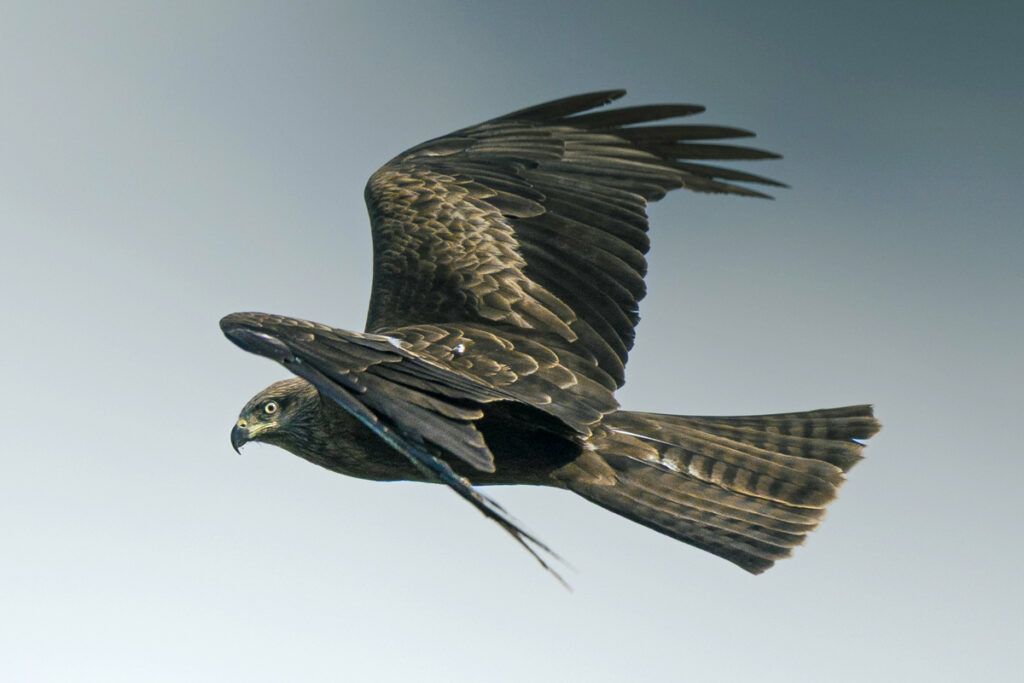
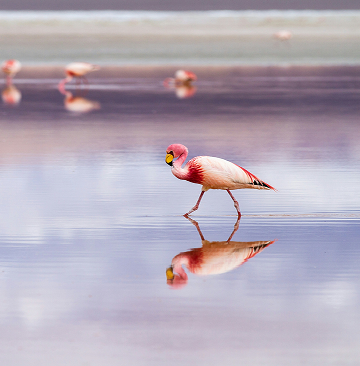
You may not realize it, but not all dinosaurs went extinct during the last mass extinction 66 million years ago. In fact, if you looked out your window, you might see one right now. Avian dinosaurs are the only types of dinosaurs to survive the K-Pg extinction. Today, we know them as birds. Some researchers believe that beaks may have played a big part in their survival. Early avian dinosaurs were largely fitted with teeth to help them crunch insects and other small animals. As time went on and their former food sources disappeared, so did those teeth, leaving only strong, pointed beaks. These were perfectly constructed to crack open hard shells on things like nuts and large seeds, which were now in abundance. Pair this unique trait with their seed-crushing gizzard, and you’ve got a living machine capable of digesting what was left after the asteroid wiped out just about everything else.