5 Animals That Taste Without Using Their Mouths

If you’ve ever enjoyed a good meal, you have your taste buds to thank. The average human mouth contains between 2,000 and 10,000 of these tiny sensory organs, most of which are located on the tongue. They’re what allow us to detect the hint of vanilla in a pastry, or the sour tang in a glass of milk that’s gone bad.
Many animals have taste buds, too, though not always where you’d expect them. Some organisms lack mouths altogether, but they’ve developed resourceful ways of discerning whether something is delicious or potentially dangerous. Here are five of the most unique taste systems in the animal kingdom.
Crabs
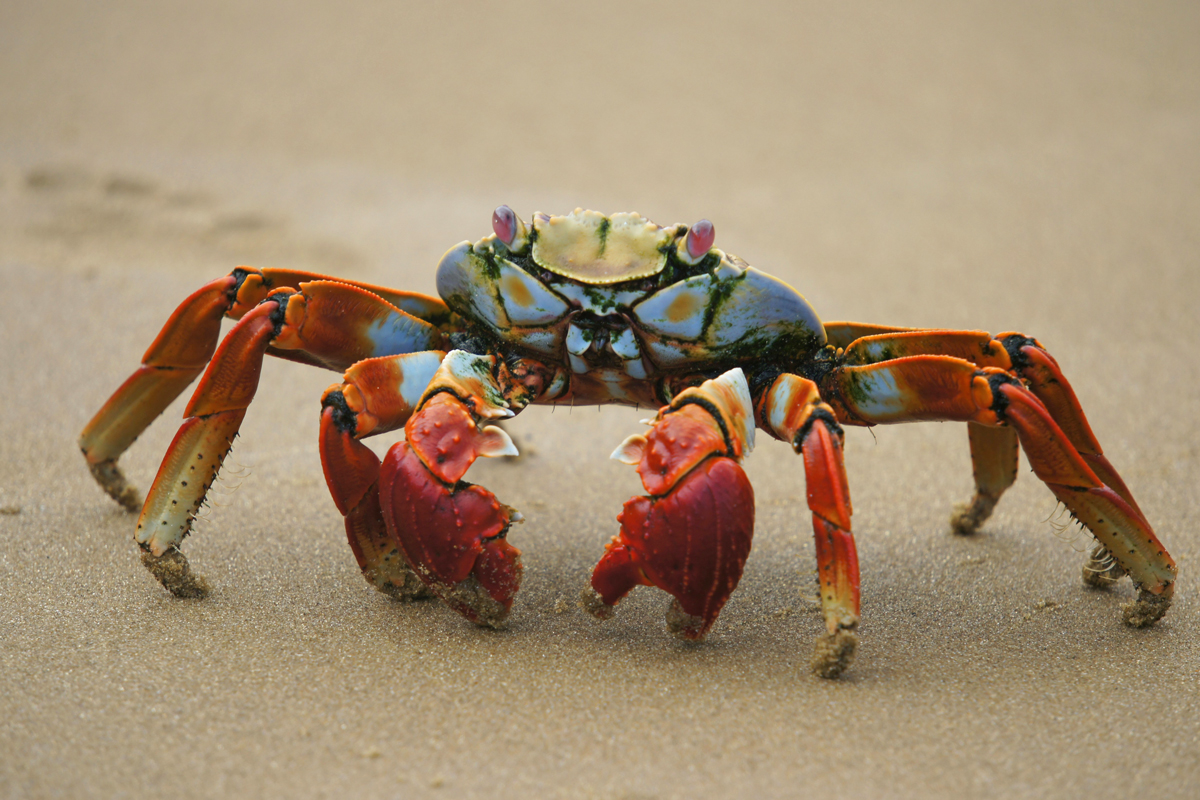
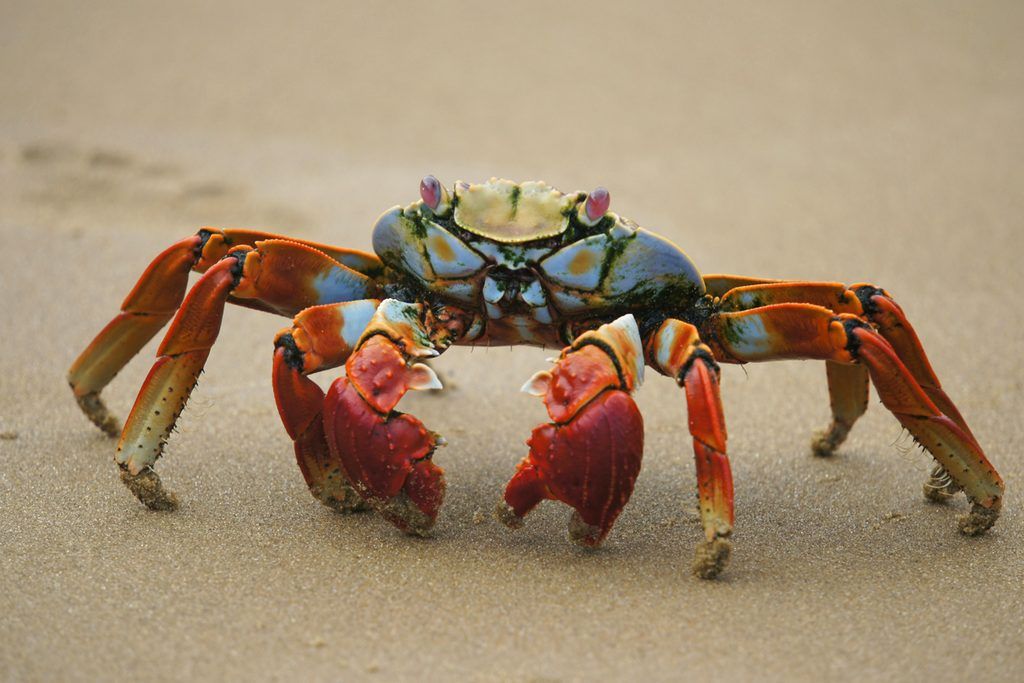
Like all invertebrates, crabs lack tongues, so you won’t find any taste buds there. In fact, crabs don’t have taste buds at all, and instead rely on tiny chemoreceptor-filled hairs on their antennae, legs, and around their mouthparts.
When a crab finds a potential meal, these receptors send signals to the brain that help it decide if the stimuli is safe to eat or not. This system doesn’t classify flavors the way our taste buds do, but it does allow crabs to identify their next meal.
Honeybees
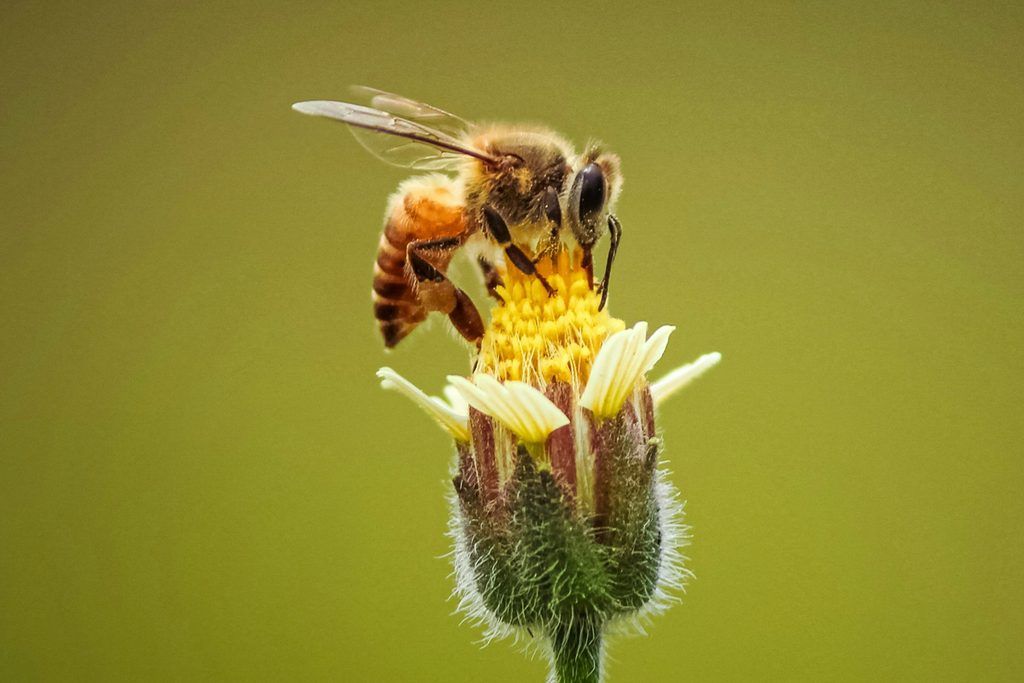
Crabs aren’t the only creatures that use chemoreceptors to taste the world around them: Flying insects including honeybees, butterflies, and house flies have those same sensory mechanisms, and they’re located on similar spots on their bodies to crabs.
All three bugs use the chemoreceptors on their feet to taste what’s beneath them, which helps them decide whether their target is sweet enough for them to stick around. In fact, that “hand-rubbing” move that flies make is meant to remove any dirt that might be blocking the chemoreceptors on their feet.
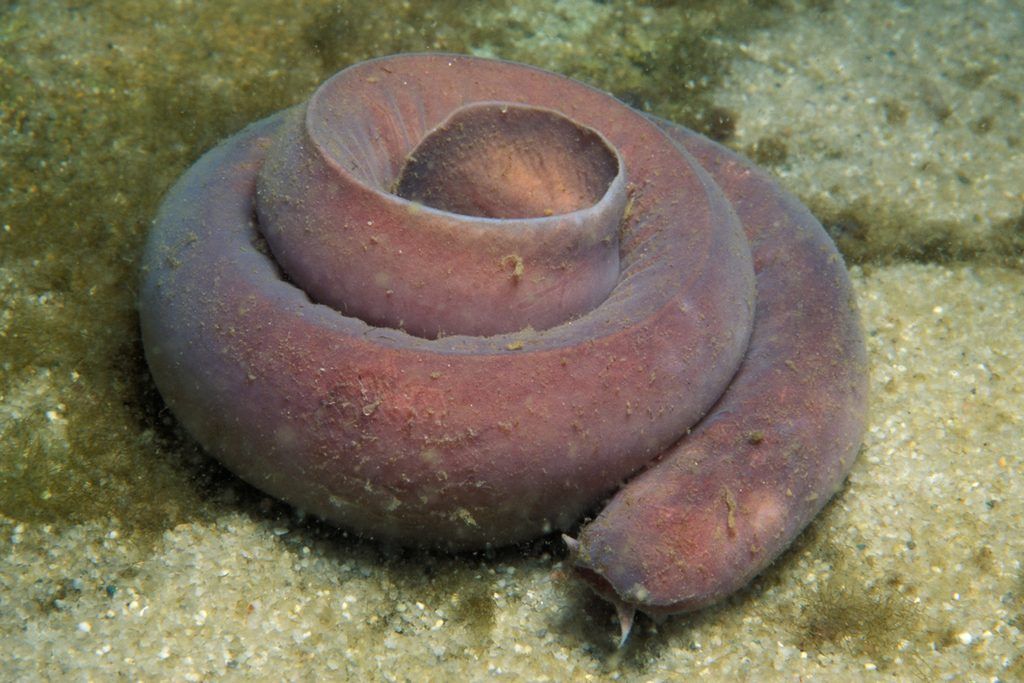
Pacific Hagfish
Similar to catfish, Pacific hagfish use their skin to taste, but they aren’t covered in taste buds. Instead, these blind fish are equipped with Schreiner organs — sensitive structures that help the fish decode chemicals released by other animals (aka dinner).
Not only do these fish find food without a mouth, but they can also eat without one. Hagfish swim into the carcases of dead fish and marine mammals and absorb nutrients through their skin, eliminating the need for a mouth altogether.
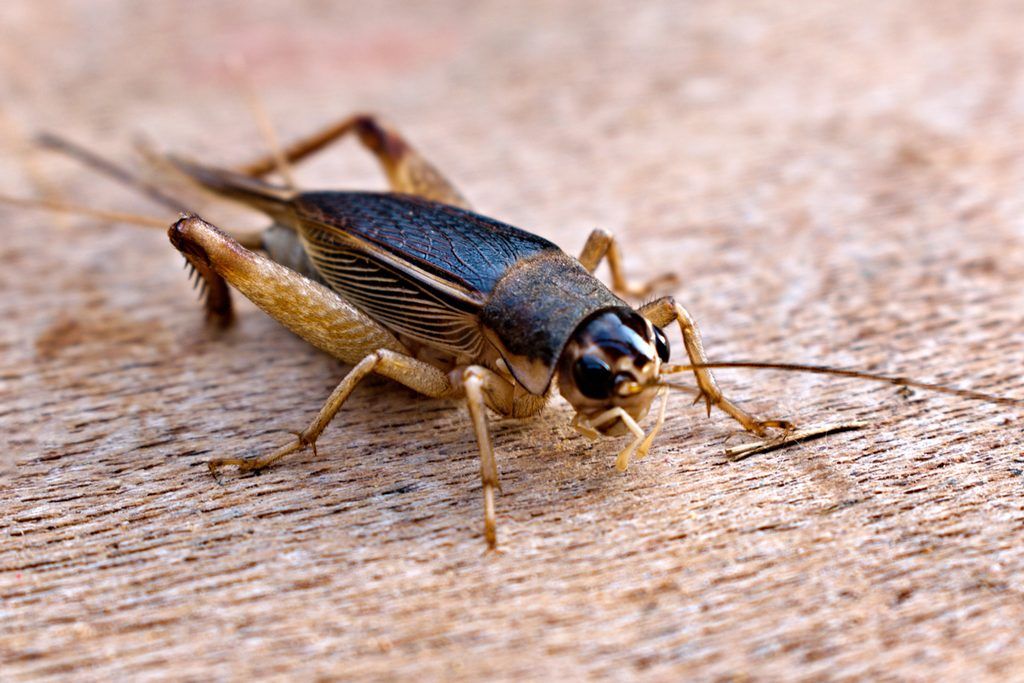
Crickets
Some animals taste with their mouths, and some taste with the opposite ends of their bodies. Crickets — like butterflies, bees, and crabs — also have chemoreceptors, but theirs are located around their nether regions.
Small hairs on its ovipositor — that long, pointy organ that shoots out of a cricket’s hind end — help mothers taste whether certain patches of dirt are suitable for laying eggs. Locusts and grasshoppers have this same taste-testing ovipositor, which they also use to dig holes for their eggs.
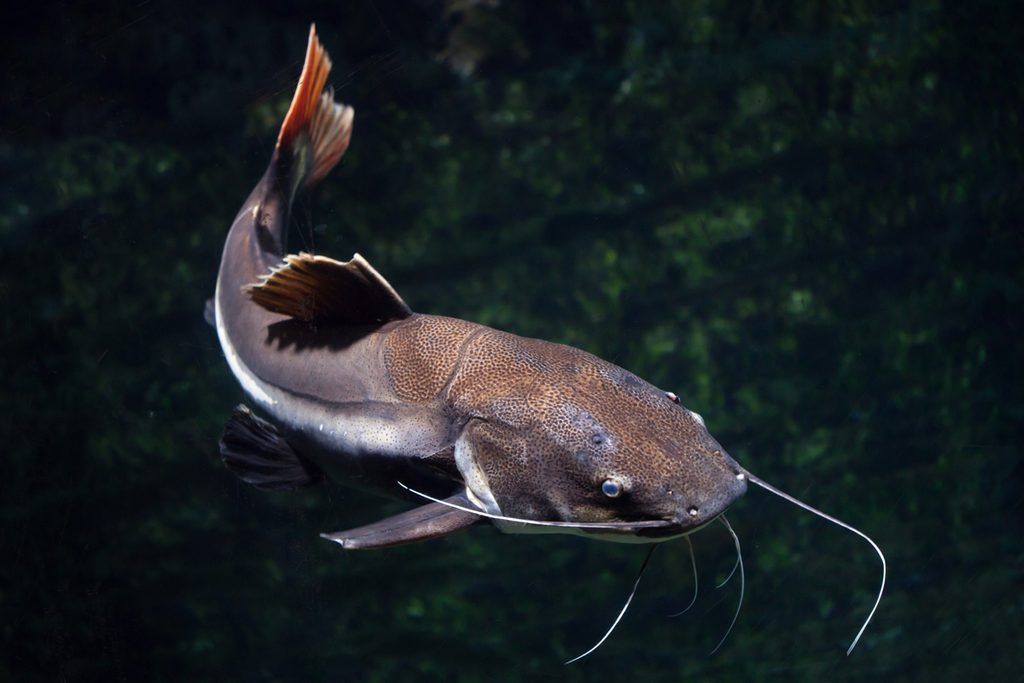
Catfish
While a catfish has surprisingly keen eyesight, that isn’t its primary hunting sense. Instead, it relies on more than 100,000 taste buds spread all over its body to find and devour prey. Research shows that catfish use two taste systems to eat: One that’s attached to the facial nerve helps locate the food source, and another associated with the vagal and glosso-pharyngeal nerves helps with swallowing that food.