6 Animals With Real Day Jobs

Humans have plenty of tools to help us get our jobs done, but sometimes, the right employee for the job may look a bit different than you’d expect, sporting four legs, wings, or even fins.
It’s not uncommon for animals to have jobs. You’ve probably seen dogs guiding people with visual impairments or horses helping police patrol city streets. But there are many more jobs humans have assigned to their fellow creatures. Here are six animals who do a stand-up — or swimmingly well — job of the tasks we humans have designated for them.
Rats Clean Up Minefields and Detect Disease
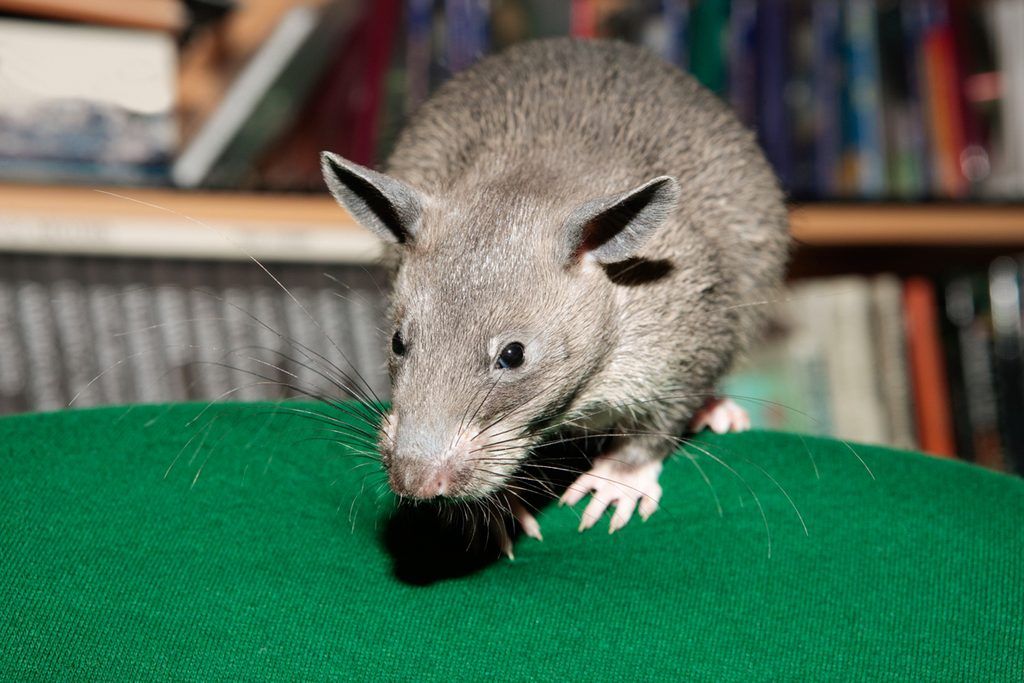
You’re more likely to consider getting rid of a rat than to trust it with a life-or-death assignment, but African giant pouched rats can help make former minefields safe again. Organizations, such as the nonprofit APOPO, train these 6-pound, 16-inch-long rodents to detect buried explosives in countries such as Cambodia, Angola, and Mozambique.
Their secret weapon is their nose: Unlike metal detectors, rats can distinguish explosives from scrap metal, and they’re light enough not to trigger most mines. One trained rat can search an area the size of a tennis court in about 30 minutes, a task that could take a human deminer up to four days.
Rats are no stranger to the workforce. They also have long played a role in the medical field, and can sniff out tuberculosis. Trained to detect the disease in sputum samples, they can screen around 100 samples in 20 minutes and even flag cases missed by initial laboratory testing.
Dogs Are Expert Sniffers and Farmhands
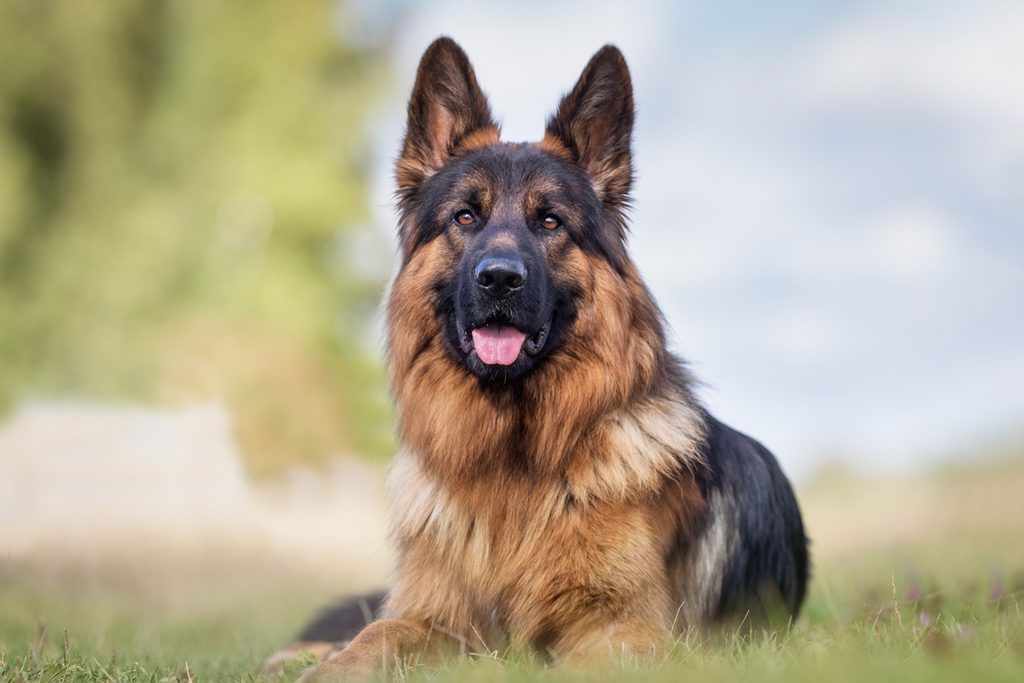
Dogs are famous for their sensitive sniffers, which have been trained to track missing people, detect explosives and drugs, confirm bedbug cases, and even help expose hidden electronic devices. Their noses also have the potential to be used as diagnostic tools: In a 2025 study, seven trained dogs correctly detected lung cancer in 78% of positive breath samples.
Dogs have, of course, also worked historically as four-legged farmhands, and they’re still important contributors to farms today. Long before modern tools such as drones and virtual fencing, dogs helped move livestock between pastures and into pens, which they continue to do now.
Working herding dogs skillfully gather scattered sheep, separate individual animals from a flock, and help farmers handle livestock during feeding and other routine chores. Breeds such as border collies are especially prized for their instincts and speed.
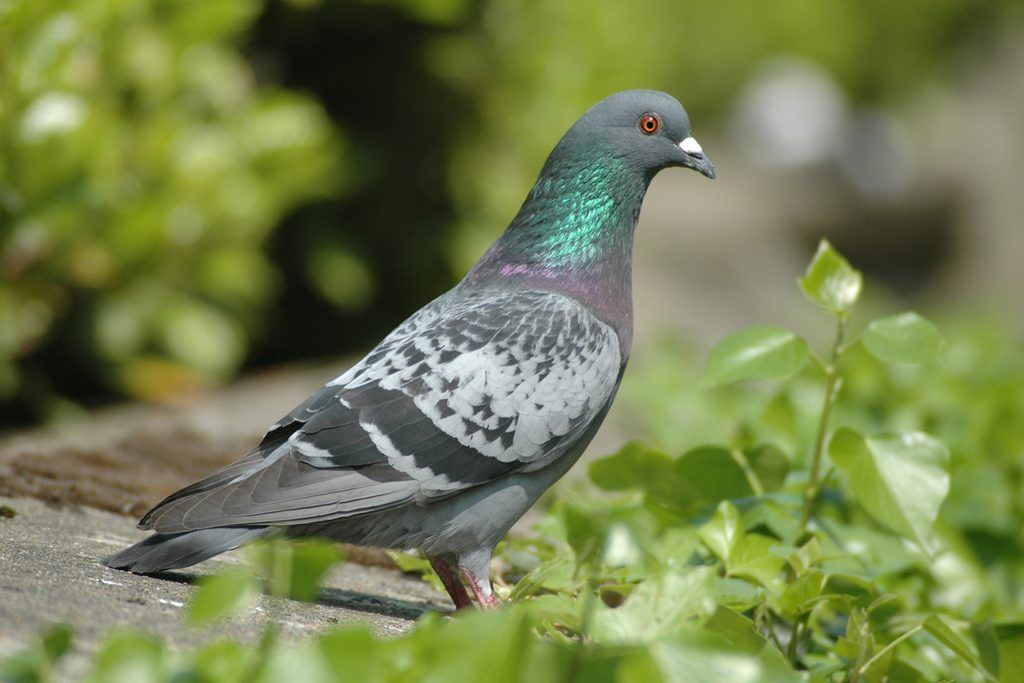
Pigeons Carry Messages and Monitor Air Quality
Pigeons have spent centuries navigating busy cities, and those skills once made them valuable messengers. For thousands of years, homing pigeons have carried notes across long distances, including important military messages during both world wars, when radio communication was unreliable or unavailable.
More recently, they’ve taken on another human job: monitoring pollution. In 2016, 10 London-based racing pigeons wore tiny air quality monitors attached to lightweight vests, measuring pollutants such as nitrogen dioxide and ozone as they flew around the city.
Researchers in Rome took the idea further in a 2021 study, fitting homing pigeons with miniature sensors to measure carbon dioxide levels as they flew from the city to their rural homes. Their readings revealed differences in CO₂ levels across urban, agricultural, and green spaces, demonstrating how these long-held, hardworking birds could help scientists monitor air quality from above.
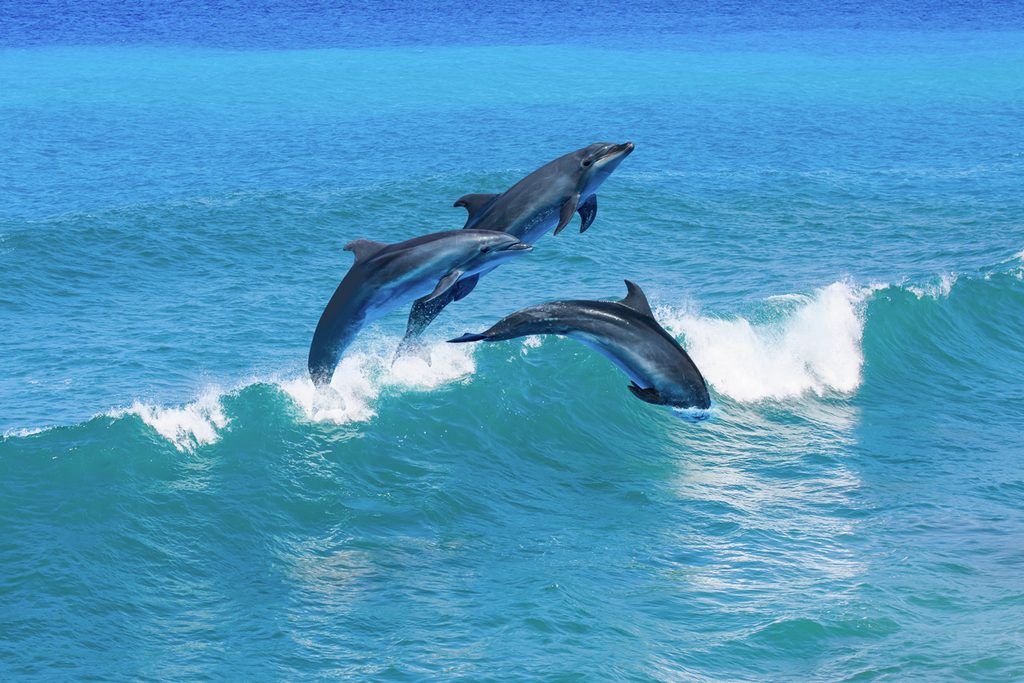
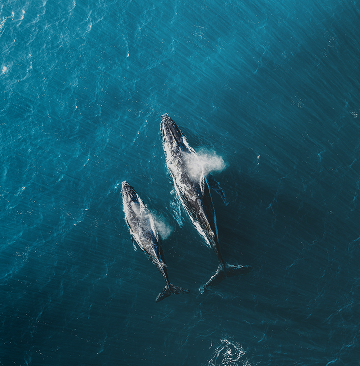
Dolphins and Sea Lions Find Lost Objects Underwater
The United States Navy has an unusual team of underwater specialists: bottlenose dolphins and California sea lions. Since 1959, its Marine Mammal Program has trained these mammals to locate, mark, and sometimes help recover underwater objects.
Dolphins have a particularly useful skill for the job. Their sophisticated sonar, known as echolocation, helps them find objects even in murky conditions where electronic equipment can struggle. Sea lions, meanwhile, have excellent underwater hearing and low-light vision and can attach recovery lines to objects on the ocean floor.
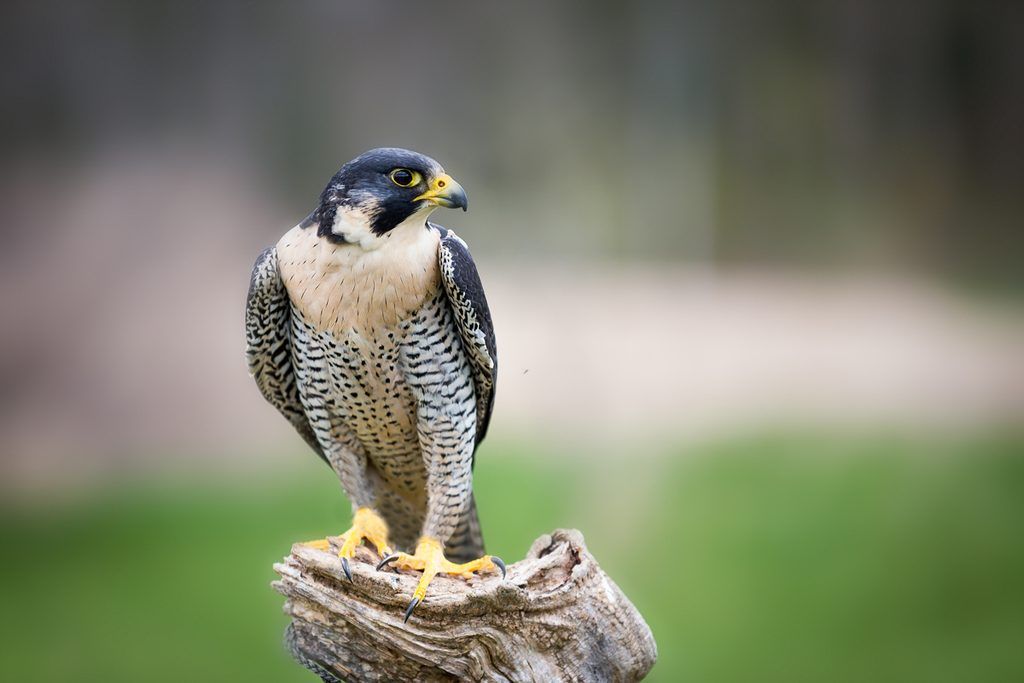
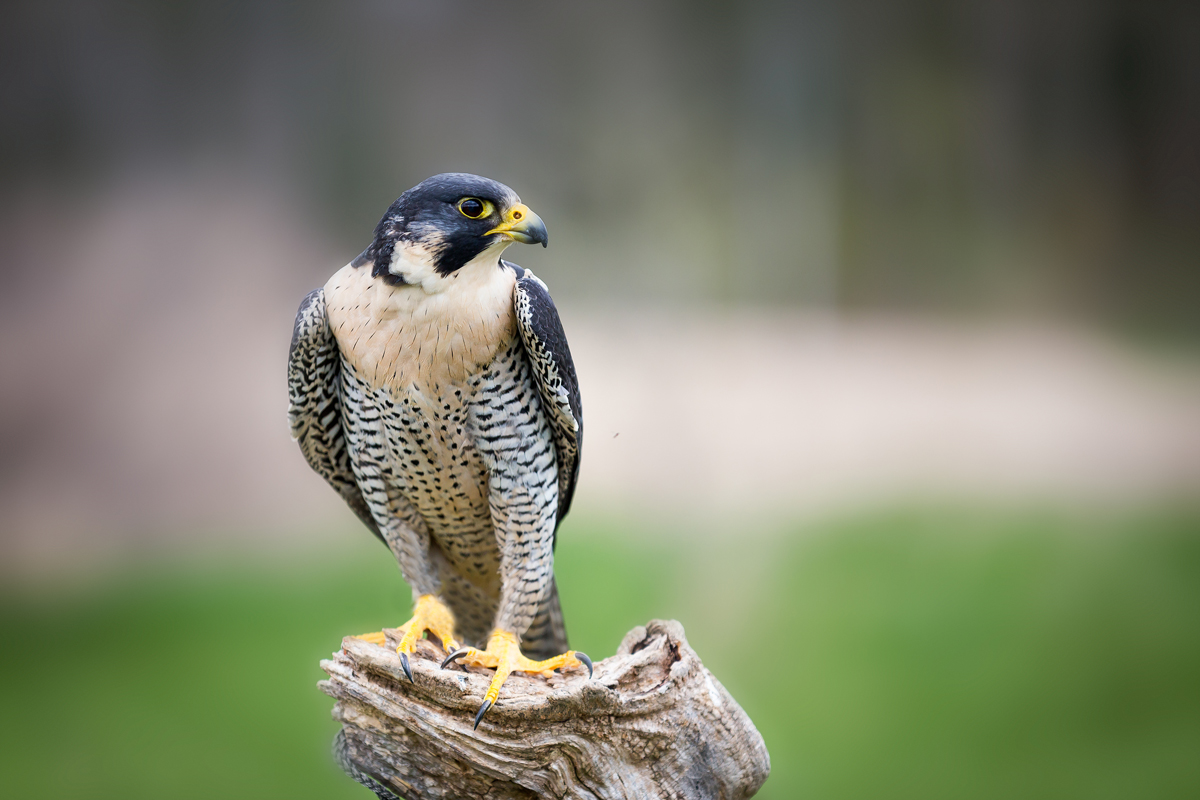
Falcons Keep Other Birds Away From Planes
Birds and airplanes are a notoriously bad combination. A collision with a flock can damage an aircraft, and one way airports discourage those feathered trespassers is by bringing in other, bigger birds. Falcons and other trained raptors such as hawks or eagles patrol airport grounds, using their natural hunting instincts to scare smaller birds into finding another place to hang out.
Unlike noise cannons or other scare tactics, live predators can pose a more convincing threat. Sometimes, even a falcon’s shadow is enough to send smaller birds scattering, since the presence of a natural predator is hard for birds to ignore.