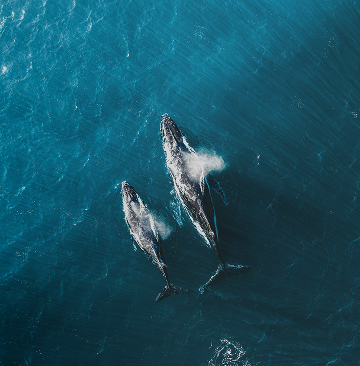
6 Animals That Don’t Have To Worry About Predators

The animal kingdom can be an unforgiving world, and most creatures spend their lives balancing two priorities: finding food and avoiding becoming food themselves. But a handful of species have essentially evaded that second concern entirely.
Through sheer size, brute strength, intelligence, or a combination of all three, these animals sit so firmly at the top of their food chains that no other creature in their environment poses a serious threat. Here we take a look at six species from land, ocean, and sky that basically have no natural predators at all — besides humans, of course.
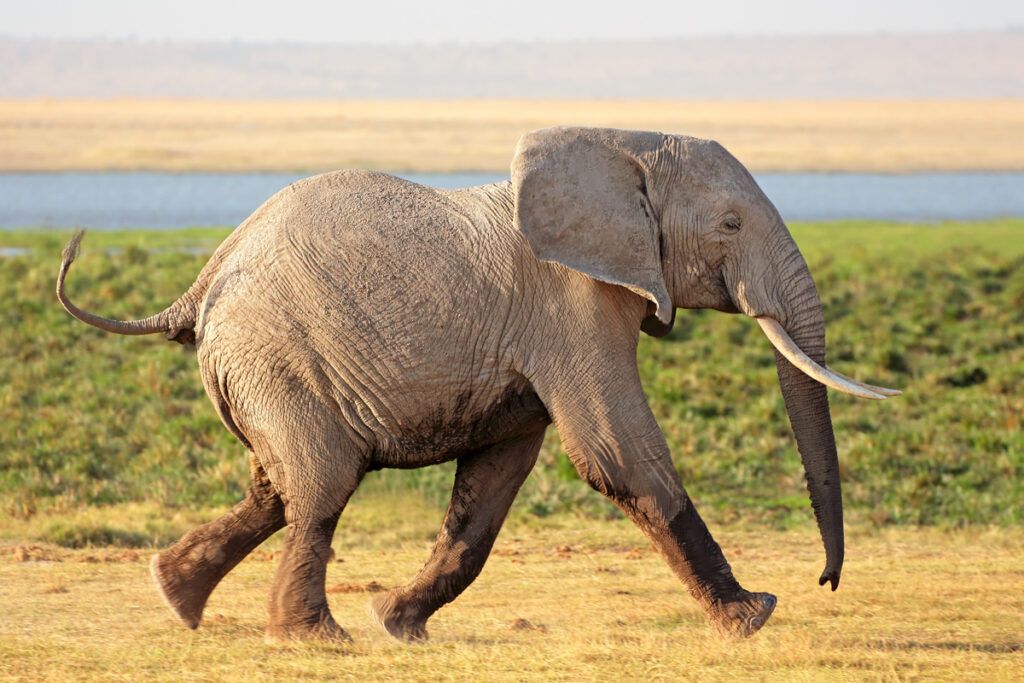
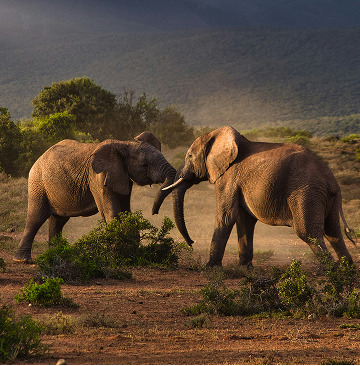
African Elephants
A healthy adult African elephant is simply too large and too dangerous for most predators to risk attacking. As the largest land animals on Earth, a fully grown elephant can weigh as much as 7 tons. Even a coordinated group of lions would fail to take down a strong, healthy individual.
Elephant calves, however, are potentially more vulnerable to lions, tigers, and opportunistic Nile crocodiles. Even then, those predators would have to be particularly bold or desperate, as elephant calves are closely guarded by the herd, and matriarchs are known to aggressively defend their young from any perceived threats. African elephants aren’t the only bulky creatures with no natural predators; hippos and white rhinos also rank among the predator-proof animals of Africa.
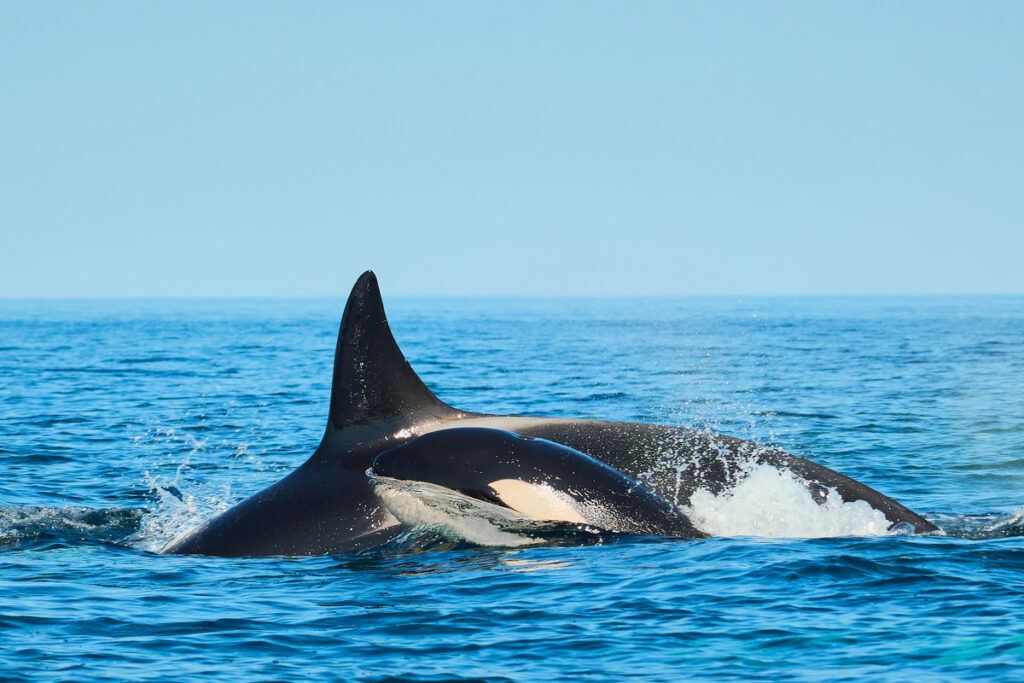
Orcas
Orcas, aka killer whales, are widely regarded as the ocean’s most dominant apex predator. Traveling in coordinated family pods and using hunting techniques passed down through generations, orcas feed on fish and squid but will also target seals, sea birds, and even some species of whales far larger than themselves.
There are even documented cases of orcas hunting and killing another one of the ocean’s apex predators, the great white shark. Conversely, no animal actively hunts or even poses a threat to orcas. Their combination of size, intelligence, and social cooperation leaves them essentially unchallenged in the wild.
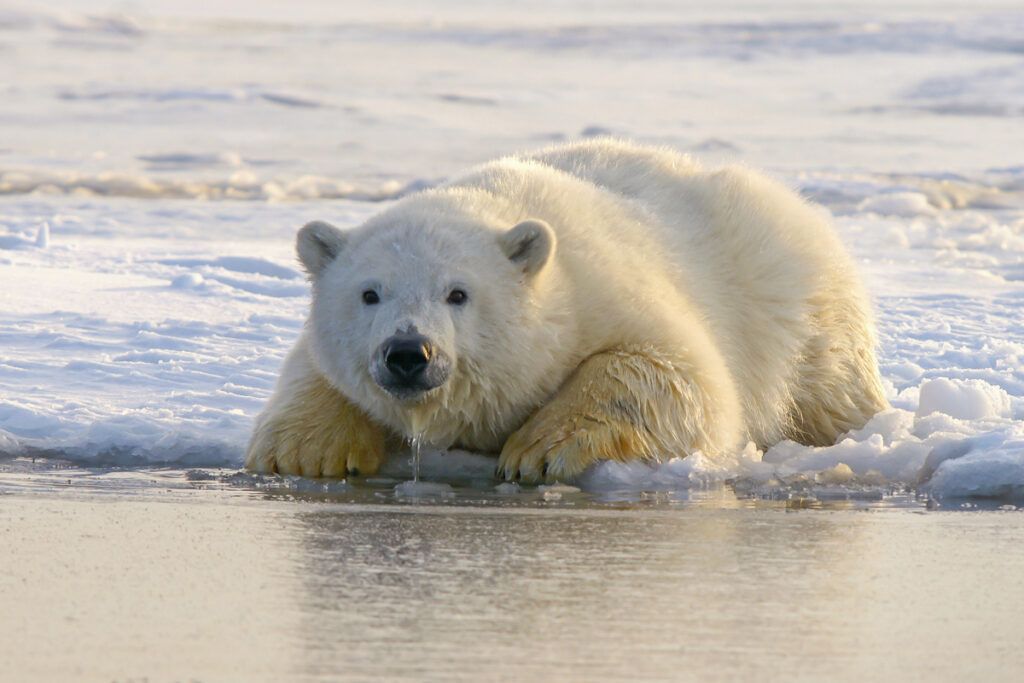
Polar Bears
As the largest land carnivore on Earth, the polar bear rules the Arctic ice with no natural competitor. Adult polar bears can weigh more than 1,300 pounds and are powerful enough to kill prey as large as walruses, narwhals and even beluga whales, with no other Arctic animal capable of threatening them in return.
Their only meaningful challenges come from other polar bears during fights for territory, food, or mates. Beyond that, the only other real threat is from humans and, increasingly, the environmental effects of a warming world.
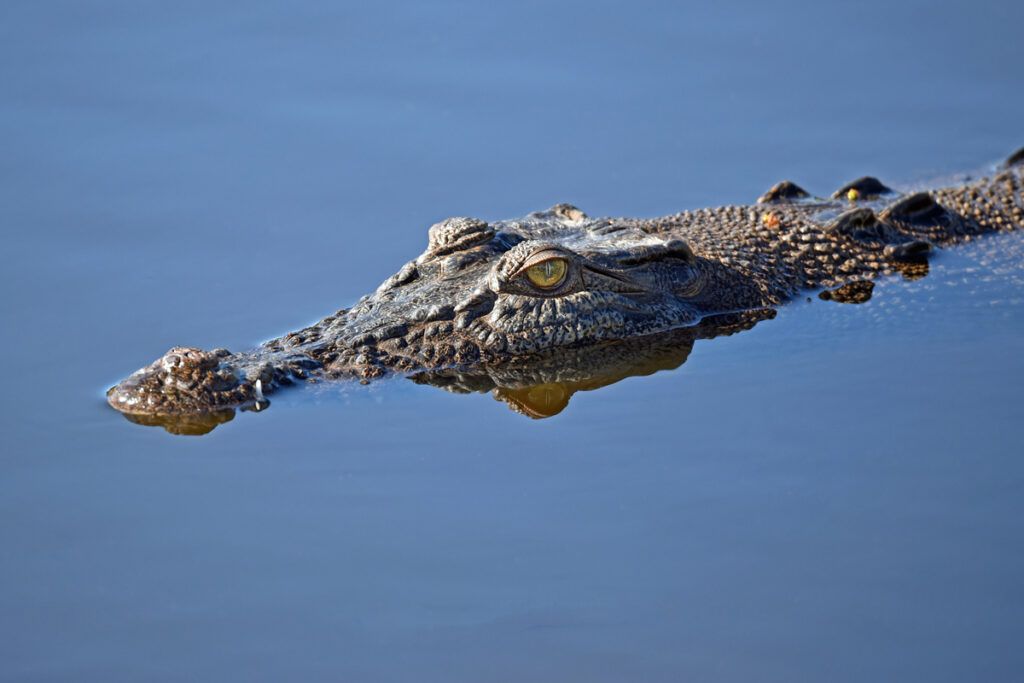
Saltwater Crocodiles
The saltwater crocodile is the largest living reptile on Earth. Adults can reach lengths of more than 23 feet and weigh more than 2,200 pounds. As if sheer strength and size weren’t enough, these crocs also have the strongest bite ever measured in any living animal — a bite that may even come close to that of a Tyrannosaurus rex.
Understandably, saltwater crocodiles have no predators across their range in Australia, Southeast Asia, and the eastern coast of India. They’re more than capable of overpowering anything that enters their territory, with only juveniles facing any real predation risk before reaching their full size.
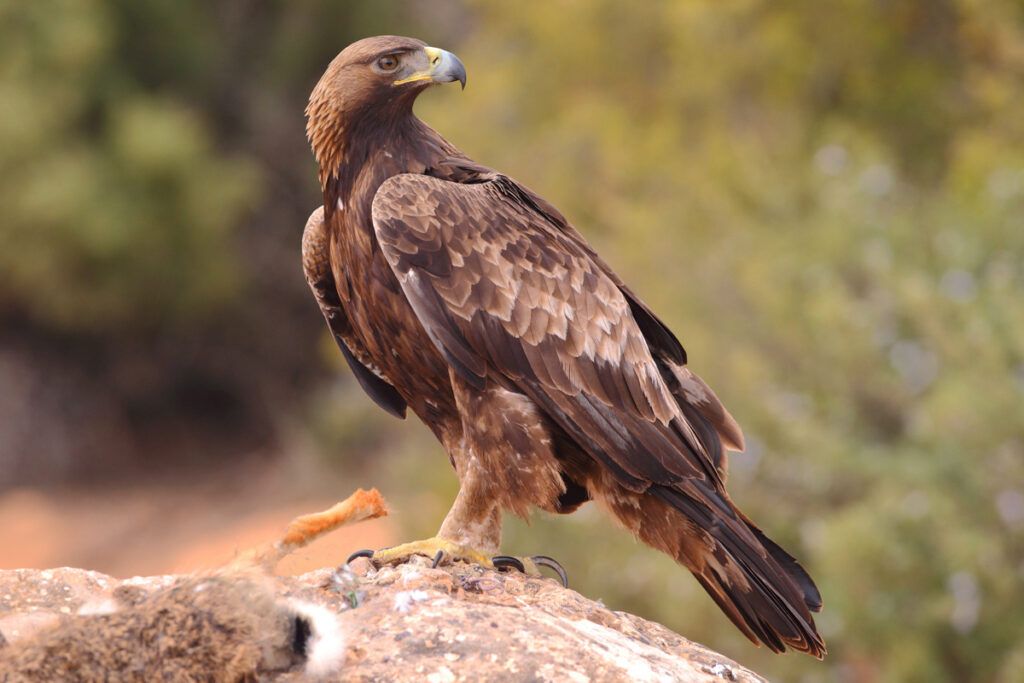
Golden Eagles
Among birds, the golden eagle stands out as one of the few species with essentially no natural predators once it reaches adulthood. With a wingspan that can extend beyond 7 feet and talons strong enough to kill prey as large as young deer, golden eagles sit at the top of their ecosystem’s food chain across North America, Europe, and Asia. Eggs and nestlings can fall victim to other predators, and crows, jays, and other raptors sometimes harass adults, but apart from some occasional squabbles, the golden eagle can soar through the skies with very little fear.
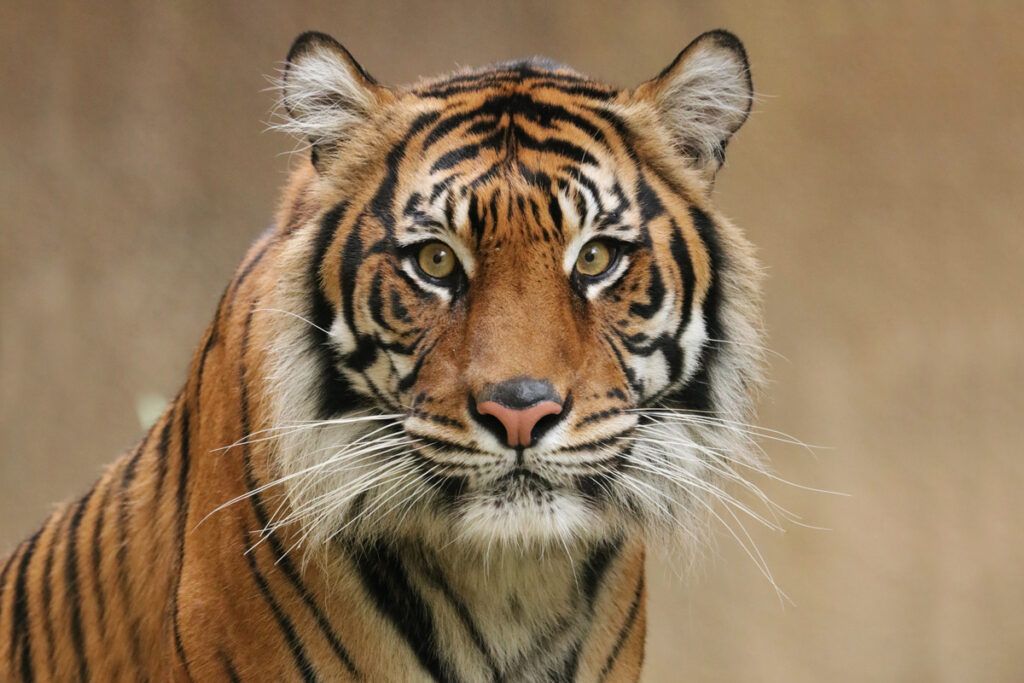
Tigers
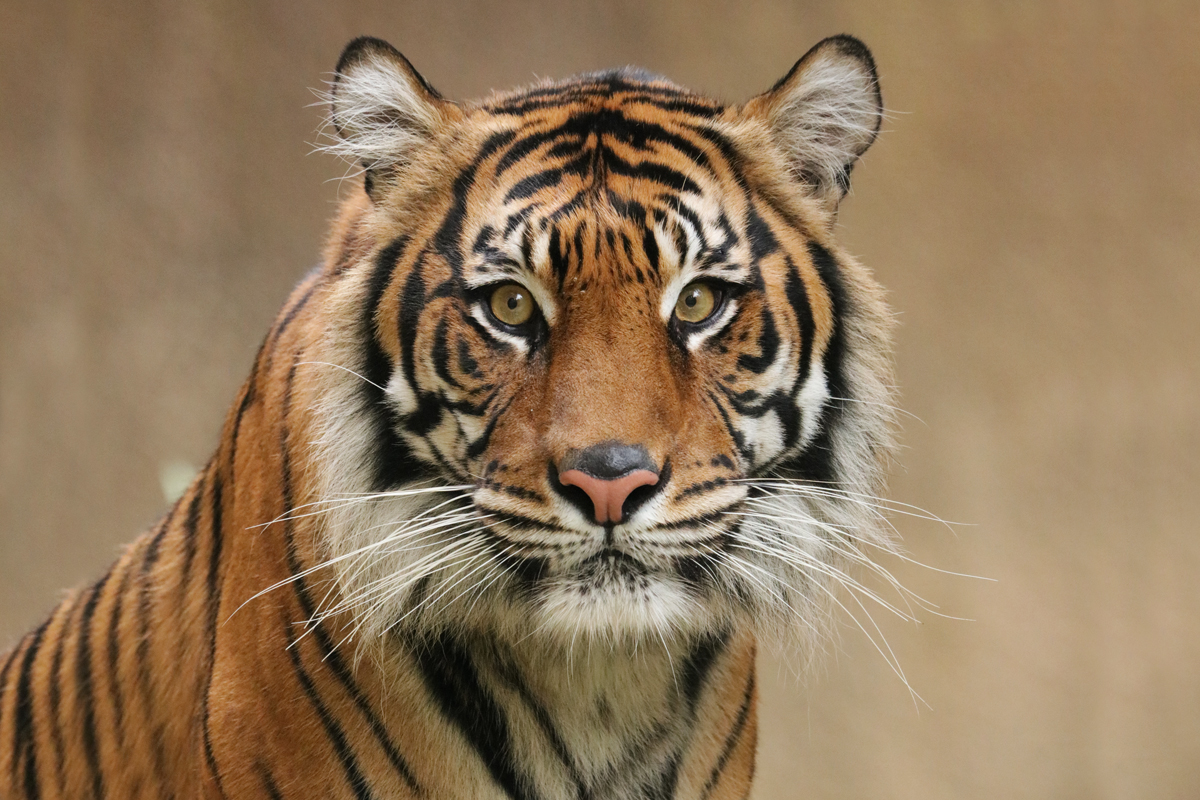
Tigers really only have their own species, and humans, to worry about. No other animal hunts a healthy adult tiger for food, making it one of the more secure apex predators on land, if not quite as invulnerable as an elephant or rhino. As a largely solitary hunter, the tiger avoids one of the biggest threats faced by lions: deadly infighting during territorial takeovers (one of the leading causes of death for many wild lions).
But tigers still occasionally die in clashes with rivals of their own species. And in rare cases, large prey such as gaur —a massive wild ox — or sloth bears can kill tigers that attack them, plus there’s the odd fatal encounter with a crocodile. Territorial disputes with packs of dholes, wild canids native to South, East and Southeast Asia, can also pose a theoretical threat to a tiger’s life. Normally, however, tigers have little to worry about as they slink and stalk through the rainforest or savanna.