7 Animals With Odd Sleep Habits

Are you one of those people who can only sleep with the sound of the TV on in the background? Or maybe you need the soft, steady patter of raindrops hitting the roof to drift off. Humans have their own unique bedtime rituals, which can range from drawing the blackout curtains closed to cuddling up with their favorite stuffed toy, and beyond. These might sound like odd sleeping habits to some, but they’re nothing compared to how some animals catch their Z’s in the wild.
Dolphins
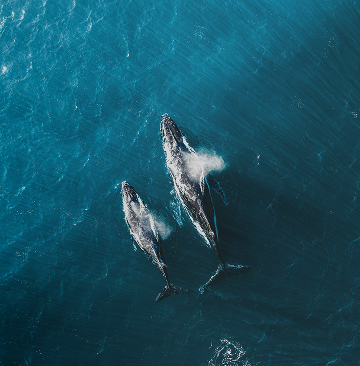
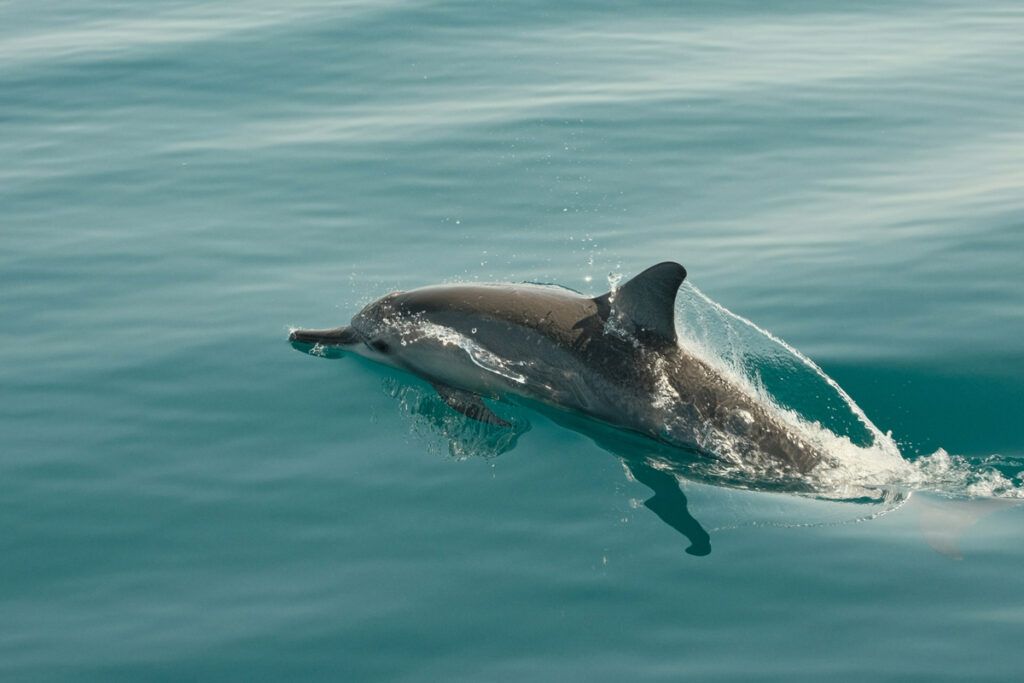
How do marine mammals sleep without breathing? Well, they don’t. Aquatic mammals like dolphins still come up for air even if they’re mid-sleep. How? By keeping half of their brain awake at all times. This is an evolutionary trick known as unihemispheric sleep, which allows an animal to shut down one half of its brain for rest, while keeping the other half awake, alert, and able to execute important functions. Dolphins aren’t the only animals that rely on this trick to survive while they sleep. Whales, manatees, and Northern fur seals also sleep this way so that they can keep breathing and remain alert for predators. Common swifts can stay in the air for up to 10 months at a time, and they never have to touch ground thanks to unihemispheric low-wave sleep adaptations.
Ducks
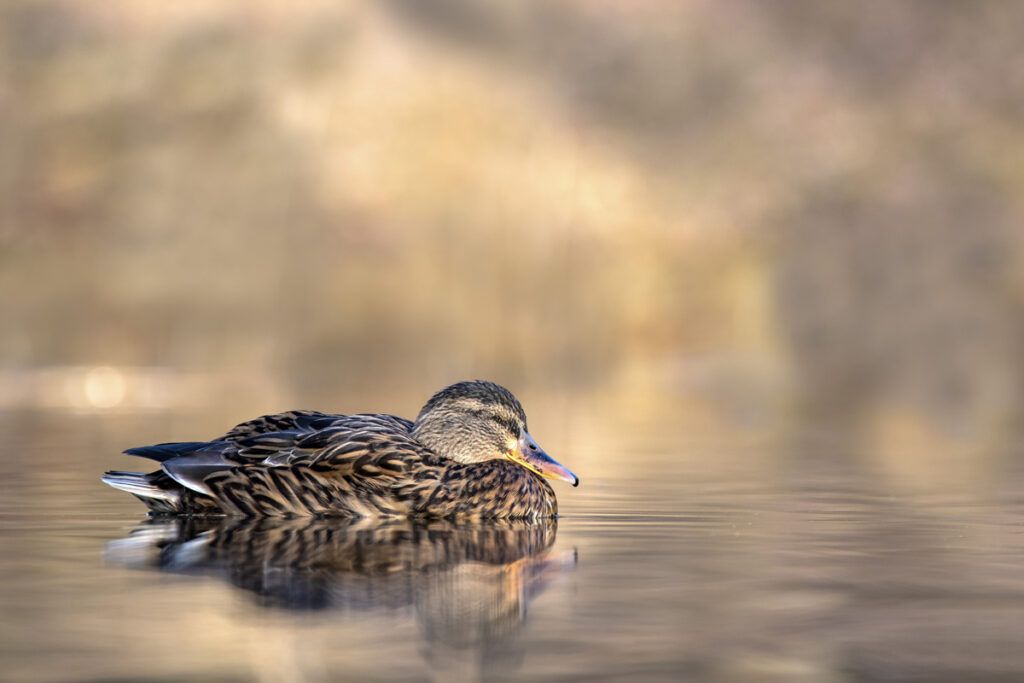
Ducks also utilize unihemispheric sleep to get their much-needed rest, but they don’t always have to. When ducks sleep alone, they use the half-awake/half-asleep brain technique, but when they’re resting with pals, they rely on the safety of the group to protect them while they get a full night’s rest. When ducks sleep in a flock, whether on land or on the water, the ducks on the outside of the flock sleep with one eye open in an effort to protect and alert the pack should danger arise. The lucky ducks in the middle of the flock are able to indulge in a two-eyed sleep. These birds also rotate who gets guard duty, allowing everyone to have their turn to snooze soundly in the middle.
Bats
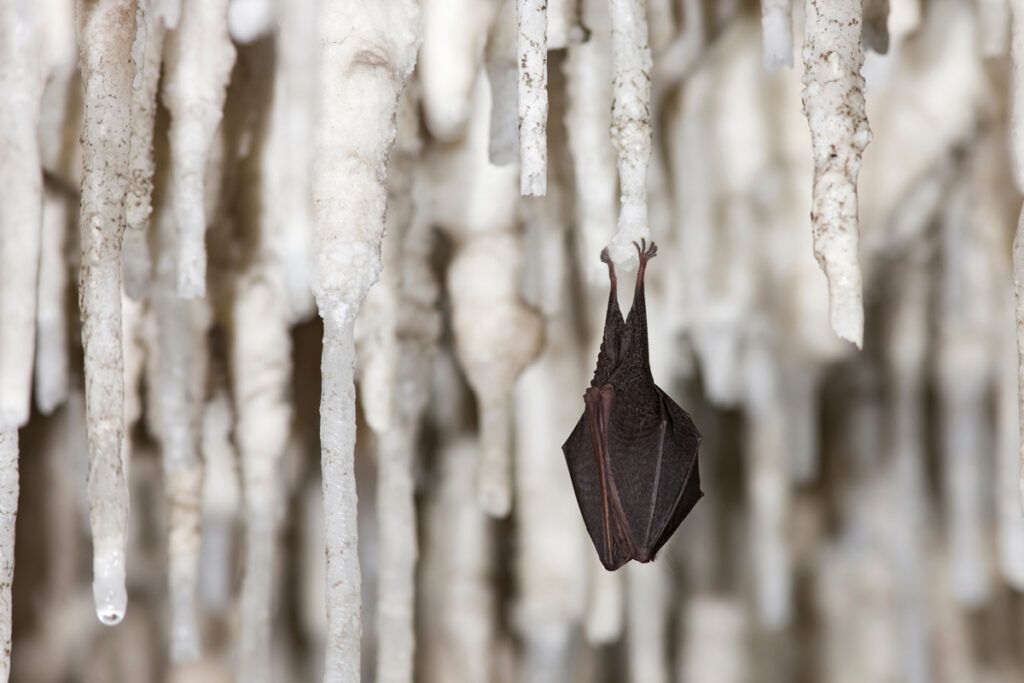
It’s common knowledge that bats sleep upside down, but why do they choose to rest this way rather than curl up on the ground or in a nest? They do it to stay safe when they’re in their most vulnerable state. Bat legs are relatively small, thin, and weak compared to their wings. This makes it hard for them to push off of the ground when it’s time to take flight, which might need to occur in a split second when predators approach. Hanging from their feet allows them to simply release their grip and fly elsewhere to safety, and it doesn’t even cost them energy to do it. The tendons found in a bat’s legs connect to their toes and automatically lock them onto the surface they’re touching, keeping them secure for their slumber.
Giraffes
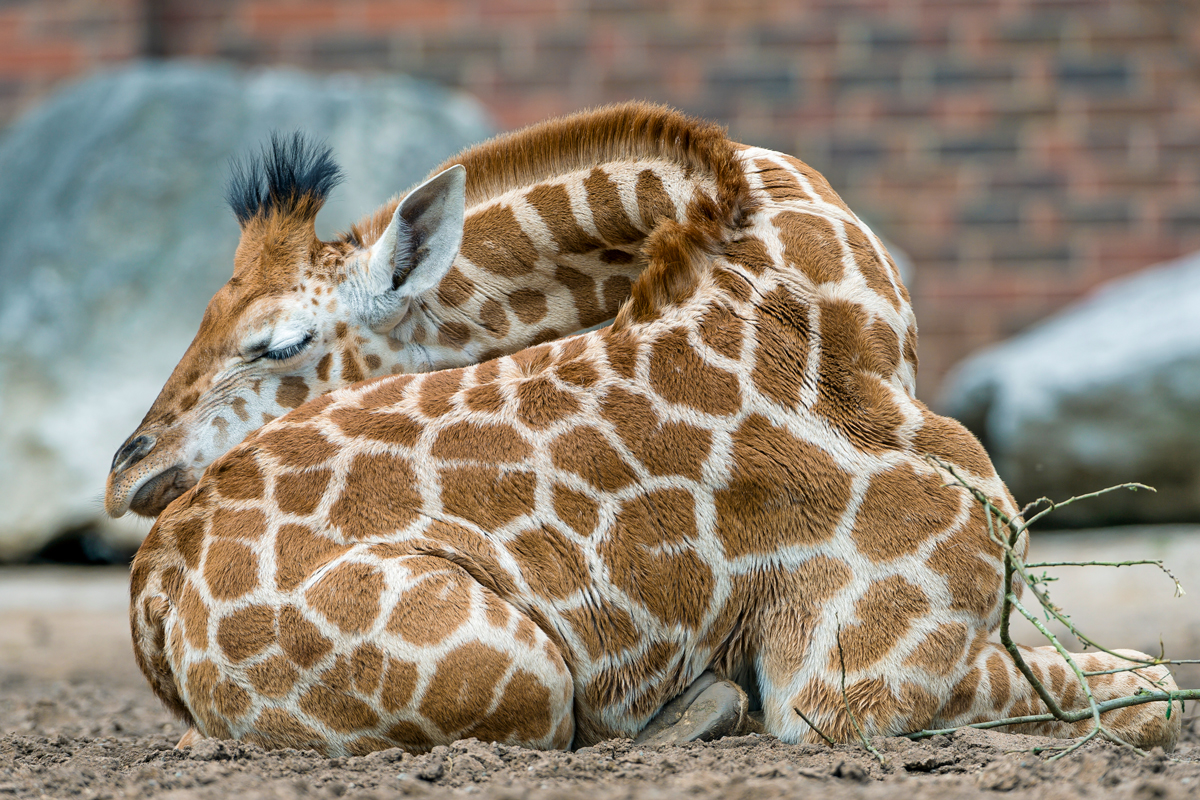
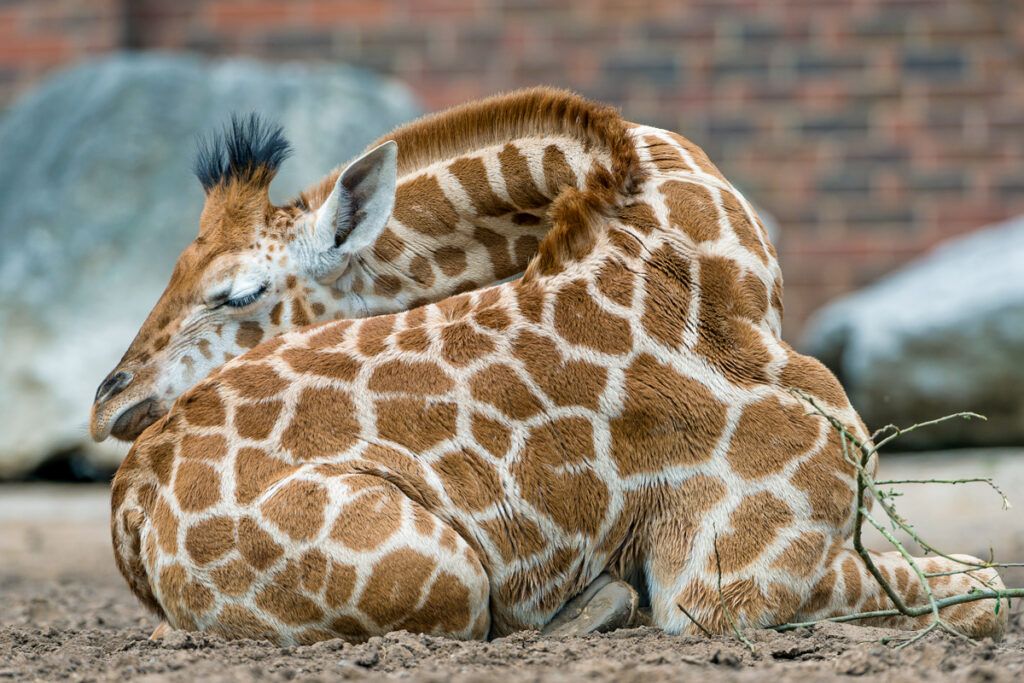
Think you could get by on just 20 minutes of sleep a night? That’s exactly what many giraffes do. Despite their massive size, giraffes are actually quite vulnerable when they’re not standing tall. This is why they mostly sleep standing upright, and in short bursts of about 20-30 minutes at a time. They may do this several times throughout the day to accumulate more sleep, but rarely venture beyond about six hours all-told. Giraffes can and do sleep on the ground, which is how they get that restorative REM sleep. Lying down and getting up does force them to let their guards down, but when they do it, they protect themselves by wrapping their necks around their bodies and resting their heads right on their rumps, like a built-in pillow.
Koalas
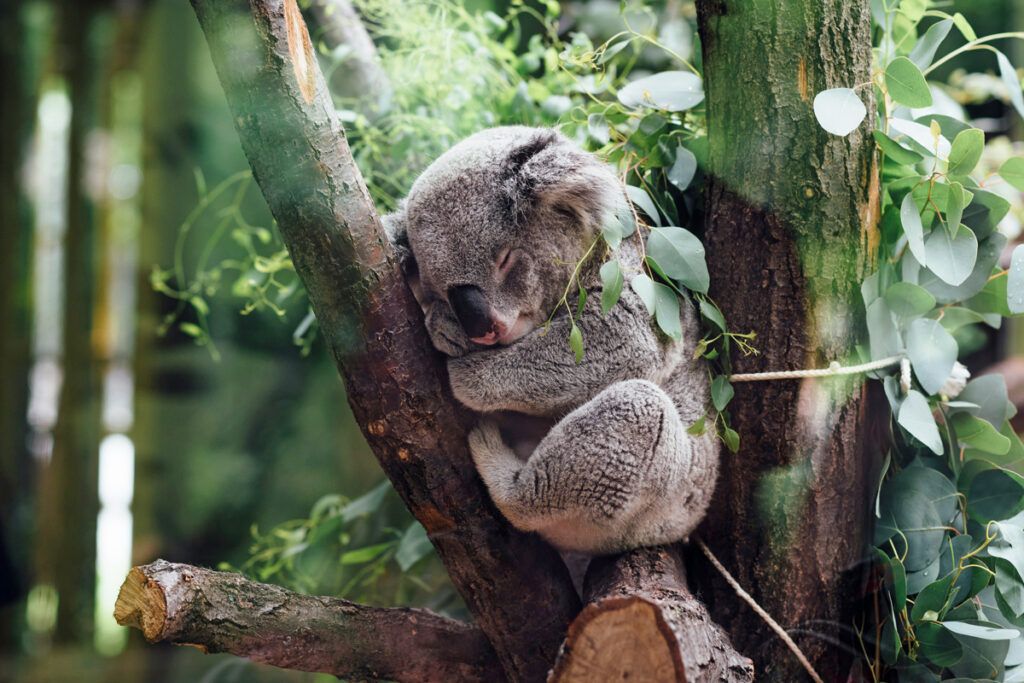
On the other hand, some animals need extra beauty rest in order to function at all, and the koala takes the cake for the longest dozer on land. Racking up an impressive 22 hours per day, koalas sleep so much to preserve energy. Their diets are made almost entirely of eucalyptus leaves, which are not only low in nutritional value, but also high in toxins that are indigestible by most animals. The fibrous plant requires a lot of energy to digest, and offers little energy to burn in return, hence the lengthy slumber.
Desert Snails
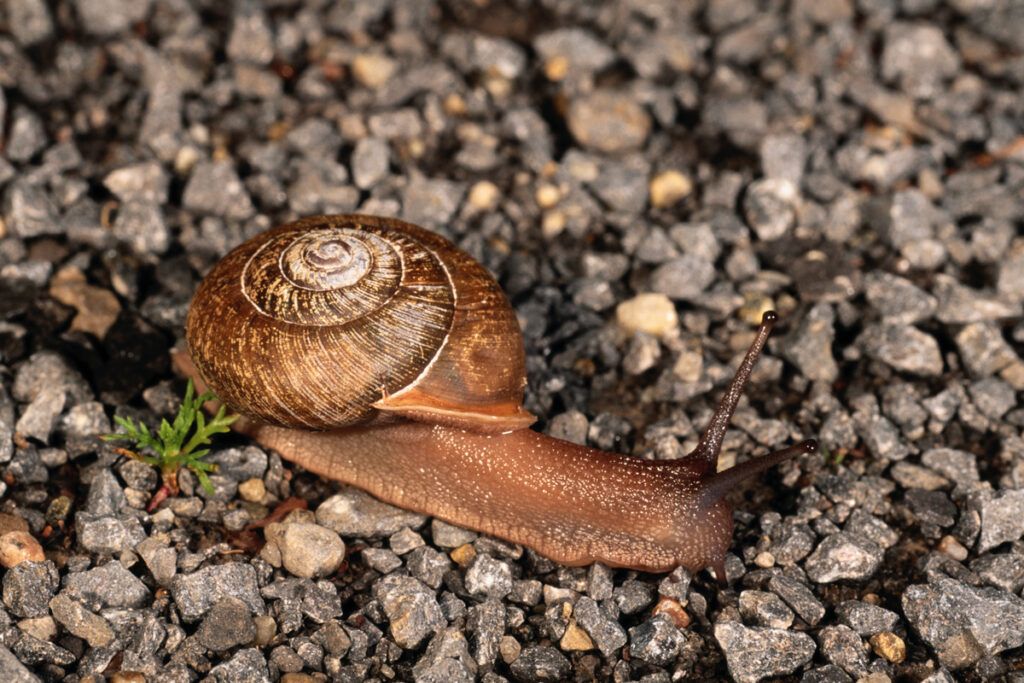
When people think of hibernation, they probably picture Grizzly bears and groundhogs first. But did you know there’s a snail that can out-hibernate even the longest napper, and by several years? Desert snails regularly sleep for around 15 hours per night, which is impressive on its own but isn’t even close to the longest stretch they can go for. These animals don’t hibernate necessarily, they aestivate, or go dormant, for up to three years by essentially encasing themselves in their shells with a layer of mucus. They do so to survive the hot, arid climates of the desert. Aestivation is one of the purest forms of metabolic preservation, and according to one study, can allow an animal’s essential organs to keep working despite losing up to 30% of the water in its body.
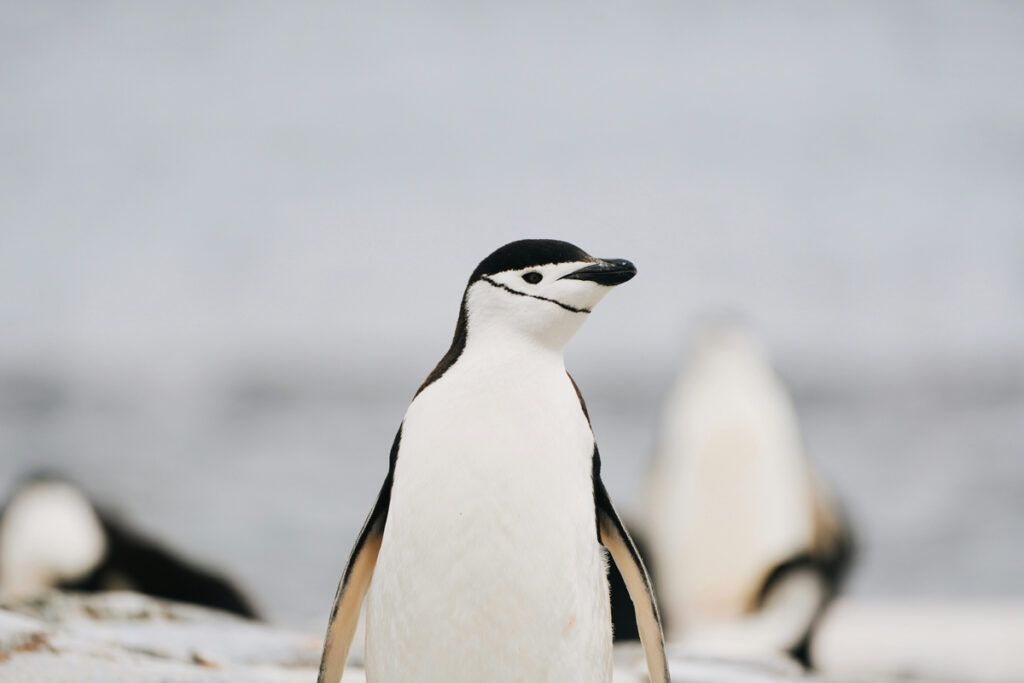
Chinstrap Penguins
Chinstrap penguins take their breeding season seriously. So seriously, in fact, that they completely change their entire sleeping routine. When at sea, penguins float and use unihemispheric sleep to survive. During the breeding and egg-rearing season, they assemble in colonies on land, where they bring a new meaning to the term “micronap.” Studies have shown chinstrap penguins can sleep up to 600 times per hour, or over 10,000 times in a single day, but for only about four seconds at a time. They’re able to accumulate around 11 hours of rest this way, and they do it so they can keep a very close eye on their precious eggs, which are prime pickings for avian predators like Skuas and Sheathbills.