Are Animals Self-Aware?

If you’ve ever watched a dog bark at its own reflection, you may have wondered whether it knows it’s looking at itself. Self-awareness in humans develops during the toddler years when children begin recognizing themselves in mirrors and developing a broader understanding of themselves as individuals. But do animals have a similar sense of self?
The answer isn’t a simple yes or no. Scientists have found evidence of different forms of self-recognition and self-representation across several species, but self-awareness is a much larger, more nuanced concept. Researchers have developed several ways to investigate it, including the famous mirror test, but there are still plenty of questions about what animals understand about themselves.
What Is Self-Awareness?
Self-awareness generally refers to some capacity to recognize or understand oneself as an individual distinct from others and the surrounding environment. In humans, that can include recognizing your appearance, understanding your own emotions and thoughts, remembering your past experiences, and anticipating what may happen to you. But it’s difficult to measure anything comparable in animals.
An animal may have some form of self-knowledge without being able to demonstrate it in a human-designed experiment. Aspects of a sense of self may also present as separate abilities rather than evidence of a single, all-or-nothing capacity for self-awareness. The challenge to be aware of oneself is especially obvious for species that rely on senses other than vision.
The Mirror Test
The best-known self-recognition experiment is the mirror test, developed by psychologist Gordon Gallup in 1970. Researchers allow an animal to become familiar with a mirror before placing a mark somewhere on its body that it can’t normally see. If the animal uses the mirror to locate and investigate the mark on its own body, researchers may interpret that as evidence that it understands the reflection as a representation of itself.
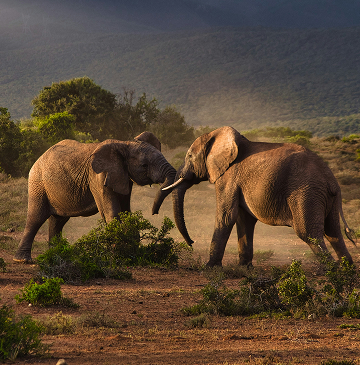
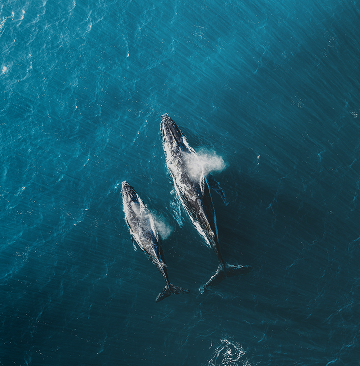
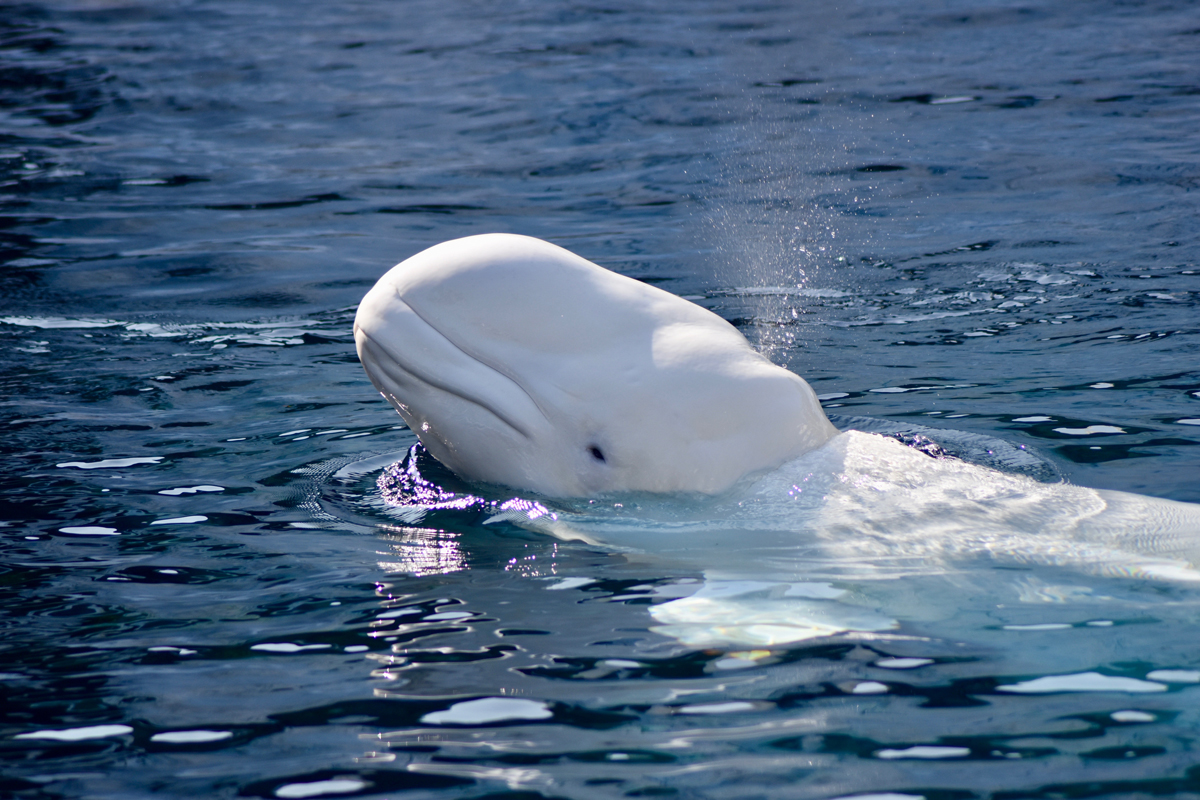
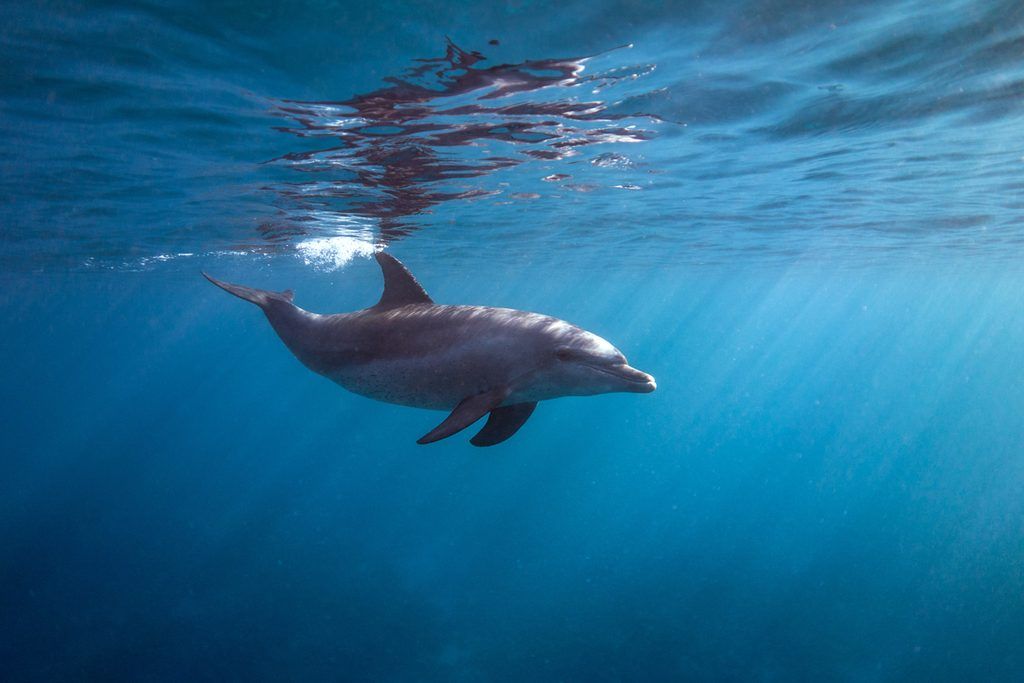
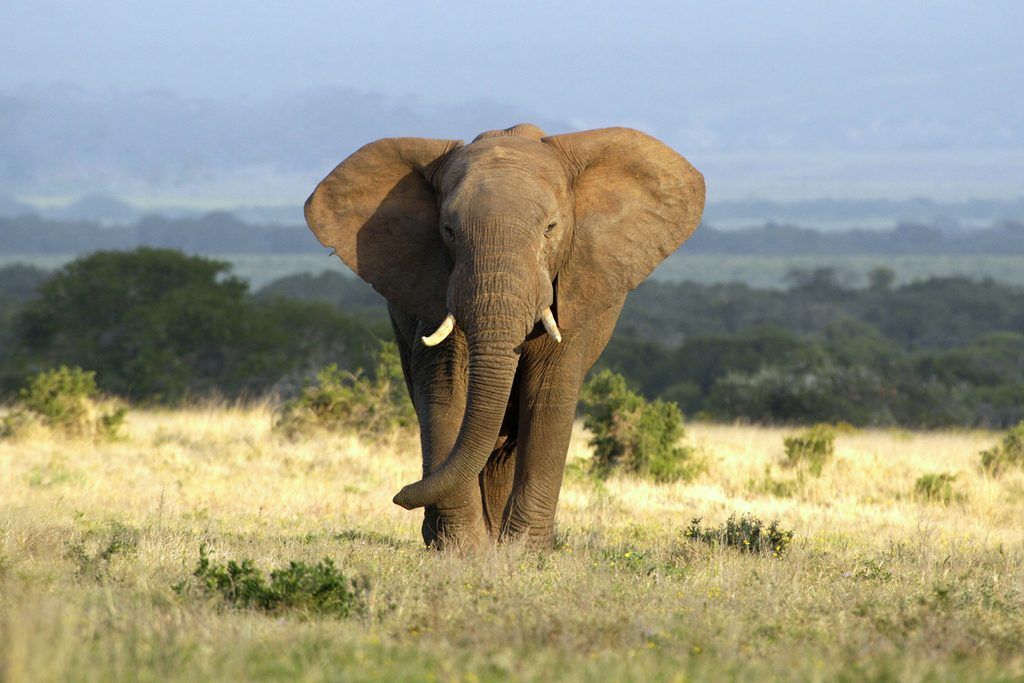
Humans generally develop this ability during early childhood, and chimpanzees, gorillas, and orangutans have repeatedly demonstrated mirror self-recognition. Other species that seem to display similar positive indications include elephants, dolphins, and beluga whales.
Eurasian magpies have also passed versions of the test, although more recent research has produced conflicting results. But passing the test demonstrates a particular kind of visual self-recognition, not necessarily the broader self-awareness humans experience.
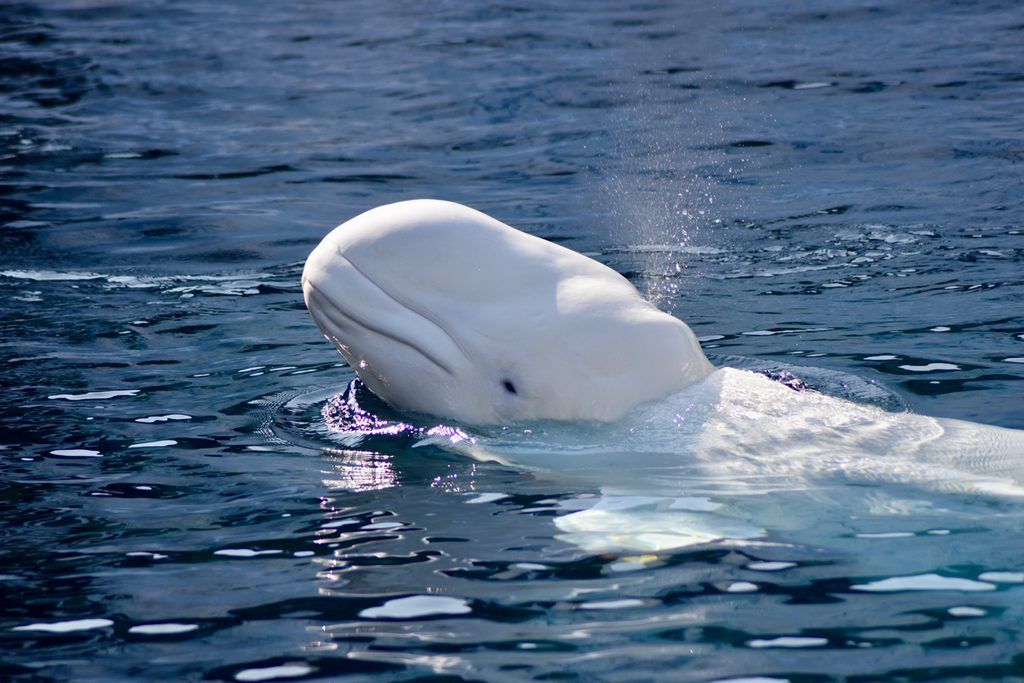
Most Animals Don’t Pass the Mirror Test
Failing the mirror test doesn’t mean an animal has no sense of itself. The test relies heavily on vision, which may put animals that experience the world primarily through other senses at a disadvantage.
For instance, dogs can distinguish their own scent after it’s been altered with another odor. In one study, dogs spent longer investigating the altered version, suggesting they noticed something had changed about their familiar scent and leading researchers to interpret their response as evidence that dogs recognize their own odor. Smell-based experiments may therefore reveal forms of self-recognition missed by a visual test.
Dogs also appear to have some awareness of their own bodies. In one experiment, researchers asked dogs to pick up and give their owners an object attached to the mat the dogs were standing on. To succeed, the dogs had to step off the mat so they could lift the attached object.
The dogs left the mat sooner and more often when the object was attached to themselves than when the object was attached to the bare ground instead, suggesting they understood when they needed to move their own bodies in order to free the mat and subsequently pick up the object. The results provide evidence that dogs can differentiate and recognize their own bodies in relation to their surroundings — a form of body awareness mirror tests can’t detect.
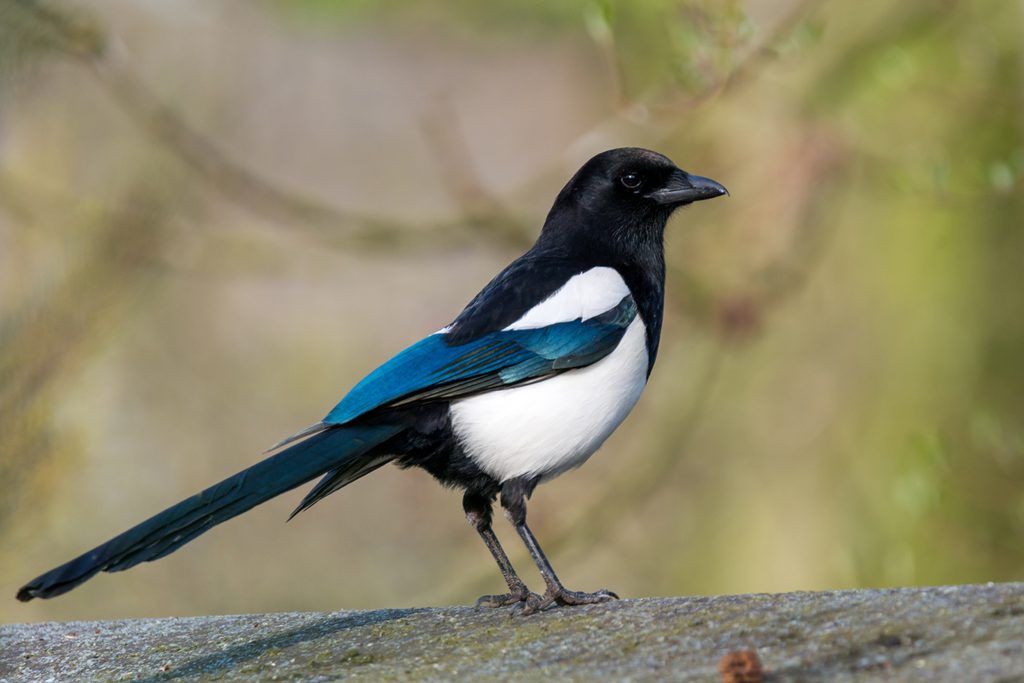
Animals May Know More About Themselves Than We Can Test
Mirror recognition is only one possible piece of the puzzle. Researchers are increasingly interested in other forms of self-representation, including how animals distinguish their own bodies, actions, and sensory information from those of other individuals.
Recent research suggests those abilities may be better understood as different components of self-representation rather than one single encompassing trait an animal either possesses or lacks. A 2026 review of mirror self-recognition research also identified biases in the way animals have traditionally been tested, including an emphasis on vision and on species with relatively large brains.
A whale, dog, or bird doesn’t experience the world exactly as we do, so a test designed around human vision may miss forms of self-knowledge that are expressed differently. So when your dog barks at the mirror, it may not necessarily mean he recognizes himself — but that reaction alone can’t tell us what the dog understands about its own body, actions, or identity.