12 Facts About Australian Wildlife
When it comes to wildlife, Australia likes to break the rules — and at times it seems to rewrite them completely. Many of its animals are unique to the continent, thanks to millions of years of complete geographic isolation from other landmasses.
This allowed its species to evolve along a separate path from the rest of the world, turning the continent into a living laboratory where nature experimented freely. The results were certainly colorful, ranging from the adorable to the bizarre to the slightly alarming. Here are 12 of the most interesting, surprising, and downright weird facts about Australian wildlife.
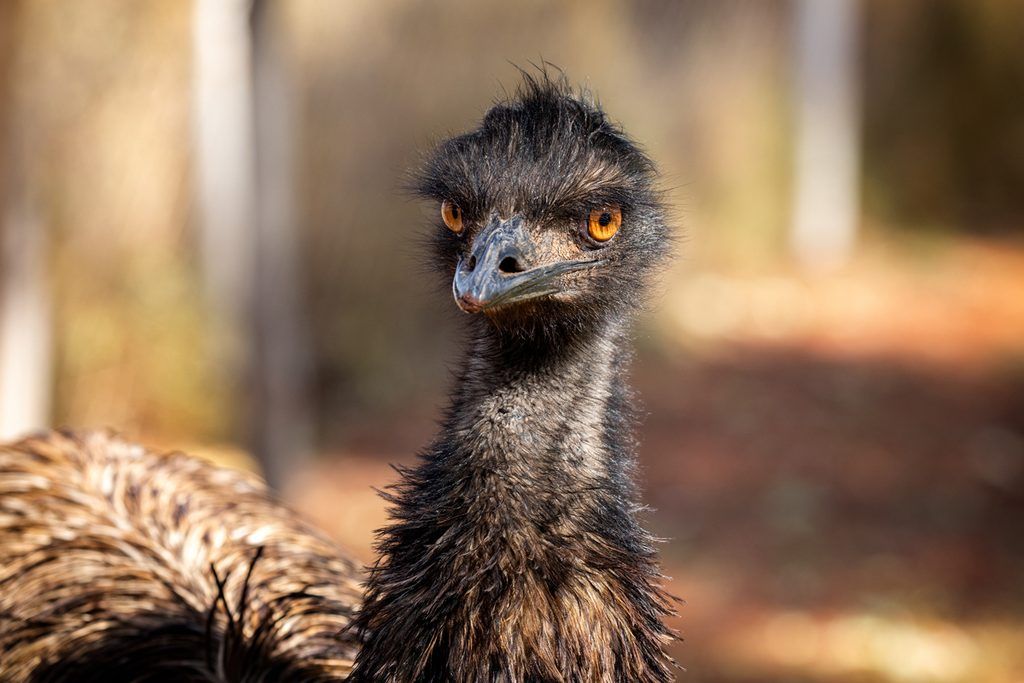
Emus Won a War Against the Australian Army
In 1932, soldiers armed with machine guns were sent into battle against roughly 20,000 emus that were damaging crops in Western Australia. This became known as the Emu War, and the emus basically won. The resilient birds proved surprisingly hard to kill and the campaign was abandoned, prompting much national and international ridicule.
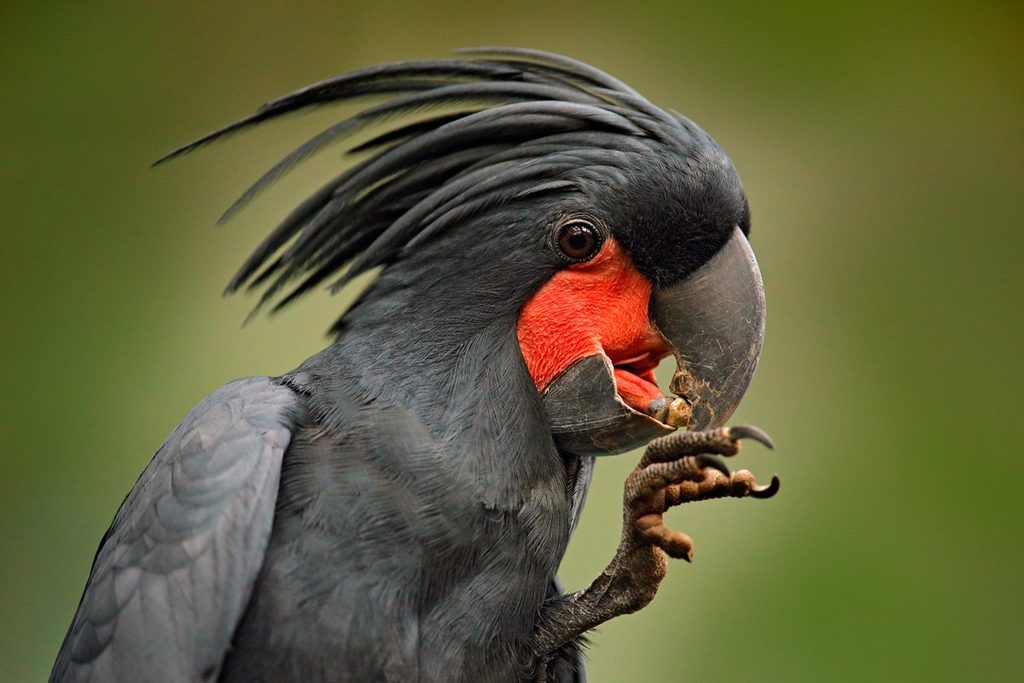
Most of Australia’s Wildlife Is Found Nowhere Else on Earth
Roughly 87% of Australia’s mammals, about 93% of its reptiles, and more than 90% of its frogs are found nowhere else on the planet. Almost half of its bird species are also only found in Australia.
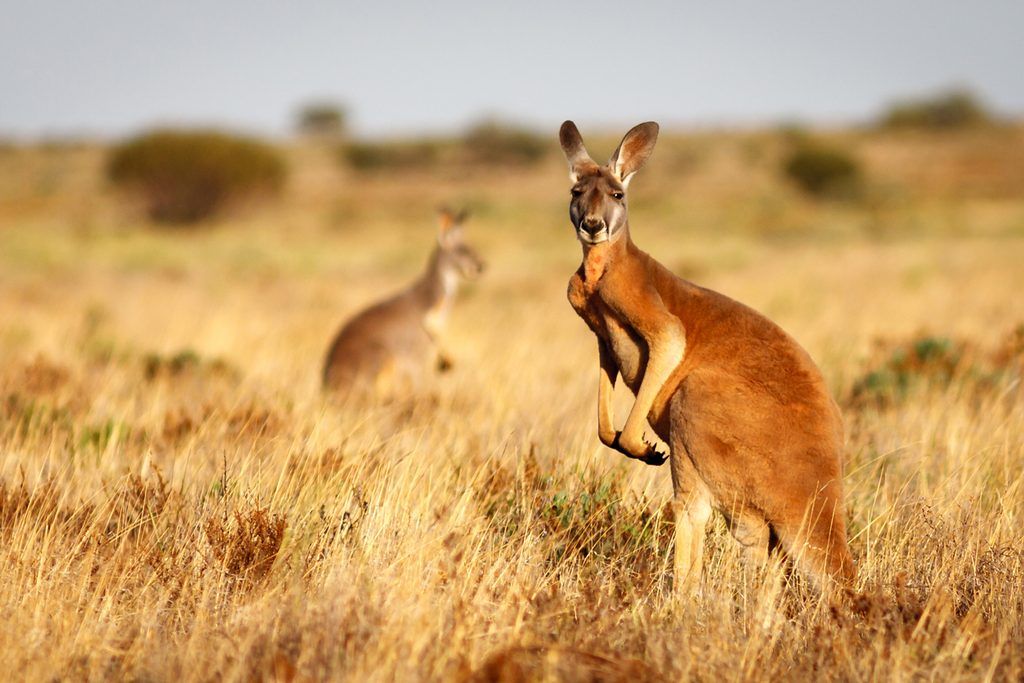
Kangaroos Can’t Hop Backwards
Kangaroos are excellent at leaping forward, but their powerful tails and the structure of their legs make hopping backward almost impossible. They can reverse if necessary, but only in awkward little shuffles.
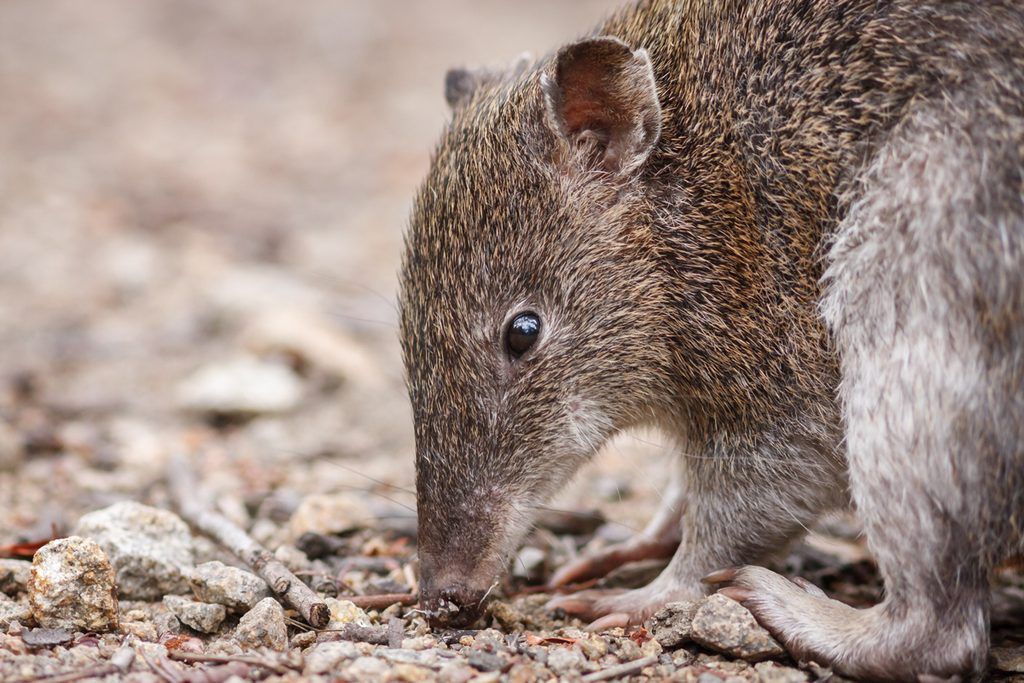
Half of All the World’s Marsupials Are in Australia
While the rest of the planet has mostly stuck with placental mammals, aka all living mammals except marsupials and monotremes (the latter including platypuses and echidnas), Australia doubled down on the pouch. The continent is home to at least half — and possibly as many as two-thirds — of the world’s roughly 300 marsupial species. These include kangaroos, koalas, wombats, bandicoots, opossums, and Tasmanian devils.
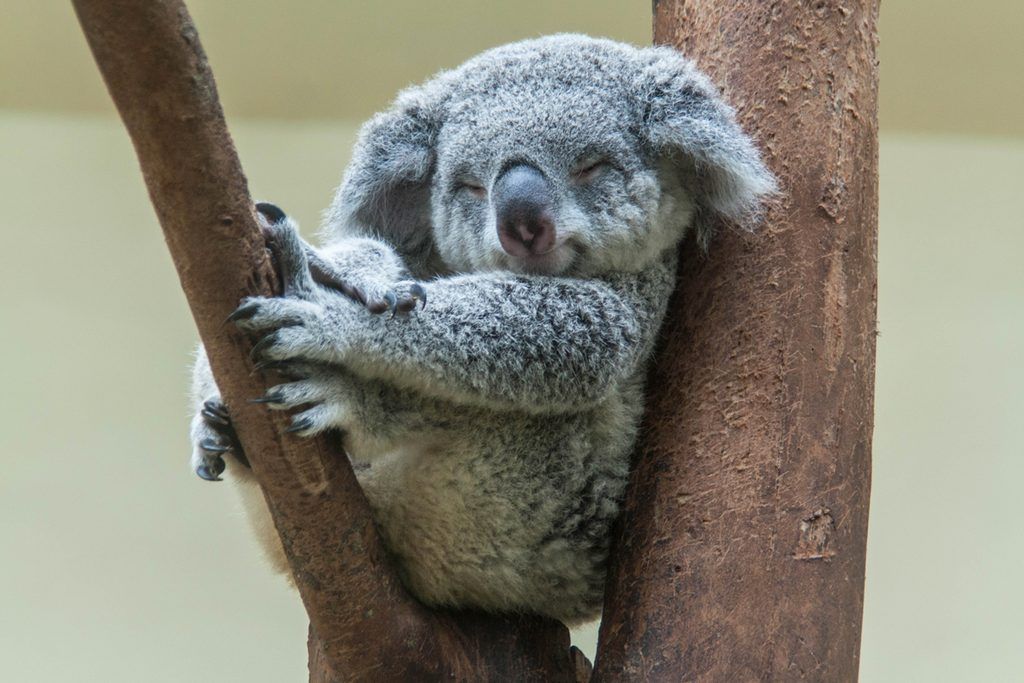
Koalas Sleep More Than Any Other Animal
Koalas are the sleepiest creatures in the animal kingdom, regularly sleeping up to 20 hours a day. Their eucalyptus-leaf diet is so low in nutrients and so full of toxins that they need extreme amounts of rest to conserve energy and process their food.
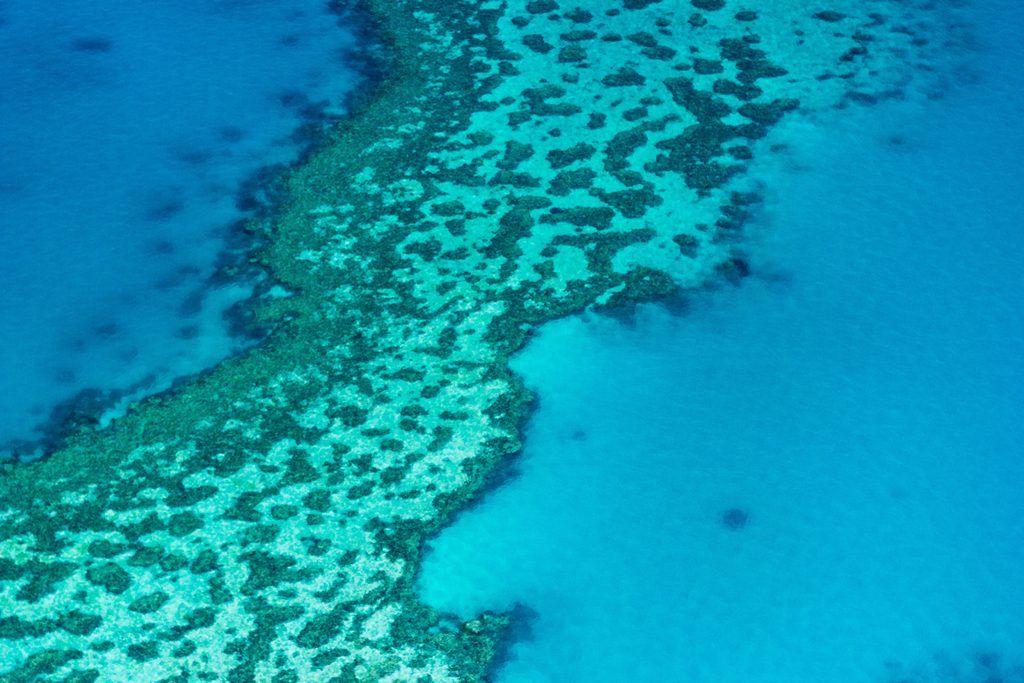
The Great Barrier Reef Is Earth’s Largest Living Structure
No living structure on Earth can rival the Great Barrier Reef in terms of size. Located off the coast of Queensland, it stretches for 1,429 miles across an area of about 133,000 square miles. It’s so big it can be seen from space.
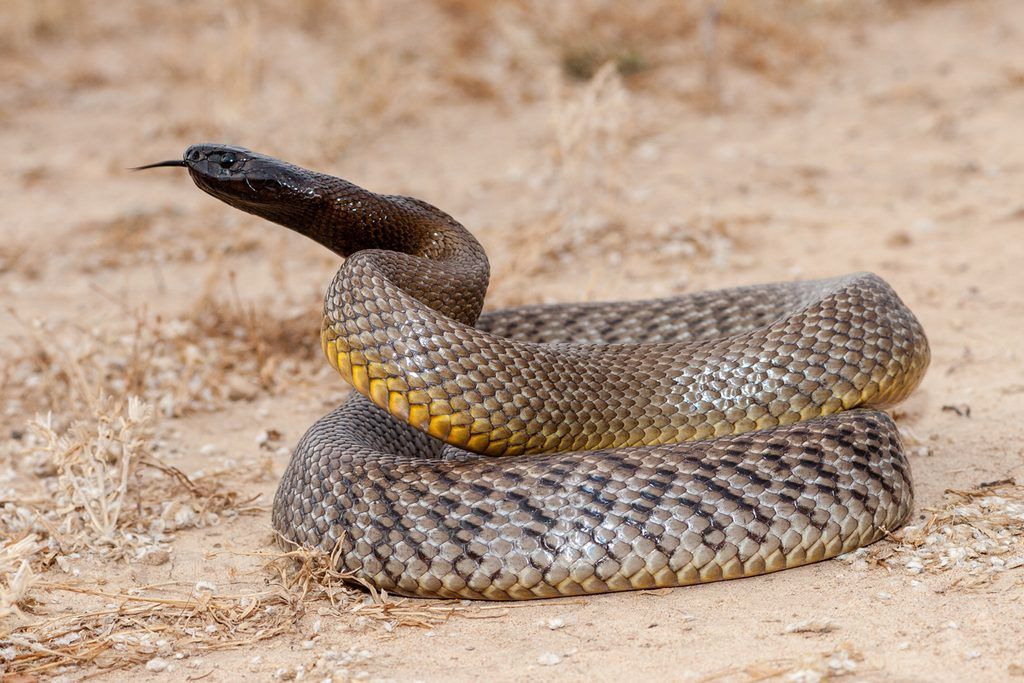
The Inland Taipan Is the World’s Most Toxic Snake
Australia has the dubious distinction of harboring the world’s most venomous snake, at least in terms of toxicity. A single bite from the inland taipan contains enough toxin to kill around 100 adult humans. Thankfully, the snake is shy and lives in remote areas, so encounters are rare.
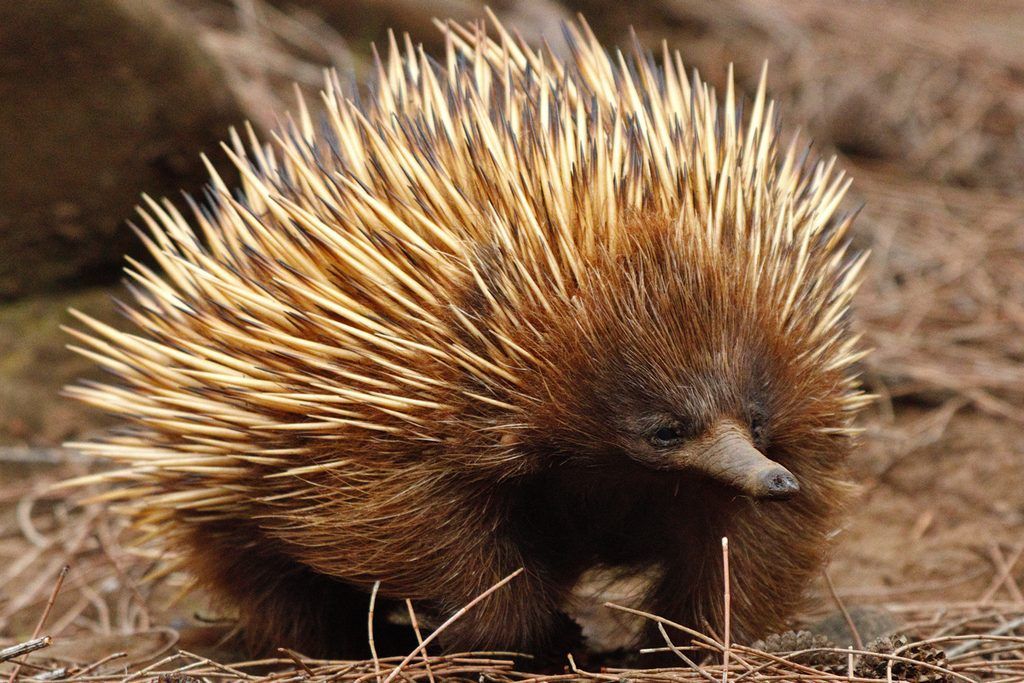
Australia Is Home to Two Egg-Laying Mammals
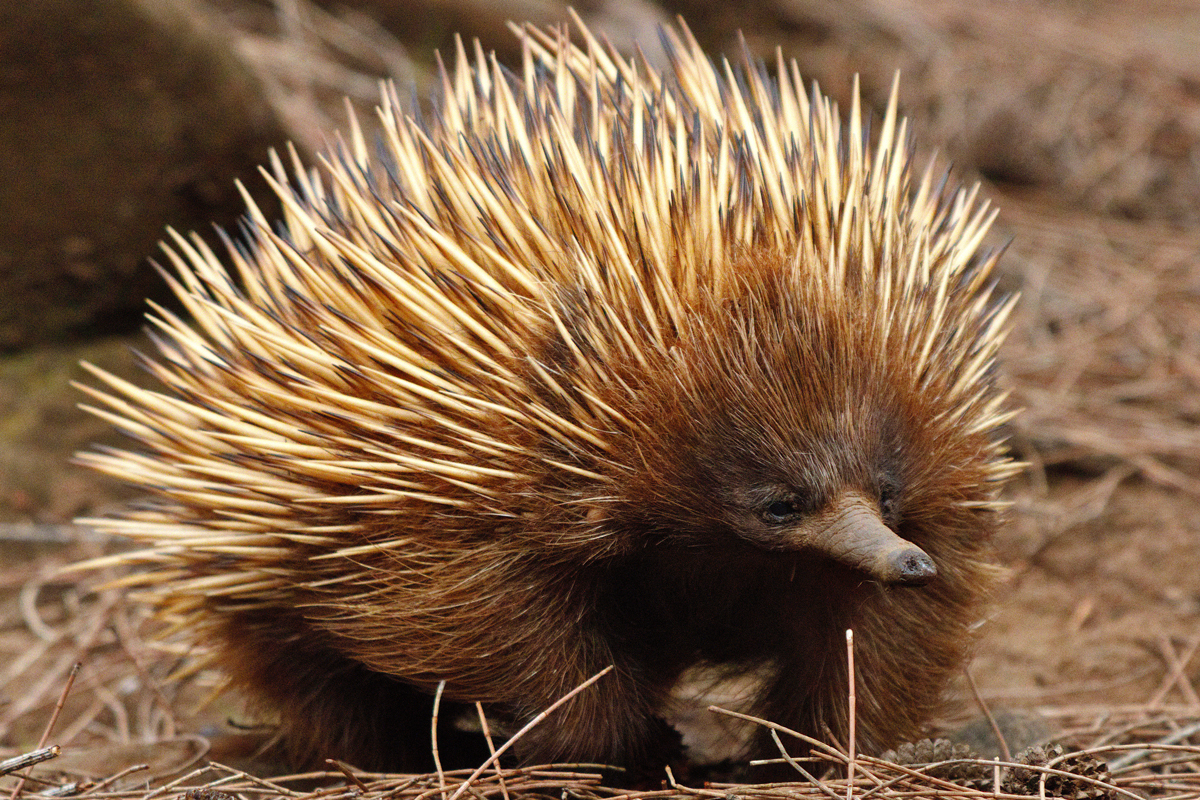
Of the five species of egg-laying mammals in the entire world, two live in Australia: the duck-billed platypus (a very strange creature indeed) and the short-beaked echidna (a spiky, slow-moving mammal a bit like a hedgehog). The other three egg-laying species are all long-beaked echidnas found not so far away in Tasmania and New Guinea.
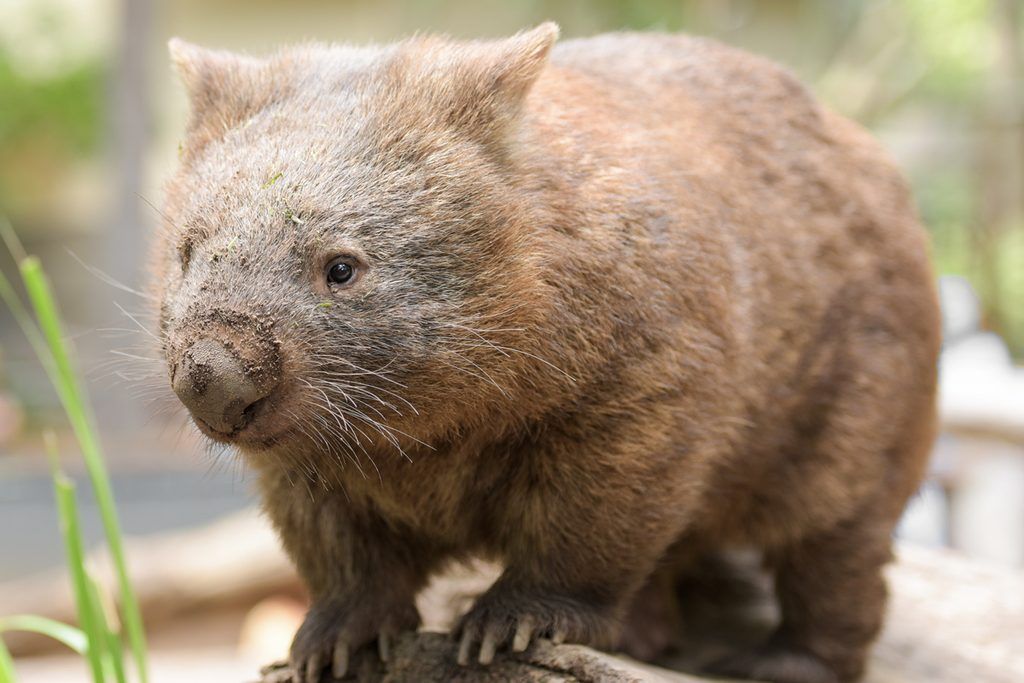
Wombats Produce Cube-Shaped Poo
Pooping out cubes sounds like a major design flaw, but wombats eject nearly 100 six-sided offerings every day. Their intestines are specially adapted to form distinctive cubic droppings, which they use to mark territory. The flat sides serve a specific purpose: They stop the poo from rolling away on uneven surfaces.
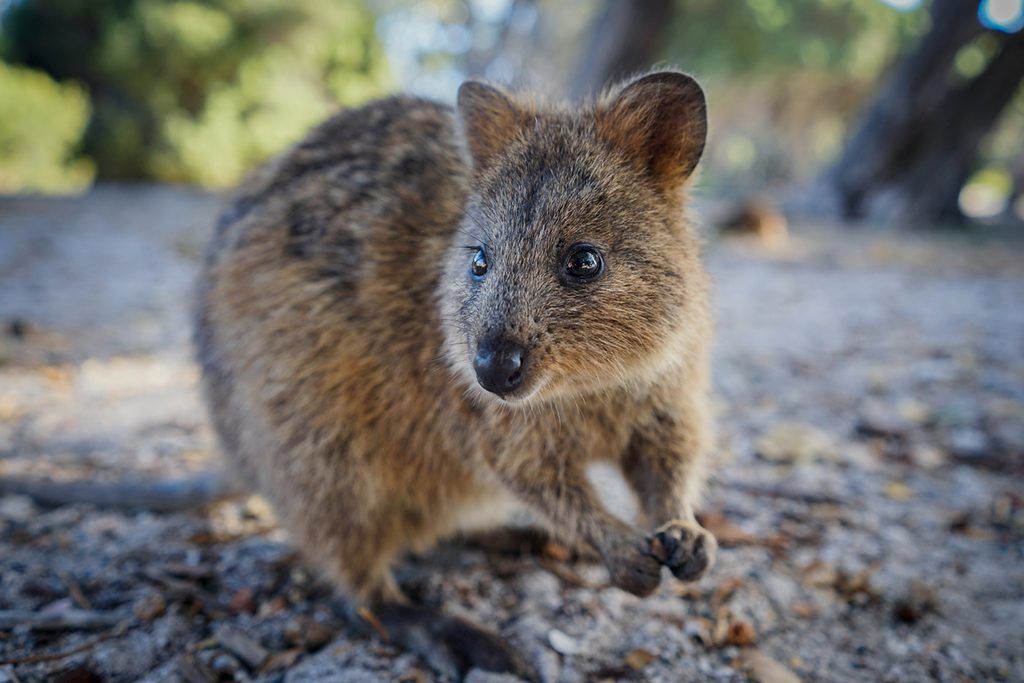
The “World’s Happiest Animal” Lives in Western Australia
The quokka is a small wallabylike marsupial found mainly on smaller islands off the coast of Western Australia. It’s often called the “world’s happiest animal” because of its naturally smiling expression. The cheerful look is due to the unique shape of its mouth — and, we’d like to think, some genuine joie de vivre — and has made the species a favorite on social media.
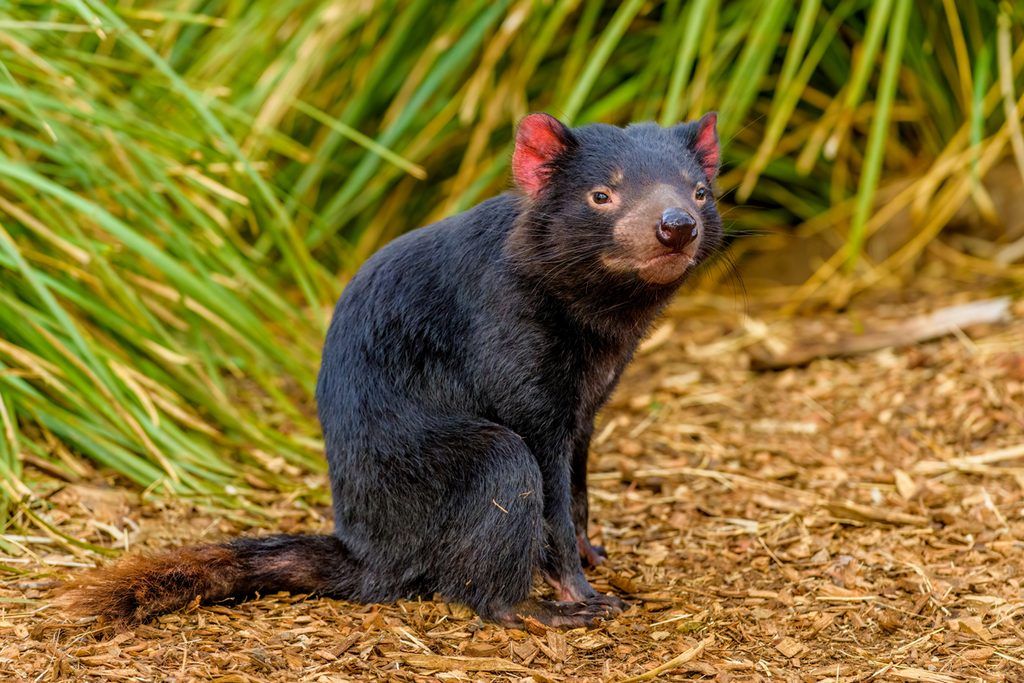
Tasmanian Devils Have One of the Animal Kingdom’s Strongest Bites
Tasmanian devils — stocky, muscular animals about the size of a small dog — have the strongest bite relative to body size of any living mammal. Capable of applying 418 newtons of force, their powerful jaws and bone-crushing teeth let them eat almost every part of a carcass, including fur and bones.
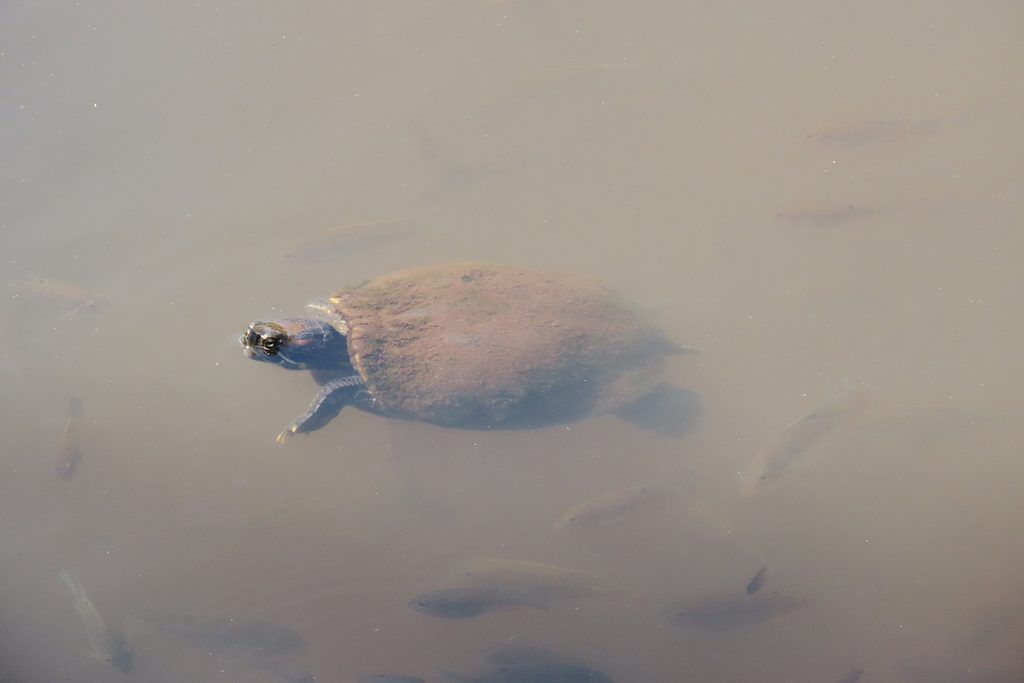
The Fitzroy River Turtle Can Breathe Through Its Butt
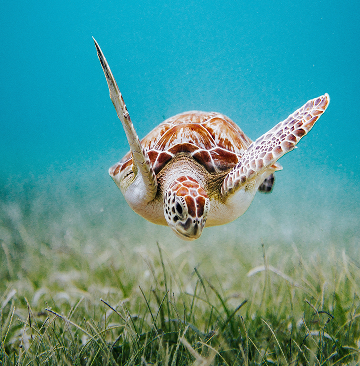
This freshwater turtle, found only in tributaries of the Fitzroy River in southeastern Queensland, absorbs oxygen from the water via specialized sacs in its cloaca; in other words, it can breathe through its backside. This strange ability allows the turtle to stay underwater for days at a time — and potentially indefinitely.