5 Birds With Clever Survival Tricks
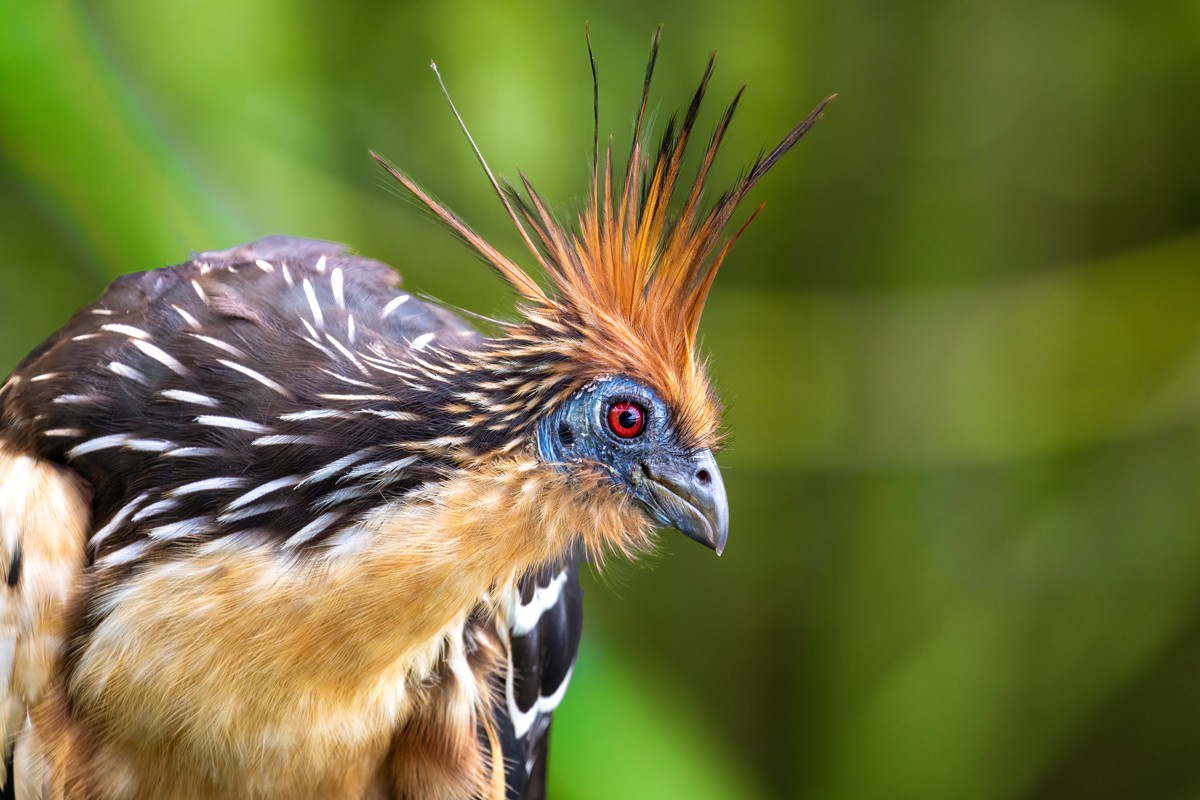

From the outside, birds can seem remarkably similar: feathers, wings, beaks, and the occasional catchy song. But expand your view across the bird family tree and you’ll find an incredible variety of survival adaptations. Some birds can smell prey hidden underground, others filter food from muddy water, and a few even hatch with claws on their wings. These are five extraordinarily clever examples of evolution’s ingenuity.
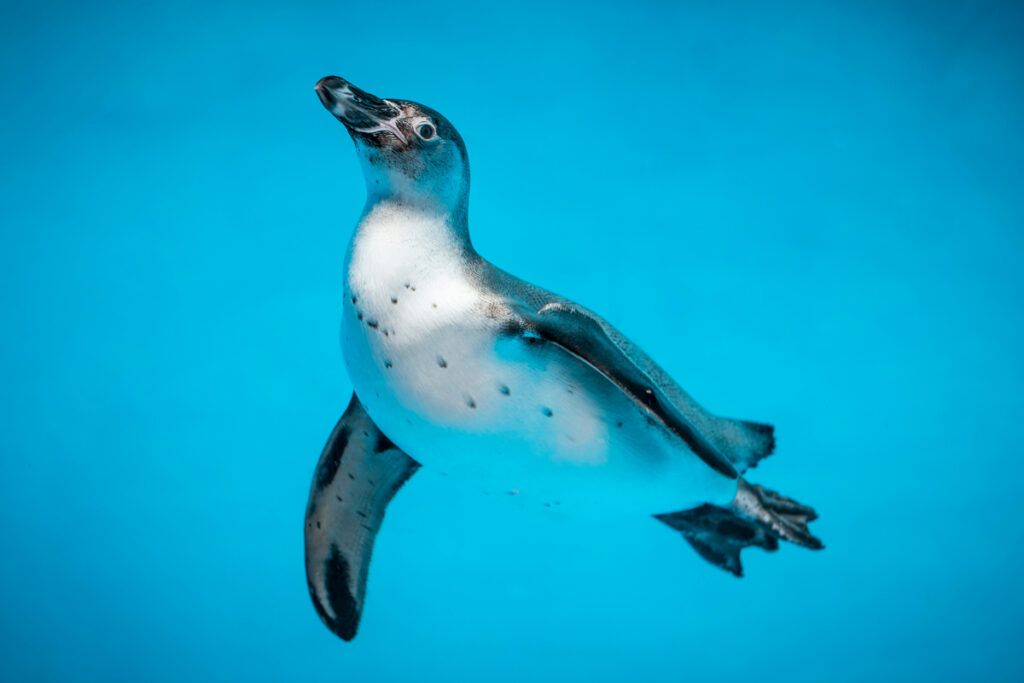
Penguins’ Paddle Wings
Most birds evolved for the sky, but penguins took a slightly different path. Instead of perfecting flight, they became master swimmers, perfectly adapted for life in the water. Some species spend months at sea, coming ashore only to breed or molt, so nearly every part of a penguin’s body is adapted for swimming and surviving frigid oceans.
Their feathers are unlike any flighted bird. They have thousands of feathers that are short, dense, and overlap in thick layers to form a waterproof outer coat. Beneath that outer coat, softer down traps a layer of insulating air against the skin, helping keep these birds warm even in near-freezing water. Their wings have also traded flight for function, evolving into stiff, paddle-like flippers that propel penguins through the water with remarkable speed and agility.
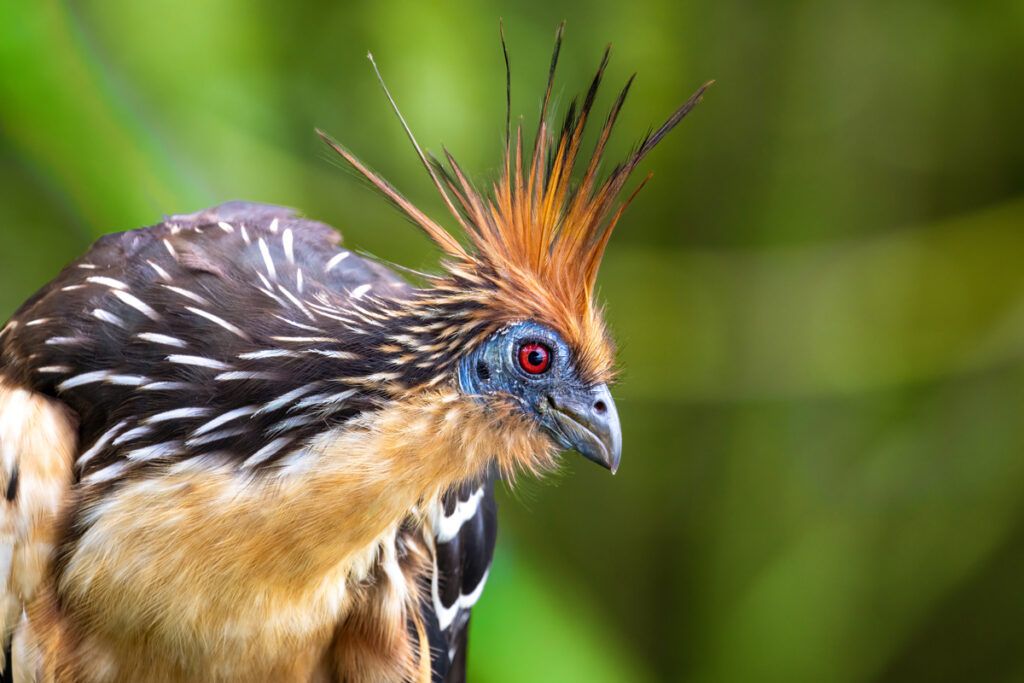
Hoatzins’ Clawed Wings
The hoatzin is an odd bird by almost every measure. Native to the swamps of South America, it has a distinctive odor that has earned it the nickname “stinkbird,” and it’s such a poor flyer that it prefers hopping clumsily through the trees. But its strangest feature belongs to its chicks, which hatch with small claws on the bends of their wings.
Those claws serve a very specific purpose. Hoatzin build their nests over water, and when danger approaches young chicks know to jump into the water below and swim to shore. Once the danger has passed, they use those claws to climb back up tree trunks and return to their nest. As the birds mature and become better fliers, the claws disappear. This is such a unique adaptation in the bird world, and has been traced back to the clawed wings of ancient avian dinosaurs.
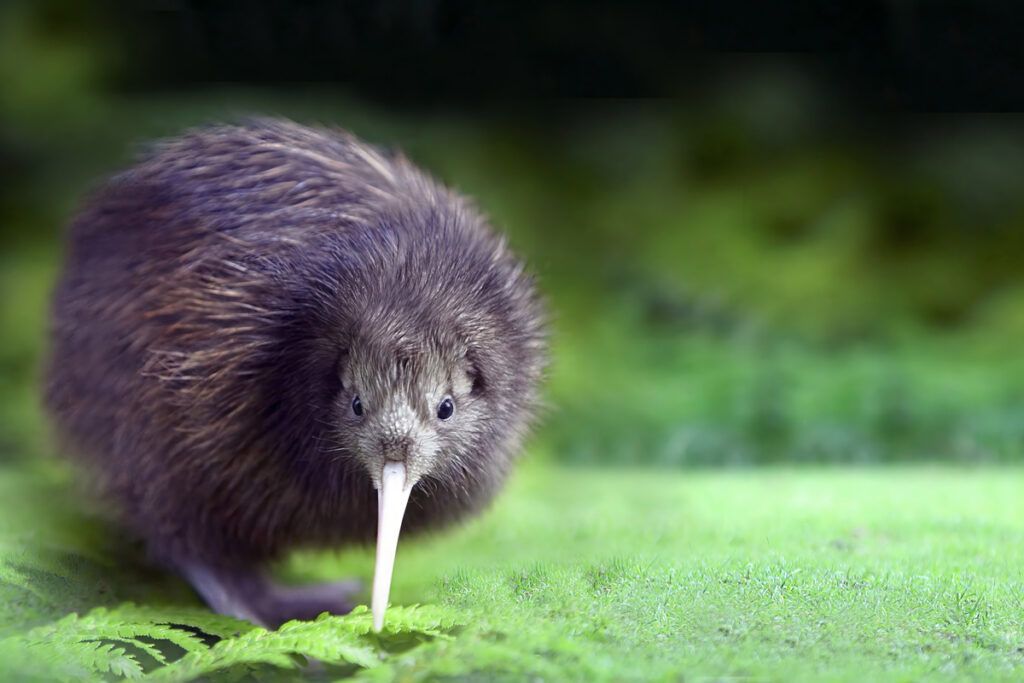
Kiwis’ Nostrils
Unlike other nocturnal birds like owls, kiwis have surprisingly poor eyesight. Instead, it relies on its sense of smell, which is far above that of other bird species. The olfactory section of their brain is enormous, and their external nostrils are located just above their long beaks, allowing them to sniff out worms and insects hidden in the dirt.
Smell isn’t its only trick. The tip of a kiwi’s beak is packed with sensory receptors that detect tiny vibrations in the soil, helping it pinpoint prey even in complete darkness. But these impressive senses come with a drawback: the kiwi can often be heard snuffling through the leaf litter, alerting others to its presence. Still, its remarkable nose and beak help it to navigate a world where most birds would be at a disadvantage.
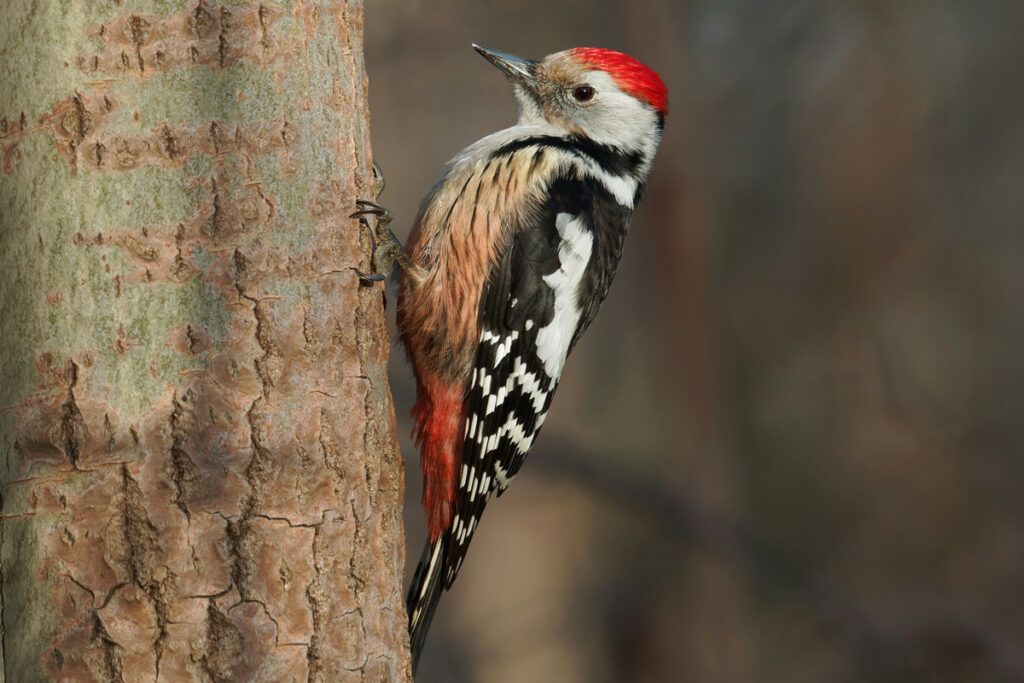
Woodpeckers’ Tongues
The sound of a woodpecker hitting a tree trunk or telephone pole is unmistakable. But how do these small birds withstand the force of banging without inflicting damage on themselves? The answer lies in several unique adaptations, including their impressive tongues.
Woodpeckers have extra long tongues tucked inside their beaks, but unlike other birds, those tongues are supported by an elongated set of bones called the hyoid apparatus, which help the tongue extend far beyond the beak and wrap around the back of the skull when retracted. This allows woodpeckers to reach deep into trees to snag insects and gives the woodpecker’s brain added protection during their pecking. Coupled with special skull bones, these woodpeckers can peck to their hearts’ content without damaging themselves.
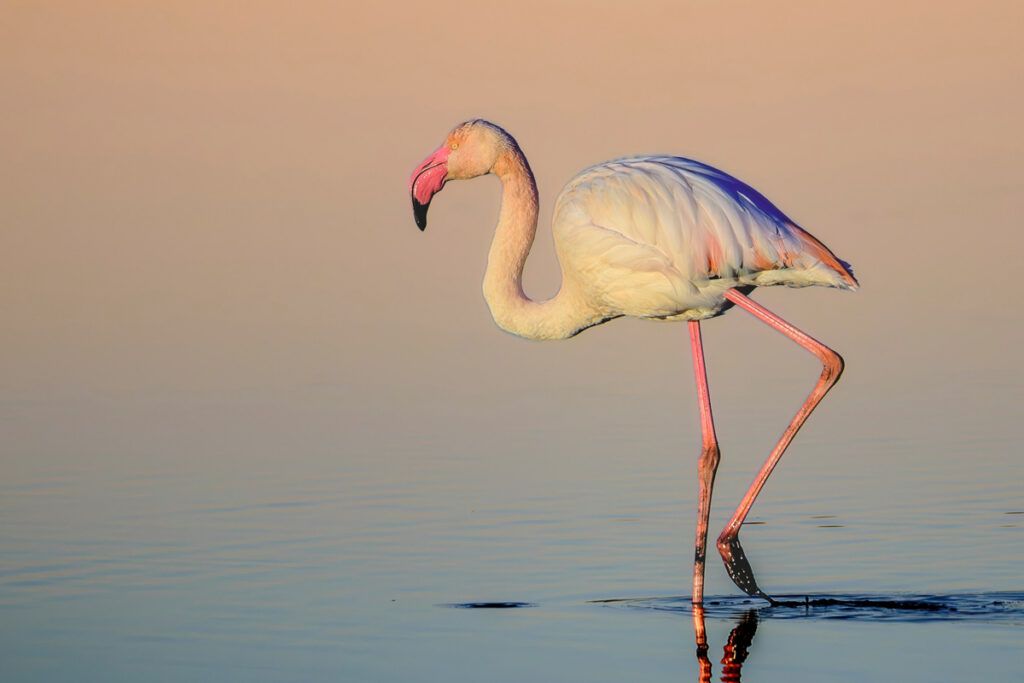
Flamingos’ Upside-Down Beaks
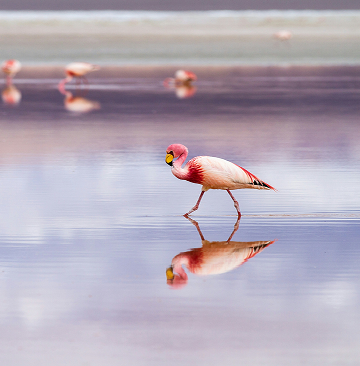
Bright pink feathers and a proclivity to standing on one foot might be the most famous features of a flamingo, but they are far from the most remarkable. Look closely and you might notice that the flamingo’s beak is curved upside down. They open their beaks using the top portion, instead of the lower jaw.
Using their limber necks, flamingos tilt their heads upside down and submerge in water to eat. As the bird lowers its head into shallow water, it sweeps its curved bill from side to side, scooping up water, mud, and tiny aquatic creatures. Their beaks feature an impressive filtration system that pumps water and mud back out, while keeping algae, shrimp, and other prey trapped. This built-in filtration system allows flamingos to thrive on food sources that many other birds simply can’t access.