5 Animals That Thrive Without Bones

As humans, bones seem rather fundamental to a body’s structure, but plenty of animals get along perfectly fine without them. Instead, these animals have evolved alternatives such as extra strong cartilage, shells, fluid-filled bodies, or flexible tissues to provide the structure and protection needed for survival.
The absence of bones may allow for smaller bodies or more flexibility in environments where a rigid skeleton would be more of a hindrance than a help. Here are five animals who make no bones about their bodily makeup.
Octopuses
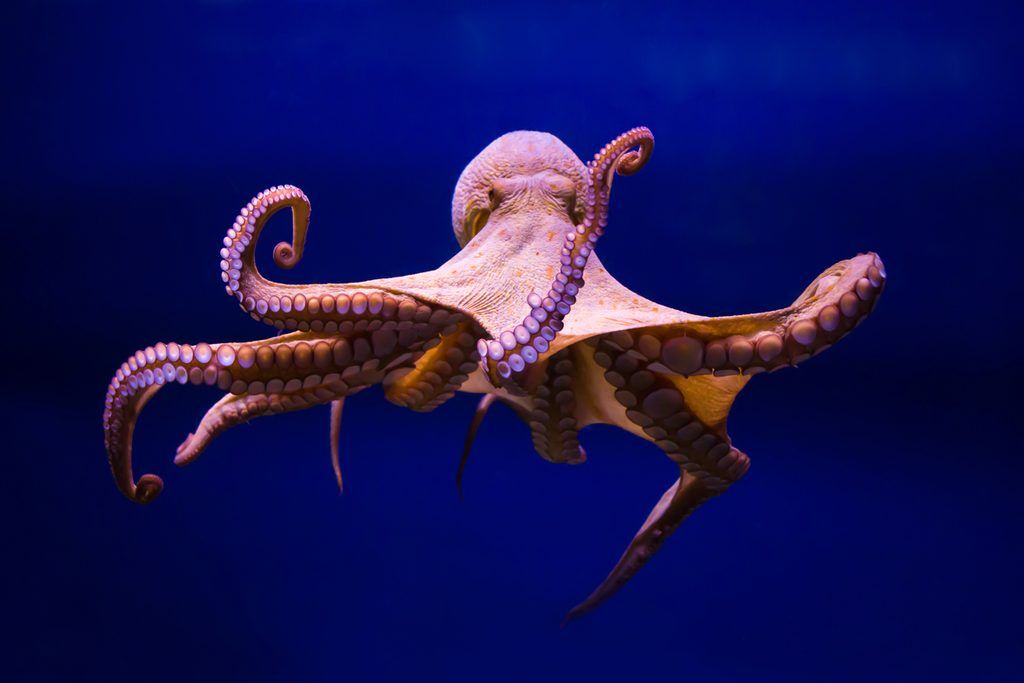
Undoubtedly one of the most famous boneless animals, octopuses are cephalopods, a group that also includes squid, cuttlefish, and nautiluses. Their ancestors had external shells, but over millions of years of evolution, cephalopods evolved to have smaller, internalized, and, eventually, no shells. For octopuses, losing that rigid outer structure allowed for a much more flexible and active body, helping them maneuver difficult habitats and squeeze into seemingly impossibly narrow spaces.
Today, an octopus has just one hard body part: its beak, which is made of chitin, a tough material formed from long chains of sugar molecules. This means an octopus can typically squeeze through any opening large enough for its beak to pass through — making these already complex creatures skilled escape artists too.
Sharks
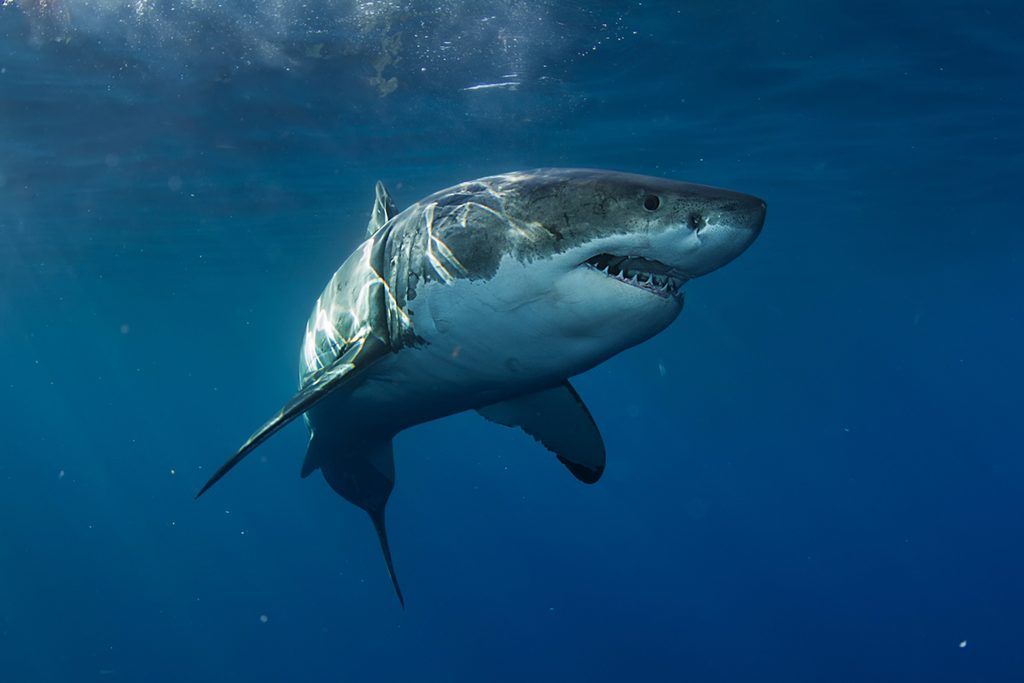
Sharks are vertebrates, but unlike most animals with backbones, they have no bones at all. Instead, they’re part of a group called cartilaginous fish, or chondrichthyans, and their skeletons are made almost entirely of cartilage — the same flexible material that makes up your ears and the tip of your nose.
It’s believed that sharks diverged from the ancestors of modern bony fish more than 400 million years ago, and their lighter, more flexible skeletons may have helped them become the highly skilled swimmers and predators we know them to be. As sharks mature, parts of their cartilage, including their jaw and spinal column, become hardened with calcium salts, making their skeleton stronger without the weight of true bones.
Spiders
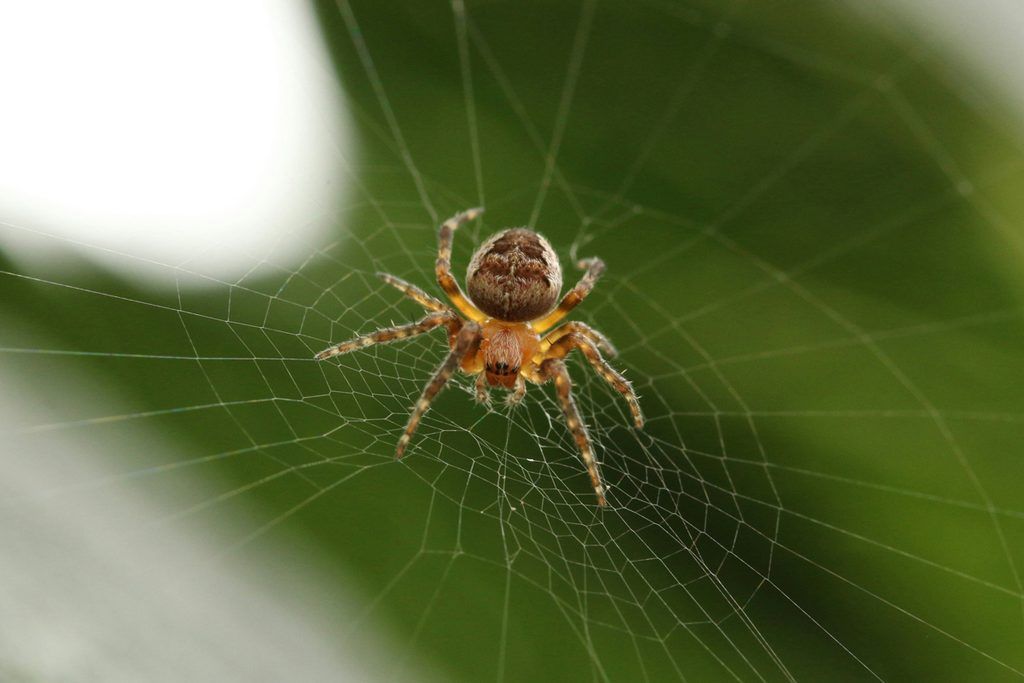
Spiders don’t have internal bones; instead, they wear their skeletons on the outside. Their exoskeleton,made primarily of chitin, gives the arachnid its shape and structure, protects the internal organs, and gives the muscles something to pull against. There is, of course, a major catch to having a skeleton on the outside: It can’t grow with the animal.
As a spider gets larger, it must shed its old exoskeleton and form a new, larger one in a process called molting. During this brief period, the spider’s new exoskeleton is quite soft, leaving it extra vulnerable to predators, and some spiders will even hide away or stop feeding while their new outer skeleton hardens.
Earthworms
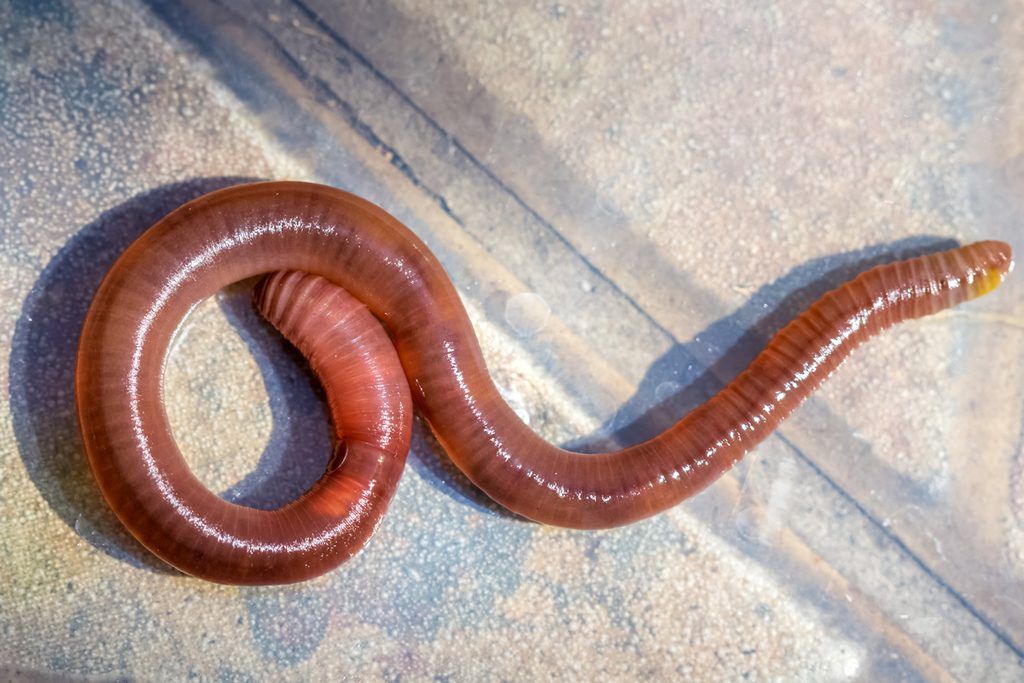
Earthworms may seem like fairly simple creatures, but their boneless bodies actually contain a clever built-in support system. These annelids move themselves using a hydrostatic skeleton: Their segmented bodies are filled with fluid, creating pressure for their muscles to push against.
By contracting and relaxing different sets of muscles, earthworms alternately stretch and shorten their bodies, inching their way through the underground. Tiny bristles called setae also run along their body segments, helping anchor parts of the body as the worm moves. For an animal that spends much of its life burrowing, this flexibility is certainly much more useful than a rigid skeleton would be.
Starfish
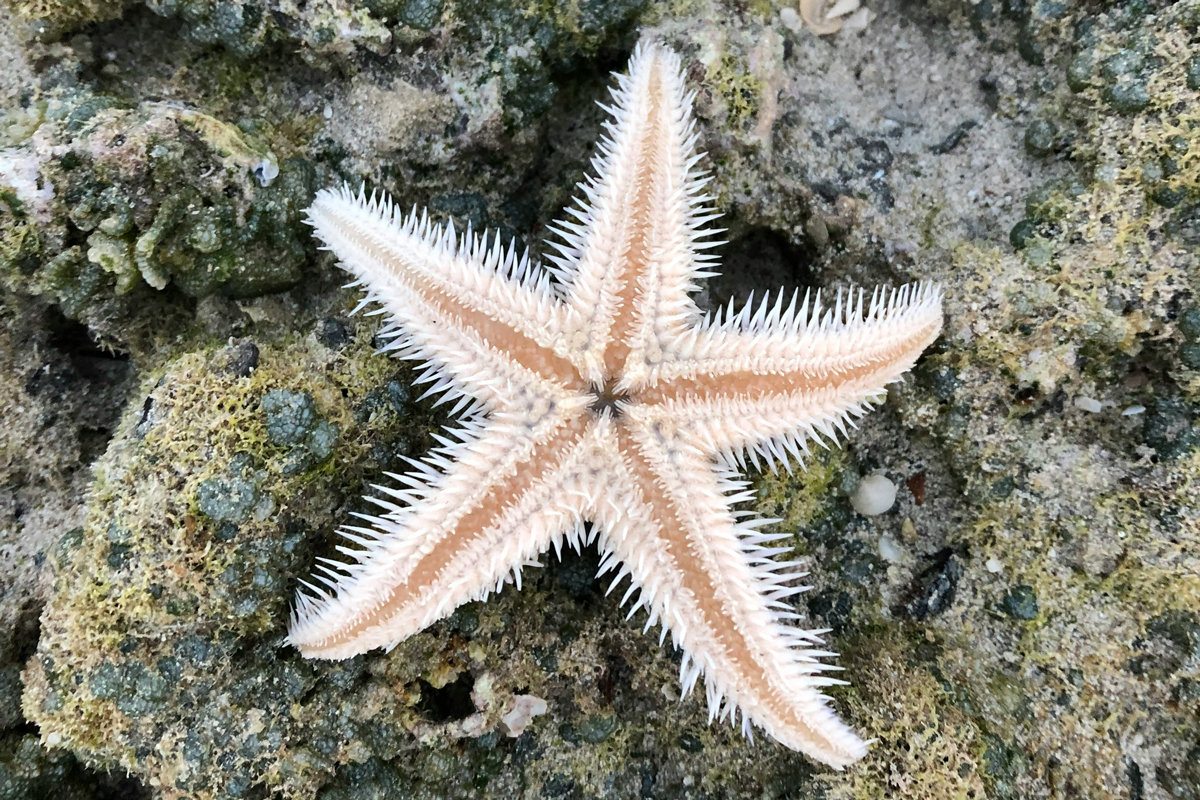
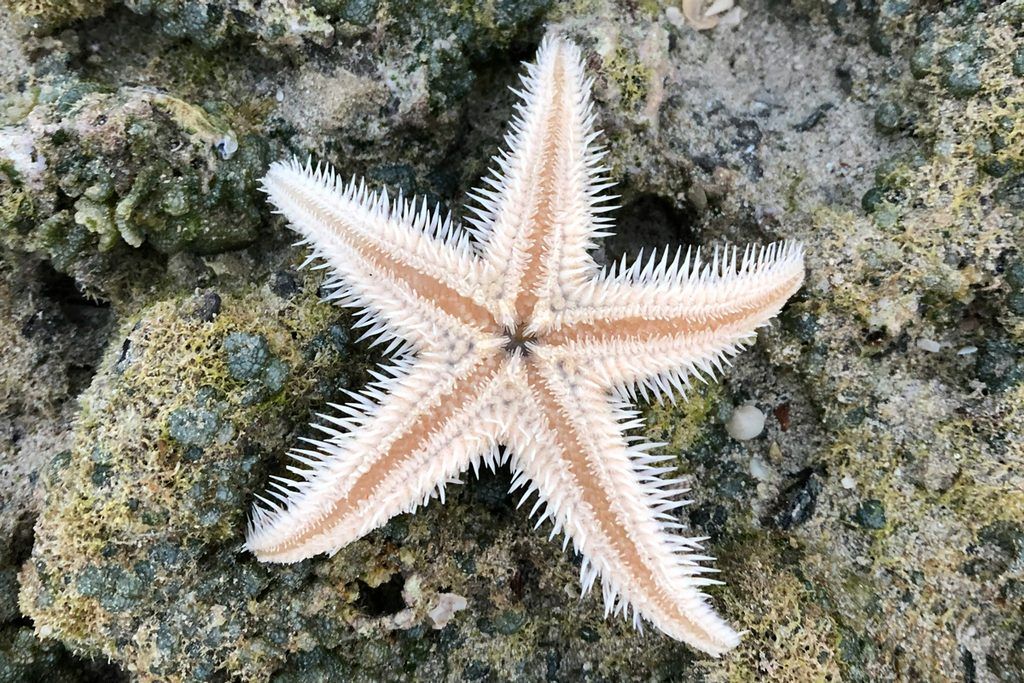
Underneath a starfish’s squishy-looking skin is a surprisingly complicated internal framework that makes them tougher than they appear. These echinoderms don’t have bones like vertebrates do; instead, their bodies are supported by hundreds or even thousands of tiny, honeycomblike calcium-carbonate structures called ossicles (not to be confused with the ossicles in human ears).
The ossicles are embedded in their skin and connected by muscles and tissues, creating a framework that supports the starfish without making it rigid. This makeup, known as an endoskeleton, gives starfish a useful mix of strength and flexibility.