Can Animals Get Frostbite?

Your pet may seem perfectly happy bounding through the snow, and wildlife may appear built for even the harshest winter conditions. But while many species have incredible adaptations to help them survive freezing temperatures, even the best natural defenses have limits.
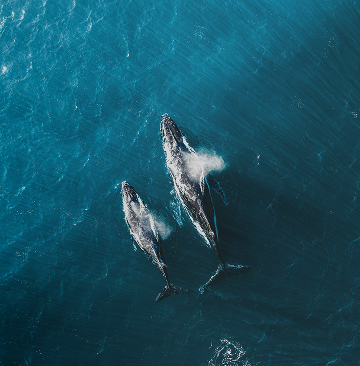
Some animals are specifically built for life in extreme cold: Polar bears, penguins, Arctic foxes, seals, and other cold-climate creatures have evolved to handle conditions that would be dangerous or even deadly for most species. They rely on thick insulation, specialized circulation, body shape, and strategic behaviors that help them conserve heat. Creatures that live in more moderate climates, meanwhile, often lack those extreme adaptive traits and can be much more vulnerable when exposed to prolonged freezing temperatures.
When temperatures plunge, animals face the same basic challenge humans do: retaining enough heat inside the body to survive. So when they struggle to do that, do they also risk frostbite like we do? Let’s take a look.
How Does Frostbite Happen?
Frostbite occurs when body tissues freeze, causing ice crystals to damage cells and blood vessels. The greatest risk is in exposed areas of the body with less insulation and reduced blood flow, including ears, tails, paws, noses, feet, and other extremities.
The body responds to cold by narrowing blood vessels in the extremities, directing warm blood toward vital organs such as the heart and brain. This process, known as vasoconstriction, helps protect essential organs but leaves exposed tissues more vulnerable. Wind, moisture, and contact with snow, ice, or frozen ground can accelerate heat loss and increase the risk of injury.
If tissues remain cold for too long, blood flow can slow dramatically or even stop, allowing ice crystals to begin forming inside cells and damaging their structure. When the tissue warms up again, the return of blood flow can trigger inflammation and cause additional damage.
Animals experience the same biological process as humans. Any species exposed to severe cold for a long enough period can develop frostbite if its natural defenses are overwhelmed.
Even Arctic Animals Have Limits
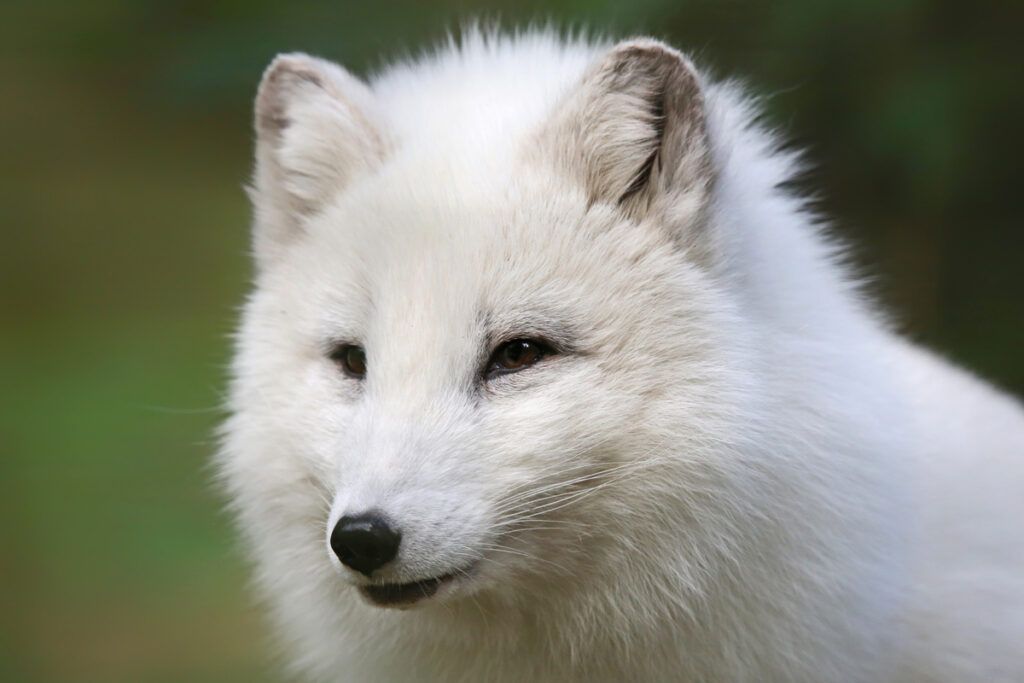
Animals that thrive in freezing environments have evolved remarkable strategies for surviving the cold. Arctic foxes, for example, grow dense seasonal coats and have fur-covered paws that provide insulation while traveling across snow and ice. Polar bears combine thick fur with a deep layer of blubber that traps body heat, while seals and other marine mammals depend heavily on blubber to stay warm in icy water.
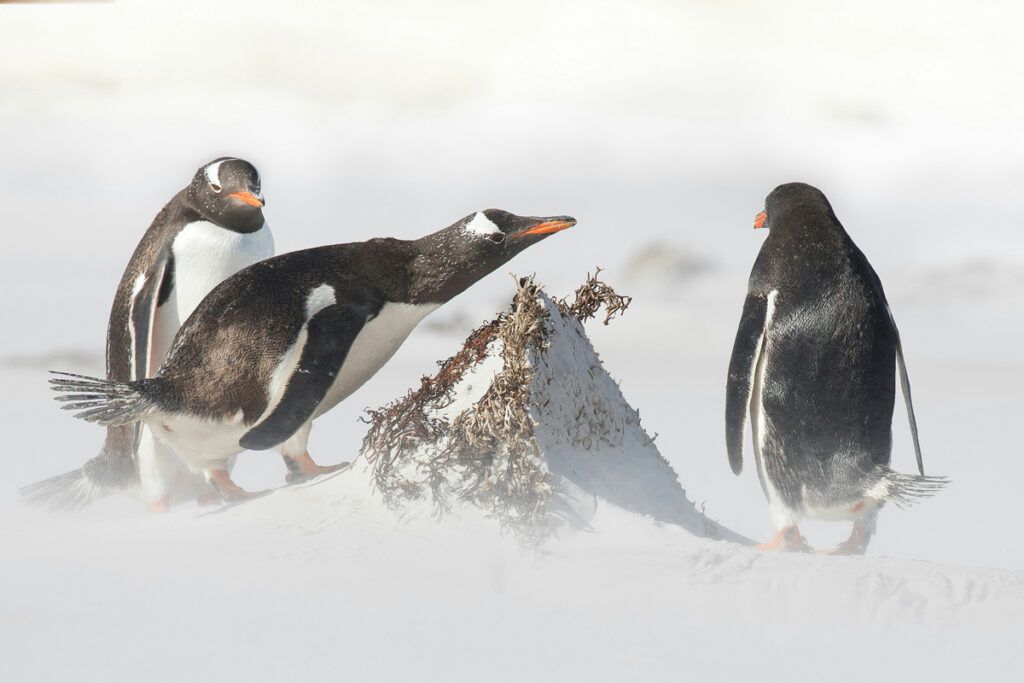
Penguins and some Arctic and Antarctic mammals use a specialized adaptation called countercurrent heat exchange. In these animals, arteries carrying warm blood run alongside veins returning colder blood from the extremities. Heat transfers between those vessels before the blood reaches the feet, flippers, or paws, helping maintain core body temperature while reducing heat loss.
Many cold-weather species also benefit from body shapes and behaviors that help conserve heat. Compact bodies reduce the amount of surface area exposed to the cold, while thick layers of insulation prevent heat from escaping. Animals may curl into tight positions, tuck their feet beneath their bodies, huddle together for warmth, or seek shelter in dens, burrows, tree cavities, or beneath snow.
However, those adaptations are designed to improve animals’ survival, not make them immune to freezing injuries. Young, elderly, injured, or malnourished animals are especially vulnerable, as are those caught in prolonged storms, freezing rain, or unusually harsh conditions.
Wet fur loses much of its insulating ability, and strong winds can diminish body heat much faster than still air. During extreme winters, even animals that are specially adapted to cold environments can develop frostbite.
Can Our Pets Get Frostbite?
Domestic animals are also vulnerable to frostbite, especially if they spend long periods outdoors during severe winter weather. Dogs and cats most commonly develop frostbite on exposed areas such as their ears, tails, paws, and noses.
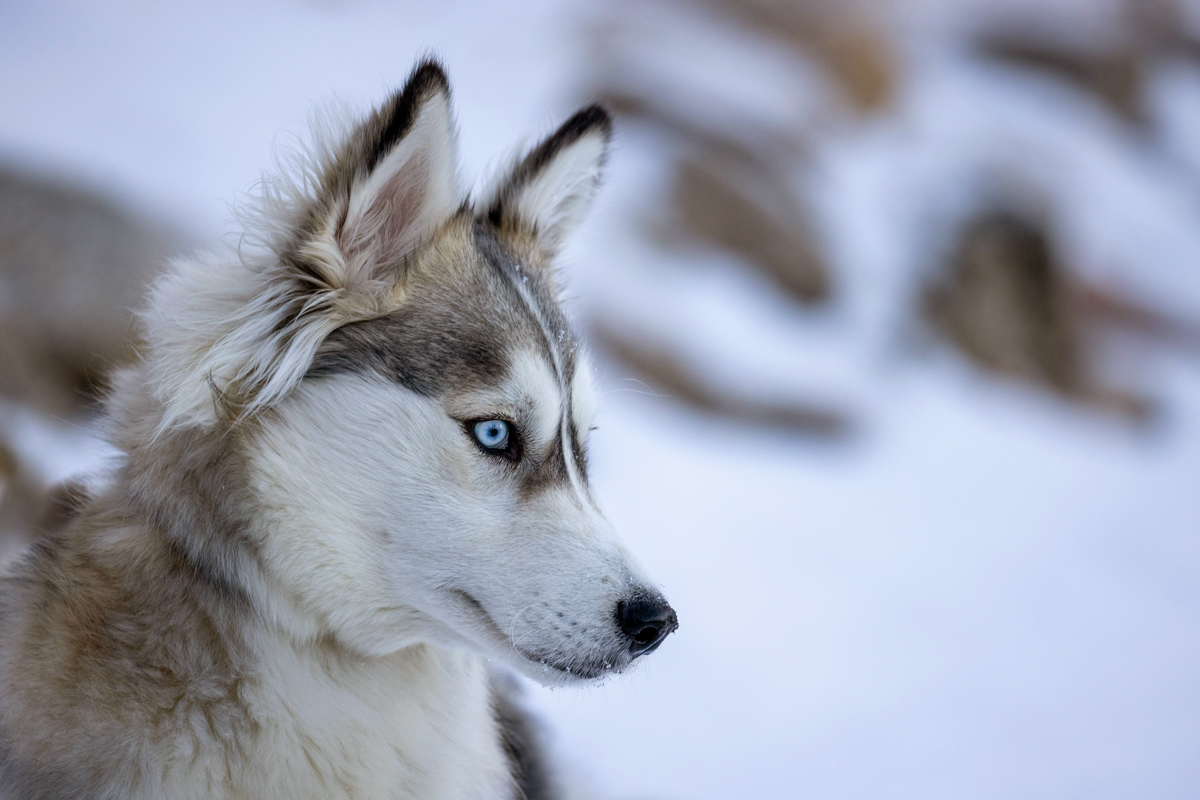
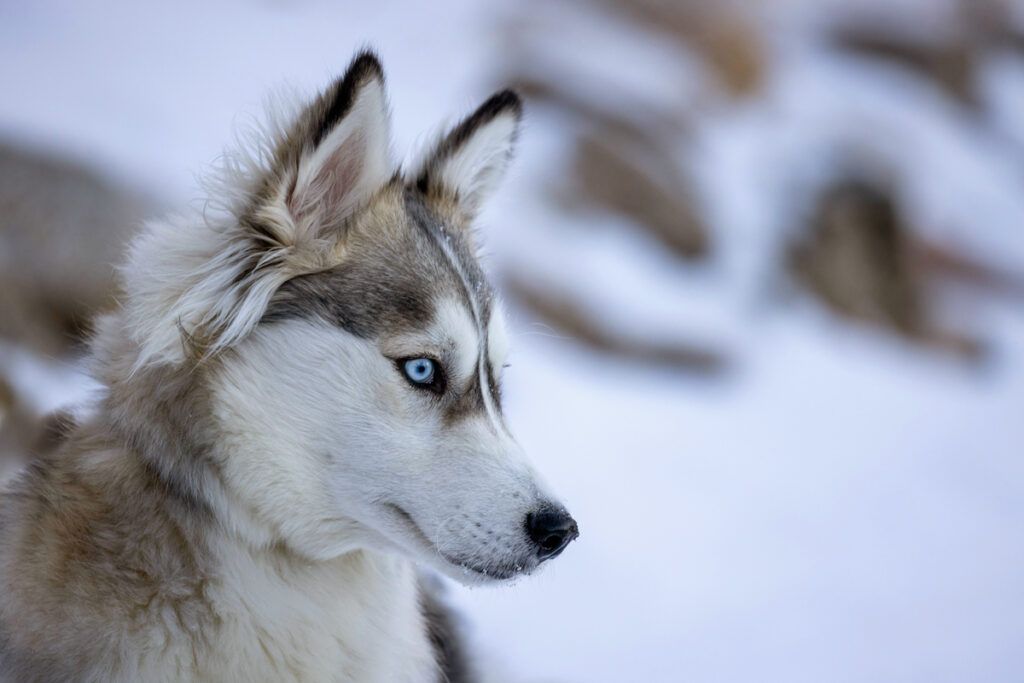
Some breeds are better equipped for cold conditions than others. Cold-weather dogs such as the Alaskan Malamute and Siberian Husky have thick double coats that provide insulation, while cat breeds such as the Maine Coon and Norwegian Forest Cat have dense, insulating coats that help them better tolerate cold temperatures.
But again, those adaptations only slow heat loss; they don’t make pets immune to frostbite. Even hardy breeds can suffer injuries to exposed tissues during prolonged exposure to freezing temperatures, wind, snow, or ice. (Any pet suspected of having frostbite should be examined by a veterinarian as soon as possible.)
Whether in the wild or at home, safely surviving the winter depends on maintaining a balance between conserving heat and avoiding exposure. Frostbite is a reminder that even the most impressive cold-weather adaptations have limits when temperatures become extreme.