Can Animals Actually Smell Fear?

Your pulse spikes as an unfamiliar dog passes you on the sidewalk or as you see a bear step onto the trail ahead. Conventional wisdom says to suppress your panic before the animal catches its scent — but can those creatures actually smell your fear?
When you’re frightened, your brain activates the body’s stress response, often called the fight-or-flight response. The sympathetic nervous system kicks into gear, and hormones such as adrenaline and cortisol help prepare you to respond to a perceived threat.
This sets off physical changes throughout your body, from a faster heartbeat and altered breathing to increased sweating and the release of stress hormones. Some of those changes also affect the chemical compounds your body releases. So is there any truth behind the idea that animals can sense those compounds?
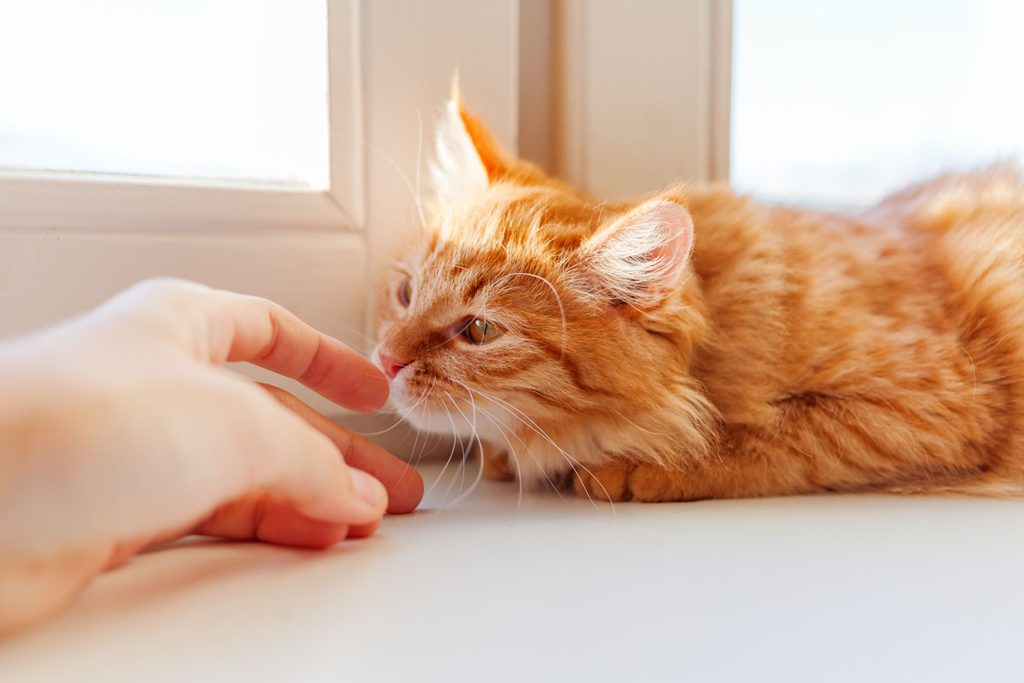
Fear Changes Your Body Chemistry
When your sympathetic nervous system is triggered by emotional stress, it increases activity in the apocrine sweat glands, which are concentrated in areas such as the armpits and groin. Unlike the watery, mostly odorless sweat produced to cool the body, apocrine secretions contain proteins, fats, and other substances that can be broken down by bacteria on the skin. That process produces many of the compounds associated with body odor and provides chemical cues that other animals — and even other humans — may be able to detect.
Scientists sometimes refer to chemical signals associated with emotions as chemosignals. There isn’t necessarily a single identifiable “fear chemical,” but fear and stress can produce a combination of compounds that may convey information about what’s happening within you.
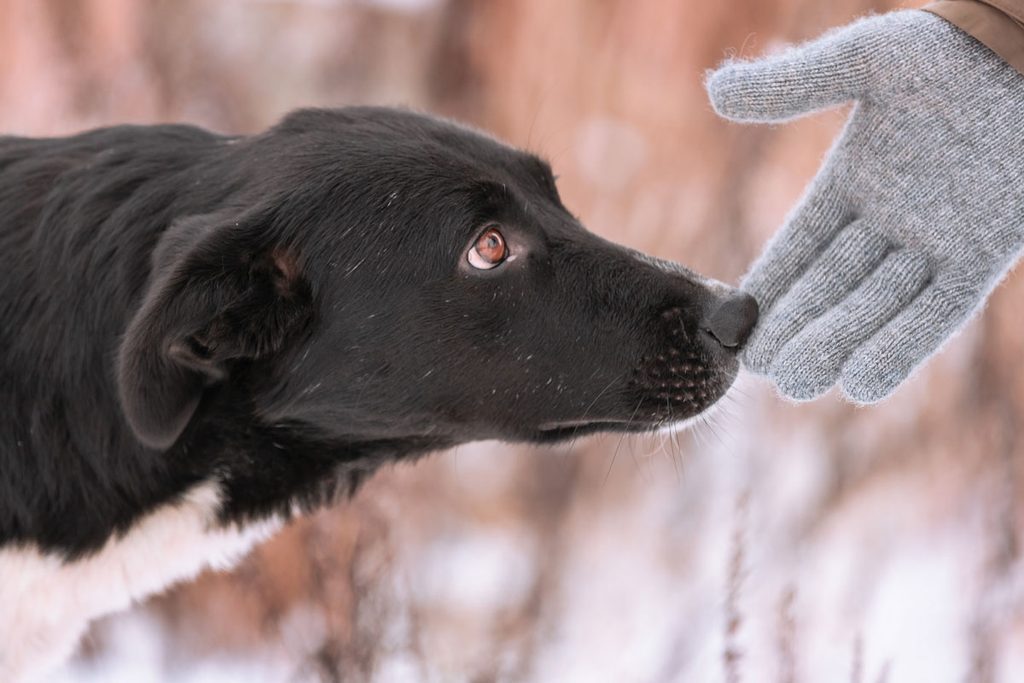
Dogs Are the Best Evidence of Animals “Smelling” Fear
Much of the research into whether animals can smell human emotions involves dogs, which have an extraordinary sense of smell and a long history of living closely with people. In controlled experiments, researchers have exposed dogs to human sweat or breath samples collected while people were experiencing different emotional states, including fear, stress, and happiness.
When presented with fear-related samples, dogs showed different behavioral responses than when they encountered samples associated with happiness or neutral emotions, suggesting they can detect chemical differences associated with human emotions. Other research has found that the odor of human stress can influence dogs’ behavior and even affect how they respond to uncertain situations, making them more likely to display signs of fear themselves.
But dogs aren’t the only animals researchers have studied. Experiments with horses have also found they respond differently to human body odors associated with emotions such as fear and happiness, and researchers have begun exploring emotional chemosignaling between humans and cats as well.
Outside a laboratory, however, scent is only one source of information. Dogs and other animals can also notice changes in body posture, movement, breathing, facial expression, and voice. So what seems like an animal “smelling fear” may actually involve them gathering data from several different sources.
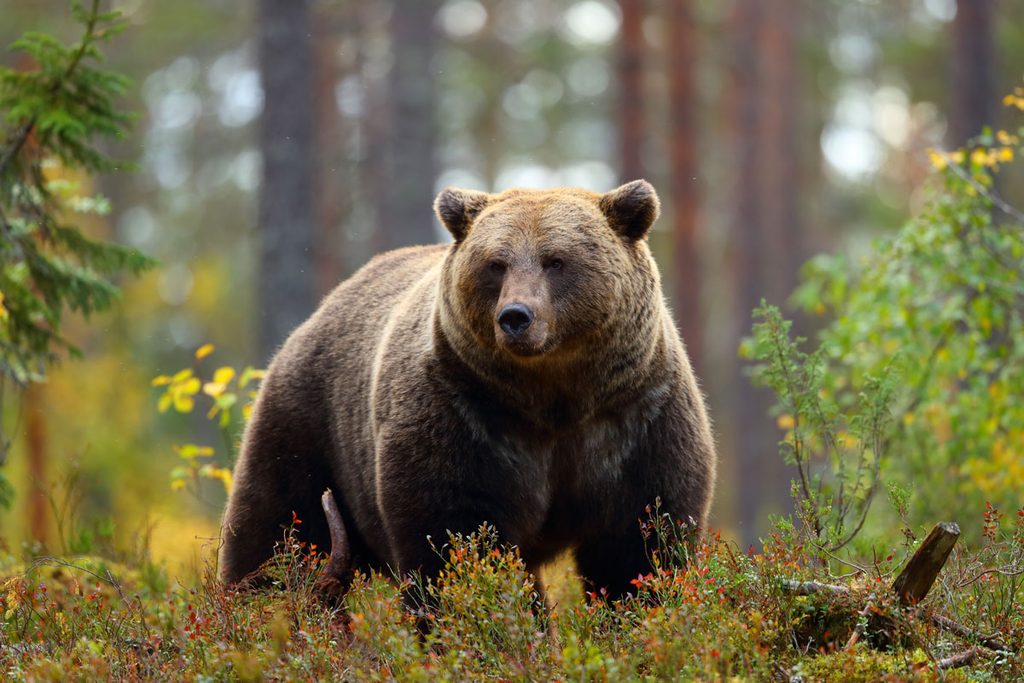
Wild Animals Live in a World of Chemical Signals
The idea of animals smelling fear often comes up during encounters with wildlife. Many mammals have a much more sensitive sense of smell than humans and routinely use chemical information to identify prey, predators, rivals, potential mates, and members of their own species.
Animals can also respond to chemical signs of stress or danger emitted by other animals. In some species, odors called alarm pheromones are released by a frightened or threatened individual, causing nearby animals to become more vigilant, freeze, flee, or prepare to defend themselves. For prey animals in particular, detecting another animal has encountered danger can provide an crucial early warning.
That doesn’t mean we know that bears, mountain lions, deer, or other wild animals can smell fear in humans. There’s far less research on wild animals than domesticated animals, though wolves have been found to respond to human emotional odors in ways similar to dogs, suggesting that ability may not be limited to domesticated species.
Smelling Fear Isn’t the Same as Understanding It
So, can animals actually smell fear? The evidence suggests some animals can detect chemical changes associated with fear and stress, but that doesn’t necessarily mean they’re smelling the emotion of fear itself. Rather, they may be detecting a combination of chemical changes produced by the body’s response to a heightened emotional state.
An animal doesn’t have to recognize or understand the human emotion of fear to detect the chemical signals that accompany it. If a particular odor is associated with a potential threat, responding to it can offer a survival advantage whether or not the animal understands the emotion behind it.
And scent isn’t necessarily the most important clue during an encounter. A wild animal may respond more strongly to what you do than to what you smell like. That’s why wildlife safety advice focuses on the species and situation, not on whether an animal can sense your fear.