Can Fish Drown?
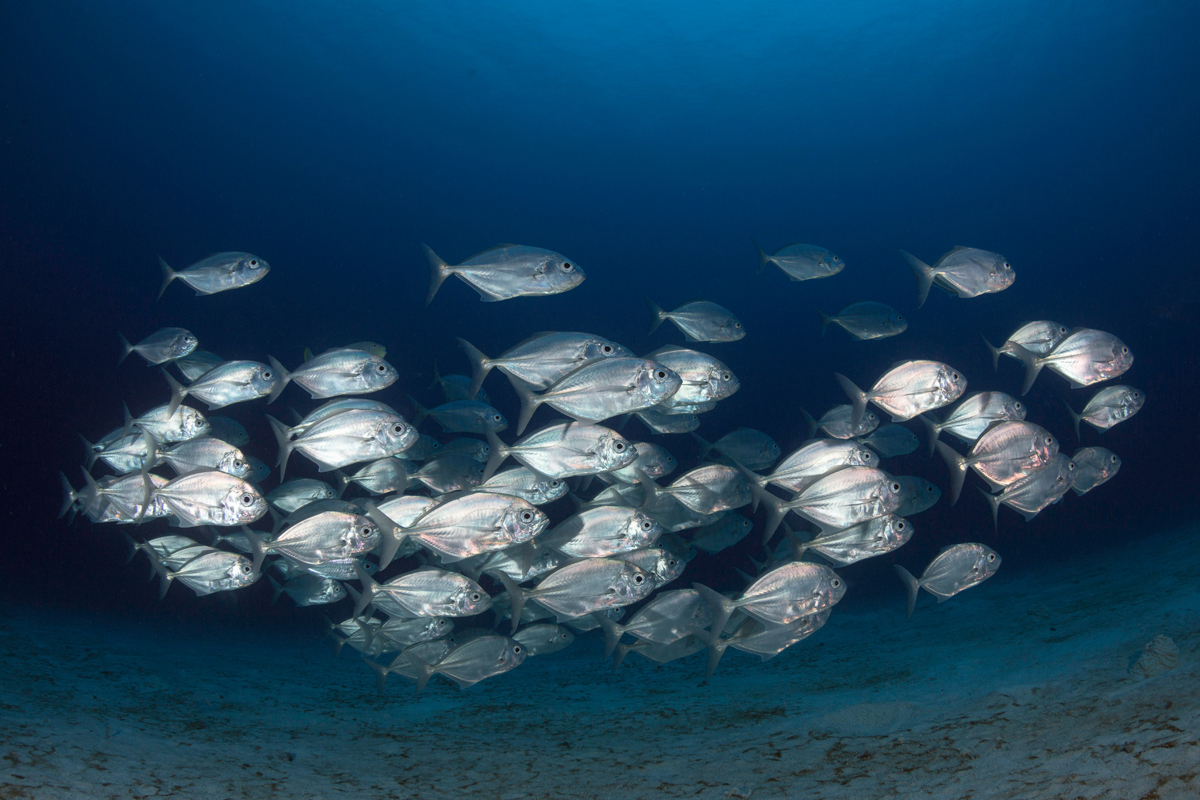

Breathing is something most of us rarely think about; we inhale air and our lungs take what they need before we exhale. But underwater, the rules are very different. Fish need oxygen to survive just like humans, and staying alive means capturing that oxygen without ever taking a breath of air.
Fish have evolved their own specialized ways of breathing, but those systems can also be surprisingly vulnerable. And while fish can’t technically drown underwater, there are many other ways their fragile anatomy can struggle in their natural environment. To understand what happens when things go wrong, we need to take a closer look at how fish breathe in the first place — and what happens when that process is disrupted.
How Do Fish Breathe?
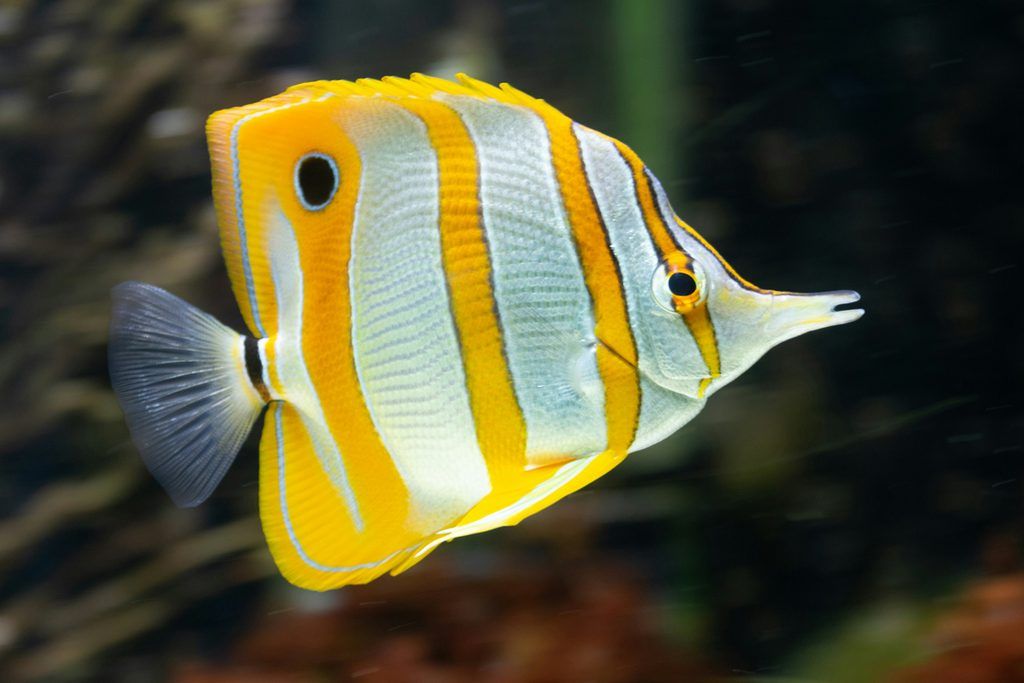
Fish don’t breathe water itself — instead, they extract the oxygen dissolved in it. Most fish do this with gills, which contain thin filaments covered in tiny structures called lamellae. Together, the gills and lamellae provide a large surface area wherein oxygen moves from the water into the bloodstream while carbon dioxide moves out.
Water continually moves across the fish’s gills, with many species opening and closing their mouths and gill covers to create a current. Some species, such as sharks, also depend on swimming to keep water flowing across their gills.
This system works because water contains dissolved oxygen, but the available amount can vary considerably. Temperature, water movement, biological activity, and decomposition can all affect oxygen levels.
Warm water generally holds less dissolved oxygen than cold water, while excess nutrients can fuel algae blooms. When algae and other organisms die and decompose, microorganisms consume oxygen, sometimes reducing levels dramatically. And limited mixing can worsen the problem by preventing oxygen-rich surface water from reaching deeper water.
What Happens When the Water Runs Out of Oxygen?
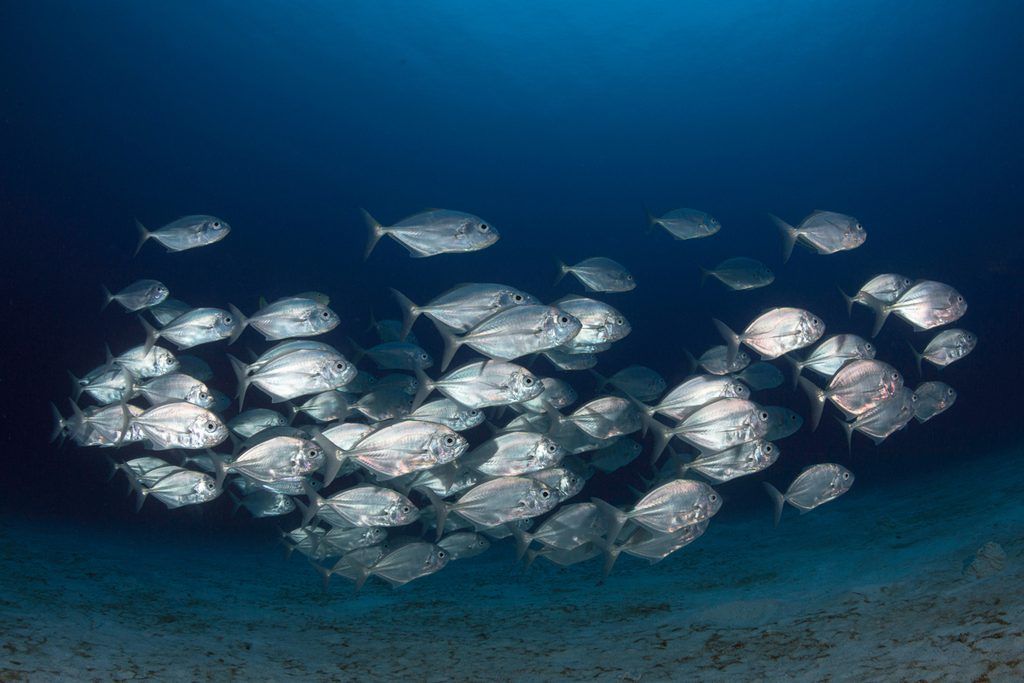
When dissolved oxygen levels fall too low, fish can no longer extract enough through their gills to meet their bodies’ needs. This condition is called hypoxia.
Fish may respond by moving toward areas with more oxygen, including shallower water or closer to the surface. They may also increase the rate at which they move water over their gills. If oxygen levels continue to fall and the fish can’t escape, however, those responses may no longer suffice.
Severe oxygen depletion can create aquatic “dead zones,” in which oxygen concentrations are too low for many fish and other animals to survive. Fish that cannot escape may become stressed, disoriented, and eventually die from oxygen deprivation.
Dead zones can occur naturally, but human activity can make them more frequent and severe, particularly when nutrient pollution causes excessive algae growth and the decomposition of that organic matter consumes oxygen. In other words, a fish doesn’t have to leave the water to face a potentially fatal lack of oxygen. If its gills can’t extract enough oxygen to meet its body’s needs, it will eventually suffocate.
Why Being Out of Water Is So Dangerous
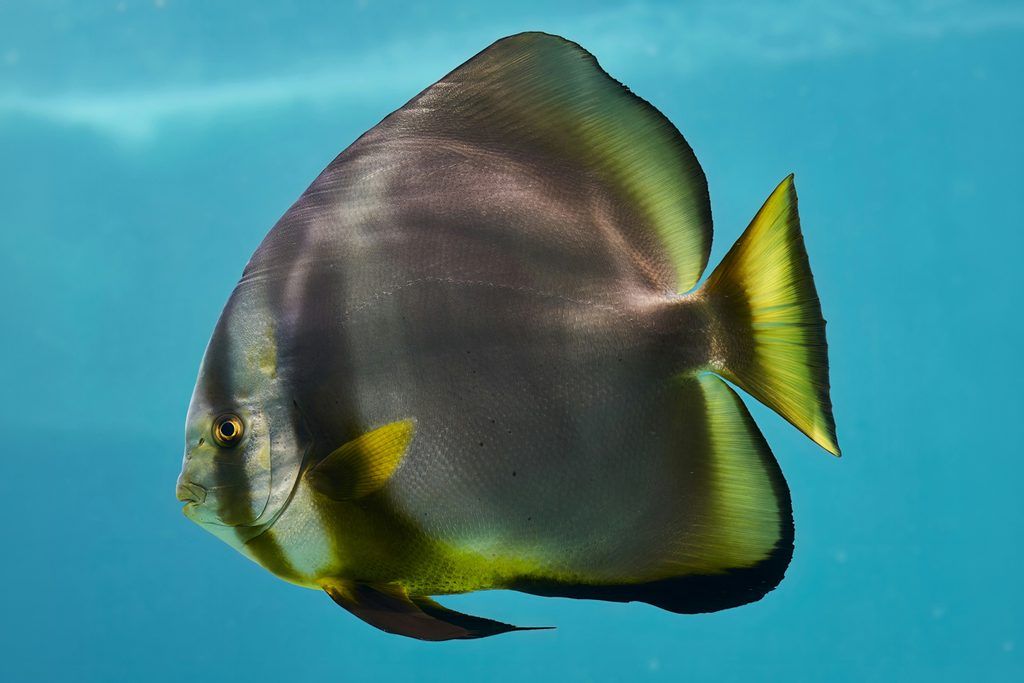
Fish need water not only because it contains oxygen, but because their gills are designed to operate in it. When a typical fish is removed from the water, the delicate structures that make up its gills can collapse or stick together, reducing the surface area available for gas exchange, while also losing the steady flow of water carrying dissolved oxygen across the gills. Although air contains much more oxygen than water, most fish can’t simply use their gills to breathe it effectively.
This is why a fish pulled from the water may continue opening and closing its mouth. Those movements are part of its normal respiratory process, but without water flowing over the gills, the system no longer works properly. How long a fish can survive out of water varies enormously by species: Some tolerate exposure to air for only a few minutes, while others can survive for hours, days, or even longer under the right conditions.
The Fish That Don’t Need To Stay Underwater
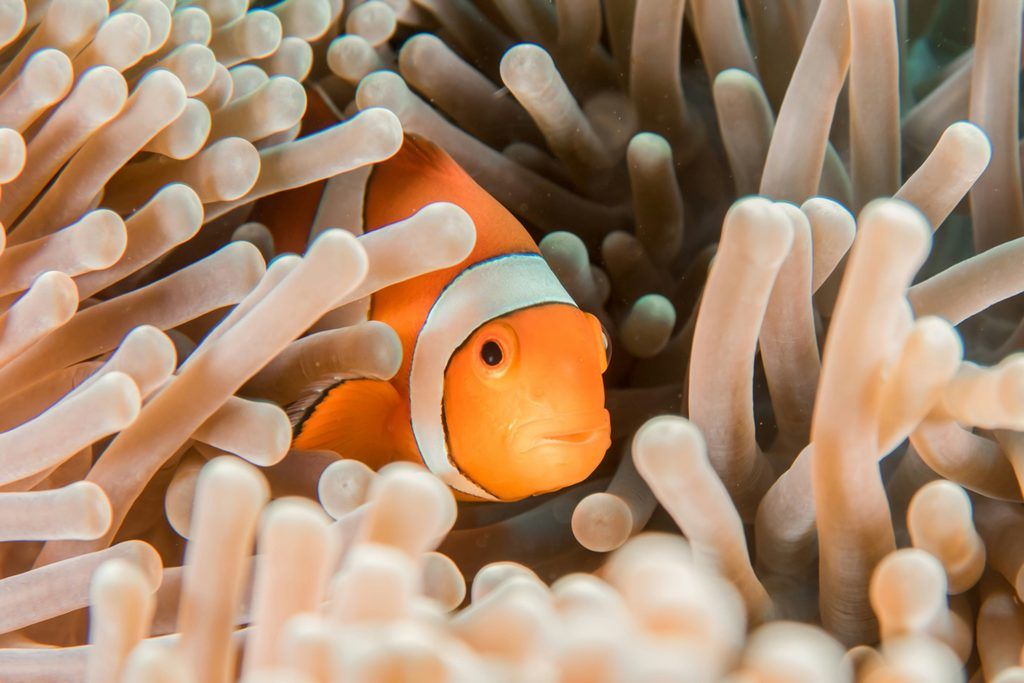
Although most fish rely primarily on their gills, several species have evolved adaptations that allow them to obtain oxygen directly from the air. These air-breathing adaptations are particularly useful for species that live in warm, stagnant, or periodically oxygen-poor water. Some species regularly surface to gulp air, while others use air breathing primarily as a backup when dissolved oxygen levels become dangerously low.
Other fish take this a step further, with adaptations that allow them to spend time in water and on land. These are known as amphibious fish, and their ability to function outside water gives them an advantage when aquatic conditions become difficult or even impossible to survive in.
West African lungfish and certain labyrinth fish have specialized respiratory structures that allow them to supplement or replace gill breathing with atmospheric oxygen. For most fish, however, survival still comes down to gleaning enough oxygen from the water. They may not drown the way humans do, but without enough oxygen, they’ll suffocate just the same.