6 Clever Tricks Predators Use To Lure Their Prey

Hunting in the animal kingdom isn’t always about speed, brute strength, or sharp teeth. Some of nature’s most successful predators have figured out that the easiest way to catch dinner is often through trickery, deviousness, and being quick-witted. Here are six animals who’ve developed unusually clever ways to catch their prey.
Archerfish Snipe Bugs Off Branches
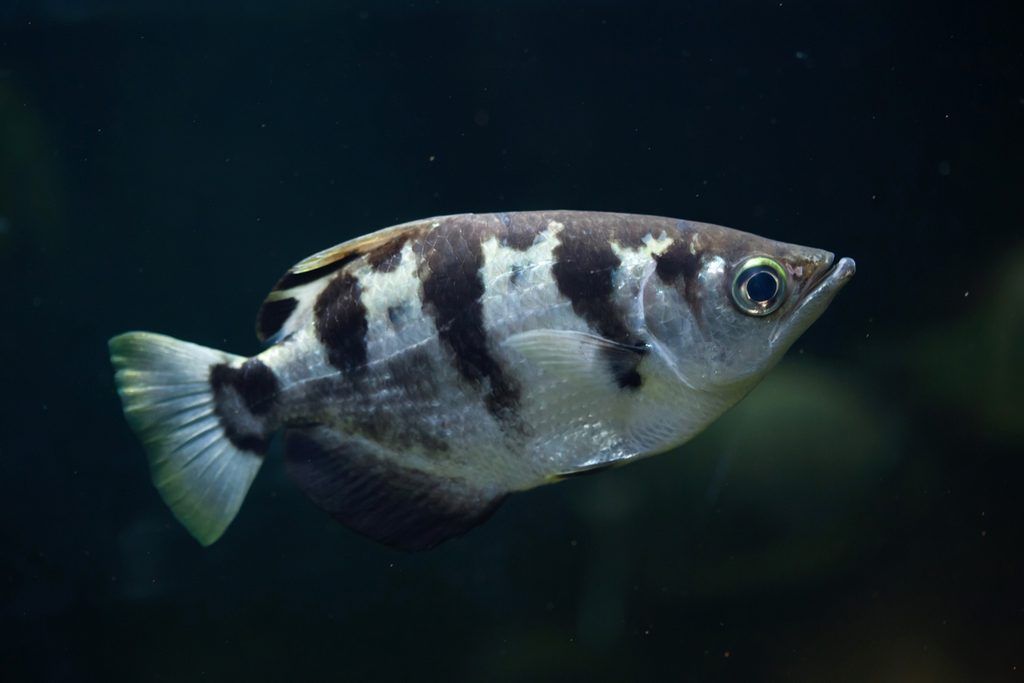
Fish typically have two ways to catch insects: Either they wait until the bugs land on the water, or they make an energetic jump above the surface to grab one passing by. But archerfish have developed a far more technical hunting method.
These tropical fish position themselves just below the surface of the water, aim at an insect resting on a leaf or branch, and fire a precisely aimed jet of water from their mouth to knock the insect into the water. This jet isn’t a simple squirt, either; it’s a carefully aimed snipe that can hit individual bugs almost 10 feet away.
Seagulls Fake the Rain
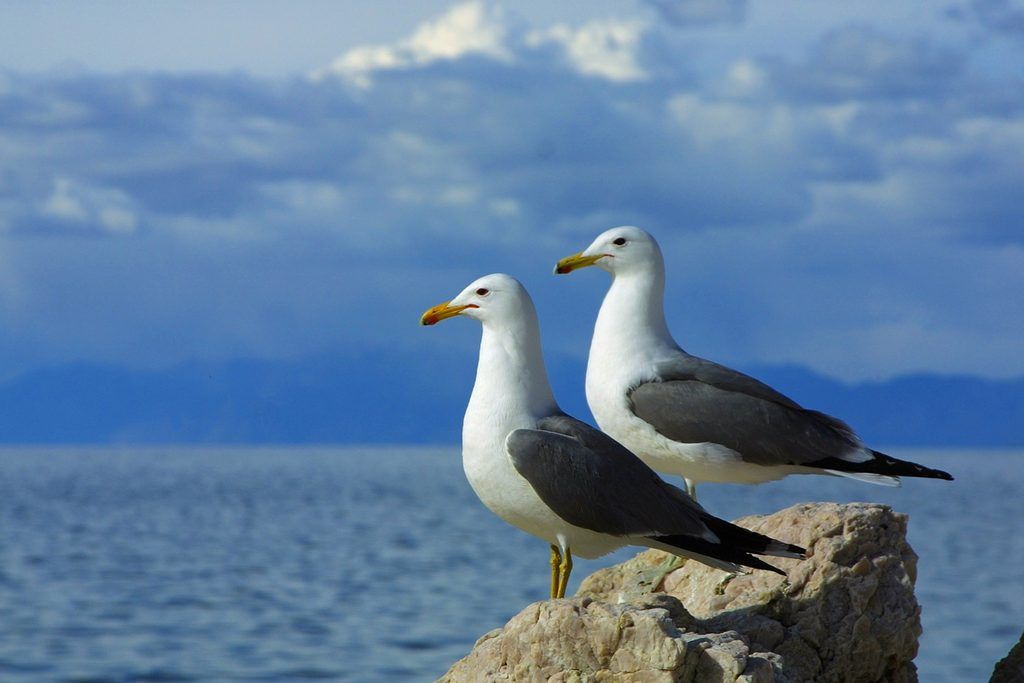
Seagulls have developed a sly, but quite charming, method of catching worms. Earthworms rise to the Earth’s surface when rain falls, possibly because the vibrations and moisture signal safer or easier conditions to move around in (although that’s just one theory).
Gulls have figured out that stomping their feet in a steady rhythm mimics the vibrations of rain hitting the ground, tricking worms into surfacing even on a bone-dry afternoon. This behavior, often called a “rain dance,” has been documented in multiple gull species and, when carried out to perfection, can turn an unsuspecting patch of lawn into an all-you-can-eat buffet.
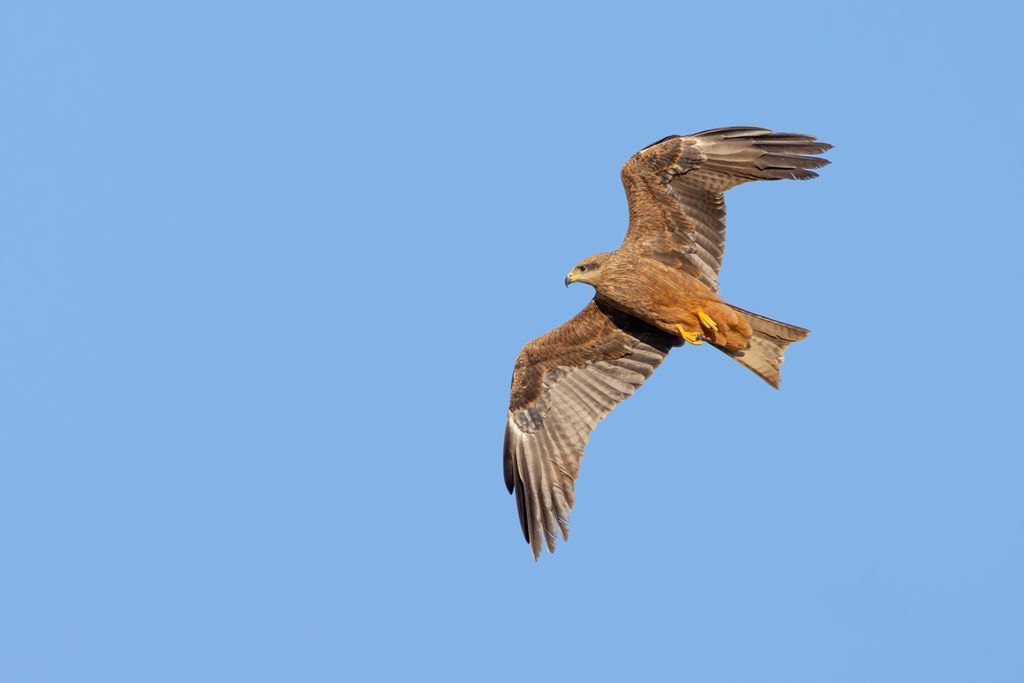
Firehawks Spread Wildfires on Purpose
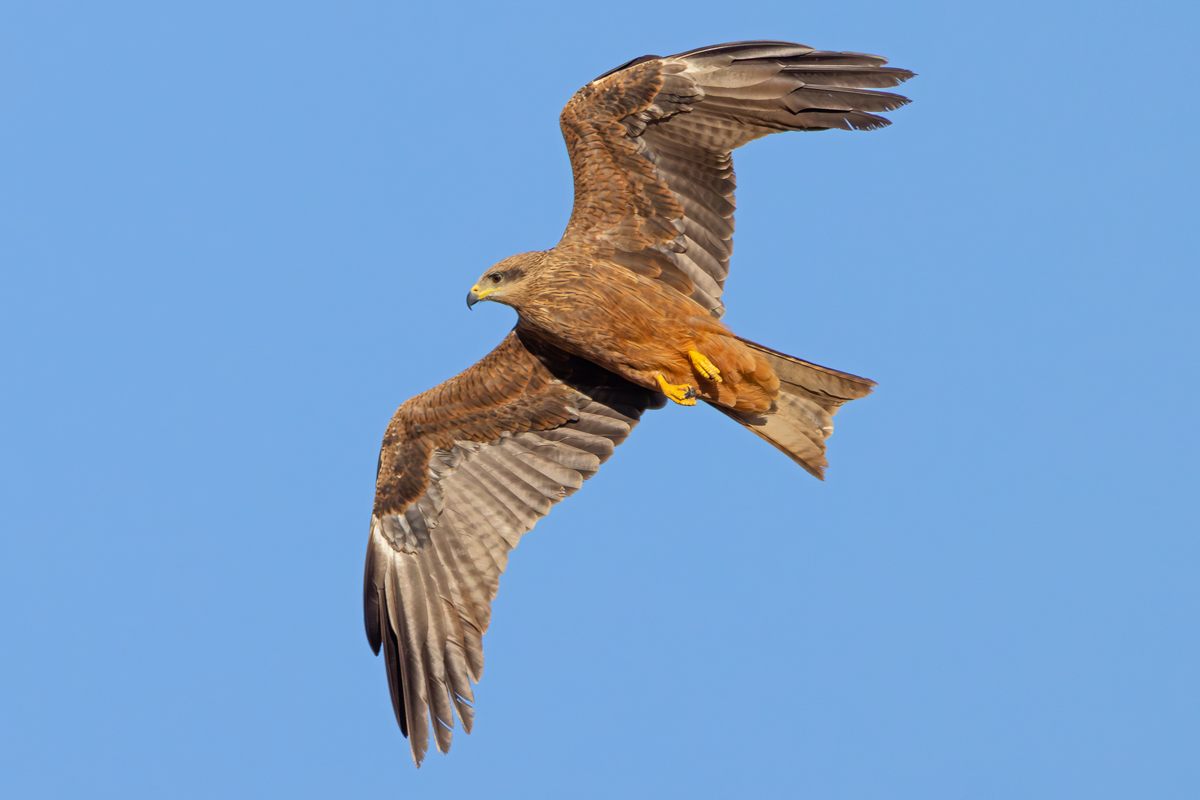
In Australia’s Northern Territory, Aboriginal communities have long described birds that carry fire — and researchers have since gathered eyewitness documentation backing that up. Black kites, whistling kites, and brown falcons — known more informally as firehawks — have been observed picking up burning sticks from an active bushfire and carrying them, sometimes hundreds of feet, to drop them in unburned grass.
The new blaze flushes out hidden lizards, insects, and small mammals, who then head straight into the path of the waiting hawks. It’s the only known case of a nonhuman animal actively using fire as a hunting tool.
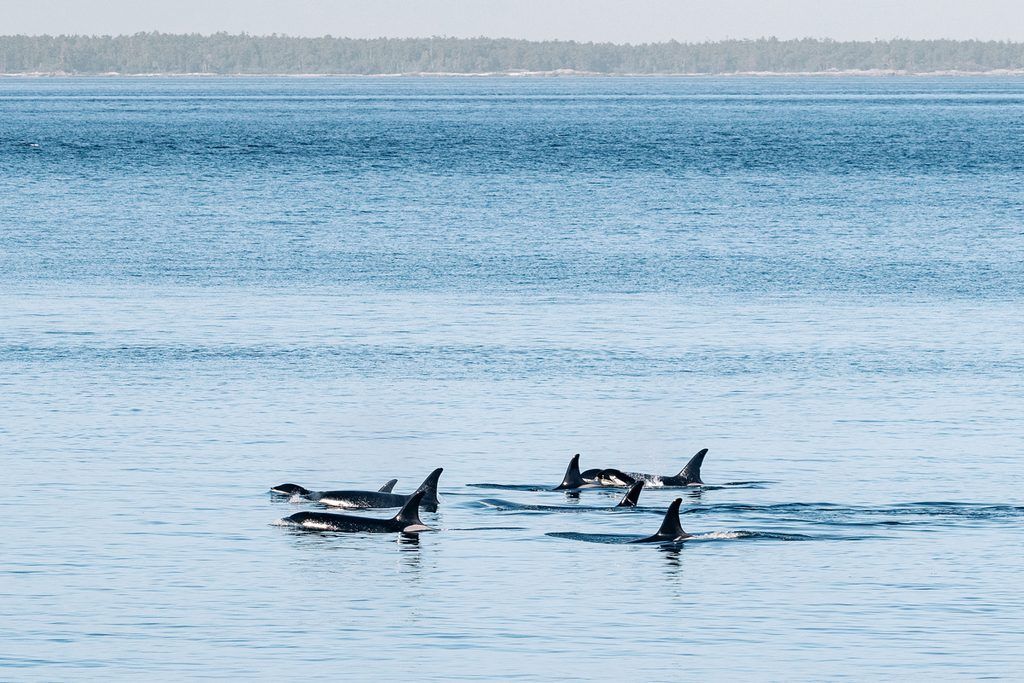
Orcas Create Their Own Mini Tsunamis
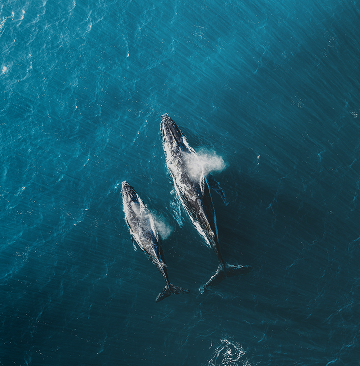
A seal resting on an isolated ice floe may appear to be out of harm’s way. Orcas, however, have developed a clever — and quite terrifying — strategy for dislodging seals from the ice.
Swimming in tight formation, the whales make a synchronized plunging motion that generates a coordinated wave powerful enough to crack the ice or wash the seal straight into the water, a technique researchers call “wave-washing.” Pods have been seen making dozens of attempts against a single floe, adjusting their formation and timing with each pass.
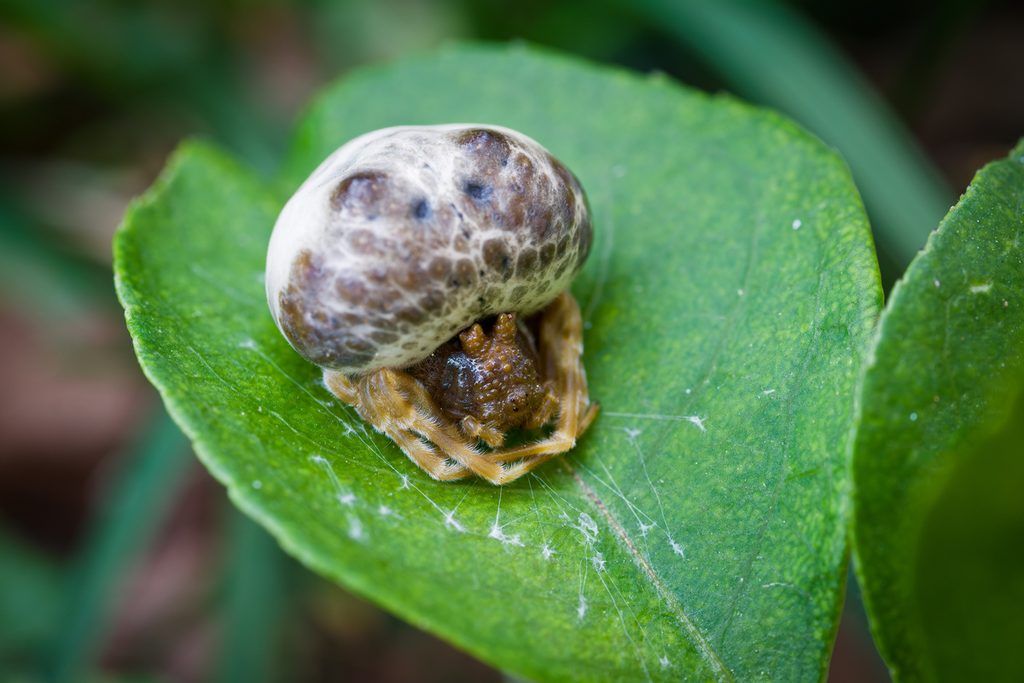
Bolas Spiders Use Chemicals to Lure Male Moths
Bolas spiders don’t waste their time spinning elaborate webs. Instead, female bolas spiders manufacture a chemical cocktail that mimics the exact mating pheromone of a specific female moth, attracting the attention of hopeful male moths who come looking for romance.
The devious spider then creates a single silk thread tipped with a sticky blob, which it uses to snag the unfortunate moth in midair. Some spiders can even tweak their chemical blend during the night to lure in an entirely different species of moth.
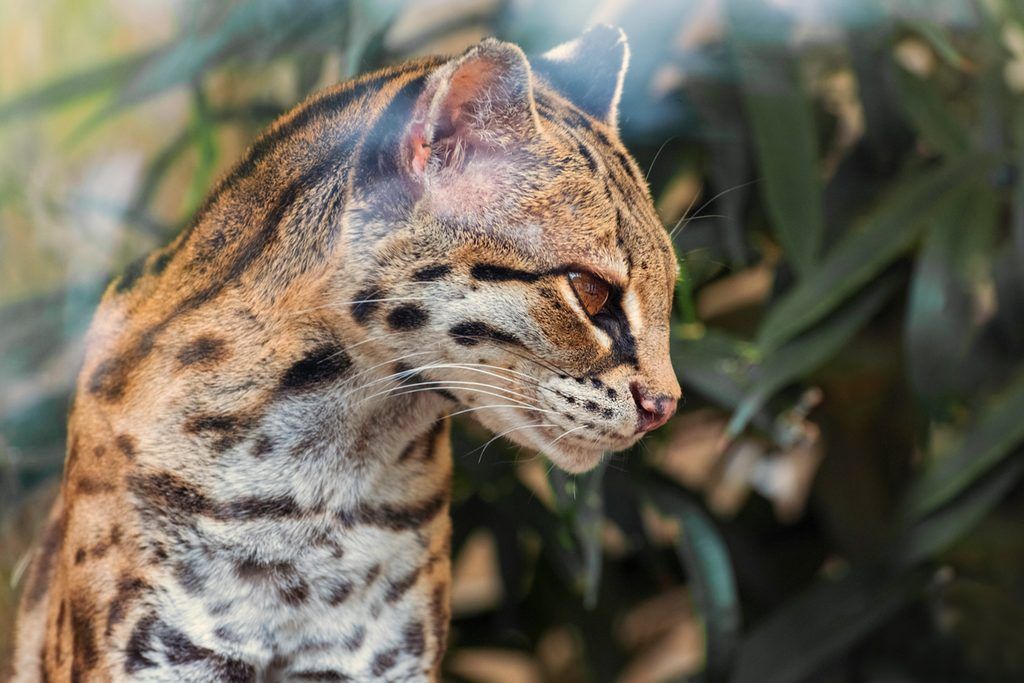
Margays Imitate Baby Monkeys
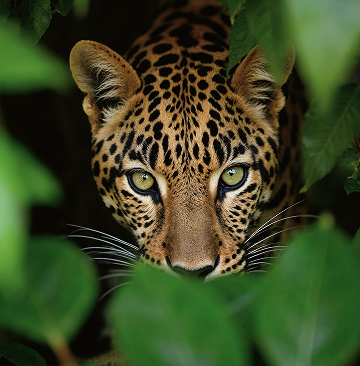
As all cat owners know, our feline friends are very clever creatures — and, some may say, quite manipulative. But cat cunning reaches new heights in Brazil’s Amazon rainforest, where researchers have observed a species of small wild cat called a margay produce an eerily accurate impression of a baby pied tamarin monkey in distress.
The margay’s very deliberate imitation drew curious adult tamarins down from the canopy to investigate — and they would have walked straight into an ambush if they hadn’t spotted the margay just in time. It remains the only scientifically documented case of a wild cat in the Americas mimicking the distress call of its prey as a calculated lure.