The Clever Ways Animals Avoid a Sunburn

Sunburns seem like a uniquely human trait, but the sun’s ultraviolet (UV) radiation affects almost all animals, including marine life. While humans have UV-resistant clothing, shade structures, and sunscreen to protect us from burning, most creatures have built-in protection in the form of fur, scales, or feathers. But some creatures go above and beyond to cope with sun exposure, and have evolved defenses from chemical changes to behavioral adaptations.
Hippopotamus Blood Sweat
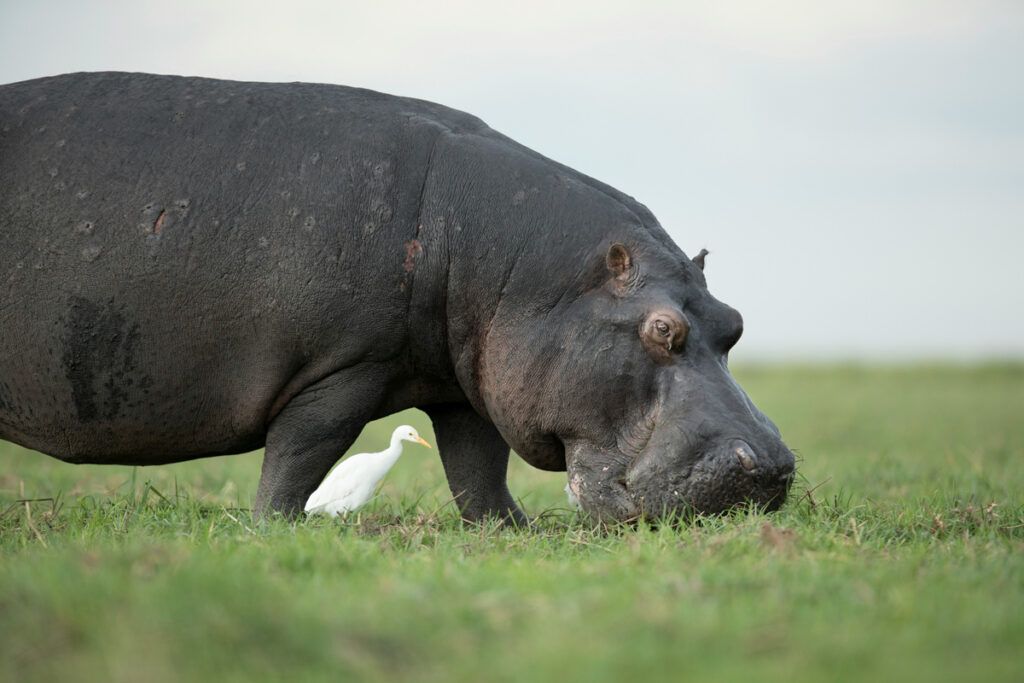
Widely considered the most dangerous animal in Africa, the hippopotamus is known for its massive jaws and temper. Impressive as they are, hippos have one weakness: extremely sensitive skin that is vulnerable to sunburns and drying. But they’ve evolved two methods of dealing with the harsh tropical sun.
The first adaptation is behavioral – hippos spend up to 16 hours a day submerged in water to avoid the sun, only emerging at night to graze. Contrary to popular belief, hippos can’t actually swim, which means they mostly stick to the shallowest parts of rivers and lakes to keep their heads above the surface. So why don’t their exposed heads get sunburned?
The first European explorers noticed that hippos secrete a reddish substance and called it “blood sweat.” The oily liquid isn’t sweat at all, but two distinct pigments. Hipposudoric acid is a red pigment that interacts with norhipposudoric acid, which is orange. Together, these fluids act as a natural ointment that simultaneously protects the hippo’s sensitive skin from UV rays and prevents waterlogging.
Giraffe Tongues
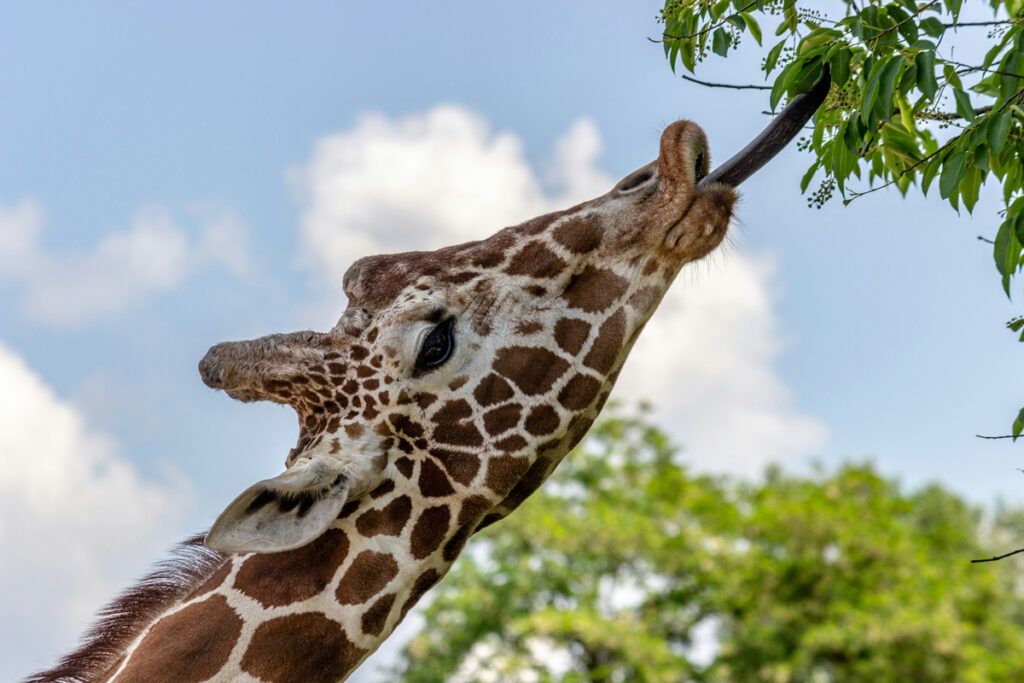
A giraffe’s long neck and reticulated pattern make them one of the most striking animals on the African savanna. They’re also known for their long, purple-black tongues, which can grow to 20 inches in length and evolved to reach the highest branches of acacia trees. Like many herbivores, giraffes spend most of their time feeding, exposing their tongues to the sun for 16 or more hours a day. But the extra melanin that gives a giraffe’s tongue its distinct purple color also drastically reduces the risk of sunburn.
Zebrafish Cellular Sunscreen
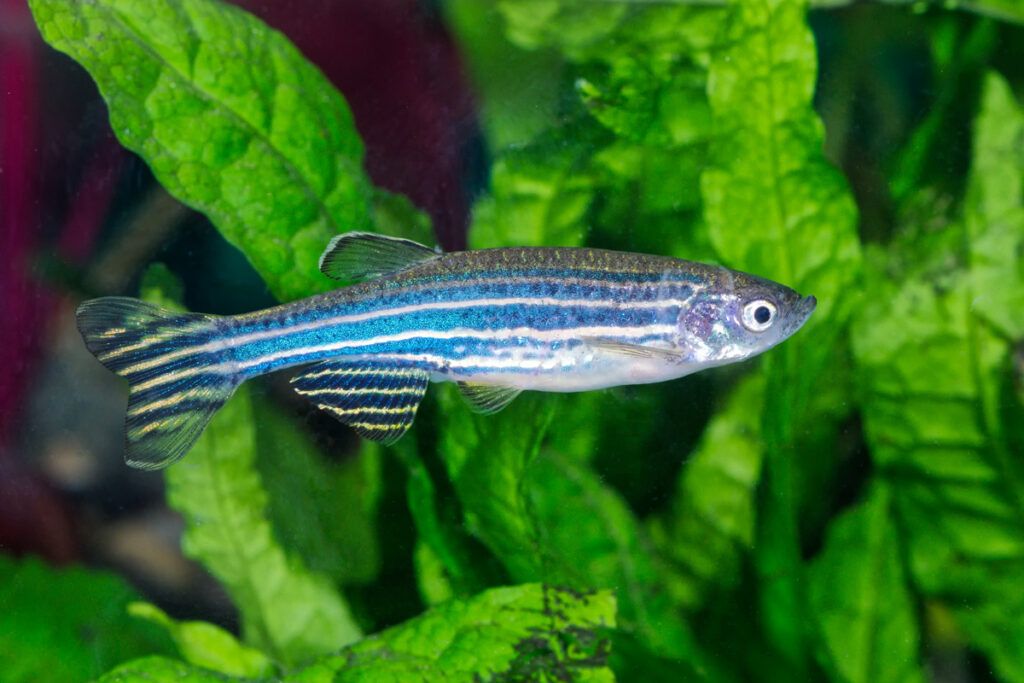
Zebrafish originated in freshwater streams of South Asia and are now popular aquarium pets. Being shallow swimmers, wild zebrafish are almost always exposed to harsh UV rays, yet they never burn thanks to gadusol, a natural compound deposited by mothers into their eggs that absorbs UV radiation, acting as a natural sunscreen.
Most vertebrates produce gadusol, including other fish, amphibians, reptiles, and birds. Unfortunately, mammals lack the gene, likely because our common ancestor was nocturnal. But researchers are studying gadusol in hopes of unlocking better modes of sun protection than standard chemical sunscreen.
Nature’s Sunscreen
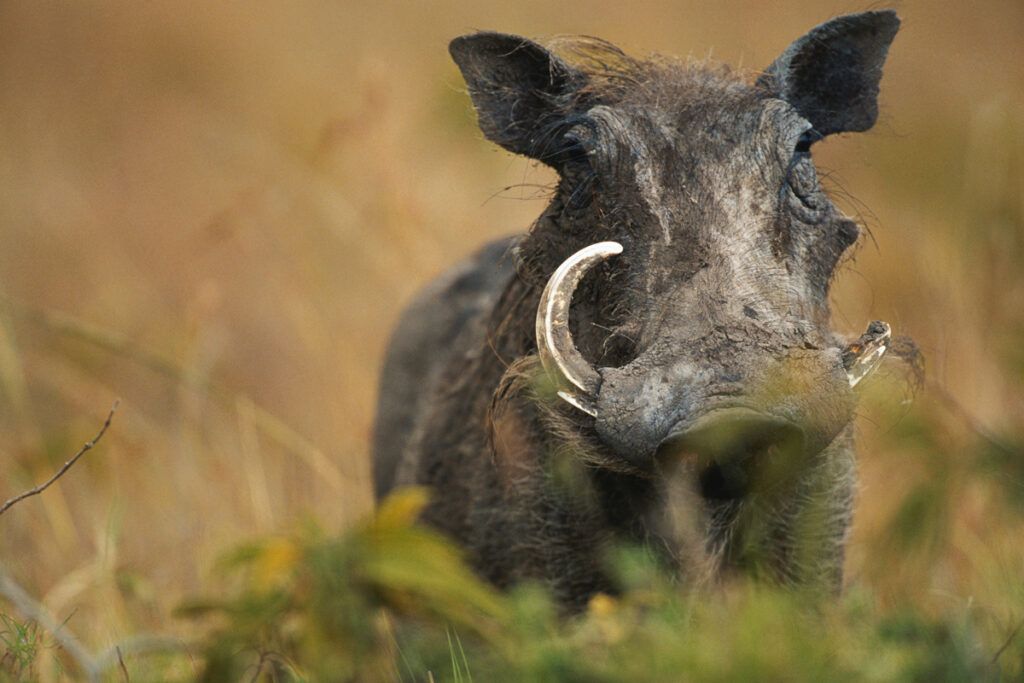
Like humans, domestic pigs and their wild boar cousins have marginal hair coverage, which means they are vulnerable to sunburns and heatstroke. Without physiological sun protection, they employ learned behaviors to combat harsh UV rays. A boar’s first line of defense is to simply avoid activity during the heat of the day.
But if they can’t find a shady place to rest, boars dig wallows near streams or other bodies of water. They use these shallow pits to cover themselves with mud, which acts as a natural sunscreen (in addition to many other benefits).
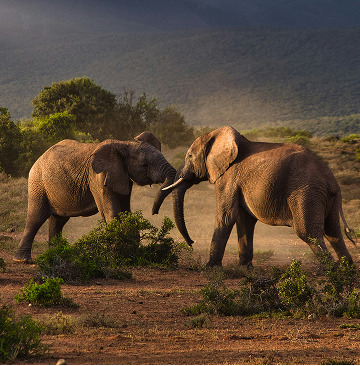
Boars aren’t the only animals to use dirt as sunscreen. Rhinoceroses also dig mud wallows, and elephants throw dirt on their backs for relief from the sun.
Tanning Whales
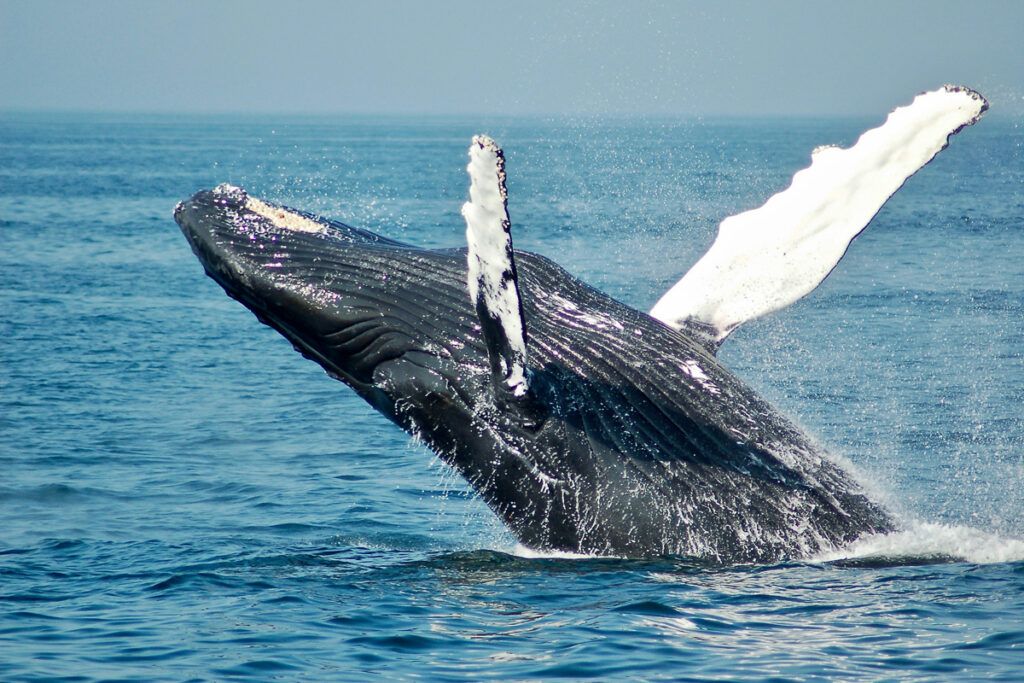
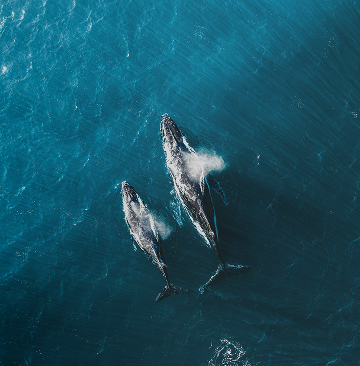
Humans share something big with the largest animal to ever live – we both tan. In a 2007 study in the Gulf of California, marine biologists discovered that blue whale skin darkens significantly during their months in the subtropics, before they migrate to the Arctic. Tanning in blue whales seems to work exactly as it does in humans, serving as a natural defense against UV rays.
Unfortunately, whales are also vulnerable to blistering sunburns. Like humans, prolonged sun exposure damages mitochondrial DNA in whale tissue, which can lead to melanoma.
Sharks and the Future of Sun Protection
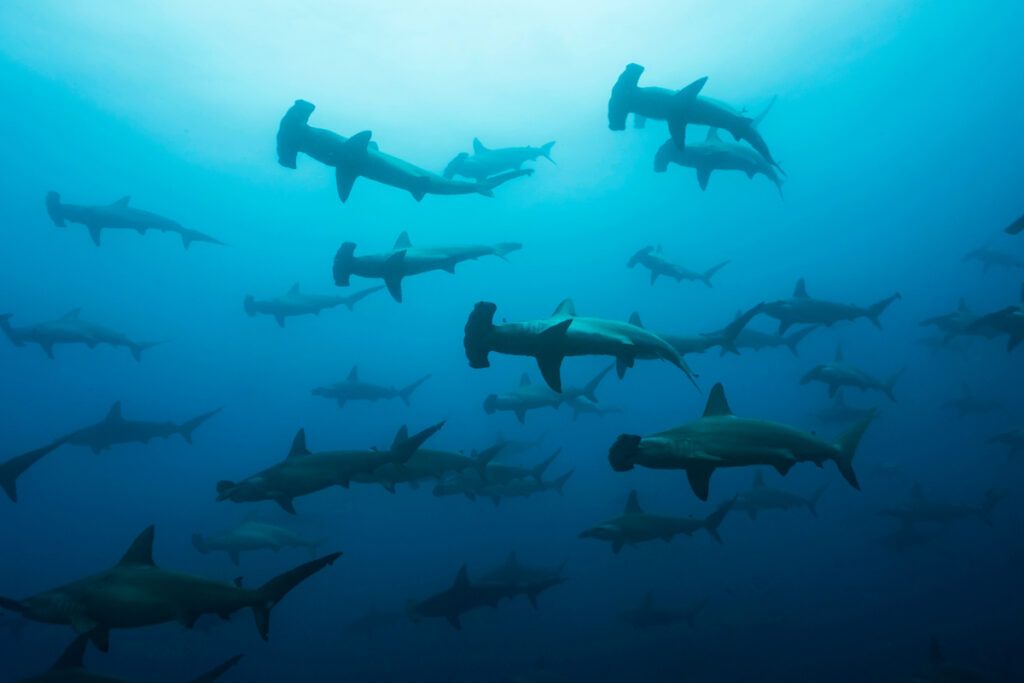
Whales aren’t the only sea creatures that tan – scalloped hammerhead sharks do, too. But unlike whales, these sharks don’t develop melanoma. Researchers have been studying shark skin’s resilience in hopes of one day finding a cure for skin cancer.
Until then, remember to apply broad-spectrum sunscreen with an SPF rating of 30 or higher, every day.