The Surprisingly Complicated Lives of Shrimp
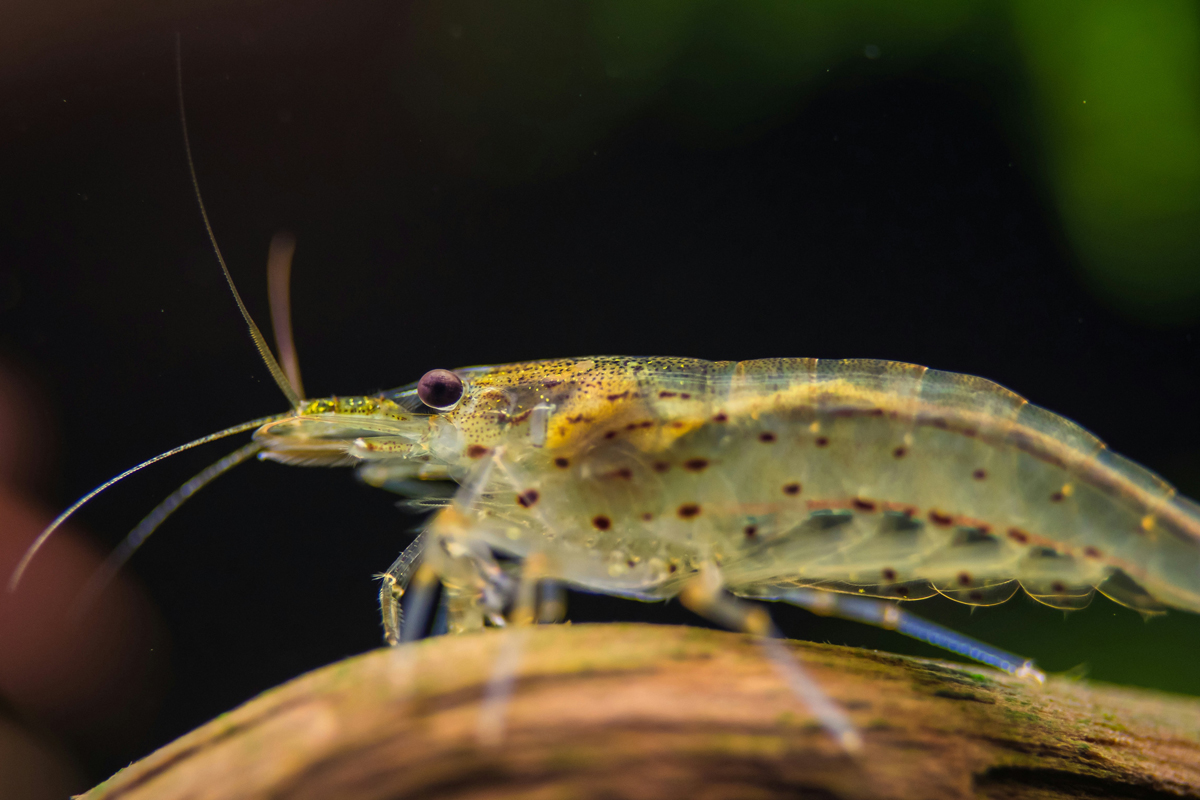

Shrimp may be small, but the lives they live aren’t so little. With more than 2,000 known species inhabiting nearly every marine and freshwater environment on Earth, shrimp are indeed abundant and widespread. As scavengers, predators, and prey, they also play a major role in aquatic ecosystems around the world.
But even with all the abundance and diversity of shrimp, most happen to share a specific life challenge: staying alive in environments where they’re a likely meal for many, much larger, predators. As a result, shrimp have some surprisingly complex survival adaptations. Without the advantages of the size, speed, or strength of many of their underwater counterparts, shrimp have evolved specialized ways to dodge danger, find food, and reproduce. Here are some of the most fascinating ways these tiny crustaceans live their complicated lives.
Tiny Workers In Major Waterways
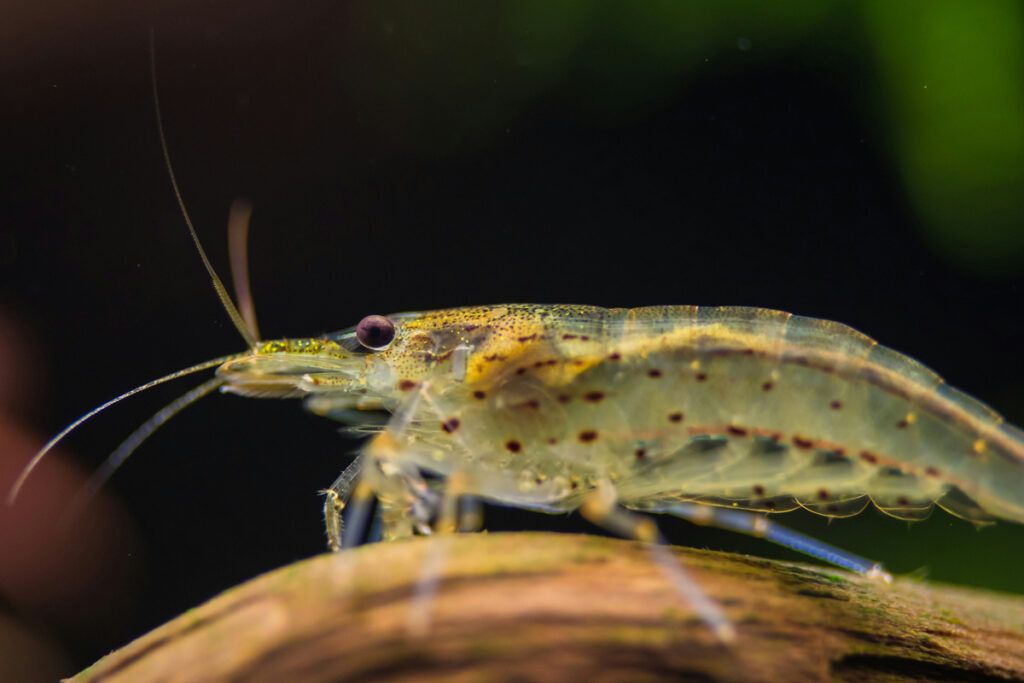
Shrimp are constantly contributing to the health of their habitat’s ecosystem by connecting different parts of the food chain: Breaking down what one animal leaves behind and becoming fuel for another. Some species, including ghost shrimp and mud shrimp, burrow through seafloor sediment and help recycle organic material trapped in the mud. Others, such as grass shrimp, feed on algae and tiny organisms while serving as an important food source for fish and seabirds. The shallow reefs, deep oceans, and flowing rivers that shrimp call home would look very different without them.
Temporary Truce Between Predator and Prey
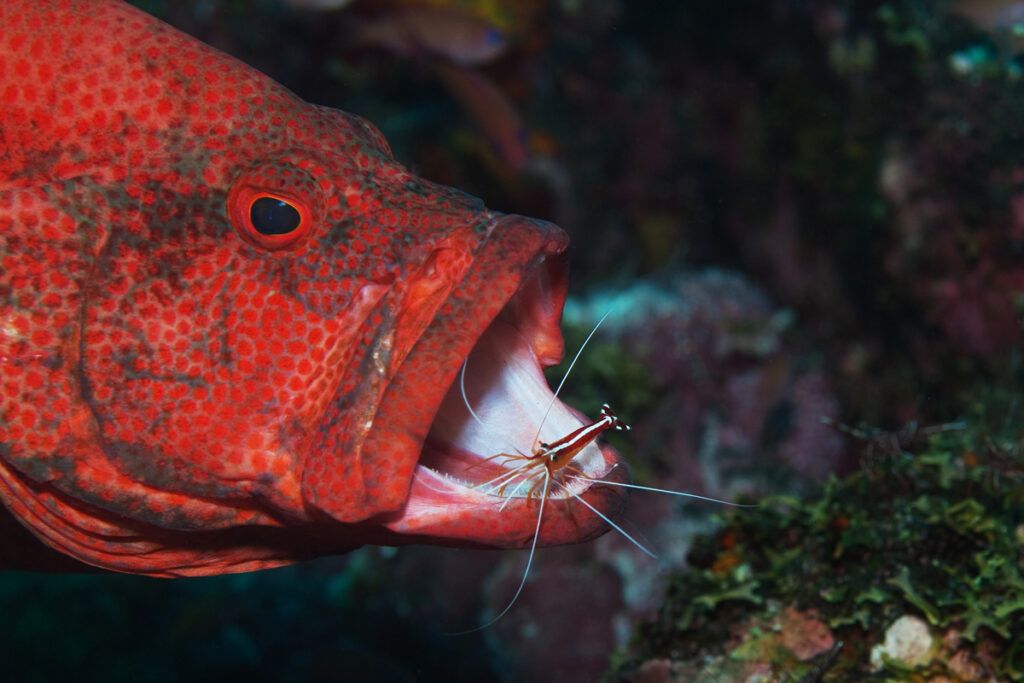
Certain species of shrimp have evolved an unusual way of avoiding predators: they make themselves useful to animals that may otherwise eat them. Cleaner shrimp operate grooming stations on the Caribbean’s coral reefs, where fish visit to have parasites, dead skin, and damaged tissue removed from their bodies. The shrimp crawl across the fish’s scales, into their gill chambers, and even into their mouths, where this detritus often collects.
Cleaner shrimp signal that their services are available by waving their long antennae at passing fish. Even large predatory fish that could and would easily consume these shrimp typically allow the cleaners to work undisturbed. It benefits them both: The fish get a good cleaning, while the shrimp gets a hearty, and non-threatening, meal.
Small But Mighty
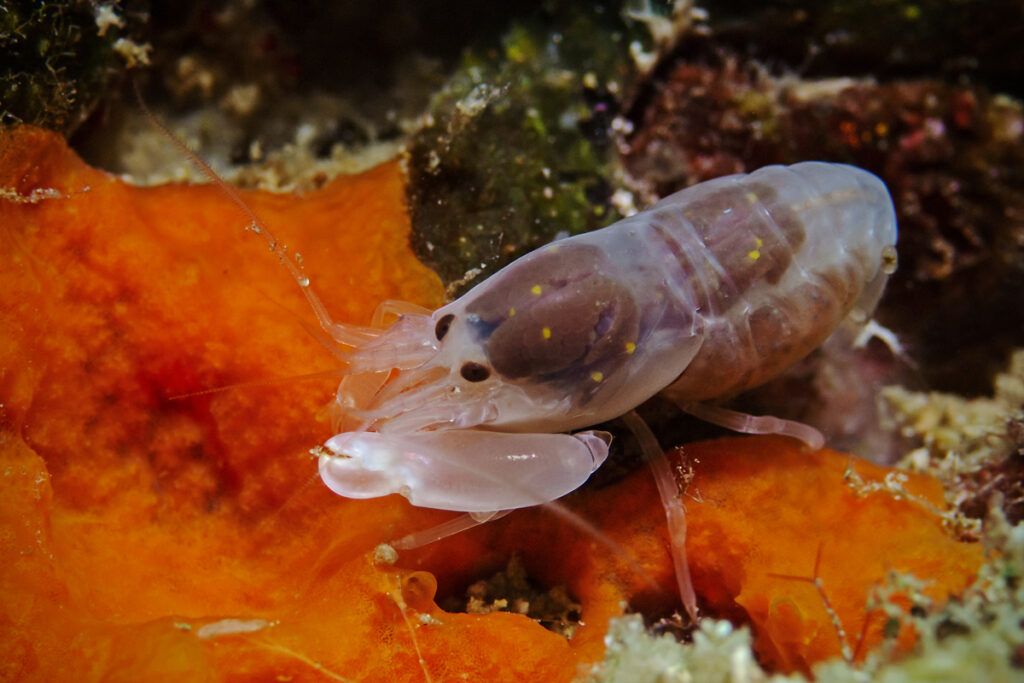
Not all shrimp survive through cooperation — some get a bit more aggressive. Pistol shrimp, for instance, have an enlarged claw that can snap shut so quickly it creates a phenomenon known as cavitation (a tiny-but-powerful bubble explosion caused by forceful water). The snap is no joke: It can happen at a speed of about 60 miles per hour, creating a powerful shockwave that generates a brief blast of extreme heat, a flash of light, and a sound louder than a gunshot — one of the loudest sounds made by an animal — stunning or even killing their prey.
In some habitats, pistol shrimp colonies are so numerous that their constant snapping creates significant noise in the ocean. The U.S. military has even conducted research on the snapping sounds to see whether the echoes created by their powerful snaps can reveal the location of nearby objects, with the aim of possibly using it as a natural sonar.
Molting Makes Them Vulnerable, But Is Valuable
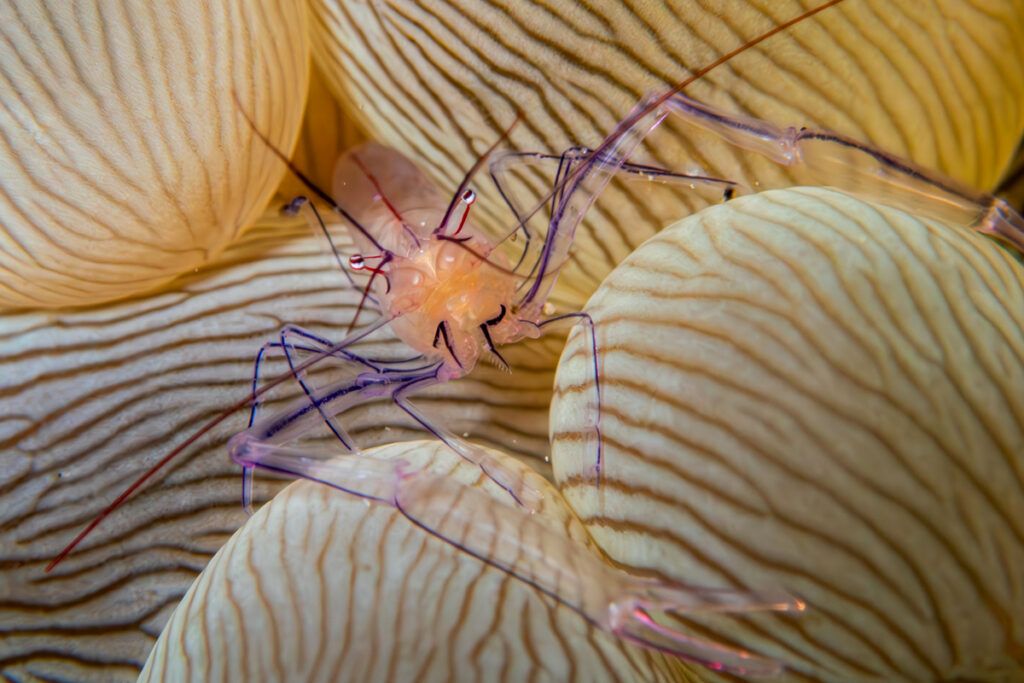
Like other crustaceans, shrimp have an exoskeleton instead of an internal skeleton. This hard outer shell protects them, but it also creates a challenge: The exterior cannot grow with the animal. That means a shrimp must shed its old exoskeleton through a process called molting. First, a new shell is formed underneath the old one before breaking free. But the new shell, unlike the old, is soft and flexible, leaving the animal vulnerable until it hardens within a few days.
Despite leaving the shrimp exposed to predators, molting actually has quite a remarkable advantage: Because shrimp regrow parts of their bodies during each molt, lost legs or claws can gradually return across several of a shrimp’s growth cycles.
It Takes Proactive Parenting
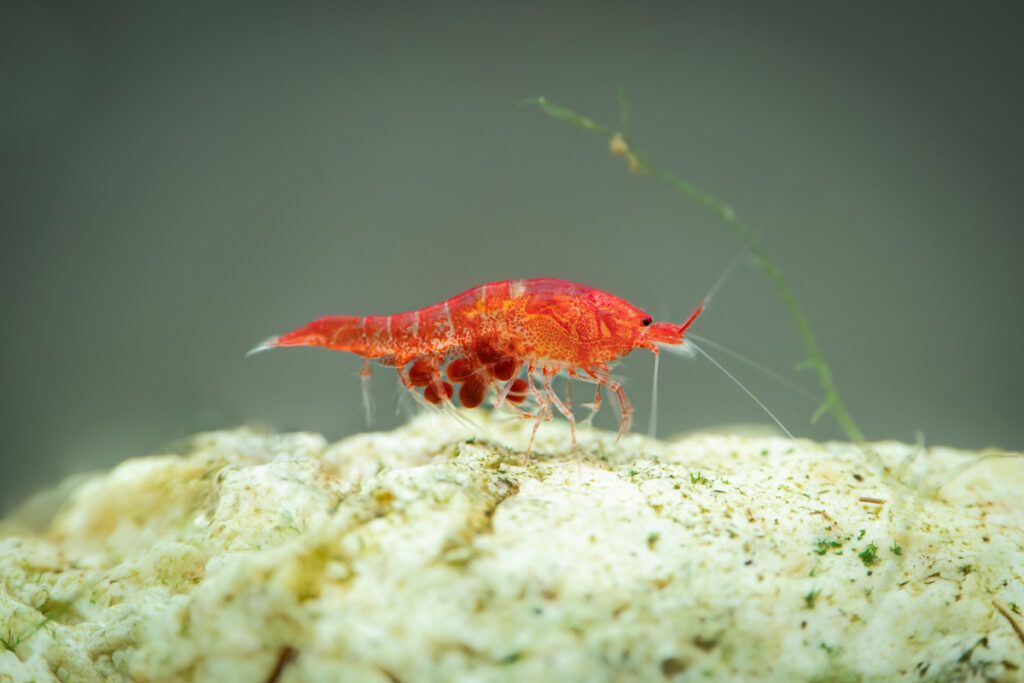
Shrimp survival requires very careful parenting. Unlike many fish, amphibians, or reptile species, female shrimp carry their fertilized eggs beneath their bodies, attached to specialized swimming appendages called swimmerets. The eggs take constant work to develop; mother must constantly fan them with water to provide oxygen, remove debris, and prevent any unwanted bacteria from growing.
Some shrimp species have even evolved advanced reproductive strategies, including the ability to change sex during their lifetime. Peppermint shrimp, for example, begin life functioning as males before later developing the ability to carry eggs. This allows reproduction to continue, even if mates are limited.
Nearly every part of a shrimp’s life reflects the challenges of their size, but these crafty crustaceans seemingly have no problem adapting to stay one step ahead.