How To Tell These Animal Lookalikes Apart

Is that a crocodile or an alligator? A llama or an alpaca? It’s easy to mistake one animal for another when they share similar shapes, spots, snouts, habitats, or even names, but nature does tend to leave clues that we can learn to discern.
From subtle markings to surprisingly different habits, here’s how to distinguish between some of the trickiest animal doubles.
Alligators and Crocodiles
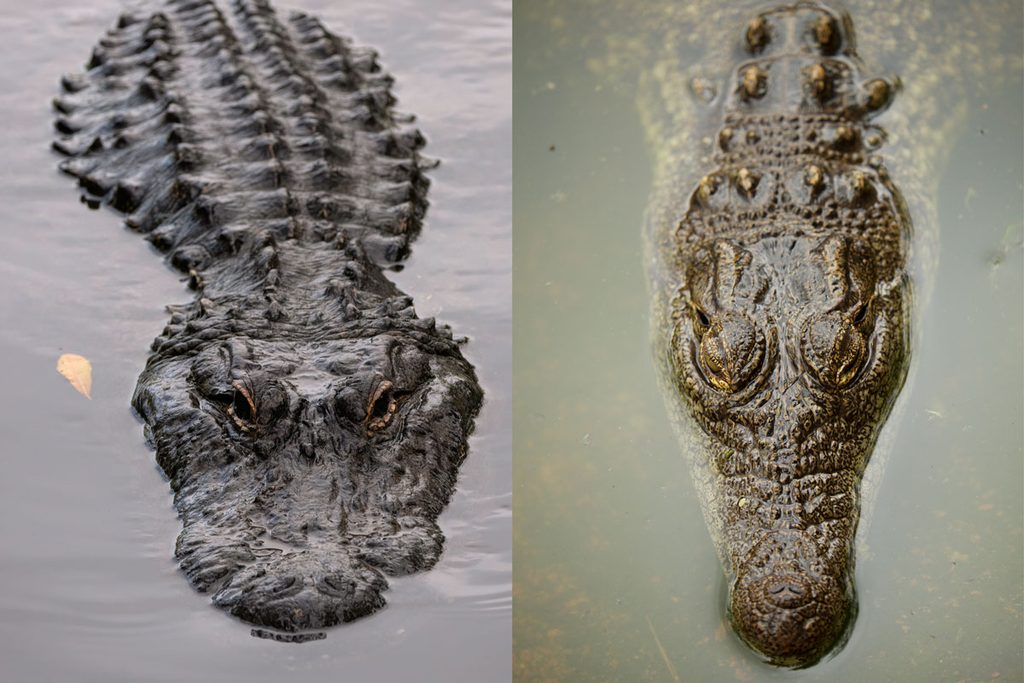
While there are many differences between alligators and crocodiles, the quickest and most obvious way to tell who is who is by looking at these reptiles’ snouts. Alligators generally have wider, U-shaped snouts, while crocodile snouts tend to be narrower and V-shaped. When their mouths are closed, an alligator’s lower teeth are also usually hidden, while a crocodile’s remain visible, giving it what almost looks like a mischievous — and very deadly — grin.
Possums and Opossums
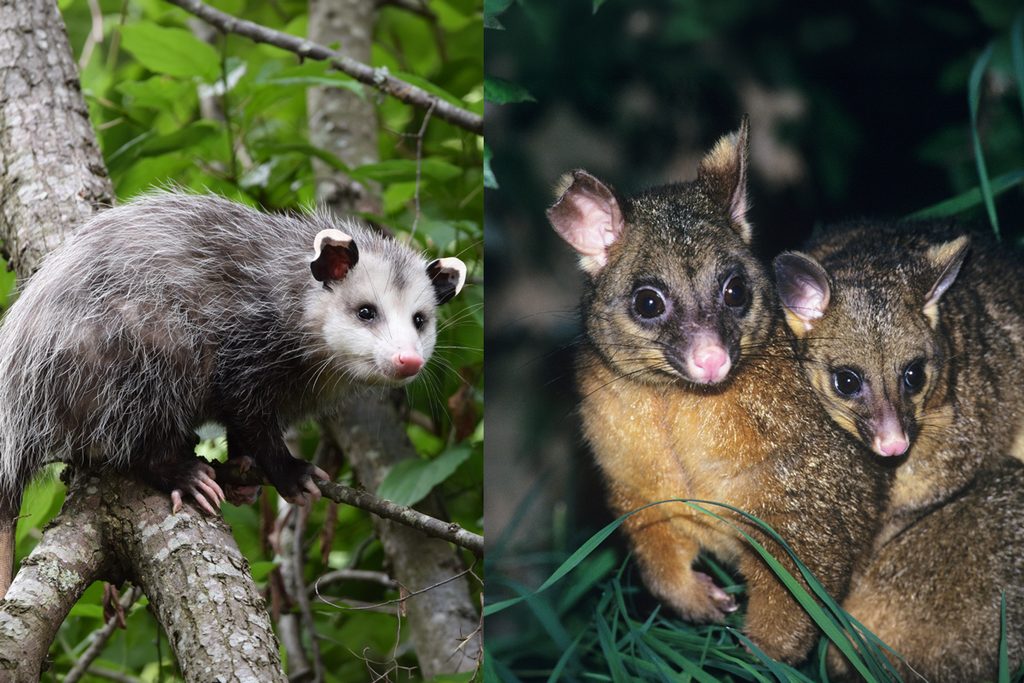
The names are often used interchangeably, but possums and opossums are actually different animals. Opossums are native to the Americas, while possums are native to Australia. Both are marsupials that carry their young in pouches, but the Australian brushtail possum has furry ears and a bushy tail, unlike the mostly bare-tailed North American opossum.
Seals and Sea Lions
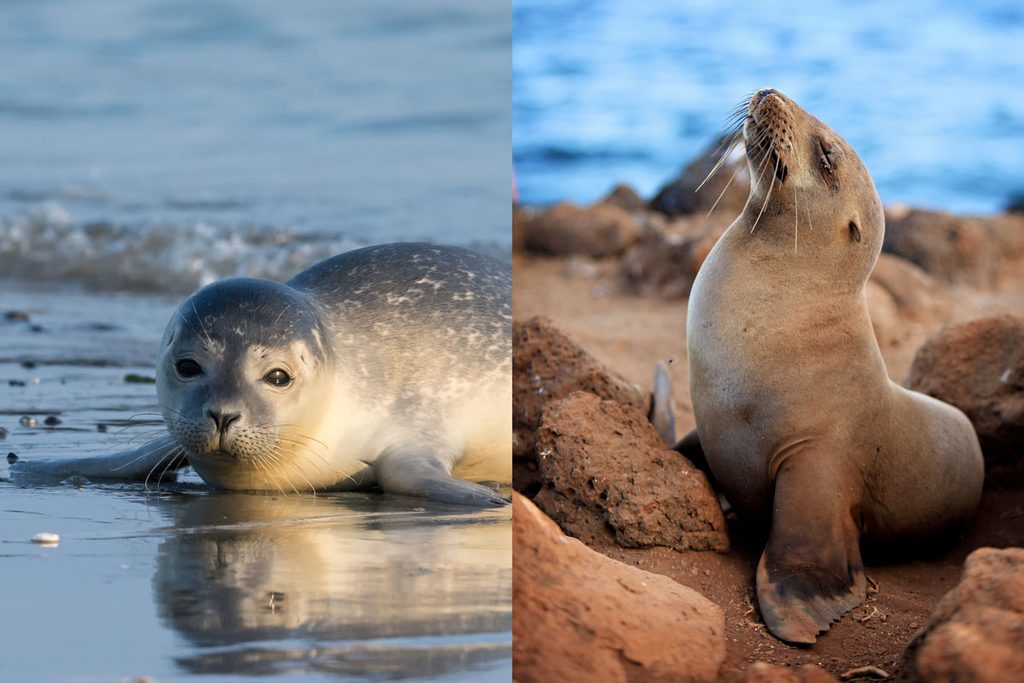
Both seals and sea lions are pinnipeds, and both haul out on beaches and rocky coastlines to rest. But sea lions are easy to spot: They have visible external ear flaps and easily rotate their hind flippers to help them walk on land. Seals, on the other hand, lack external ear flaps and move awkwardly on land since their hind flippers are primarily for water propulsion.
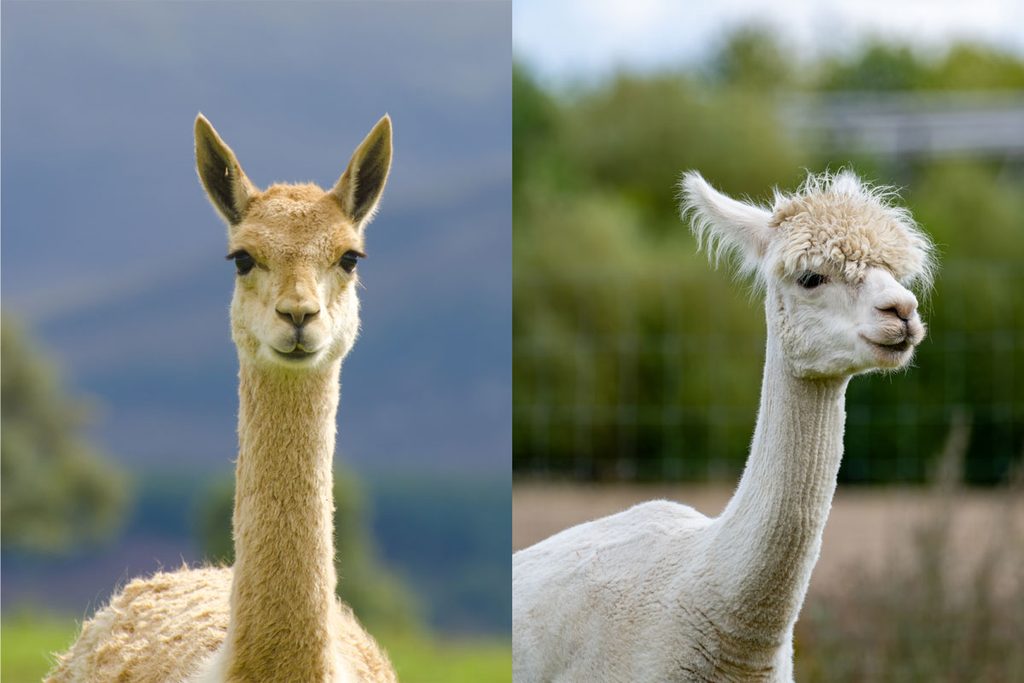
Llamas and Alpacas
These South American relatives are both domesticated camelids and are easy to mix up if you don’t know the differences. Llamas are considerably larger, typically weighing 250 to 400 pounds compared with an alpaca’s 100 to 175 pounds.
Llamas also have longer faces and distinctive banana-shaped ears. Alpacas, meanwhile, have shorter faces and dense, fine fleece that’s often used in textiles. If you’re still unsure, the one that looks like a woolly stuffed animal, it’s most likely an alpaca — though both can be cute and impressively fluffy.
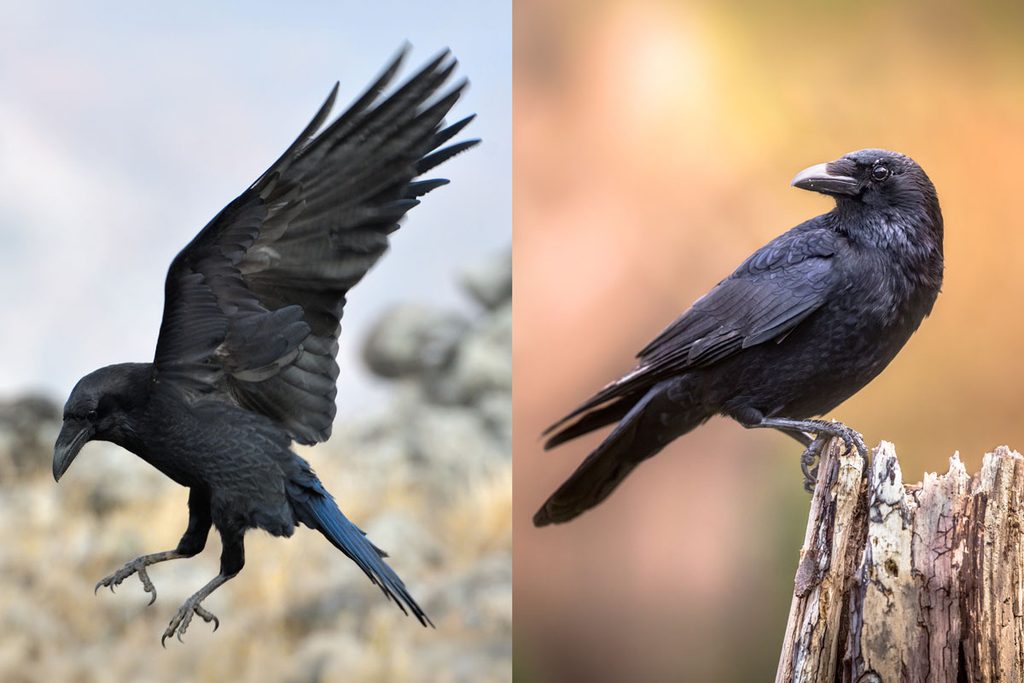
Ravens and Crows
Ravens and crows belong to the same bird family, Corvidae, and while telling them apart can be tricky, there are a few key methods. In North America, common ravens are considerably larger than American crows, growing to about 2 feet long — roughly the size of a red-tailed hawk.
Ravens also have heavier bills, shaggy throat feathers, and pointier wedge-shaped tails that are especially noticeable in flight. Crows, meanwhile, have more rounded fan-shaped tails and of course that familiar caw, while ravens tend to make lower-pitched croaks.
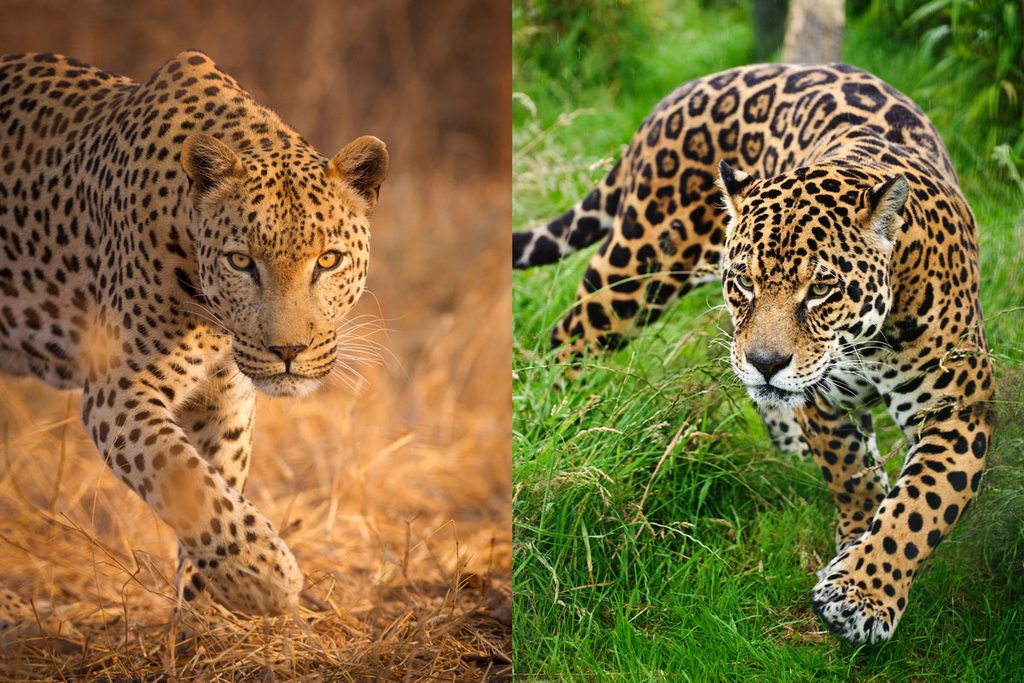
Leopards and Jaguars
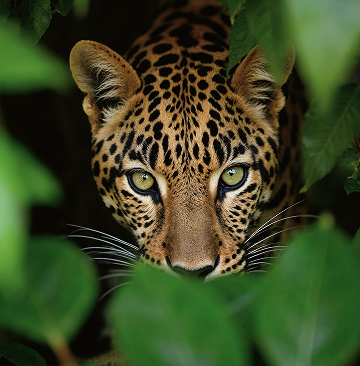
At a glance, both big cats have golden coats covered in dark spots. But look more closely: Leopards’ rosettes are usually made of dark outlines, while jaguar rosettes often also contain one or more dark spots in the centre.
Jaguars also have broader heads, more muscular jaws, and shorter, stockier limbs than leopards. Their habitat ranges are another big tell: Jaguars live in the Americas, particularly in the Amazon rainforest and parts of Central America, while leopards are found in parts of Africa and Asia.
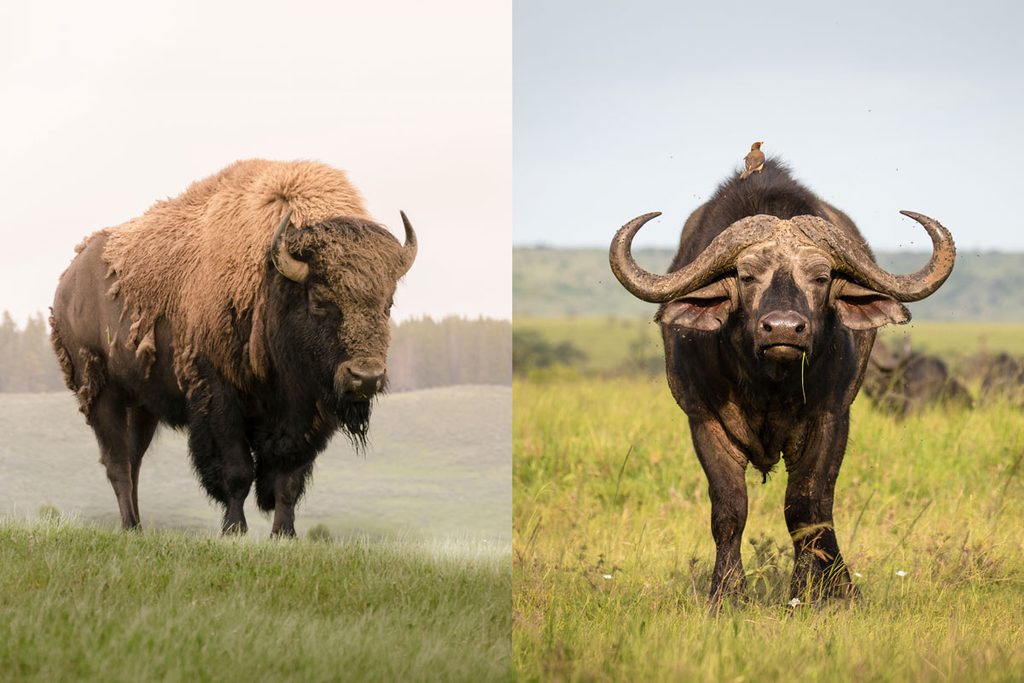
Bison and Buffalo
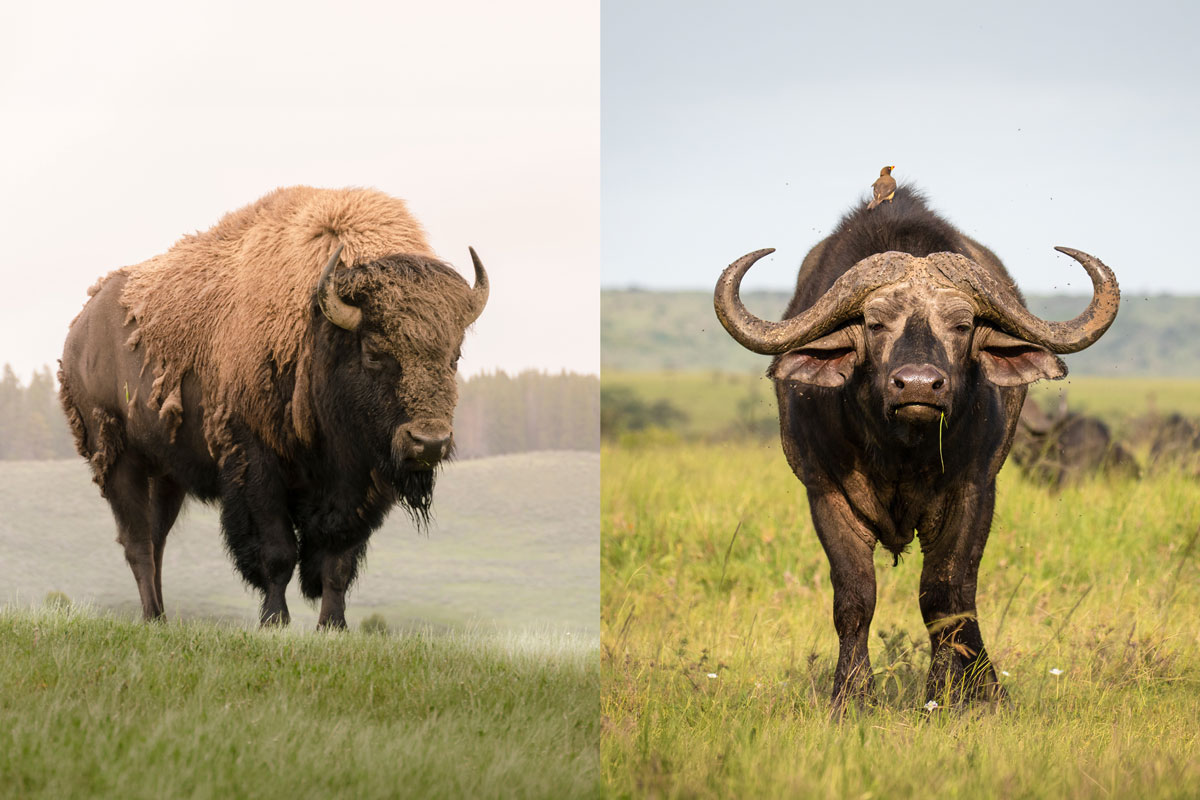
North American bison are often called buffalo, but those names actually refer to different animals. Bison are native to North America and Europe, while true buffalo, including African buffalo and Asian water buffalo, are native to Africa and Asia.
Bison have prominent shoulder humps, large heads, and thick, shaggy fur around their front halves. True buffalo, such as African and water buffalo, have different horn shapes and lack that distinctive hump. Historians aren’t sure how the common mix-up began, but it’s likely that European explorers helped popularize the name buffalo for North American bison.
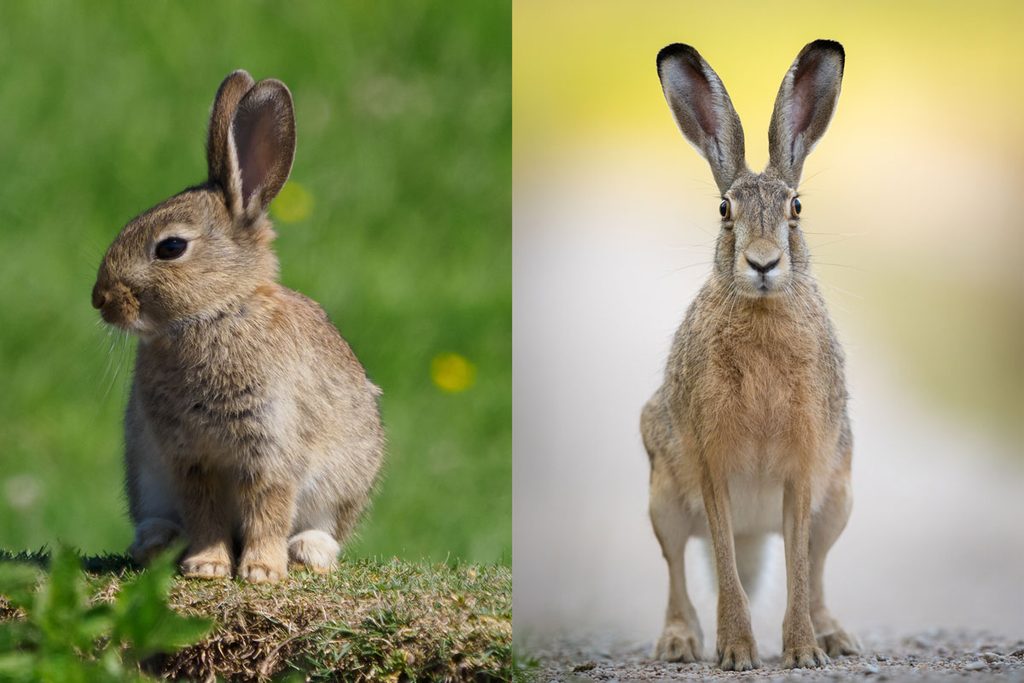
Rabbits and Hares
Hares and rabbits may look alike, but there are some obvious differences: Hares have longer ears and longer, leaner hind legs and bodies. Their offspring also get very different starts in life — baby hares are born fully furred with their eyes open, while baby rabbits arrive hairless and blind.
And some hares have seasonal tricks that rabbits don’t. Snowshoe hares, for instance, trade their brown summer coats for white winter fur, as do white-tailed jackrabbits, which, even more confusingly, are hares, not rabbits.
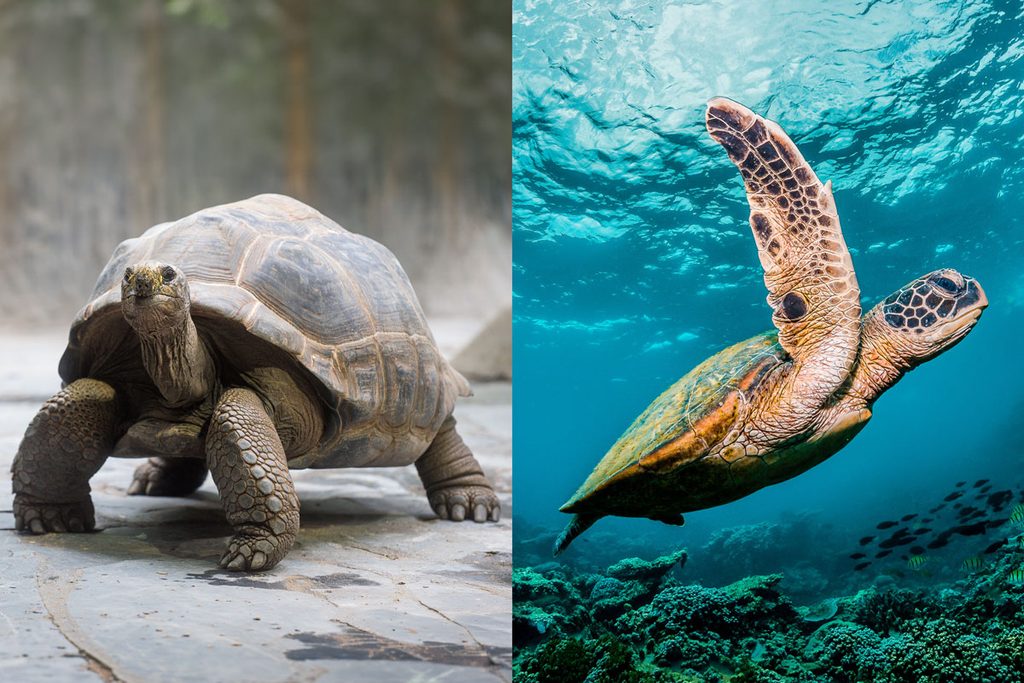
Tortoises and Turtles
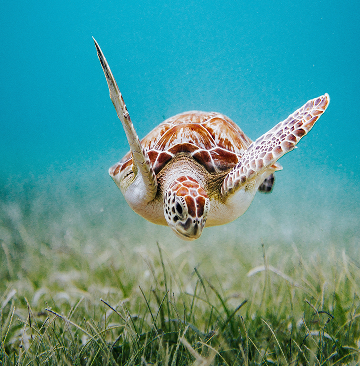
Plot twist: All tortoises are turtles, but not all turtles are tortoises. Turtle is the broader term for reptiles in the order Testudines, while tortoises are a group adapted primarily for life on land.
The latter typically have sturdy, elephantlike feet, while turtles have flippers or webbed feet. Tortoises also tend to have high, domed shells, while many aquatic turtles have flatter, more streamlined shells that help glide move through water.