Do Other Animals Keep Pets?

Humans have a peculiar habit of bringing other species into our homes, feeding them, naming them, caring for them, and eventually mourning them. We call it having a pet, and for many people, this relationship is deeply personal. But humans aren’t the only animals that form close bonds with creatures from another species.
There’s no good evidence proving other animals keep pets in quite the same way humans do. They do, however, form a surprising range of interspecies relationships that can look remarkably petlike without quite fitting the human definition.

What Makes an Animal a Pet?
People have deliberately brought animals into their lives for thousands of years. Dogs appear to have been associated with humans for at least 14,000 years, based in part on archaeological evidence of dogs being buried alongside people. Unlike livestock, which were primarily domesticated for food, labor, or other practical purposes, dogs developed a close relationship with humans that included companionship as well as hunting, guarding, and other roles.
Over time, humans began keeping a wide range of animals primarily for companionship. Ancient Egyptians kept dogs and cats but also monkeys, birds, gazelles, and other animals. Some were even depicted alongside their owners in tomb paintings, while beloved animals were buried or mummified after death.
Today, the distinction between a working animal and a companion animal can be blurry. What makes a pet different from livestock or a wild animal living nearby is the nature of the relationship. Humans deliberately provide food, shelter, protection, and care, while the pet is kept primarily for companionship or enjoyment, even if it also serves a practical role.
Some Primates Have Pets — Well, Kind Of
Our fellow primates can offer some insight into questions surrounding the concept of animal-kept pets. In one famous case, Koko — a western lowland gorilla who learned to communicate using American Sign Language — asked for a pet kitten and was given one for her birthday in 1984. She named the kitten All Ball and reportedly cared for and played with her.
Other primates have also been observed forming relationships with animals of different species. One study documented hundreds of cases of primates interacting socially with animals from other species, including playing with, grooming, carrying, cuddling, and feeding them. The researchers found 427 documented cases involving dozens of primate and other animal species.
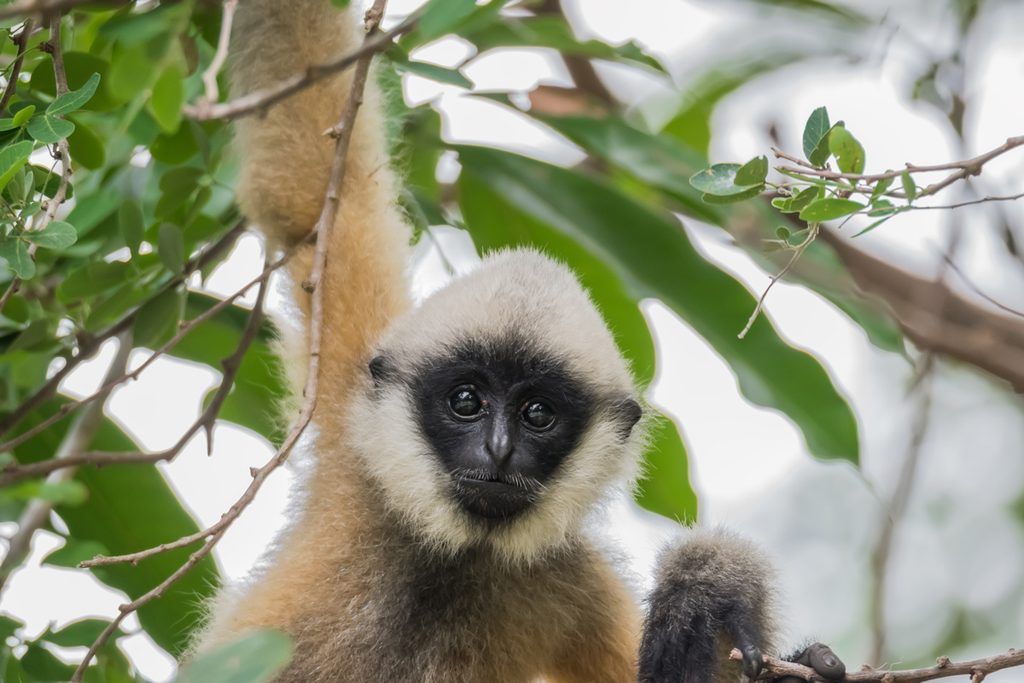
A northern white-cheeked gibbon at one Shanghai zoo gently held and caressed a mouse that wandered into its enclosure rather than eating or chasing it. Japanese macaques have been observed grooming and riding on sika deer, and some stump-tailed macaques have groomed domestic dogs, while a capuchin monkey reportedly once cared for a young marmoset for weeks. A macaque in an Israeli zoo even cared for a chicken in a way that resembled infant care.
However, researchers caution that most of those encounters were relatively brief, and interspecies interactions can have many possible explanations, including curiosity, play, caregiving, social learning, or simply an unusual response to another animal. Without evidence that an animal deliberately keeps another species around for companionship and provides ongoing care for it, calling the relationship a “pet” may say more about human interpretation than animal behavior.
Some Interspecies Relationships Are All About Food
Some of the best animal “pet” stories aren’t about companionship at all. Ants, for example, have a relationship with aphids that resembles livestock management. Aphids feed on plant sap and excrete a sugary substance called honeydew; ants collect that honeydew for food, and in return, they protect aphids from predators and parasites. This arrangement is a form of mutualism, meaning both species benefit from the relationship.
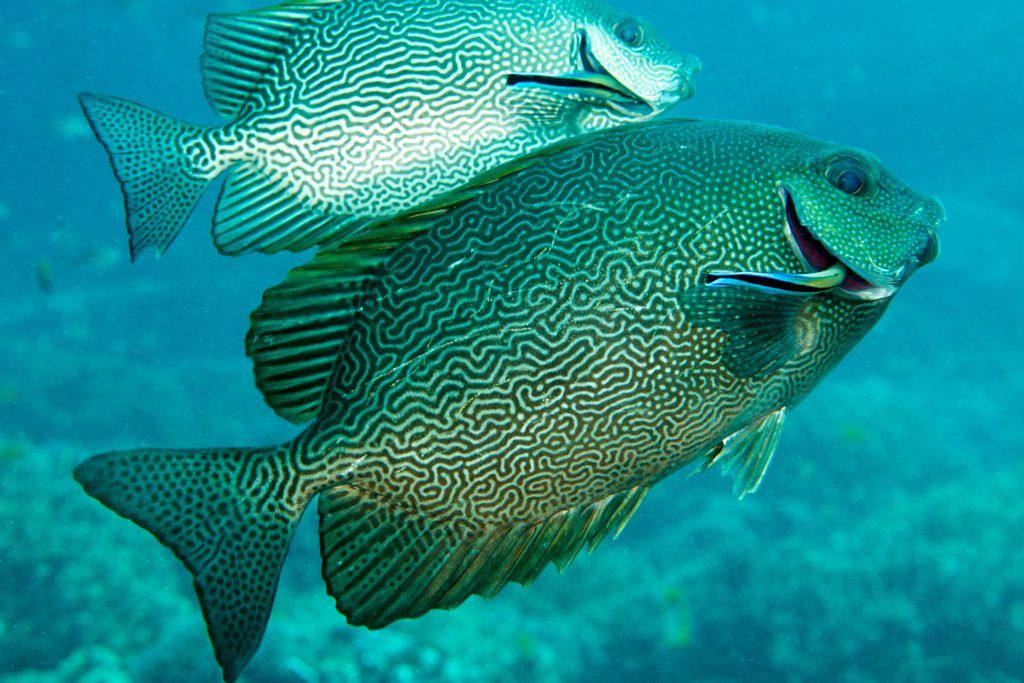
Ants and aphids aren’t the only examples of animals in symbiotic relationships. Reef fish visit cleaning stations where cleaner wrasses and shrimp eat parasites and dead tissue from their bodies, giving the cleaners a meal in exchange for the service.
Sea anemones and clownfish have another well-known arrangement, with clownfish gaining protection from predators among the anemone’s stinging tentacles and the anemone simultaneously benefitting from nutrients in the fish’s waste and scraps of food. These relationships show that animals can maintain close, long-term relationships with other species when there’s a clear evolutionary payoff.
The Difference Is in the Relationship
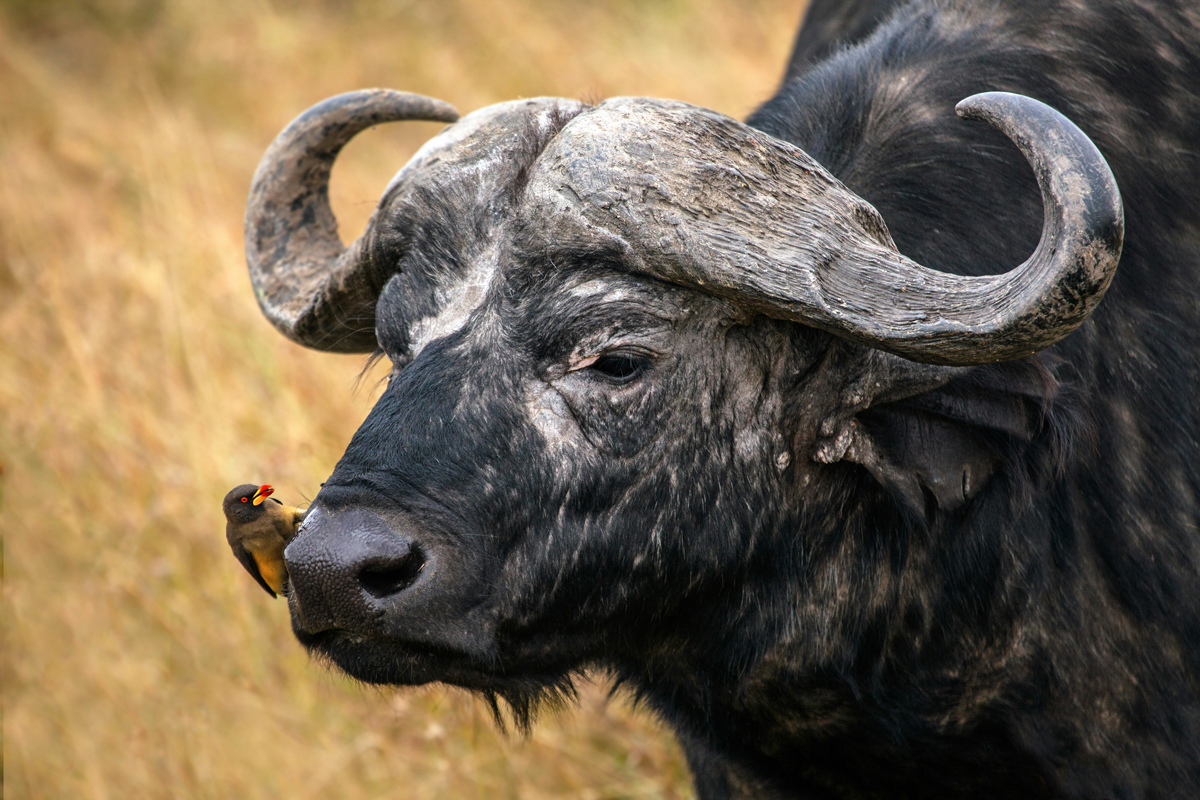
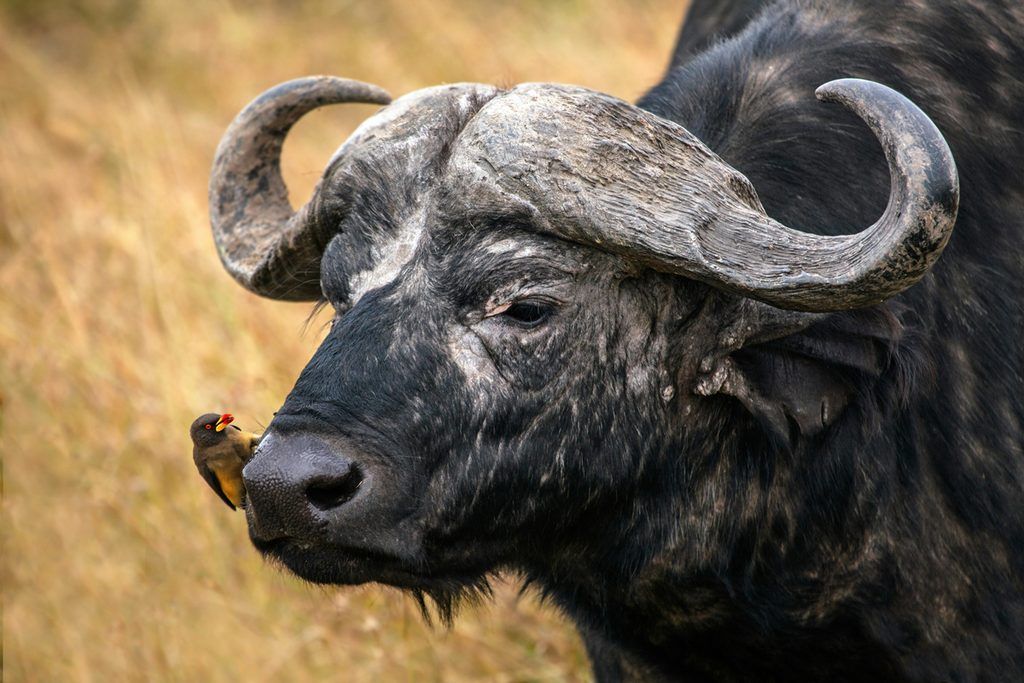
The animal kingdom is full of other cross-species relationships that can look surprisingly like human behavior, from goby fish and pistol shrimp sharing burrows to oxpeckers picking parasites from large mammals. But none of these examples provide clear evidence of another animal deliberately keeping a pet for companionship in the human sense.
That distinction matters because animals can behave in ways that look almost unmistakably human to us without having the same motivations. A macaque cuddling a chicken may be displaying caregiving behavior, an ant tending an aphid may be protecting a reliable food source, and a monkey grooming a dog may simply be engaging in a social behavior that’s somehow crossed a species boundary.
So while the rest of the animal kingdom may have plenty of interspecies friendships, partnerships, and mutually beneficial arrangements, keeping pets seems to be a distinctly human pursuit.