How To Read Your Dog’s Body Language

Dogs can’t tell us exactly what they’re thinking, but they are communicating constantly. A wagging tail, flattened ears, or a sudden yawn can all convey information about how a dog is feeling. Deciphering a dog’s mood can be challenging, however, because individual signals don’t always have a single meaning.
To understand what your dog is trying to tell you, you have to look at their whole body, the situation, and what happens next. A dog’s posture, facial expression, tail, ears, and movement can provide clues about whether it is relaxed, excited, worried, fearful — or in need of more space.
A Relaxed Dog Looks “Loose”
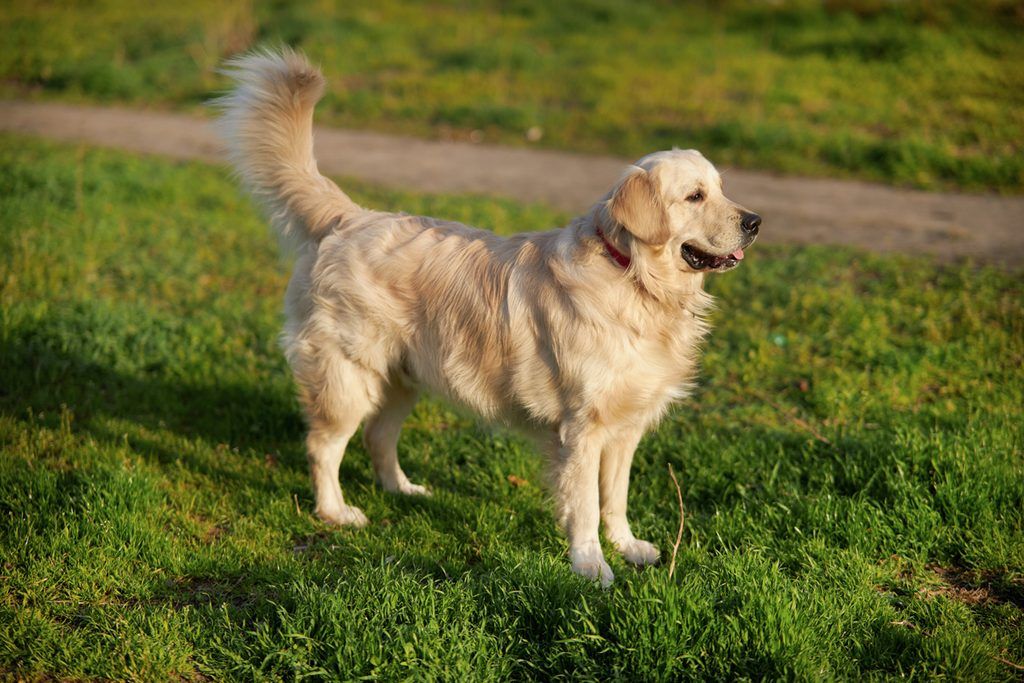
When a dog is comfortable, its body usually looks soft and relaxed rather than stiff or tense. Its weight is generally distributed evenly across all four paws, its mouth may be open, and its ears will be in a natural position for that particular dog rather than pinned back or held rigidly forward.
A relaxed dog may also move with loose, fluid motions. Some dogs wiggle their entire bodies when they’re happy to see someone, from their shoulders to the base of their tail. Because natural stances, ear positions, and movements vary from dog to dog, learn what your pet looks like when it’s comfortable. That gives you a baseline for recognizing changes.
A Wagging Tail Doesn’t Always Mean Happy
Dogs wag their tails when they’re emotionally aroused, and that arousal can come from excitement, happiness, uncertainty, or anxiety. Pay attention to the speed, position, and movement of the tail, along with the rest of the dog’s body. A loose, sweeping wag with a relaxed body may indicate friendly excitement, while a faster, tighter wag can signal a higher level of stimulation that isn’t necessarily an invitation to approach.
A tail held low or tucked tightly beneath the body is more likely to indicate fear, anxiety, or discomfort. A high, stiff tail can also signal intense alertness and may accompany an assertive or threatening posture. Because a dog’s natural tail position varies by breed and individual, you can’t interpret a wag on its own — it’s just one part of the message.
The Eyes and Ears
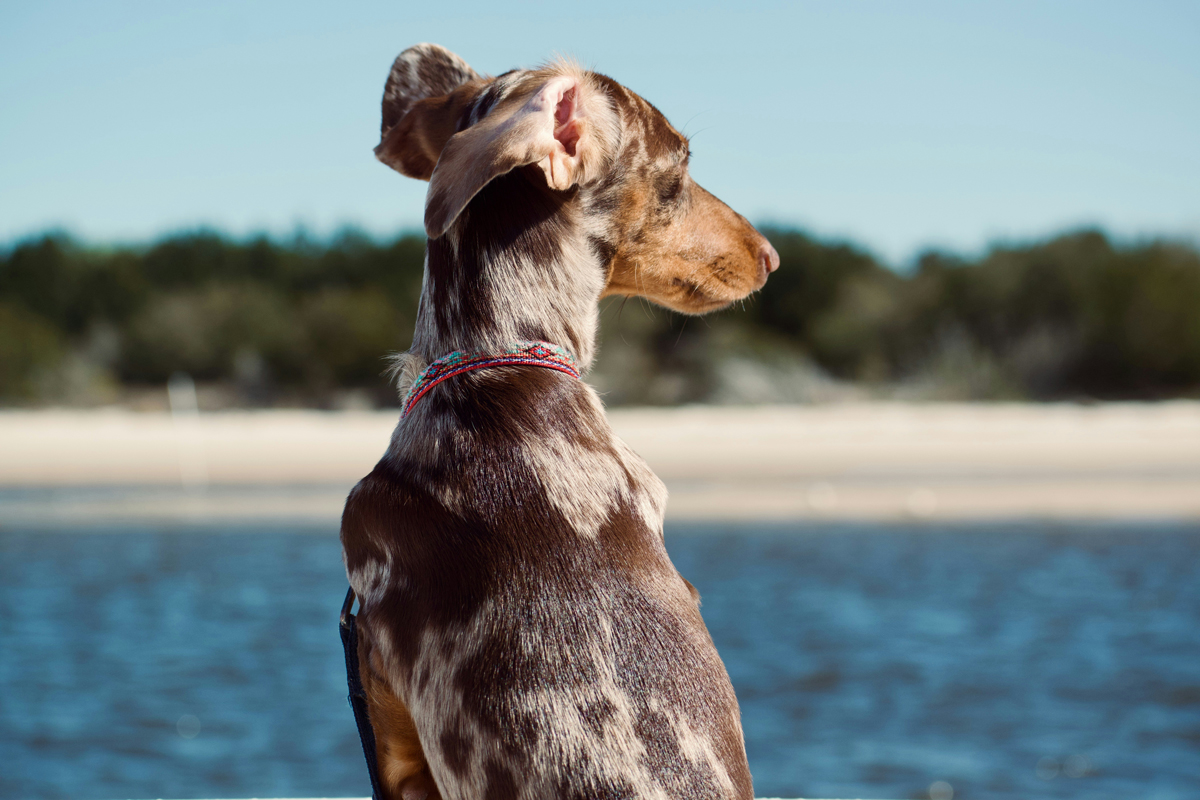
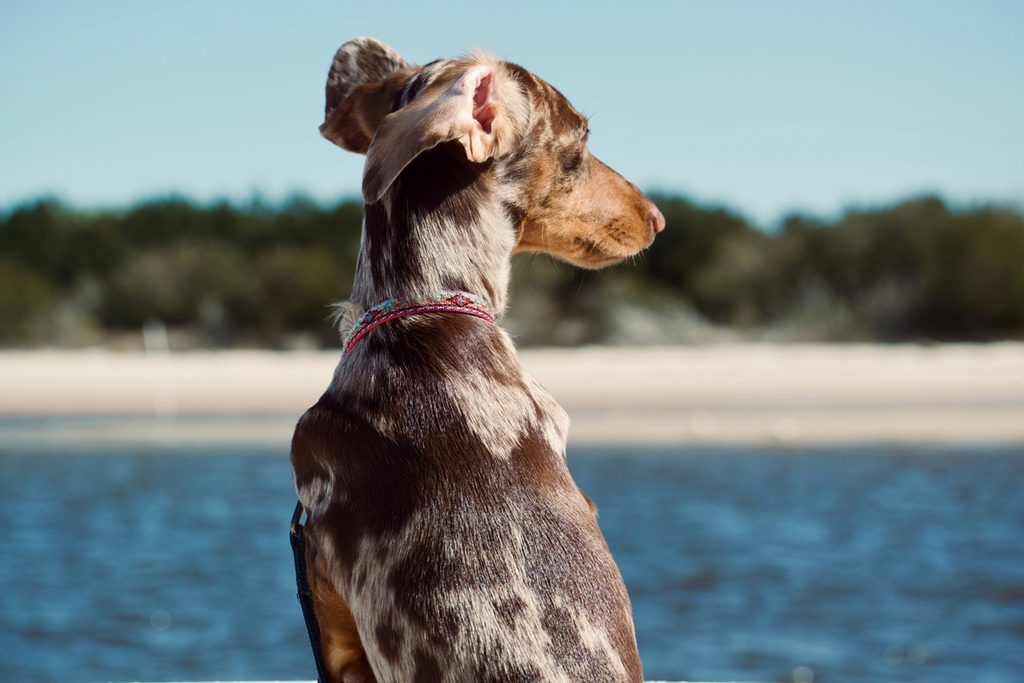
Dogs also use their ears to communicate. While their exact position varies considerably among breeds, ears may move forward when a dog is interested or alert, flatten or pin back when it is worried or frightened, or rest in a neutral position when the dog is relaxed. With floppy-eared dogs, look at the base of the ears for these changes, since they may be less apparent.
The eyes provide additional clues. A relaxed dog generally has soft-looking eyes, while a stressed or fearful dog may turn its head away while keeping its gaze on something. This exposes more of the whites around the eyes, an action called whale eye or half-moon eye.
A hard, fixed stare accompanied by a stiff body can signal that a dog is uncomfortable or ready to react. When a dog is staring intensely at another animal, person, or object, consider its overall posture and the situation rather than interpreting the look alone.
Recognize Your Dog’s Signs of Stress
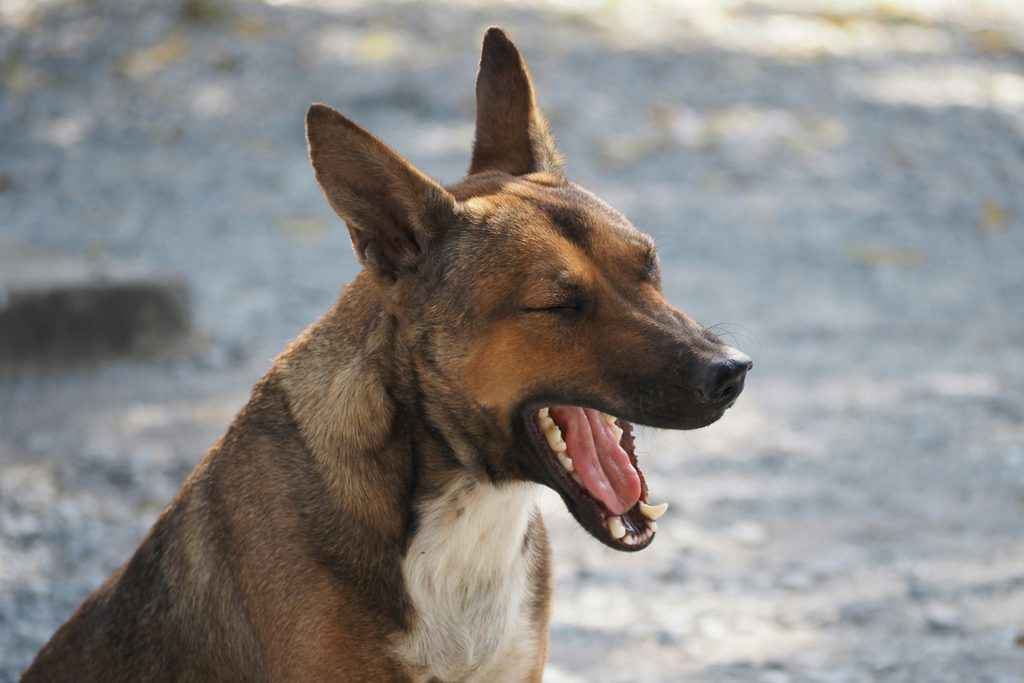
Dogs sometimes use subtle behaviors to reduce tension. Turning away, licking its lips, yawning, drooling, or avoiding eye contact can indicate discomfort or a desire for more space. These behaviors don’t always mean stress — a dog may yawn when tired or lick its lips when anticipating food — so context matters.
More obvious signs of stress include body stiffness or freezing. A dog that suddenly becomes rigid or stops moving may be uncomfortable, frightened, or emotionally aroused. Other concerning behaviors include a fixed stare, raised hackles (the fur along a dog’s back and neck standing up), growling, or bared teeth.
Any combination of these signals together could mean the dog needs more space. The safest response is to stop the interaction causing the tension and give the dog room.
Know the Difference Between Playful and Stressed
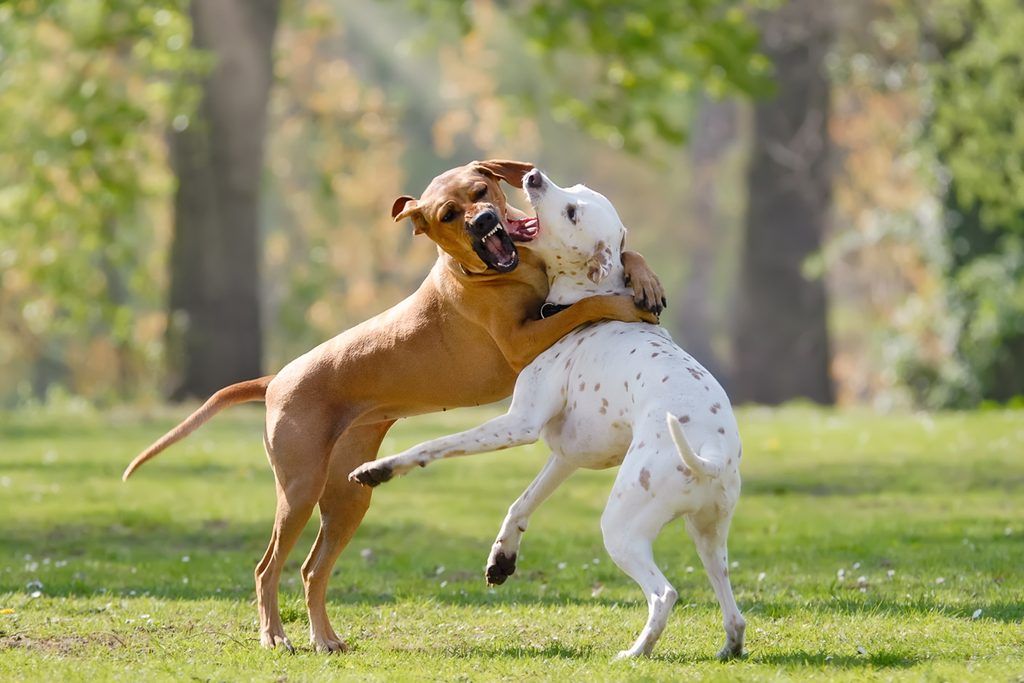
Playful dogs often combine loose movement with exaggerated gestures. A play bow, with the front end lowered and the rear end raised, is a classic invitation to play. Dogs may bark, chase, wrestle, and even briefly show their teeth during play, but their movements generally remain loose and bouncy rather than rigid. On the other hand, a dog that is hiding, holding its body low, trying to escape, or becoming increasingly stiff is typically signaling distress.
The best way to interpret any signal is to consider the whole situation and the individual animal. Breed, age, personality, and previous experiences also matter. Most importantly, learn your dog’s normal behavior so you’ll recognize when it suddenly changes.