
Wild Instincts Your Cat Kept From Its Ancestors
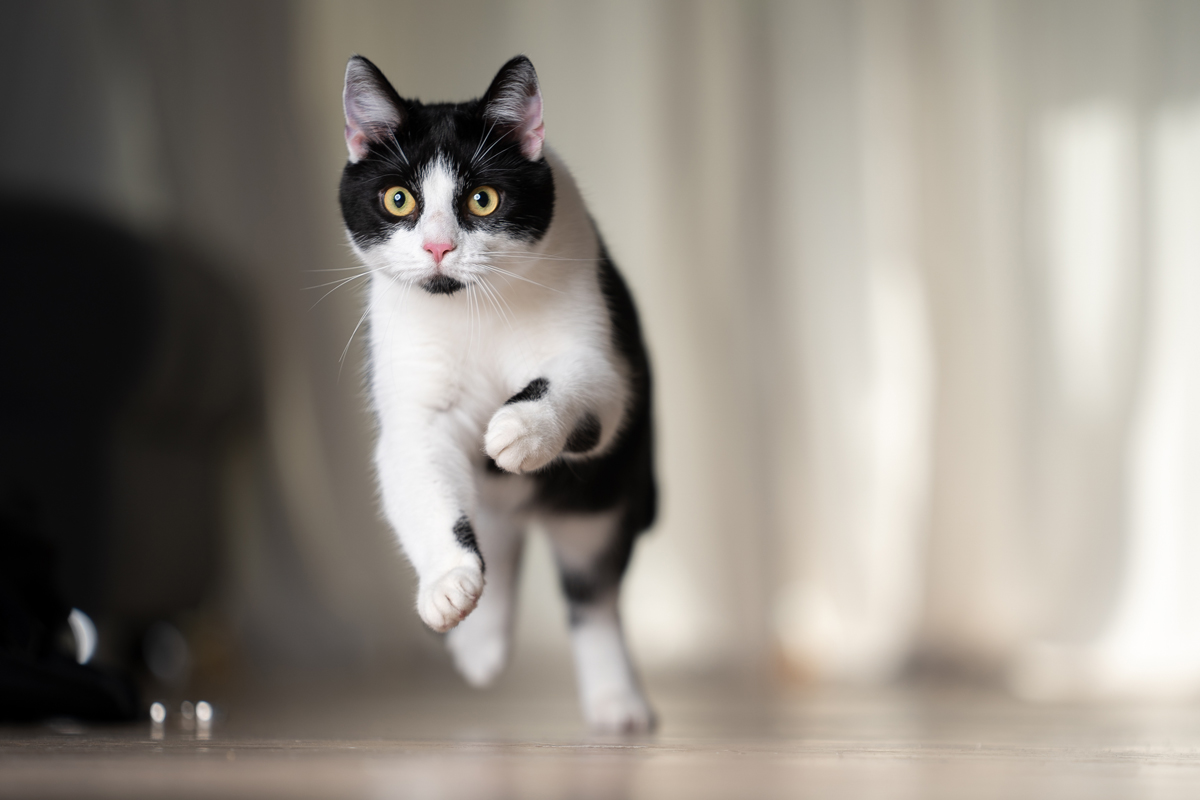

House cats may spend most of their days lounging in sunbeams or waiting for their food to be served up in a saucer, but domestication hasn’t entirely erased their wild side. Our modern feline friends are actually quite similar to their ancestors, retaining much of the same anatomy, and even some of the same behaviors, as their predecessors.
Today, those ancient instincts can show up in familiar ways: The way they play, the scratches on your furniture, and even the places they like to hide are rooted in their past. Here are five wild behaviors that house cats never quite left behind.
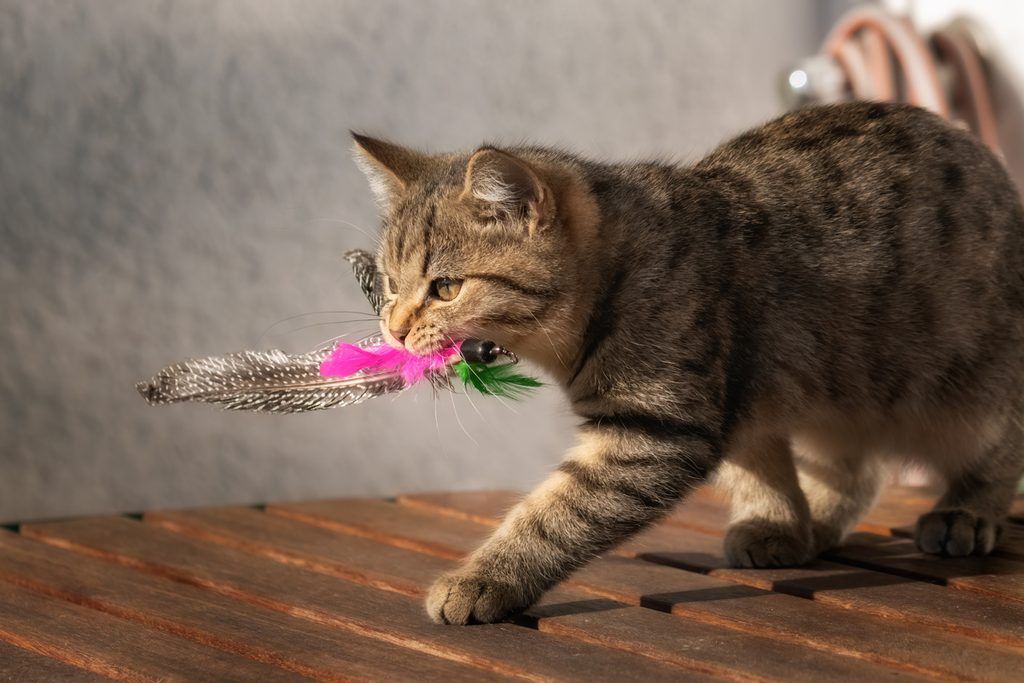
They Treat Their Toys Like Prey
You may have noticed that when a cat plays with a toy, it can also look like they’re hunting. An innocent toy mouse will probably find itself being stalked, chased, pounced on, or bitten over and over, especially by a rambunctious kitten. That’s because these are hunting behaviors, and they’re still ingrained even in pampered house cats who have no need to hunt.
Research has found that domestic cats don’t even need to be hungry to engage in this predatory behavior. They may also catch prey and bat it around, release it, and catch it again before killing it — even if they have no intention of eating it. This technique may help tire out prey that could otherwise fight back in the wild, but cats don’t always kill solely for an immediate meal; they may be acting on a primal instinct to secure food stores for later.
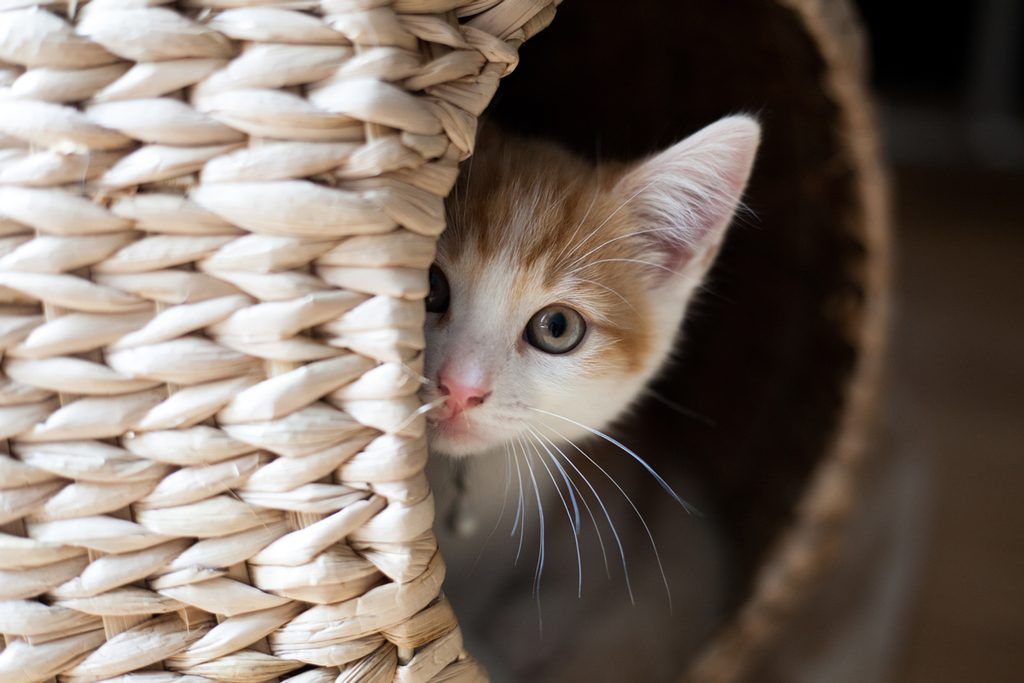
They Hide in Small Spaces
Give a cat an empty cardboard box and there’s a good chance it’ll become their newest lair. Cats often seem to enjoy small, enclosed spaces, something you’ll be familiar with if your pet has ever accidentally scared you while hiding in a closet or under a bed.
This instinct goes back to the cat’s undomesticated years when it was both predator and prey: Being hidden helped the animal discreetly watch for prey while also protecting them from larger animals hunting for their own dinner. Modern research has found that hiding places can indeed make domestic cats feel more secure, particularly in unfamiliar settings.
They’re Most Active at Dawn and Dusk
If your cat suddenly gets the zoomies at sunrise or races around the house overnight, it isn’t necessarily being a nuisance on purpose. Many cats have spurts of activity around dawn and dusk, a pattern adapted from their wild ancestors that were crepuscular, meaning they were most active at twilight. Research suggests this bimodal rhythm may have been inherited from their wild ancestors, when being active around dawn and dusk would have meant better hunting opportunities with fewer competitors.
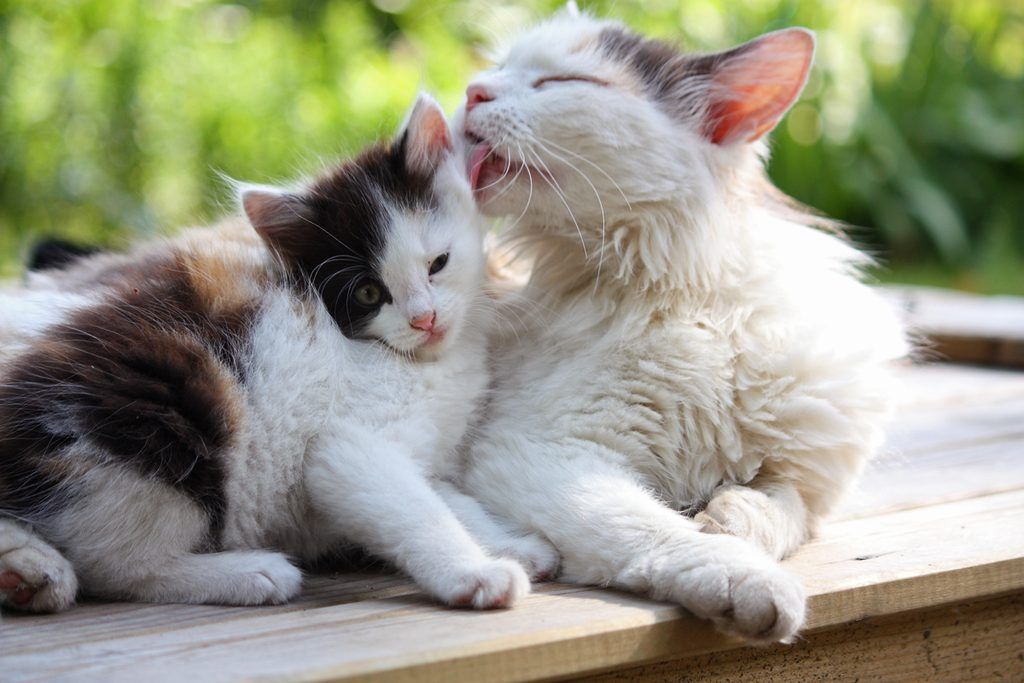
They Care for Their Kittens
Mother cats spend a lot of time grooming, nursing, and keeping their kittens close. Domestic cats didn’t learn these behaviors from living with people; they’re part of the ingrained maternal behavior cats use to keep their young fed, clean, and protected.
Research has found that domestic cats also often use hiding spots to raise their kittens, much like their wild relatives do, and they’ll sometimes move their kittens from place to place, carrying them to a new hiding spot when they’re still very young. Although the instinct to relocate their kittens and keep them hidden from potential threats is more useful in the wild, it’s still very much part of the maternal behavior we see in our beloved house cats.
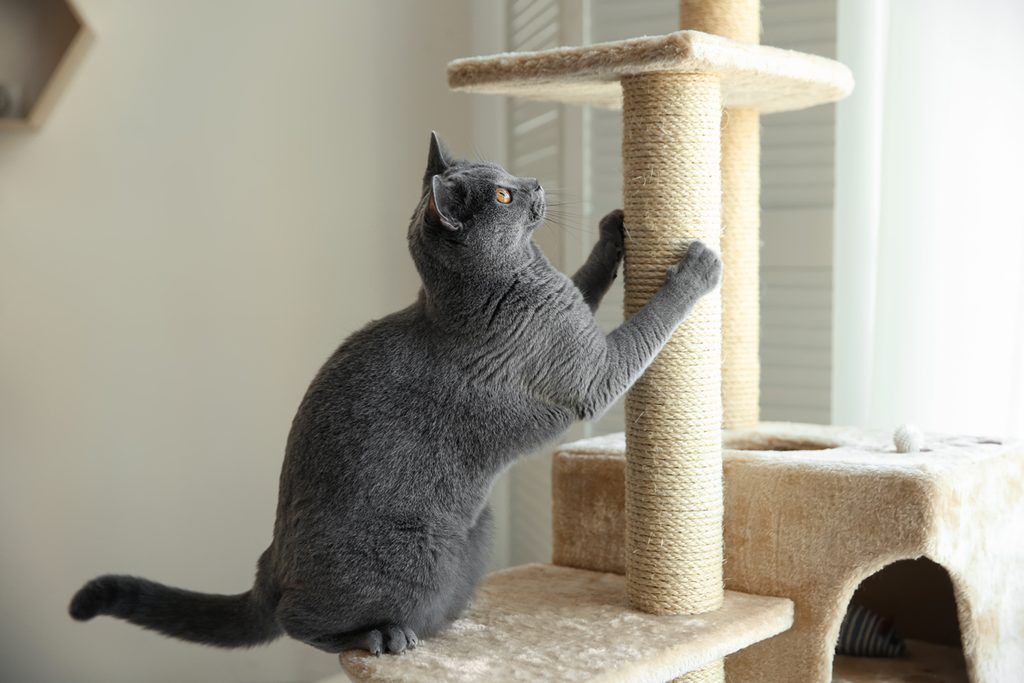
They Leave Scratch Marks
Your couch may not be a fan, but scratching is an important part of a cat’s life. Not only does it help maintain their claws and stretch and strengthen their limbs and muscles, but it also serves as a form of communication. Domestic cats belong to the family Felidae, the cat family that also includes everything from lions and tigers to lynxes and wildcats.
House cats, like those wild relatives, have scent glands on their paws that — along with the visible scratches from their claws — can leave chemical signals that are useful out in the wild. If you’re hoping your cat will leave its mark anywhere but your furniture, consider investing in a scratching post. After all, you may be able to take the cat out of the wild, but there’s no taking the wild out of your cat.