Six Extreme Ways Animals Prep for Hibernation

Hibernation can sound kind of cozy: a long winter nap under a blanket of leaves, perhaps something Winnie-the-Pooh may partake in before waking up to devour a big pot of honey. But the reality of hibernation is far more complex than an extended period of sleeping may suggest; in many cases, it’s more like a controlled biological crisis than a nap.
To survive months without food or water, some creatures undergo some genuinely extreme processes of preparation. From drastic temperature drops to impressive pre-hibernation feasts, here are six animals that take hibernation prep to incredible levels.
Wood Frogs Freeze Solid
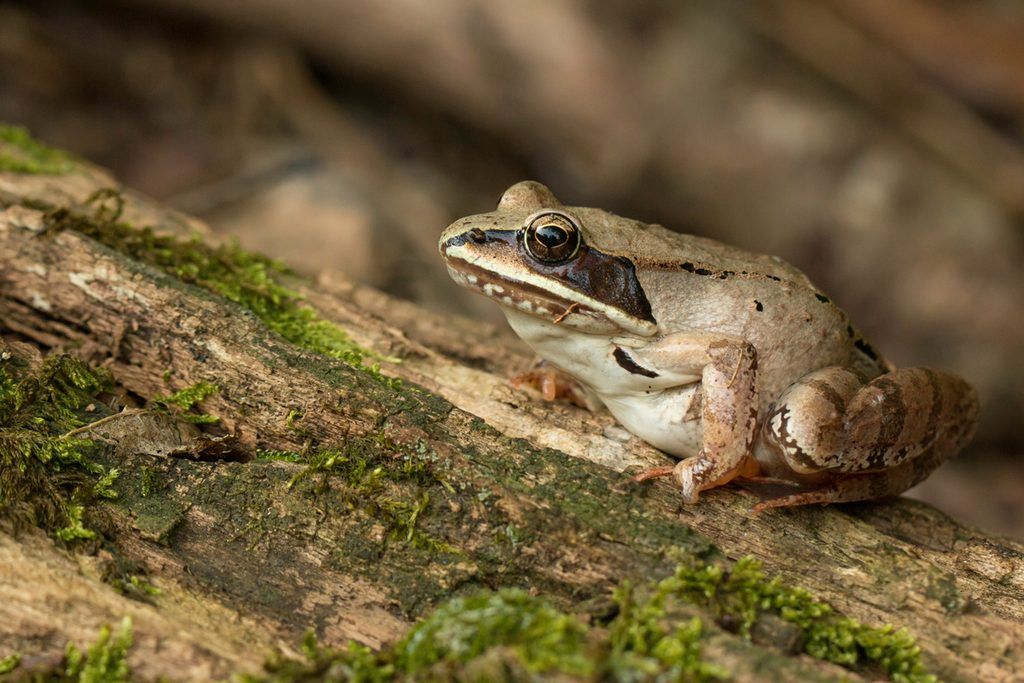
When it comes to extreme cold, the wood frog has an “if you can’t beat them, join them” attitude. As temperatures drop, 70% of the water in its body freezes into ice, at which point its heart stops beating, its breathing halts, and its kidneys shut down. It becomes metabolically inactive, so its body doesn’t consume or require oxygen while frozen, and it’s only kept alive by a flood of glucose released by its liver the moment ice starts forming.
The glucose acts as a natural antifreeze that protects individual cells even as the space around them turns solid. Wood frogs can stay frozen for up to eight months, after which they simply thaw and hop away.
Arctic Ground Squirrels Supercool Their Own Blood
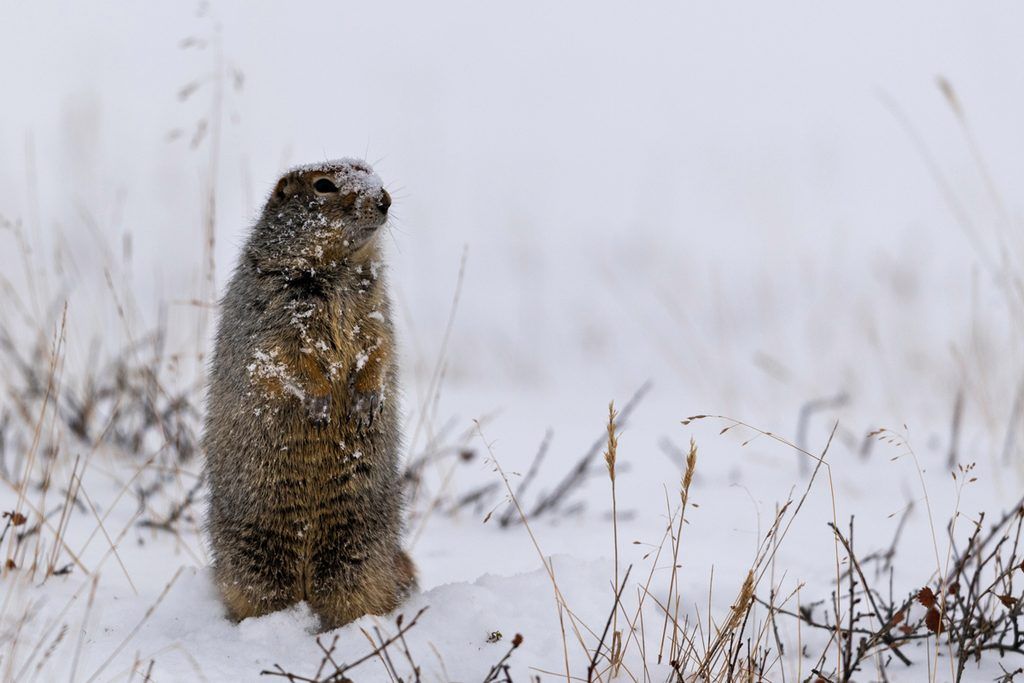
As summer draws to a close, Arctic ground squirrels start to pack on the pounds, often doubling their body weight before they enter hibernation in fall. But that’s just the beginning of their preparation: Once they’ve settled into their burrows, they pull off something that should be biologically impossible in a mammal.
As the temperature around them plummets, their brains cool to 32 degrees Fahrenheit while their limbs drop to an astonishing 26.8 degrees — the lowest temperature ever measured in a living mammal. They briefly shiver their way back to 96.8 degrees every few weeks — a process called interbout arousal, which allows the squirrel’s systems to perform vital physiological maintenance — before their body temperature drops again, conserving energy by drastically slowing their metabolism. It’s an amazing ability, and scientists aren’t yet entirely sure of the exact mechanisms that enable it.
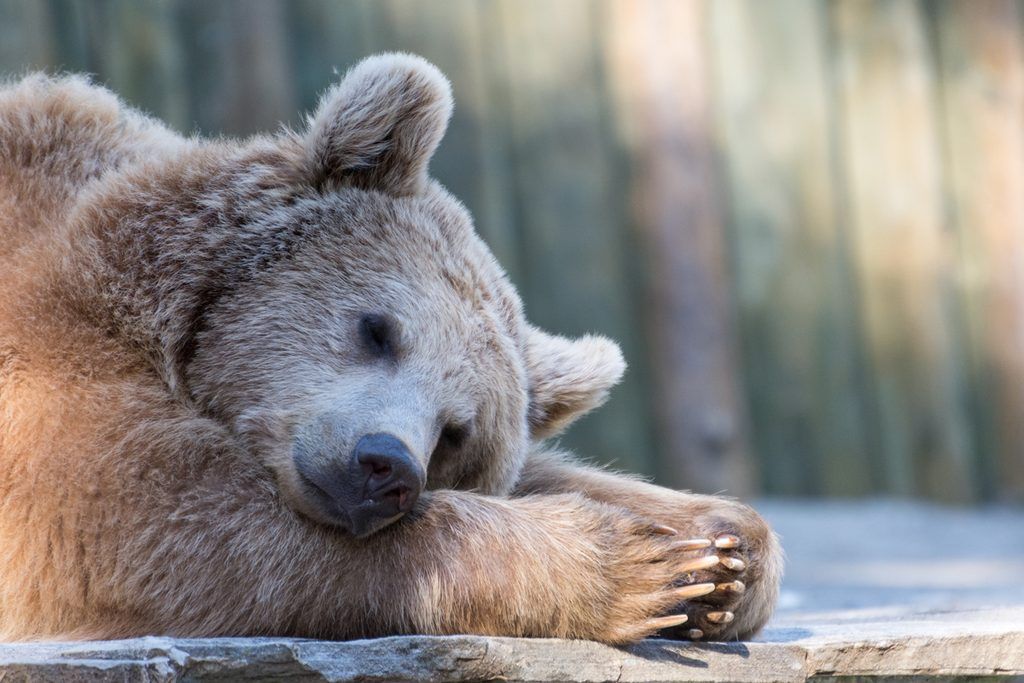
Bears Eat a Ridiculous Amount of Food
Many animals put on weight before hibernation, but bears really don’t mess around when it comes to calories. During the fall, they enter a hyperphagia phase — a period of extreme, nonstop overeating — consuming as much as 20,000 calories a day (with some gluttonous grizzlies consuming an astounding 100,000 calories a day). This builds up the stored body fat they use as survival fuel to make it through the long months of hibernation.
At the same time, they keep an eye out for a suitable den, with some securing a good spot weeks in advance. Black and grizzly bears hibernate for around seven months, during which they don’t eat, drink, urinate, or defecate. The lack of bathroom breaks would be fatal for most mammals, but bears bypass this by recycling their waste into nitrogen to build protein, helping them maintain their organs and muscle mass.
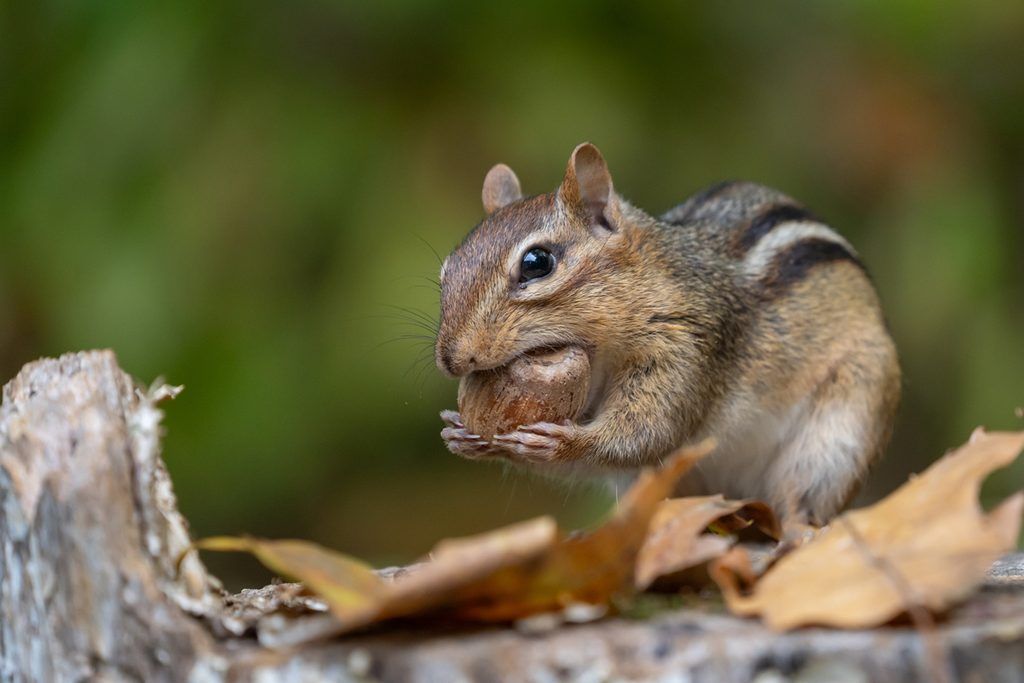
Chipmunks Build a Well-Stocked Pantry
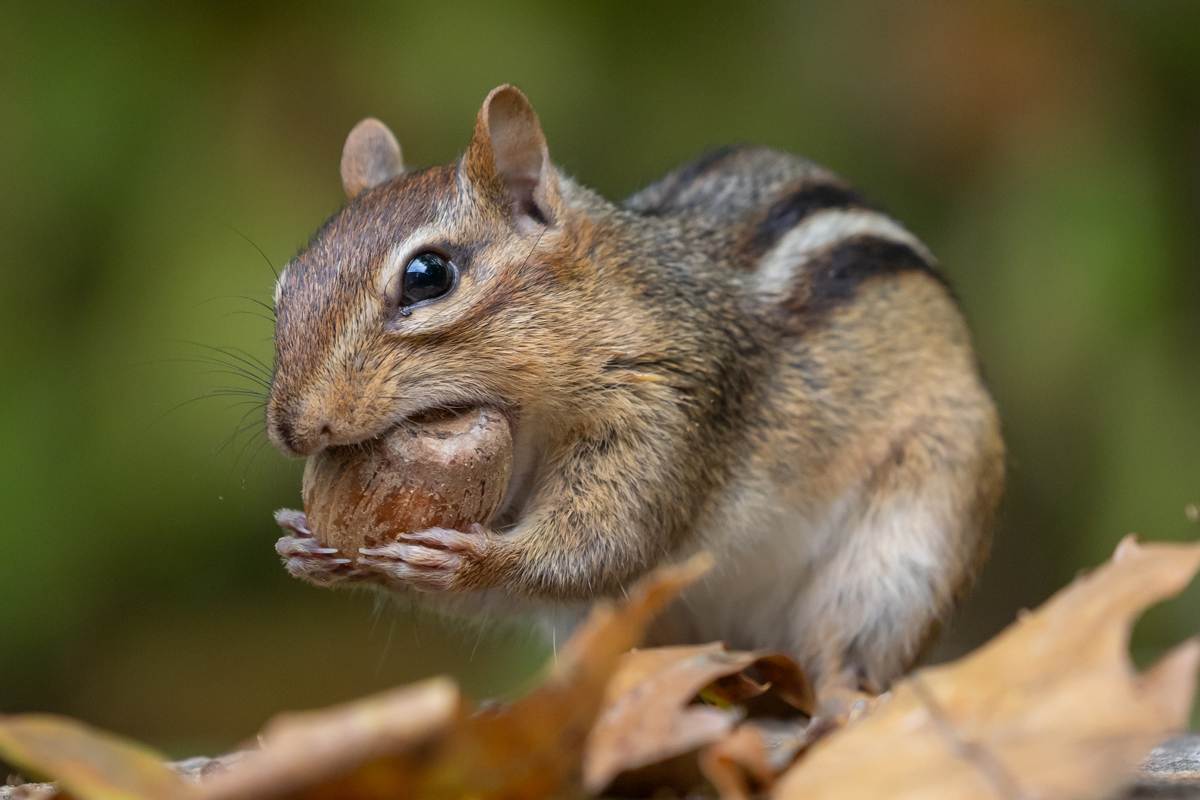
Chipmunks aren’t true hibernators; instead, they enter a period of what’s known as torpor — a short-term, daily version of the same physiological process behind hibernation. They still have to prepare for this light form of hibernation, but rather than piling on the pounds, they instead spend the fall gathering and hauling seeds, nuts, and other food into underground stockpiles inside their burrows.
After entering the torpor state — during which their heart rate drops from about 350 beats per minute to around four — they wake every few days for a snack. Their secret pantries, not their body fat, sustain them through the winter, making their autumn food-hoarding just as essential as any bear’s feeding frenzy.
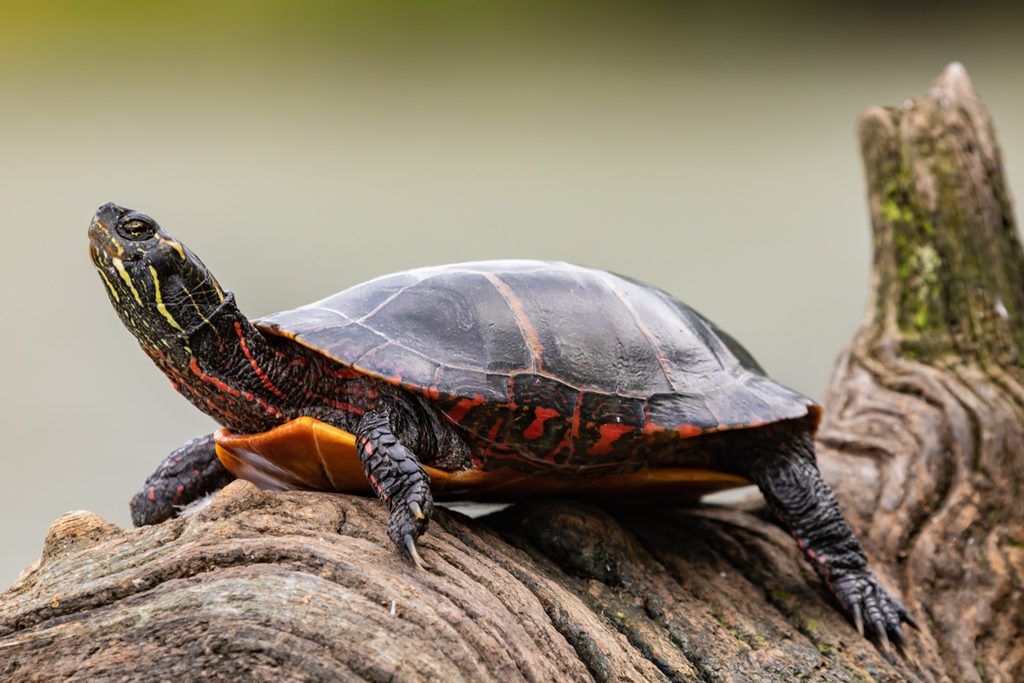
Painted Turtles Deliberately Starve Themselves
On the other end of the calorie-consumption spectrum, painted turtles take a different approach. Weeks before burying themselves in pond mud for winter, painted turtles simply stop eating. This may seem counterintuitive, but many turtle species clear out their digestive systems on purpose because their bodies aren’t able to properly digest anything once their metabolism slows down for brumation, the hibernation state or torpor that cold-blooded animals enter during winter.
Any food left to rot internally during months of dormancy could be fatal, making an empty gut a vital and very deliberate survival strategy. This is particularly important for painted turtles, who spend months buried in mud beneath frozen ponds, during which their metabolism drops as much as 99% below its normal rate. That extreme metabolic slowdown drastically reduces how much energy — and therefore calories — they require.
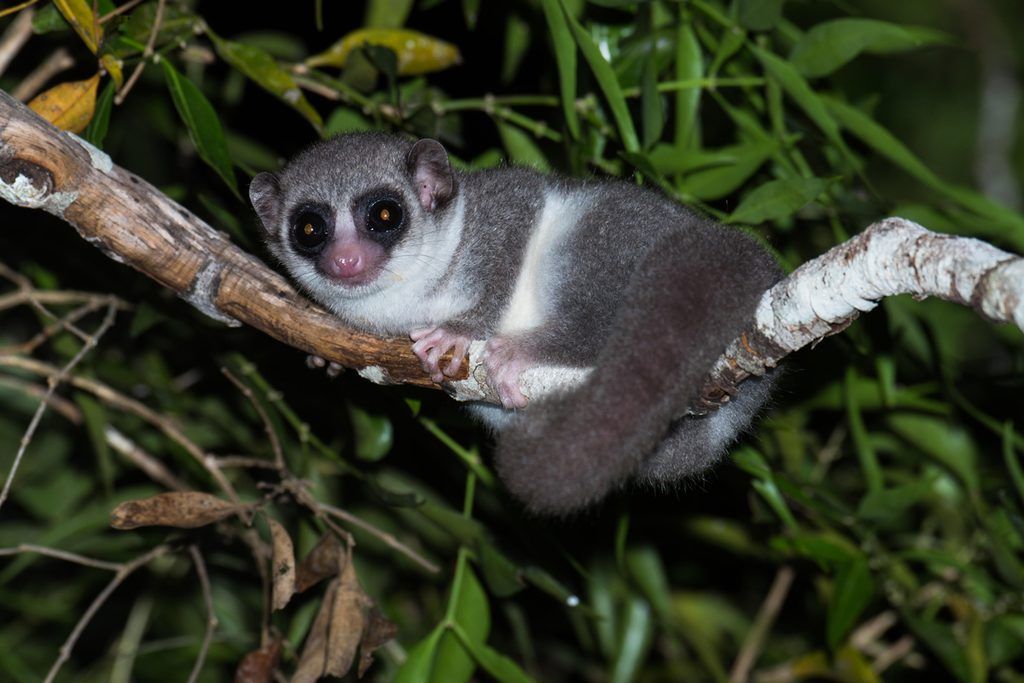
Fat-Tailed Dwarf Lemurs Supersize Their Own Tails
Madagascar’s fat-tailed dwarf lemur was given its name for a reason. Before retreating into a tree hole for up to seven months, these lemurs gorge themselves on fruits and flowers, storing so much fat in their sausagelike tails that the appendage can balloon to nearly 40% of the animal’s total body weight.
Fat-tailed dwarf lemurs are the only primates known to hibernate for a long period of time, sometimes for as long as six months. Unlike most hibernators, though, they’re not trying to survive a period of extreme cold. Instead, they go dormant during the harsh dry season, when food and water become scarce — and that oversized tail serves as a dedicated built-in fuel tank.