Can You Spot These Camouflaged Animals?
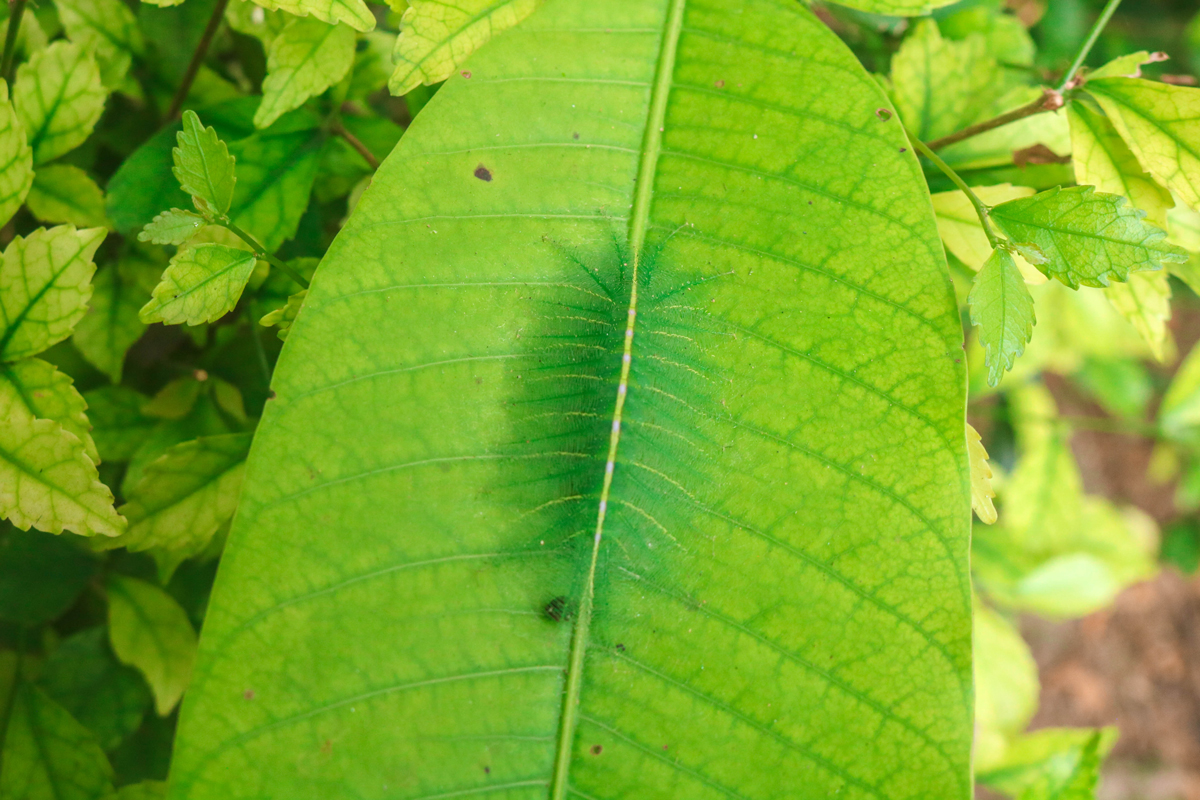

Camouflage is one of nature’s most impressive feats — if you know where to look, that is. Some animals can blend in so well with their environment that even when you know they’re right in front of you, they’re still hard to spot. From leaf impersonators to fake flowers, here are eight masters of disguise who are hard enough to see clearly in photos, let alone in the wild.
Common Baron Caterpillar
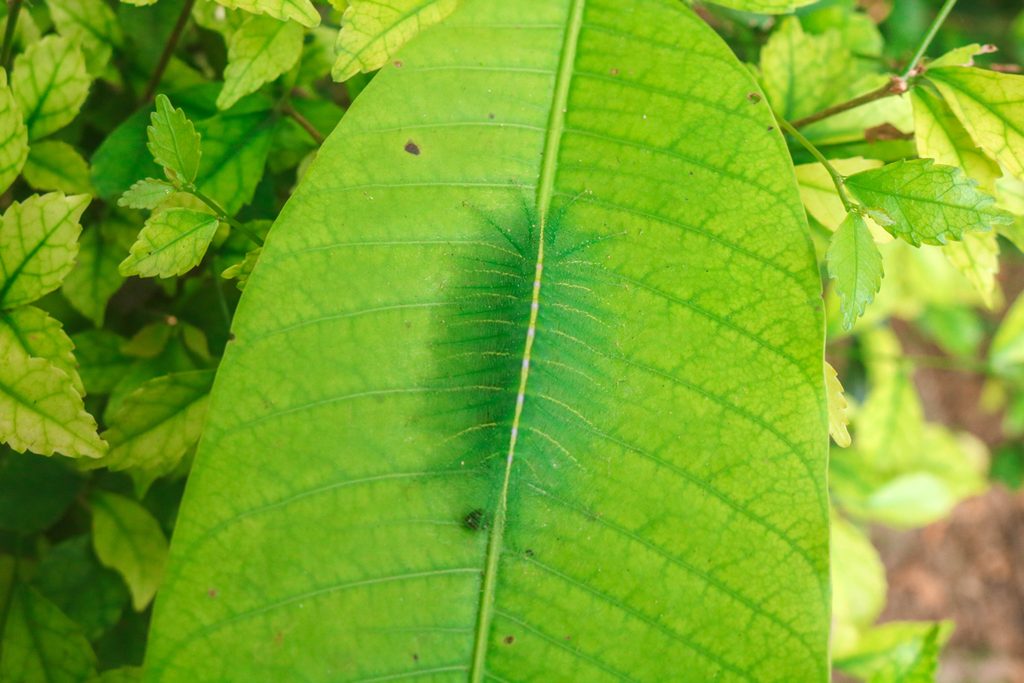
The caterpillar of the common baron butterfly, found across India and Southeast Asia, feeds on mango leaves — and it’s very good at mimicking its favorite snack. Its green body is the same color as a mango leaf, while a pale yellow stripe along its length and feathery spines along its sides look exactly like the leaf’s midrib and veins. To a hungry bird, it simply looks like part of the leaf, as it does in this photo.
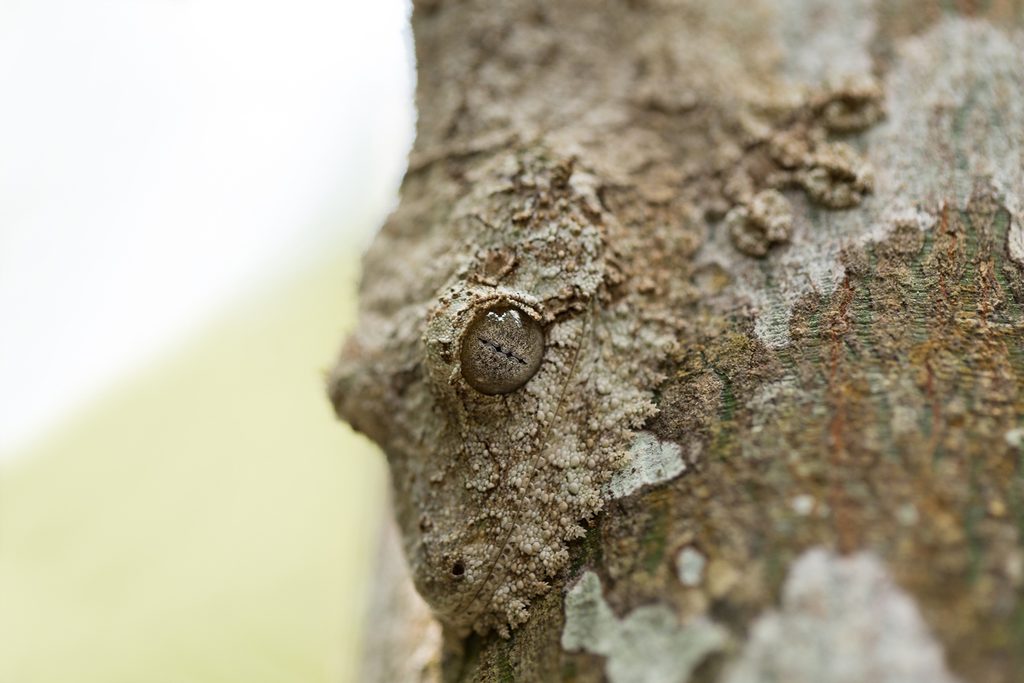
Mossy Leaf-Tailed Gecko
This Madagascan gecko spends most of its day hanging head-down on tree trunks doing its best not to be seen. Its mottled grays and browns match a tree’s bark, moss, and lichen, while a fringe of skin along its body, head, and limbs helps hide its silhouette.
When it presses flat against a tree trunk, it all but disappears. The only thing giving away the mossy leaf-tailed gecko in this photo is its open eye.
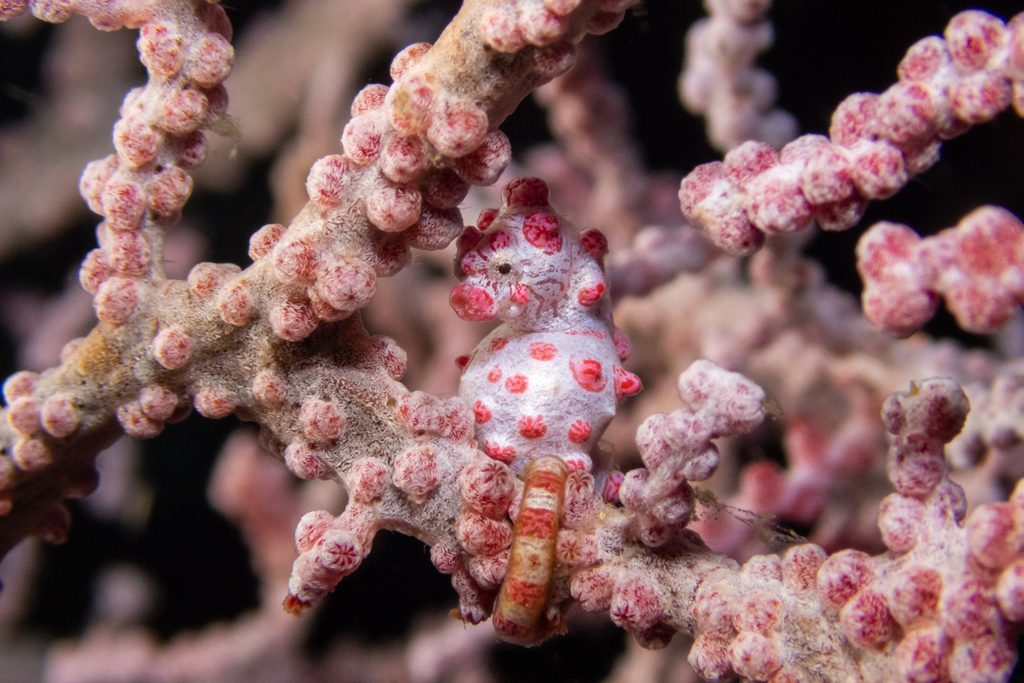
Bargibant’s Pygmy Seahorse
This tiny pygmy seahorse is less than an inch long and lives exclusively on gorgonian corals, whose color and texture it copies with uncanny precision. It’s covered in knobby skin growths that match the coral’s polyps, and its texture and coloration are the same as the branch.
It’s so well hidden that scientists didn’t even find the species until 1969, when a researcher noticed the miniscule seahorse on a sea fan he was examining in the lab. If you didn’t know what you were supposed to be looking for, the one in the center of this photo would be very easy to miss.
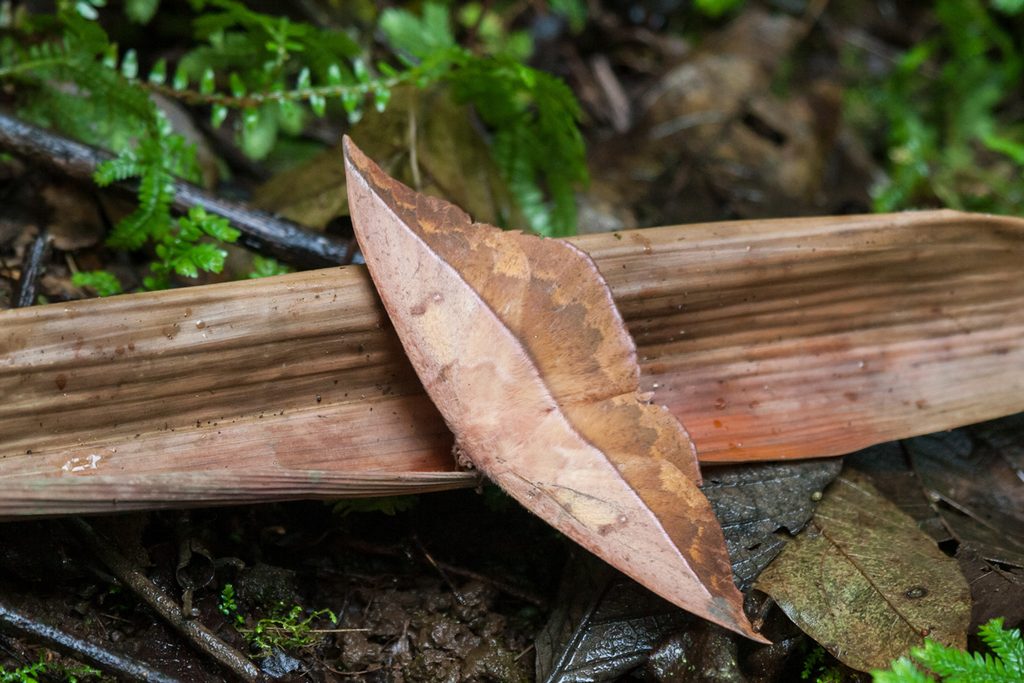
Dead-Leaf Moth
When Oxytenis modestia, also known as the dead-leaf moth, folds its wings shut, it becomes almost indistinguishable from a crumpled brown leaf — complete with a dark line to match the leaf’s midrib and fainter lines for the veins. When it needs to hide from a potential threat, it closes its wings and settles among the leaf litter, becoming essentially undetectable. Ask most people what’s in this photo and they’ll likely say, “a leaf,” despite the moth being front and center.
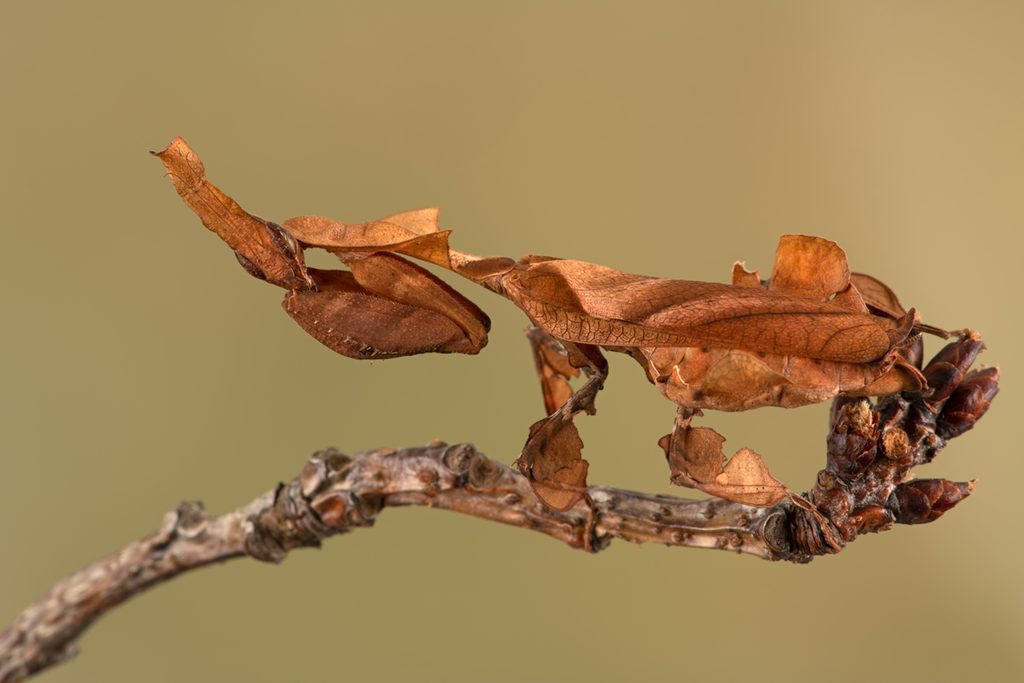
Ghost Mantis
This African mantis more than deserves its ghostly name. Its flattened, veined body, combined with leaflike flaps on its legs and abdomen and a head crest that resembles a curled piece of leaf matter, make it look just like any other leaf on a tree.
To complete the illusion, it even rocks back and forth to mimic the motion of a leaf rustled by a breeze. As you can tell from this photo, it would be almost impossible to spot in the wild.
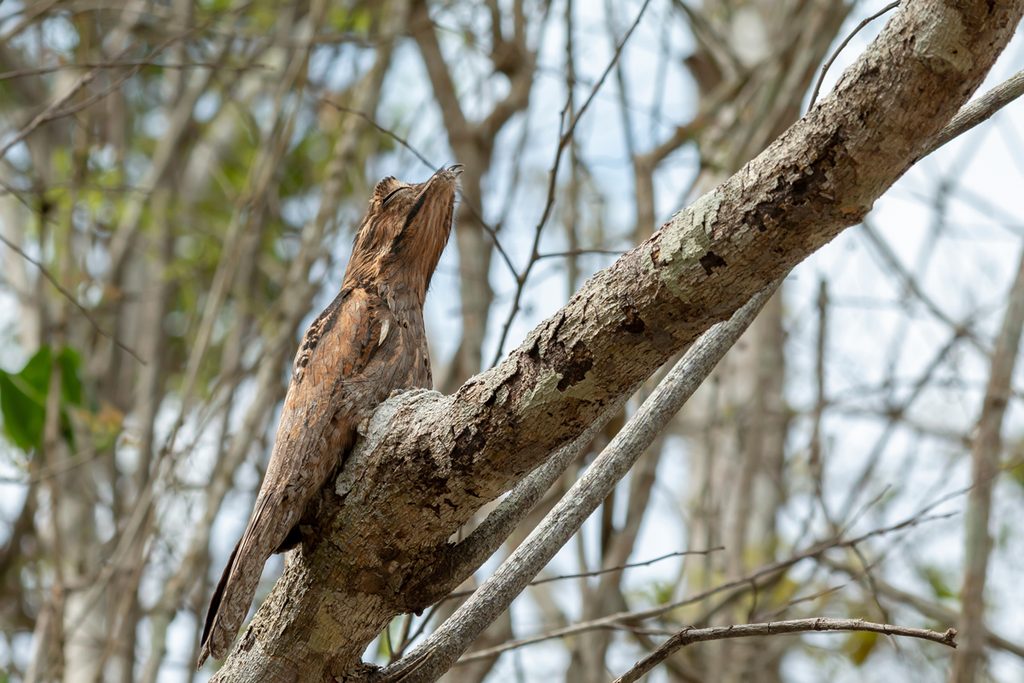
Potoo
By day, the nocturnal potoo of Central and South America perches upright and adjusts its angle to look exactly like a broken branch stub. It points its beak skyward, shuts its eyes and freezes, blending seamlessly into the tree.
This pose is learned by adorable baby potoos as well; with their fuzzy white feathers, they appear to be covered in tree fungus. Here you can see an adult potoo at the center left of the photo, frozen at just the right angle with its eyes shut tight.
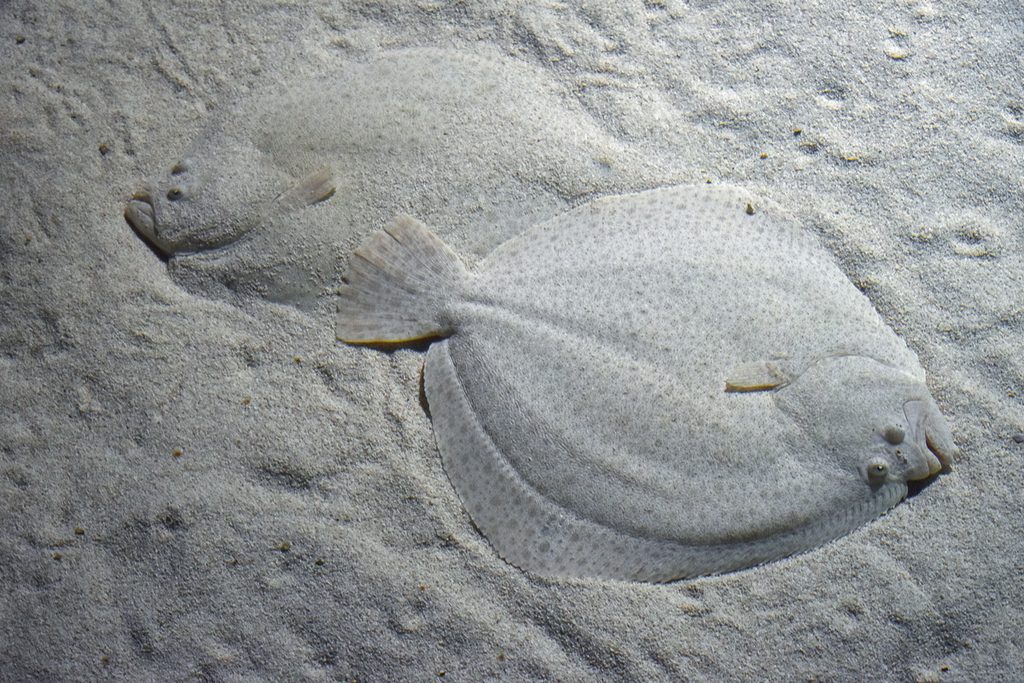
Flounder
Flounder, a group of flatfishes, are covered in color-changing cells that allow them to match sand or gravel, meaning they can all but disappear when lying flat on the seabed.
Peacock flounders are particularly good at blending in with their surroundings — they’ve even been filmed making a valiant attempt to match the entirely unnatural pattern of a checkerboard. Here you can see two flounders lying flat while matching the color of the surrounding sand.
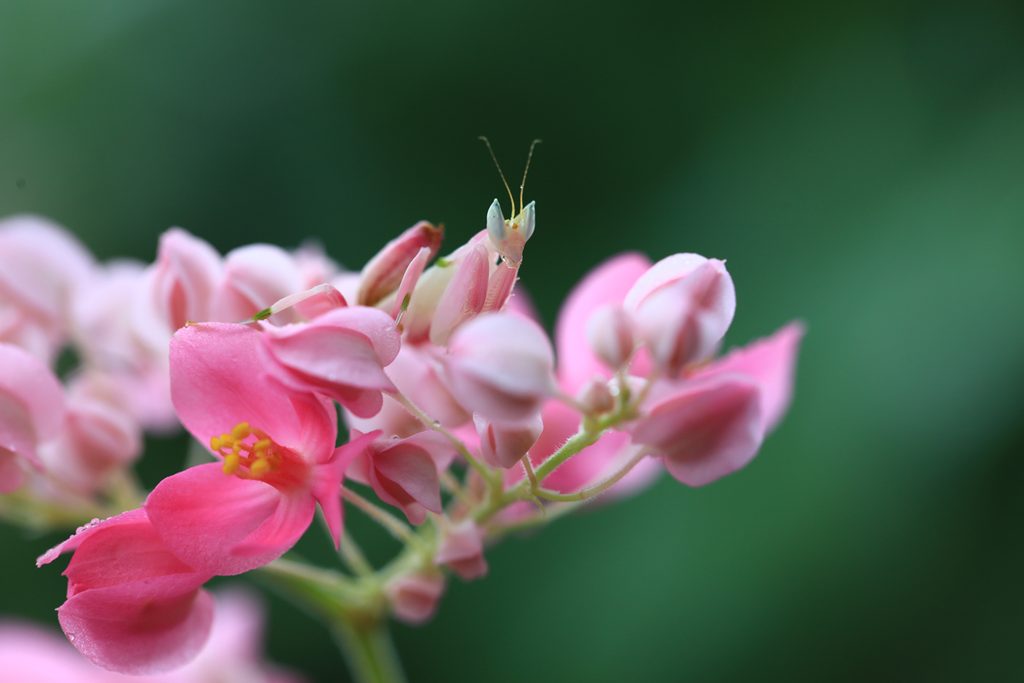
Orchid Mantis
The orchid mantis uses active camouflage to match the petals among which it hides, adjusting its color to various shades of white, pink, purple, or yellowish green. Its legs and body also look very much like petals, further completing the trick.
It’s a very pretty — but very deadly — insect. It uses its camouflage to hide in plain sight, waiting until a pollinator passes by, at which point it nabs the unfortunate bee or butterfly with its forelegs. Here you can just about make out a pink orchid mantis patiently waiting to strike.