5 Friendly Snakes Hanging Out In Your Neighborhood

Most people’s first reaction to a snake in the yard is to back away slowly and reconsider ever stepping foot outside again. Fair enough. But the overwhelming majority of snakes you’re likely to run into in a backyard, garage, or hiking trail are not just harmless — they’re earning their keep. The very animals most homeowners want gone — rodents, grubs, slugs, even the occasional venomous snake — are exactly what these backyard snakes are there to eat. Here are a few of the snakes worth recognizing, starting with the one you’ve probably seen before.
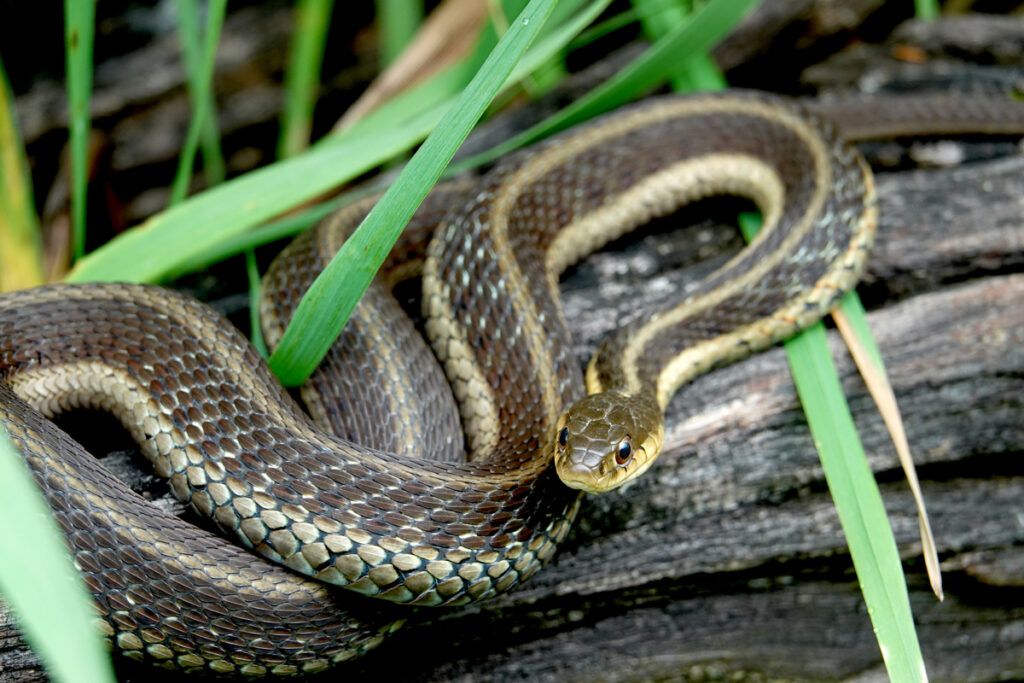
The One You’ve Probably Already Met
If a snake has ever startled you near a garden hose, it was likely a garter snake. It’s the most widely distributed snake in North America, turning up in yards, marshes, and vacant lots with equal enthusiasm. Garter snakes skip eggs entirely and give birth to live young, sometimes more than 40 at once. Their saliva also carries a mild toxin, just potent enough to subdue a slug or salamander, according to the National Park Service. For a human, the worst-case outcome of a bite is some minor swelling, which makes the flattened body, the musky smell, and the frantic wriggling seem far scarier than it really is. If you spot one in the yard, the best thing to do is leave it alone. It’ll usually move along on its own after helping itself to slugs, insects, and other garden pests.
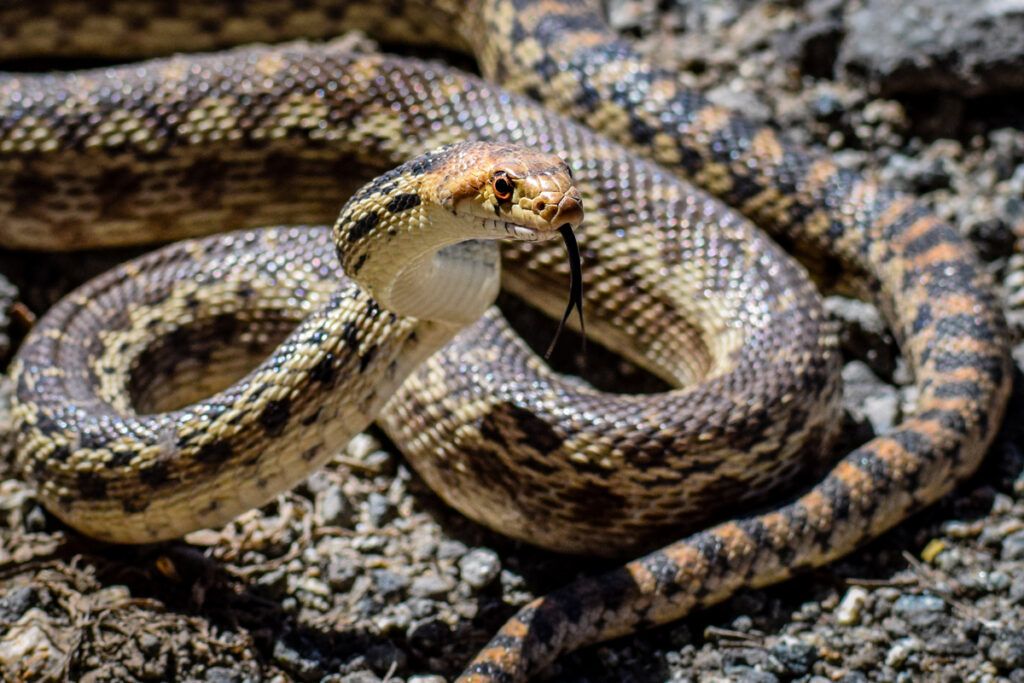
The Impersonator
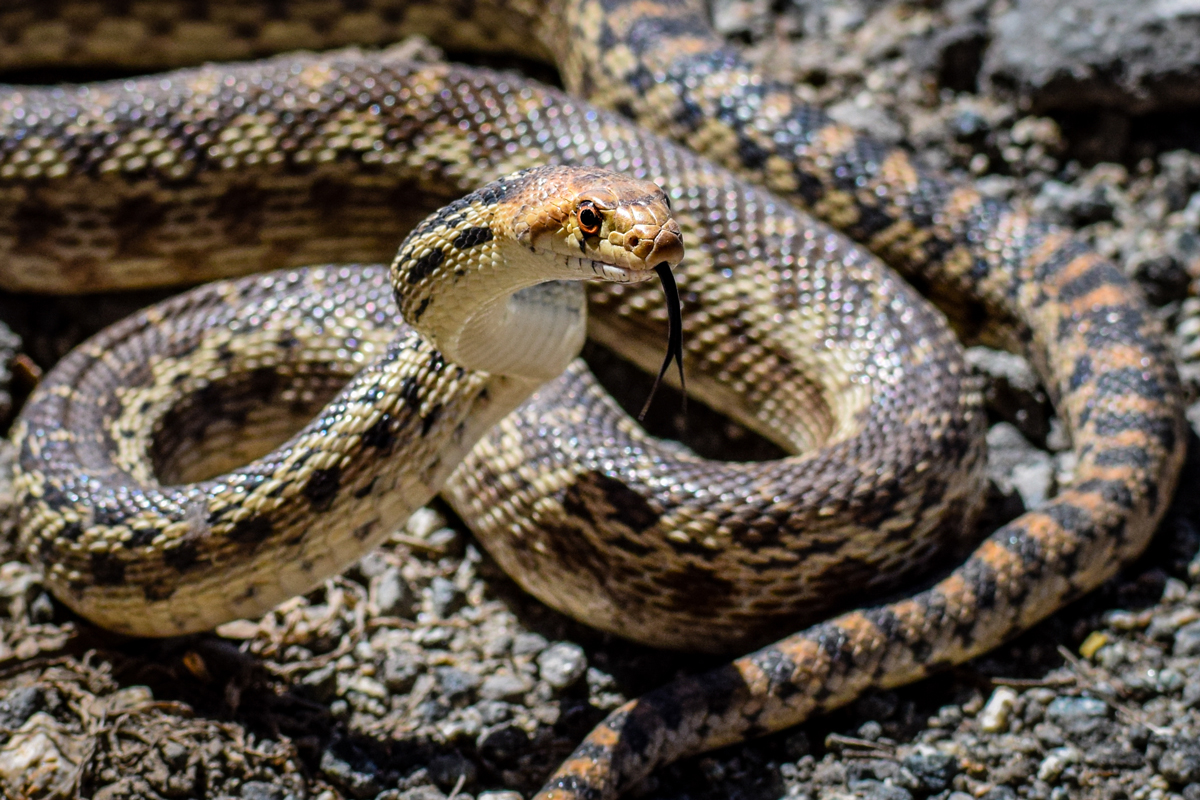
The gopher snake, sometimes called a bullsnake depending on the region, has made an entire career out of pretending to be something scarier. When cornered, it flattens its head into a triangle, hisses louder than its body size should allow, and vibrates its tail against dry leaves to fake a rattle. Herpetologists call this Batesian mimicry — a harmless species borrowing the reputation of a dangerous one, in this case a rattlesnake — and it works almost too well. Gopher snakes are frequently killed after being mistaken for rattlesnakes, even though they spend their lives keeping rodent populations in check around farms, barns, and backyards. If you come across one, give it some space instead of assuming it’s dangerous. You likely have a free rodent-control expert passing through your yard.
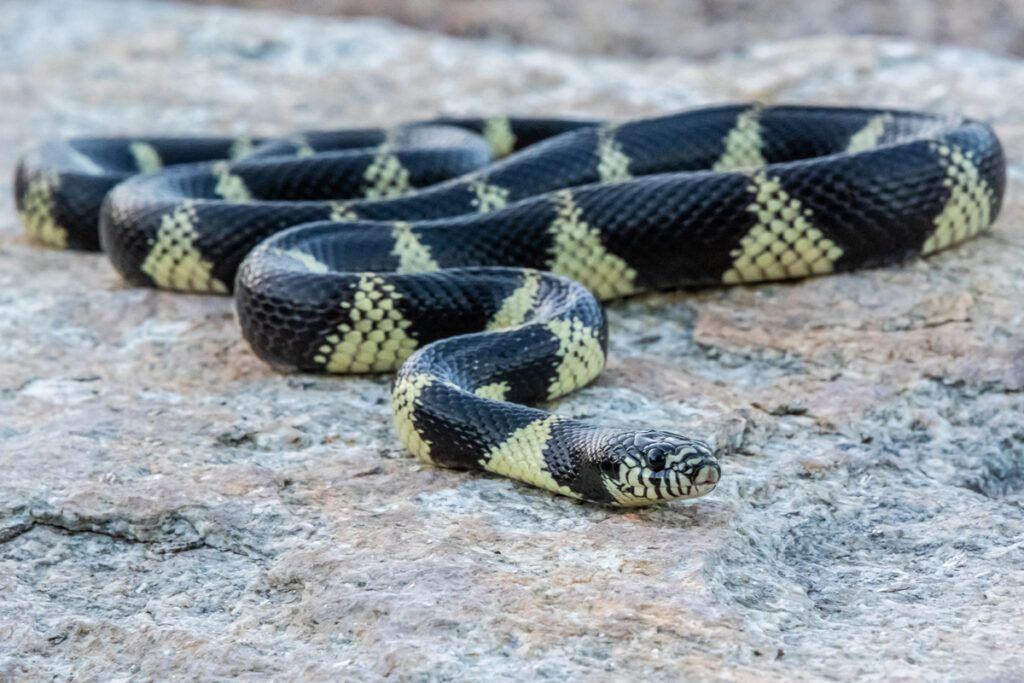
The One That Eats the Scary Ones
California kingsnakes have made a habit of eating things that would kill most other animals. They’re naturally resistant to rattlesnake venom, allowing them to hunt one of North America’s most feared snakes with little risk. Instead of relying on venom themselves, they kill by constriction. Rodents, lizards, and other snakes round out their diets, making them a handy neighbor to have around. Their distinctive black, brown, and cream banding has made them popular pets, but wild kingsnakes are just as content patrolling a woodpile as living in a terrarium.
Seeing one around your property can actually be reassuring, since it’s one of the few snakes that helps keep rattlesnake populations in check.
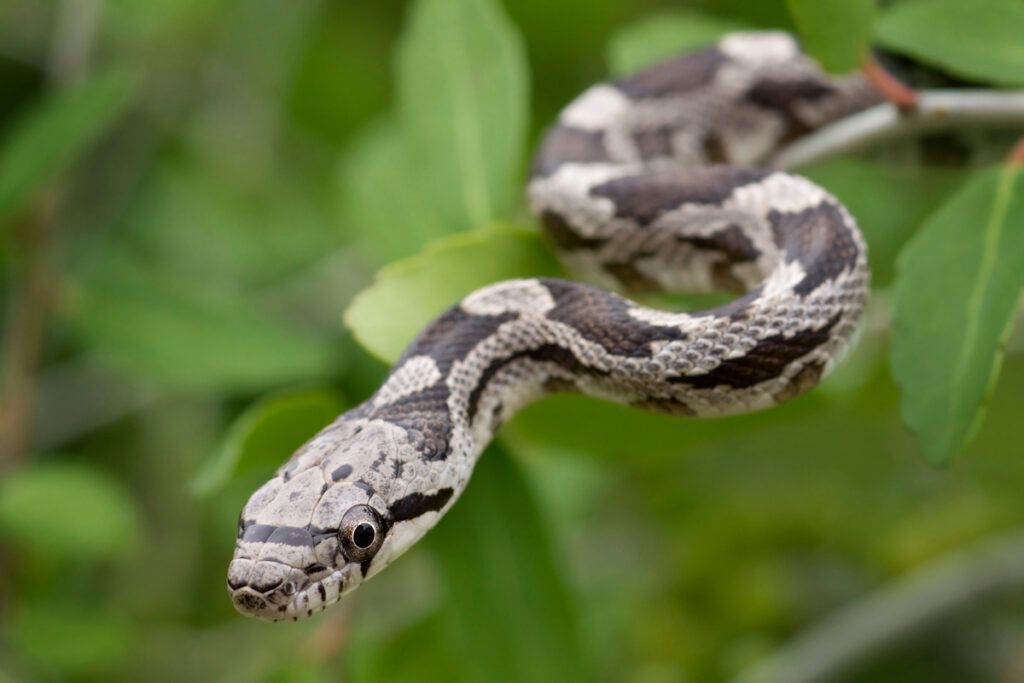
The Barn Regular
Rat snakes, corn snakes among them, are the reason a lot of old barns don’t have a rodent problem. They’re some of the best climbers in the snake world, capable of scaling brick, bark, or fence posts to reach a bird’s nest or a gap in the rafters. Corn snakes got their name because early farmers often found them around grain stores and assumed they were after the corn, when they were really following the mice. Docile even by snake standards, rat snakes rarely bite, which is part of why they’ve become one of the most popular reptiles in the pet trade. At this point, “rat snake” is basically a job title.
Around homes, barns, or sheds, they do exactly what you want a neighbor to do: remove the rodents before they become a bigger problem.
The One Hiding Under Everything
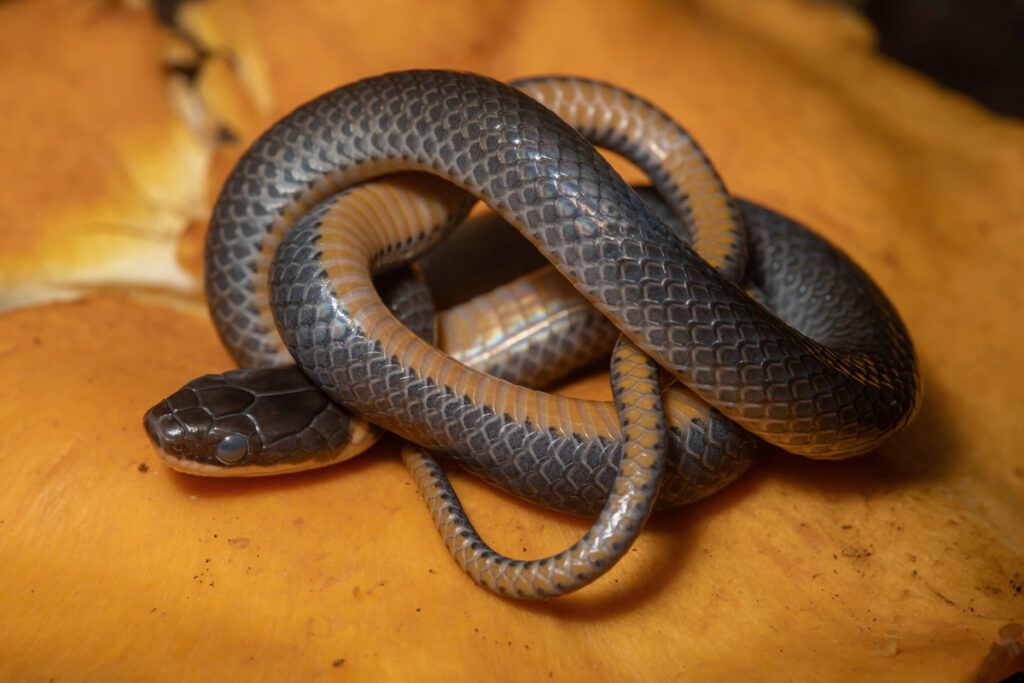
Ring-necked snakes rarely grow past 15 inches, and most people never see one, since they spend the bulk of their lives underground or tucked beneath rocks and logs. If it ever does get flipped over during yard work, it puts on a dramatic display: the tail coils into a tight corkscrew, exposing a belly that can run bright yellow, orange, or red, a flash of color meant to startle whatever uncovered it. It’s a bluff, not a bite. The snake itself feeds mostly on earthworms and salamanders, and it’s rarely aggressive toward anything larger than that.
If you uncover one while gardening or moving logs, simply place the cover back when you’re finished. It’ll usually disappear underground without any interest in sticking around.
None of these animals show up looking for a fight. They show up looking for the same rodents and pests that most homeowners would rather not deal with themselves. If you see one, the easiest solution is usually to give it a little space and let it continue on its way. Once you know who’s who, they’re a lot easier to appreciate.