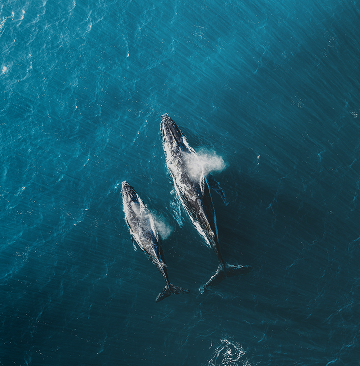
5 of the Most Grueling Animal Pregnancies
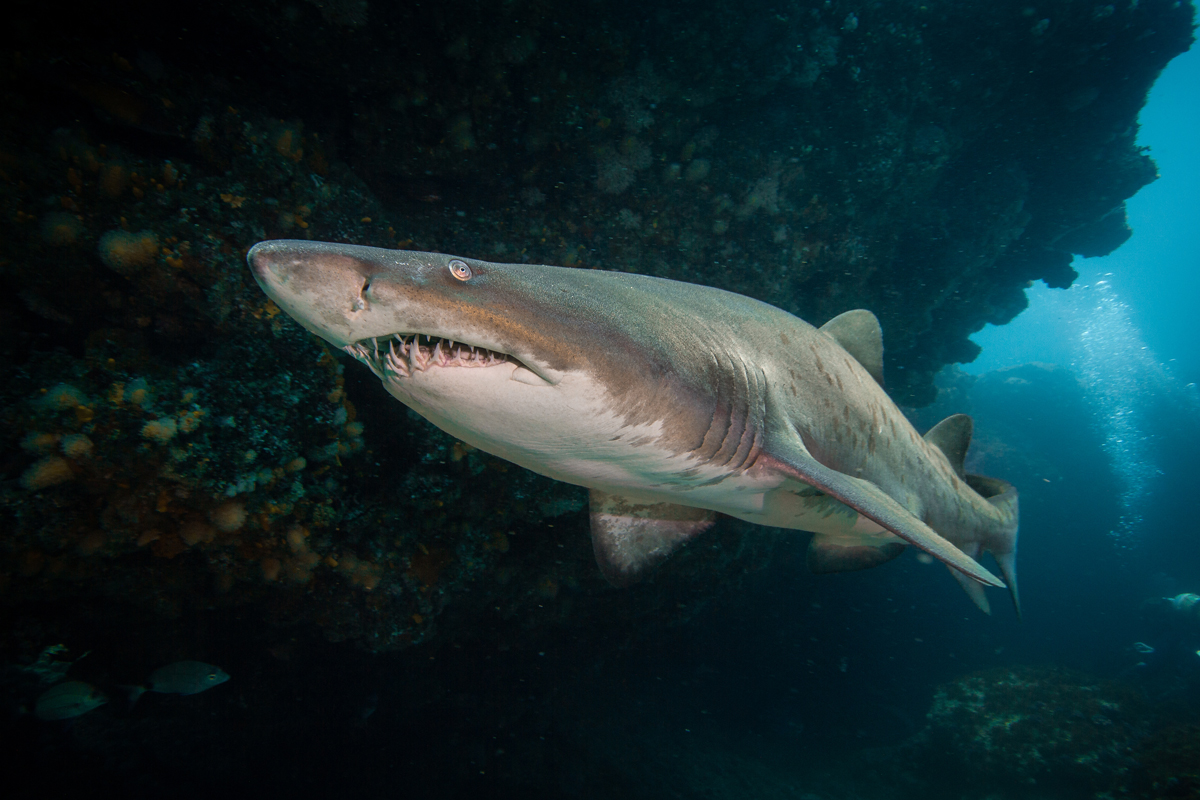

Being pregnant can feel like something out of a science-fiction plot: Building another human from scratch, reshuffling organs, and that small matter of actually giving birth are just a few ways the experience can be rough on the human body. But for some animals, those things barely scratch the surface of what it’s like being pregnant and giving birth.
As it turns out, the animal kingdom is full of some truly wild ways of bringing new life into the world. From pregnancies that last for years to babies that devour their siblings before birth, here are a few animal pregnancies that may make you feel a little bit better about being human.
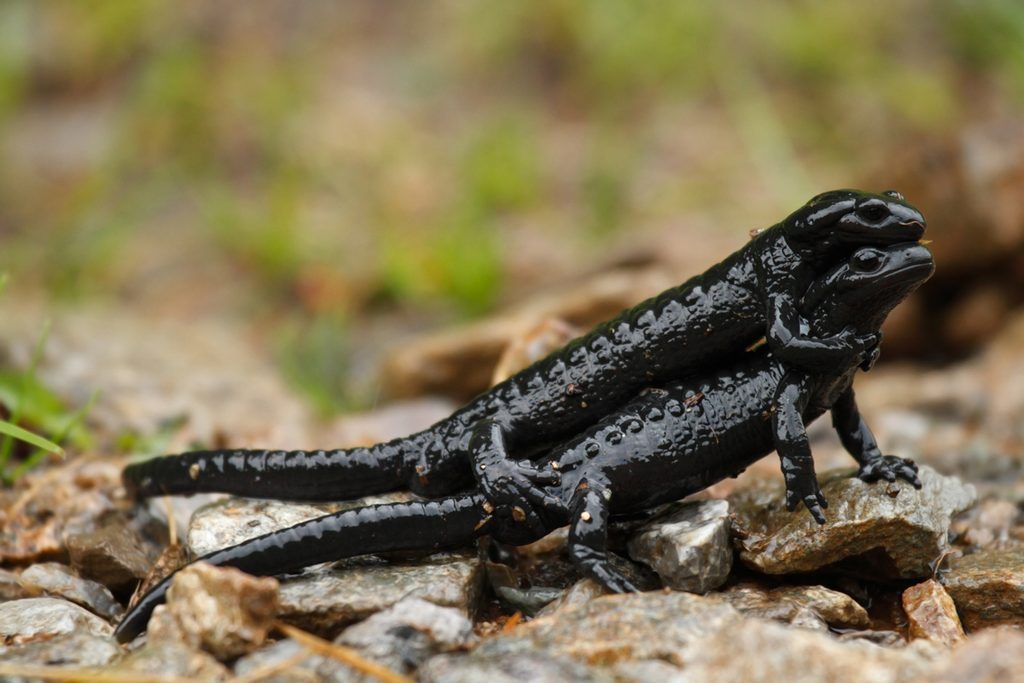
Alpine Salamanders’ Extended Pregnancies
If nine months sounds like a long time to be pregnant, the Alpine salamander would like a word. This amphibian from the European Alps gives birth to one or two fully developed young on land, skipping the egg-laying and aquatic larval stage common among amphibians.
But this unique adaptation comes with a shockingly long pregnancy: Gestation generally lasts two to four years. The embryos take that time to complete their development in the uterus, and by the time they’re born, the young are already fully metamorphosed and ready for life on land.
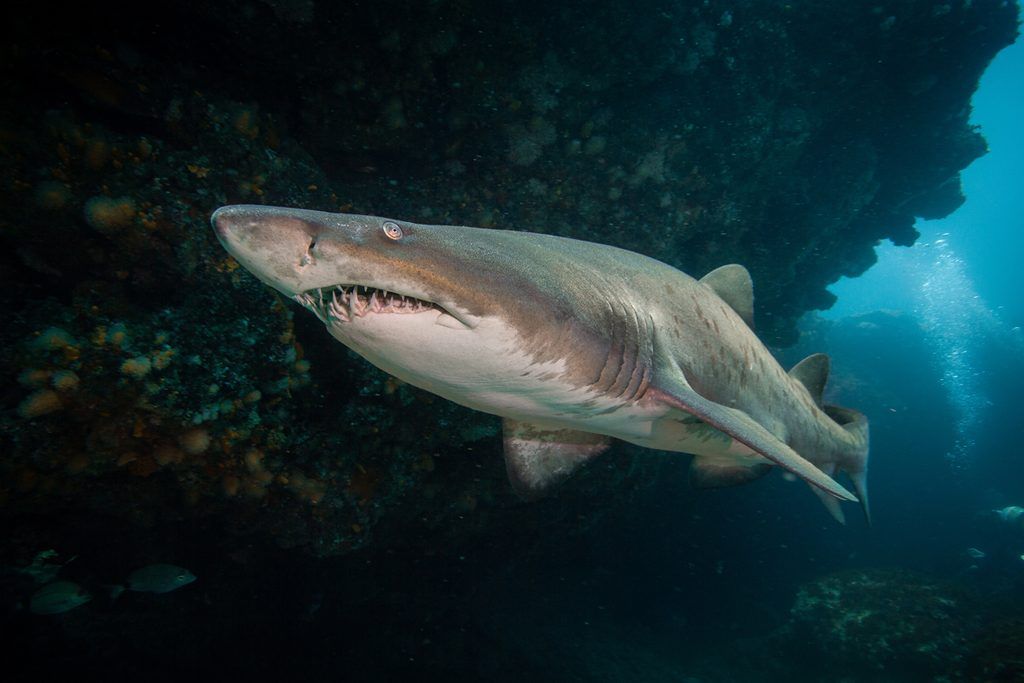
Sand Tiger Sharks’ Next-Level Sibling Rivalry
Sibling rivalry starts early with sand tiger sharks. Although the smallest offspring are often at a disadvantage in many species, for these sharks, being the runt of the litter can be a matter of life and death. Multiple embryos develop early in pregnancy, before the largest eventually begin hunting and eating their smaller would-be siblings.
This behavior is known bluntly as intrauterine cannibalism, and the process continues until only the largest embryo in each of the female sand tiger shark’s two uteri remains. The survivors continue growing, also feeding on their mother’s unfertilized eggs, until they’re born at a length of about 3 to 4 feet.
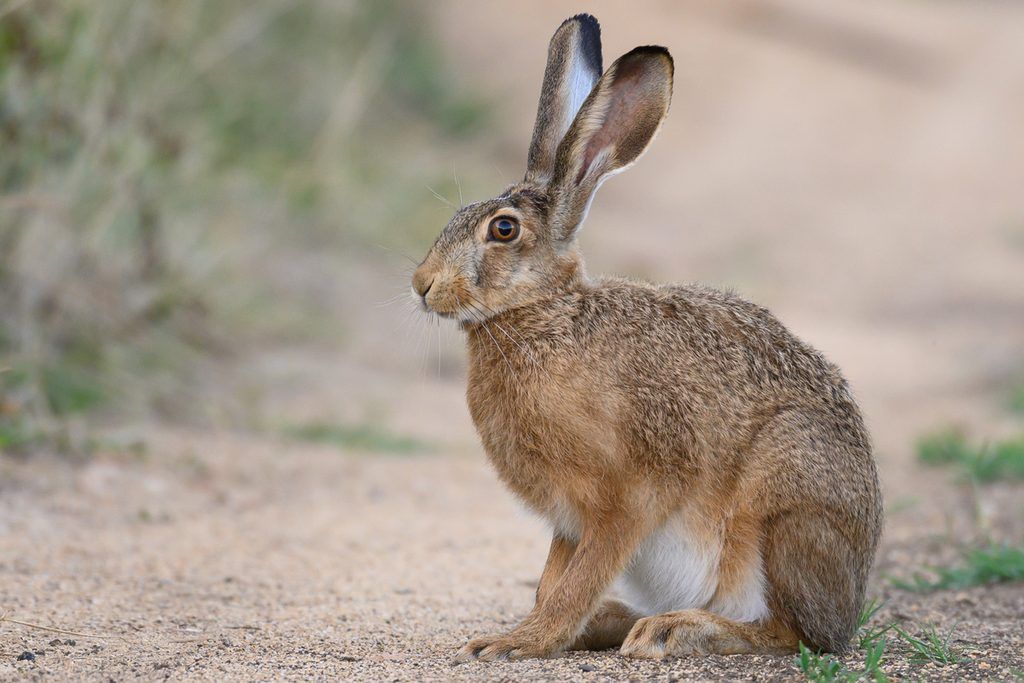
Brown Hares Can Get Pregnant While Already Pregnant
European brown hares can get pregnant again before even giving birth to the litter they’re already carrying. Even though their pregnancies only last about 41 or 42 days, a process called superfetation (or superconception) allows a new set of embryos to begin developing while the female is still pregnant. After the first litter is born, the embryos implant in the uterus, meaning the hares can potentially give birth to two litters just weeks apart.
This evolutionary reproductive adaptation can increase their reproductive output by as much as 35%, helping their populations grow and recover quickly when numbers are low.
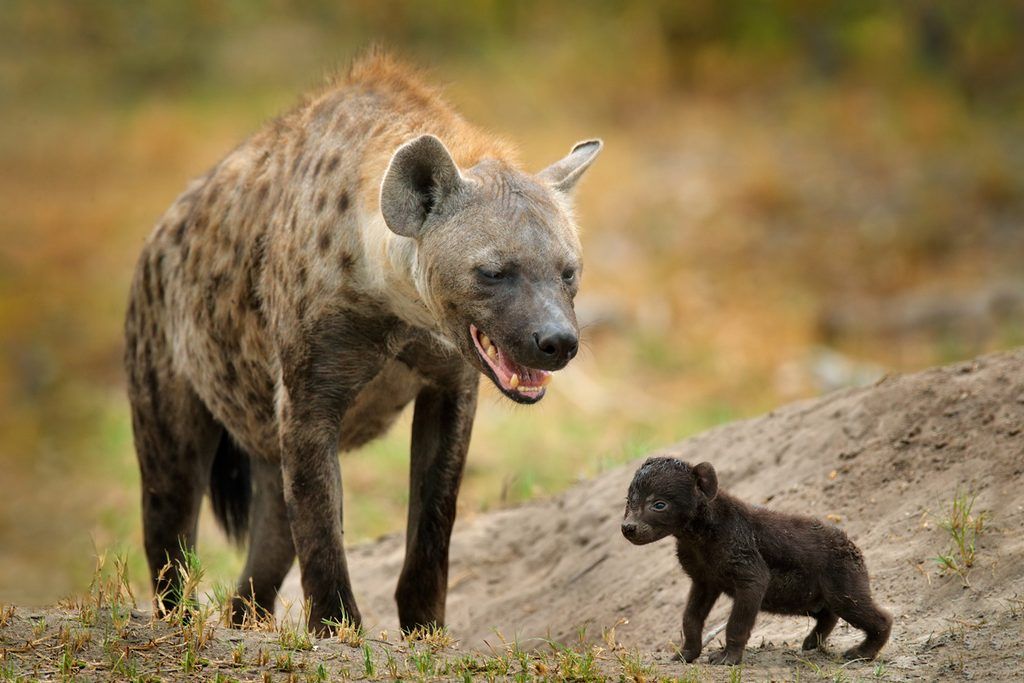
Spotted Hyenas Have Extra Difficult Births
The female spotted hyena has one of the strangest reproductive systems in the animal kingdom. She has no external vaginal opening; instead, she urinates, mates, and gives birth through an organ similar to a male’s penis, sometimes called a pseudopenis.
Because of this, childbirth is especially difficult. A hyena cub weighs roughly 3 pounds at birth, during which it has to pass through the 6-inch-long organ’s inch-wide opening.
The first birth is especially dangerous: Up to 20% of first-time spotted hyena mothers don’t survive giving birth, because the difficult passage can cause severe tearing and internal injuries. Even if the mother survives, about 60% of cubs born to first-time mothers are stillborn, often because they become stuck in the birth canal.
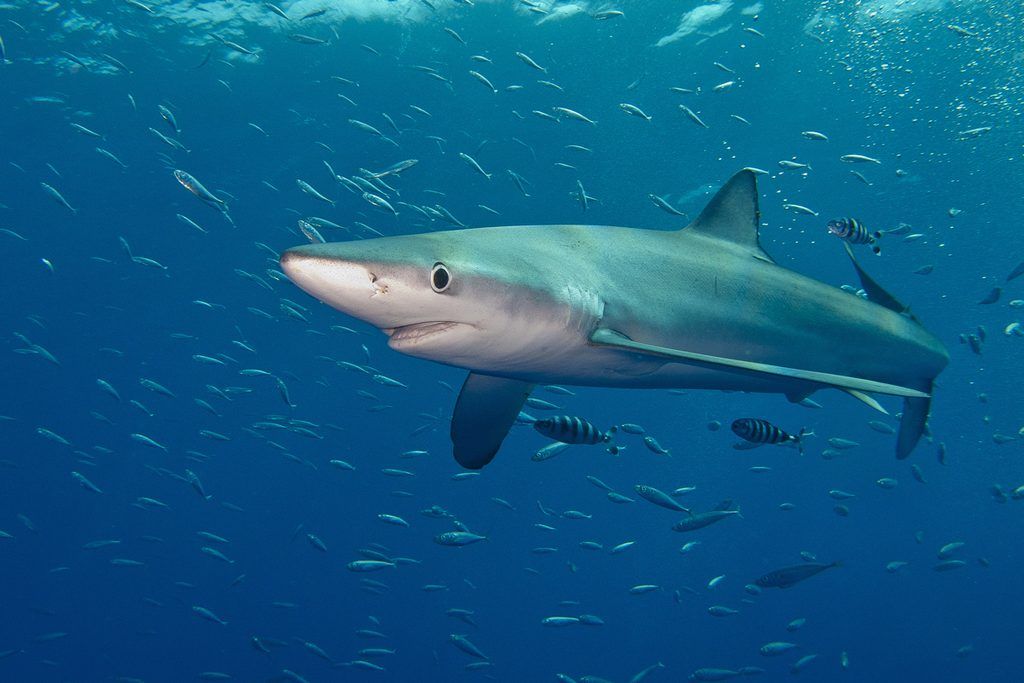
Blue Sharks Can Have More Than 100 Pups At a Time
Imagine going through an entire pregnancy and finding you’re not just having one baby, but potentially 135 of them. That’s the upper end of the reported litter size for female blue sharks.
The species gives birth to live young after a gestation of roughly nine to 12 months. Most litters aren’t quite that big, though, typically containing anywhere from just a few to — on average — about 25 to 50 pups. The pups aren’t tiny, either: Newborn blue sharks arrive measuring roughly 16 to 20 inches in length.