5 Parasites Straight Out of a Horror Movie

Some creatures don’t need fangs and claws to be frightening — they don’t even need to be very big. In fact, some of the animal kingdom’s most terrifying residents are tiny organisms with bizarre life cycles that have evolved over millions of years to prey on other creatures in horrifying ways.
These aren’t monsters dreamed up by a horror writer, although they may sound like it. Some hijack an animal’s brain, take over its reproductive system, or even transform its body into a nursery for their young. If this sounds like your worst nightmare, read on to discover the completely routine life cycles of five terrifying parasites.
Zombie-Ant Fungus
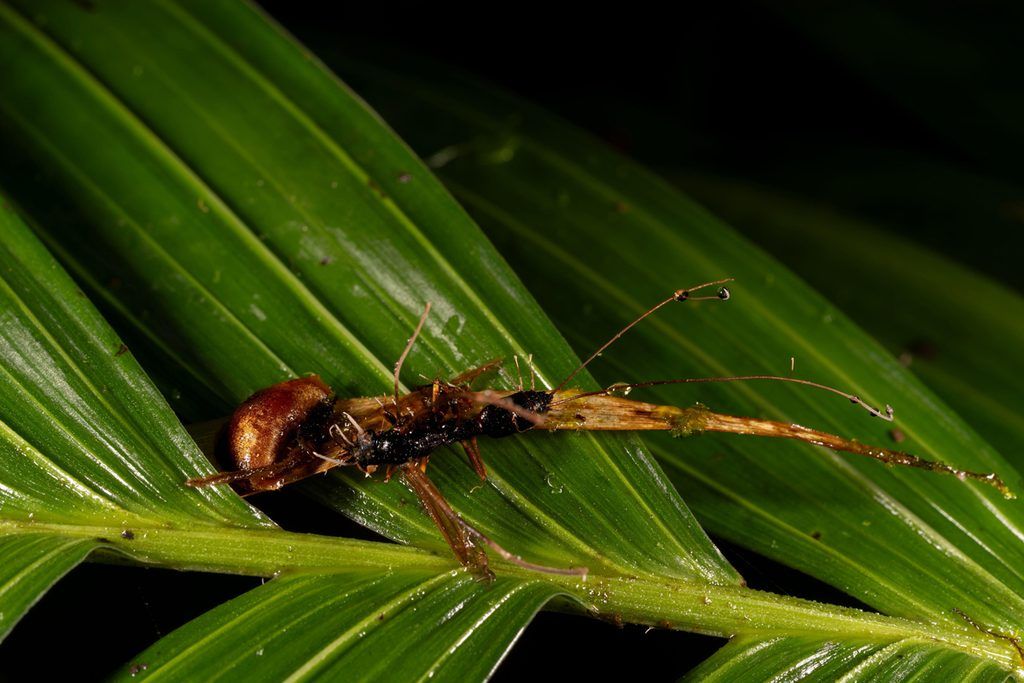
The zombie-ant fungus, Ophiocordyceps unilateralis, has one of the most disturbing life cycles in nature. This parasitic fungus infects certain carpenter ants in tropical forests and eventually alters their behavior.
As the fungus develops inside the ant, the infected insect leaves its colony and climbs vegetation. Eventually, it clamps its jaws onto the underside of a leaf or twig and dies there, thus leaving its body in a spot that helps the fungus reproduce.
After the ant dies, the fungus continues growing through its body and eventually produces a stalklike fruiting structure that emerges from the head or nearby tissues. The fungus releases spores from this structure, allowing it to infect other ants.
Green-Banded Broodsacs
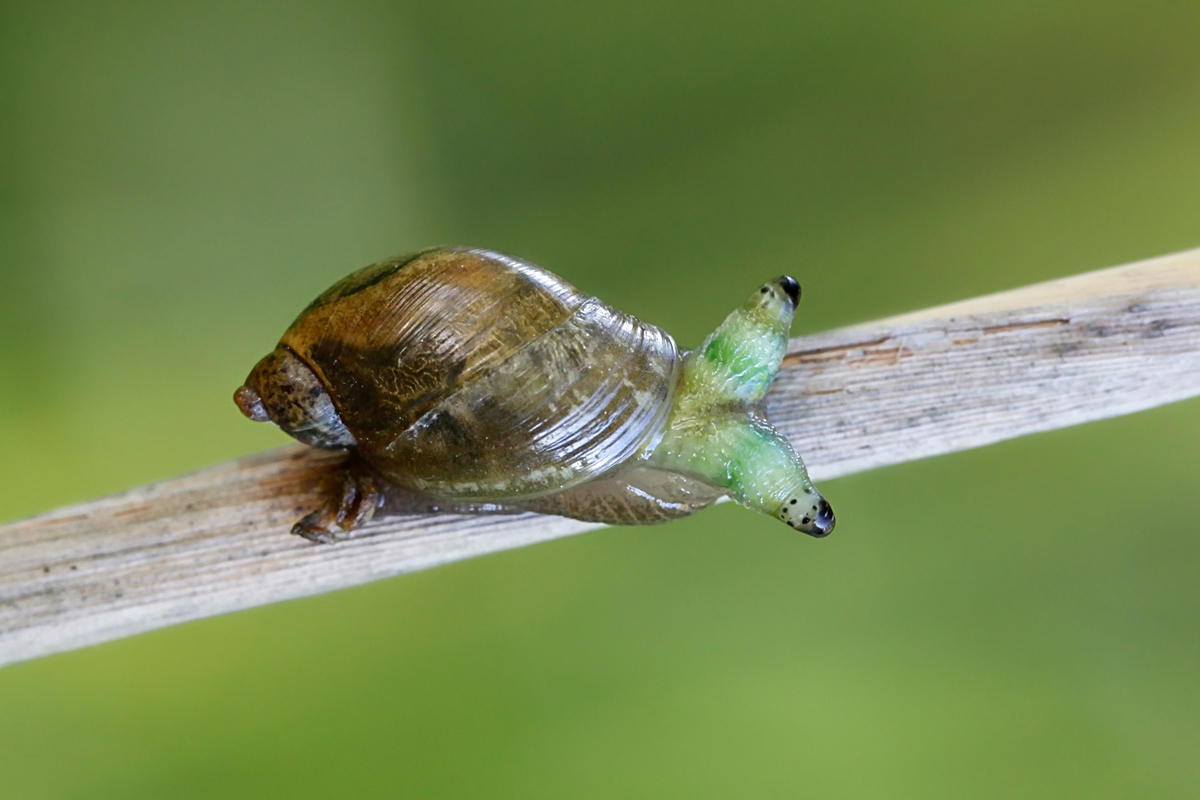
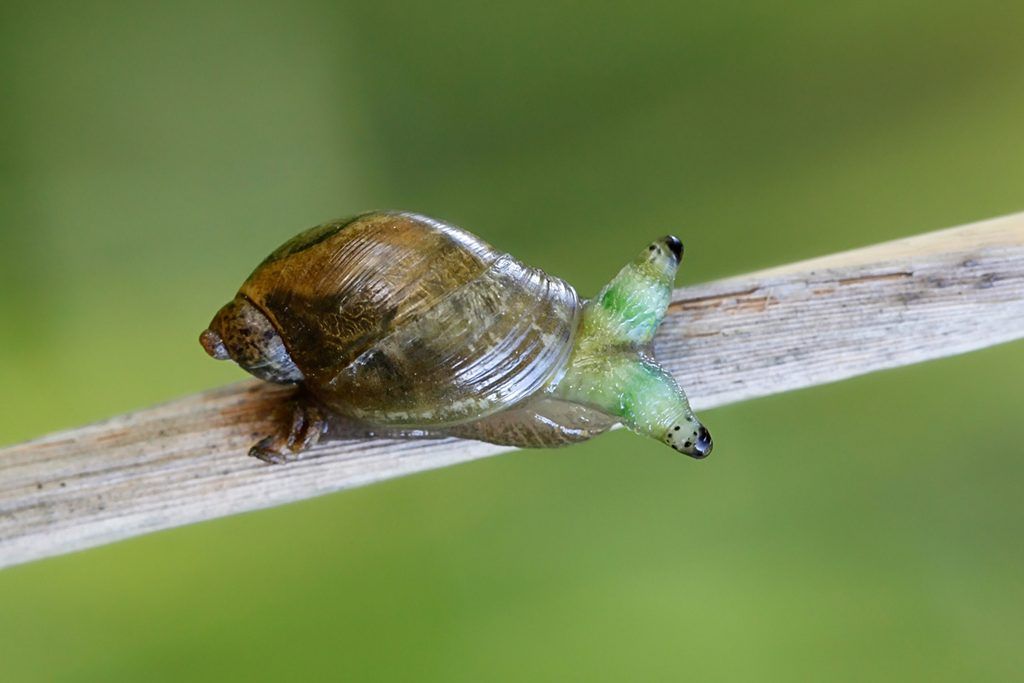
The green-banded broodsac, Leucochloridium paradoxum, is a parasitic flatworm with a particularly grotesque way of getting from a snail to a bird. It infects land snails in the genus Succinea, then develops into brightly colored, pulsating structures called broodsacs that invade the snail’s translucent tentacles.
Those swollen structures can make the snail’s eye stalks look like flashing green-and-brown caterpillars, making the snail more noticeable to birds. Birds are the parasite’s definitive hosts, so being eaten is precisely the parasite’s goal.
Once a bird consumes the infected snail tissue, the parasite continues its development inside the bird. The snail may survive if a bird takes only part of a tentacle, and the damaged structure can regenerate. The parasite, meanwhile, can continue its life cycle inside the snail.
Parasitic Barnacles
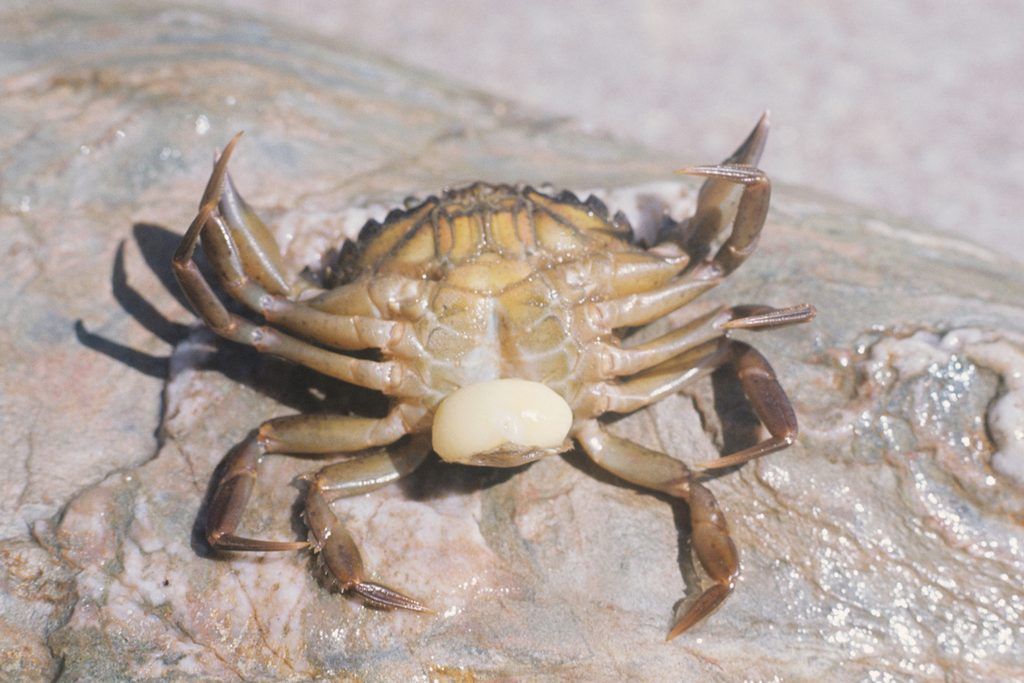
Sacculina carcini is a species of parasitic barnacle that effectively takes over a crab’s body, reproduction, and parenting behavior. A female parasite begins life as a tiny larva before finding a suitable crab. She penetrates the crab’s body and develops a branching network of rootlike tissues throughout her host, absorbing nutrients from it.
Eventually, a reproductive structure called an externa emerges beneath the crab’s abdomen, occupying the same general location where a female crab would carry her own eggs. The parasite prevents its host from reproducing and can interfere with molting.
In male crabs, it can also cause feminization, including changes in body shape and behavior. The infected crab then grooms and protects the parasite’s eggs as though they were its own, effectively becoming a caretaker for the parasite that has hijacked its body.
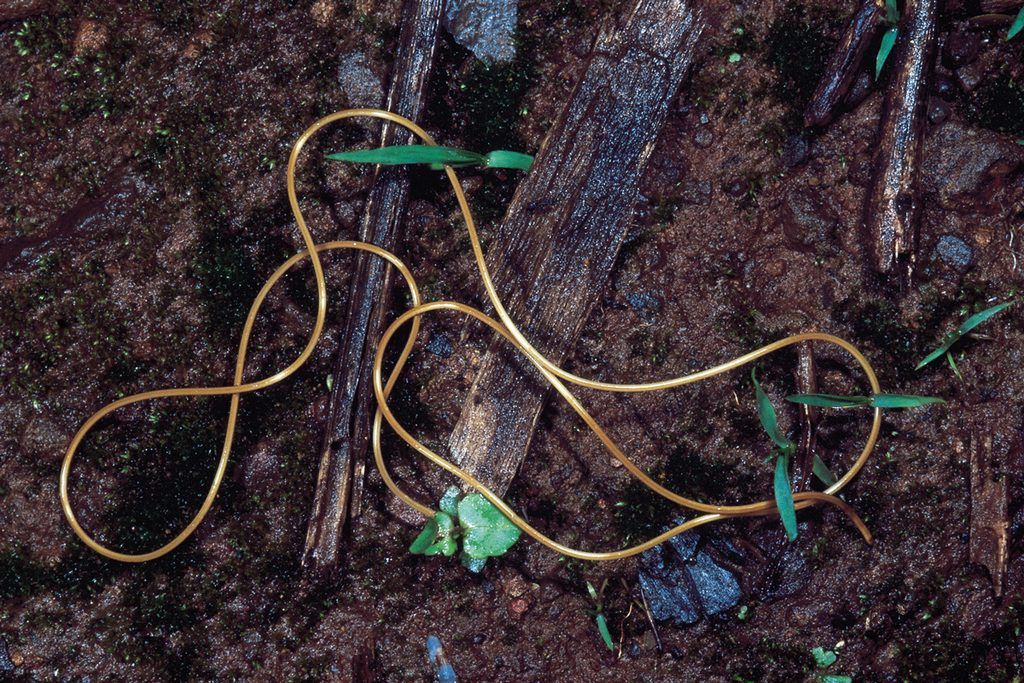
Horsehair Worms
Horsehair worms, members of the phylum Nematomorpha, spend their juvenile stages as parasites inside insects such as crickets, grasshoppers, and mantids. When the worm matures, it needs to reach water to reproduce, and the terrestrial insect carrying it helps get it there.
Infected insects can show altered water-seeking behavior, making them more likely to enter ponds, streams, or other bodies of water. Once in the water, the mature worm eventually emerges from its host, sometimes writhing out as a long, threadlike creature that can be several times the length of the insect that carried it.
The emergence itself doesn’t necessarily kill the insect, but once it enters the water, the host often drowns. For the worm, reaching the water is essential because adults live freely in water, where they mate and produce the next generation.
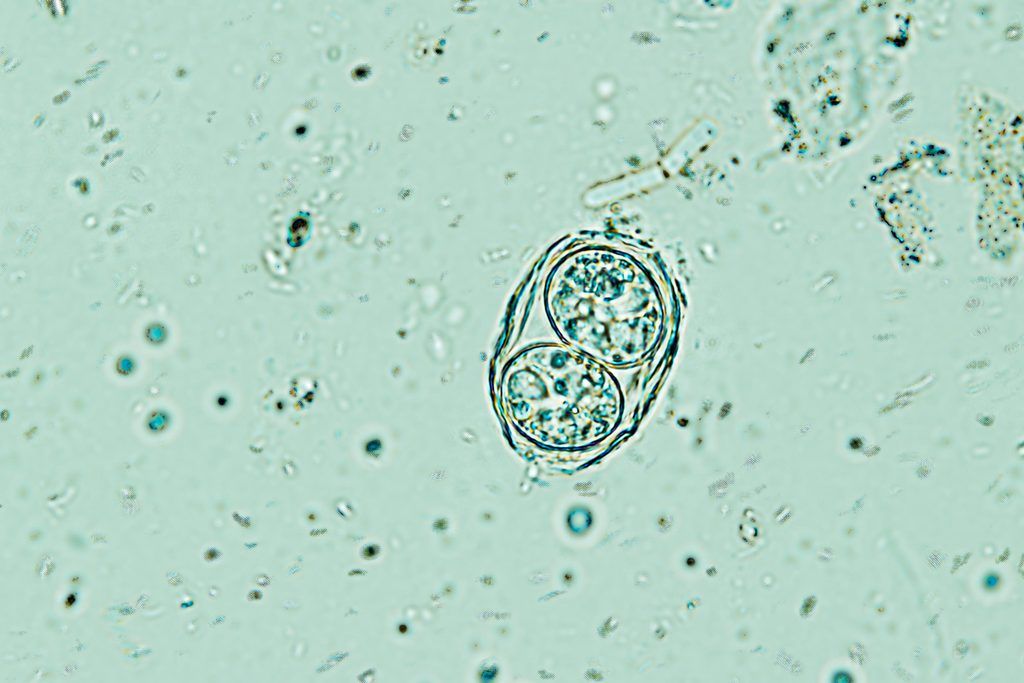
Toxoplasma Gondii
Toxoplasma gondii is a microscopic parasite that can infect many warm-blooded animals, including humans. In healthy people, infection is often asymptomatic or mild, though it can cause serious disease in people with weakened immune systems and can pose significant risks during pregnancy. Cats and other felids are its definitive hosts because it reproduces sexually in their intestines.
One of the strangest parts of its life cycle occurs in rodents. Studies have found that infected mice and rats can show reduced avoidance of cat-related odors, and some research has found changes in their responses to those odors that could make them more vulnerable to predation.
That change in behavior could benefit the parasite because being eaten by a cat gives Toxoplasma a route back to its definitive host. The idea that the parasite can alter its host’s behavior in a way that improves its own chances of reproduction has made it an intriguing subject of research. But scientists are still studying exactly how much of the behavioral change represents manipulation by the parasite and how much may be a side effect of infection.