How Is Your Horse Feeling?
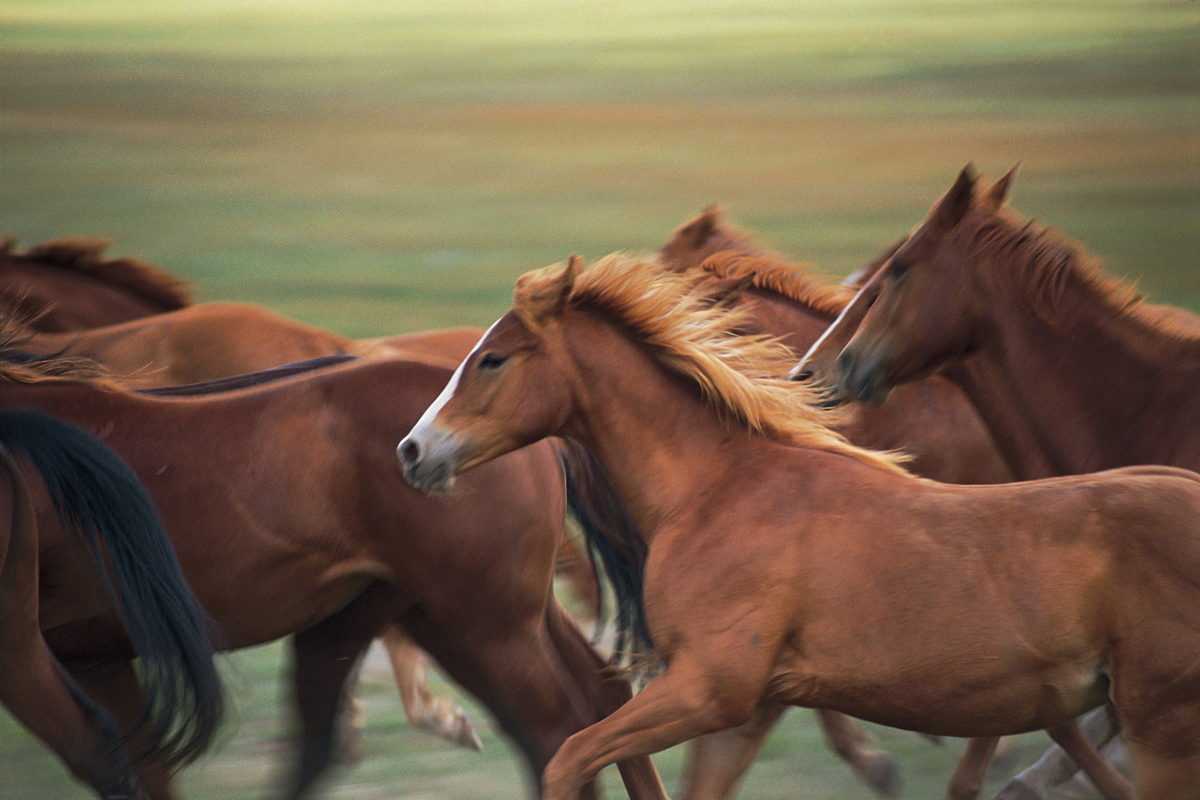

Horses may not speak to humans or other horses verbally, but they have their own methods of communication nonetheless. Their ears, eyes, tails, posture, and facial movements are all clues to how they feel about what’s happening around them.
A horse’s body language can reveal whether it’s relaxed, curious, alert, uncomfortable, or ready to react — but no single signal tells the whole story. To understand how a horse is feeling, it’s important to not only look at the animal, but to also interpret its mannerisms based on the context of its surroundings. Here are some of the ways you can decipher a horse’s mood.
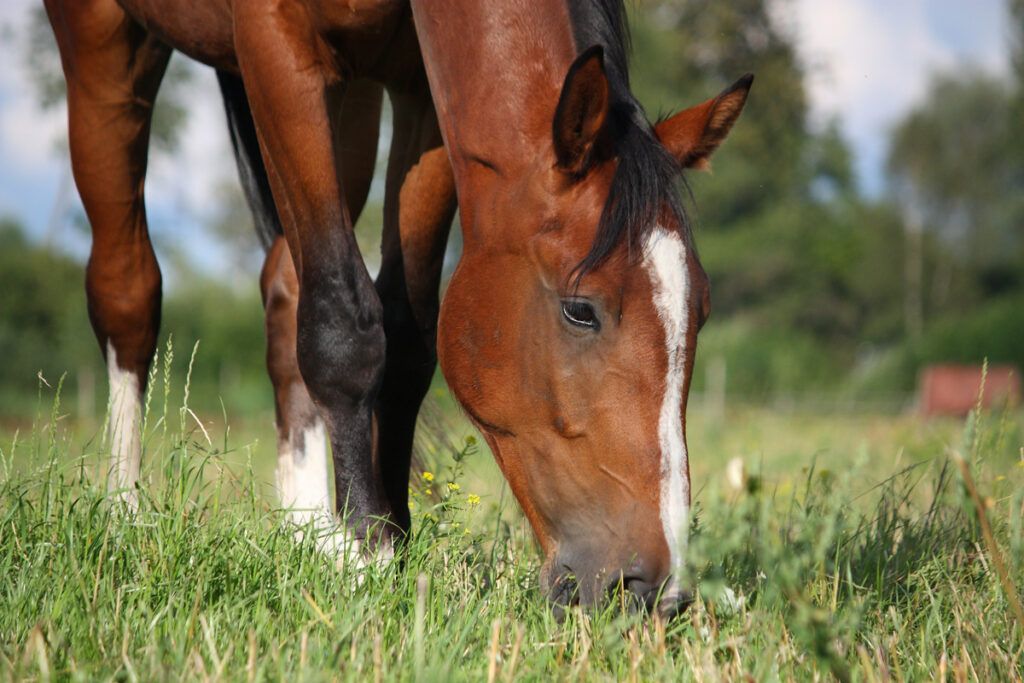
A Relaxed Horse Lets Its Guard Down
A comfortable horse will often have a relaxed posture. This typically means a couple different things: Its head may be lowered, and its neck and muscles will appear loose without tension or wrinkles around the nostrils, mouth, or brow. A relaxed horse may also stand happily with one hind leg resting slightly off the ground, a common neutral position that also allows the horse to conserve energy.
In addition, a horse’s ears may move slightly outward or forward when it’s calm, moving around naturally as it tunes in to surrounding sounds with its highly sensitive hearing. Other signs of relaxation can include soft eyes and behaviors such as sighing or slowly chewing and licking. These small movements are typically present after a horse has eased from a moment of tension into a more comfortable one.
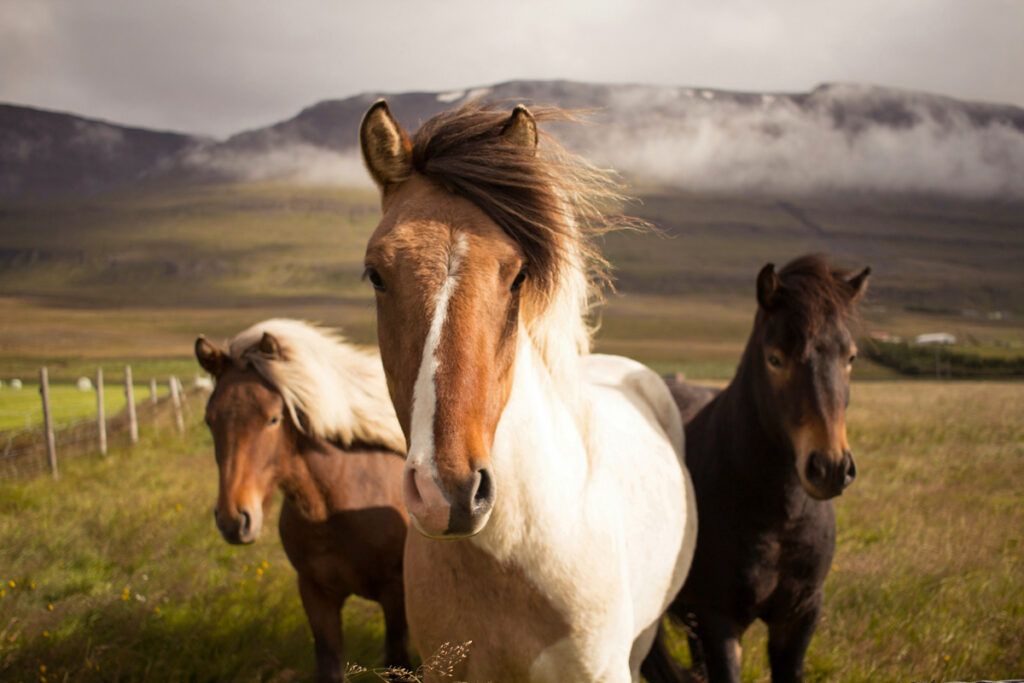
Perked Ears Mean Piqued Curiosity
A horse’s ears will often reveal where its attention is directed; when both ears are up and pointed forward, the horse is usually curious about something ahead — perhaps an unfamiliar sound, another animal, or an approaching person. A curious horse is likely to raise its head, stretch out its neck, and sniff as it investigates something new. Its body, however, will usually remain loose, without the strain that can signal fear or tension.
Forward ears don’t always mean curiosity, though: A horse may also point its ears forward out of concern. This differentiation can be made by looking at the rest of its body. A relaxed horse will look interested, while an anxious horse may appear stiff, raise its head, or g tense around its eyes and throughout its face muscles.
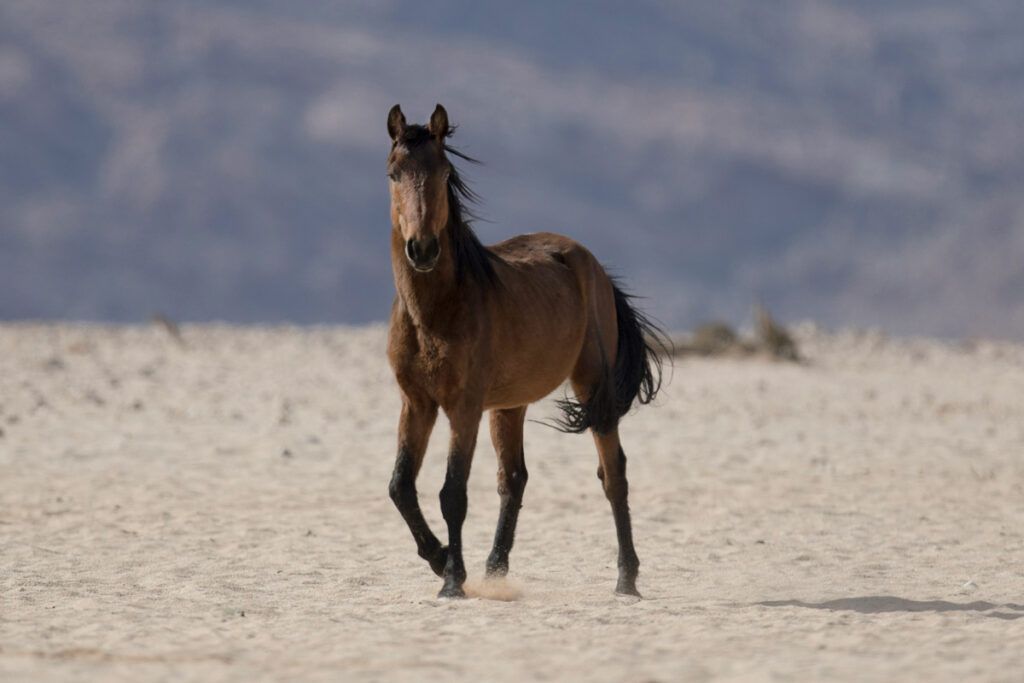
A Fearful Horse May Freeze
A horse that freezes is not necessarily calm, as motionlessness can be a response to possible danger. As prey animals, horses are highly attuned to anything unfamiliar or potentially threatening. A fearful or uncertain horse may raise its head and neck, become tense, and focus intently on what’s concerning them.
Other signs can include wide eyes, flared nostrils, a tightly clamped tail, shaking, snorting, or shuffling away from the direction of the threat. Rather than immediately bolting, many horses will first investigate, watching and listening before deciding whether to stay or flee.
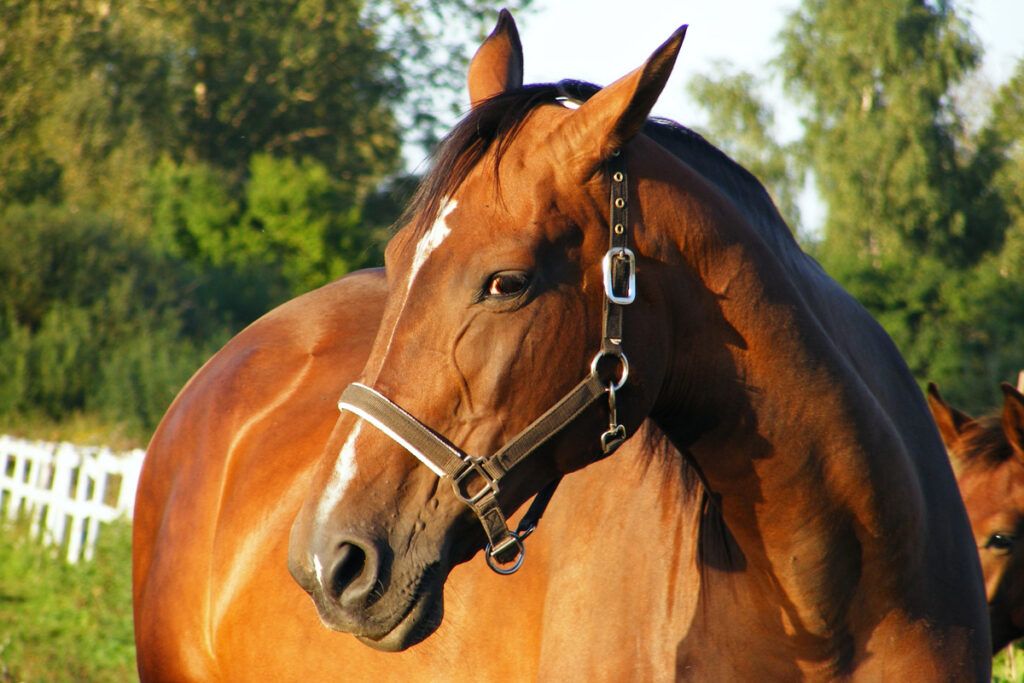
Flat Ears Are No Laughing Matter
One of the most recognizable signs of irritation in horses is ears pinned flat against the head. This should serve as a clear warning that a horse is uncomfortable, frustrated, or does not want to be approached.
Tails can also indicate displeasure. Although horses famously use their tales to swat flies away, forceful, repeated tail swishes may also mean they’re irritated. As with most cues, the behavior should be considered in context of not only the situation, but in conjunction with other body language.
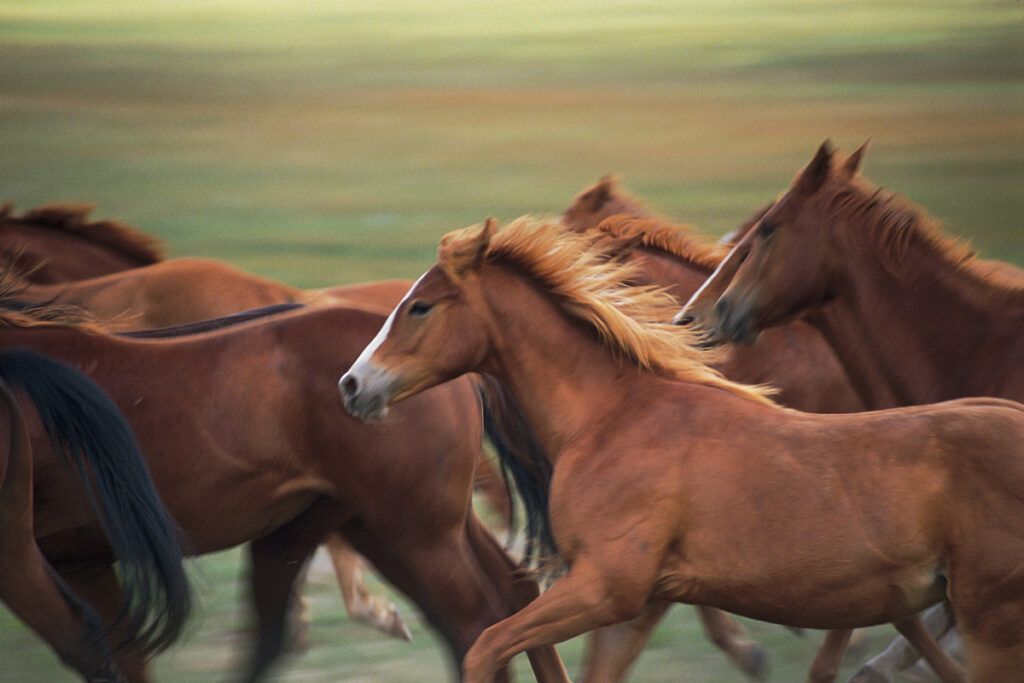
The Face Can Communicate Stress
Horses have surprisingly expressive faces. But because they’re prey animals, they may try to disguise their moments of vulnerability, so subtle facial expressions can be important clues into how they’re feeling. Researchers have developed the Horse Grimace Scale to identify pain-related expressions, including stiffly held ears, tension around the eyes, a strained mouth, and changes in the nostrils, which may appear elongated and tense, with the area around the muzzle looking flattened or stretched..
There may also be other discernible signs in a horse’s overall body language and temperament: Unusual aggression, changes in gait or appetite, restlessness, or becoming withdrawn from its surroundings may also mean a horse is in discomfort.
A horse’s face and body is almost always responding to its environment. Understanding how a horse may be feeling isn’t about memorizing a list of signals so much as recognizing patterns. Movements can mean different things depending on what the horse is doing and what’s happening around it, and being mindful of the full picture can help us better understand a horse’s specific methods of communication.