How Do Animals Keep Their Homes Cool?

If you’ve ever had your air conditioner quit on the hottest day of the year, you know how quickly a comfortable home can turn into an oven. For wild animals, beating the heat isn’t just about comfort — it’s a matter of survival. They need places where they can rest, raise their young, and avoid predators without overheating.
Their homes may look simple from the outside, but many are remarkably effective at staying cooler than the surrounding environment. These natural designs work so well that architects and engineers have even studied them for ideas to improve energy-efficient buildings. Here are some of the most impressive methods animals use to keep their shelters cool.
They Go Underground
Sometimes the coolest place to escape the heat isn’t beneath a tree — it’s beneath the ground. Just a few feet below the surface, soil temperatures stay far more stable than the air above, protecting animals from scorching daytime heat while slowing moisture loss in dry climates.
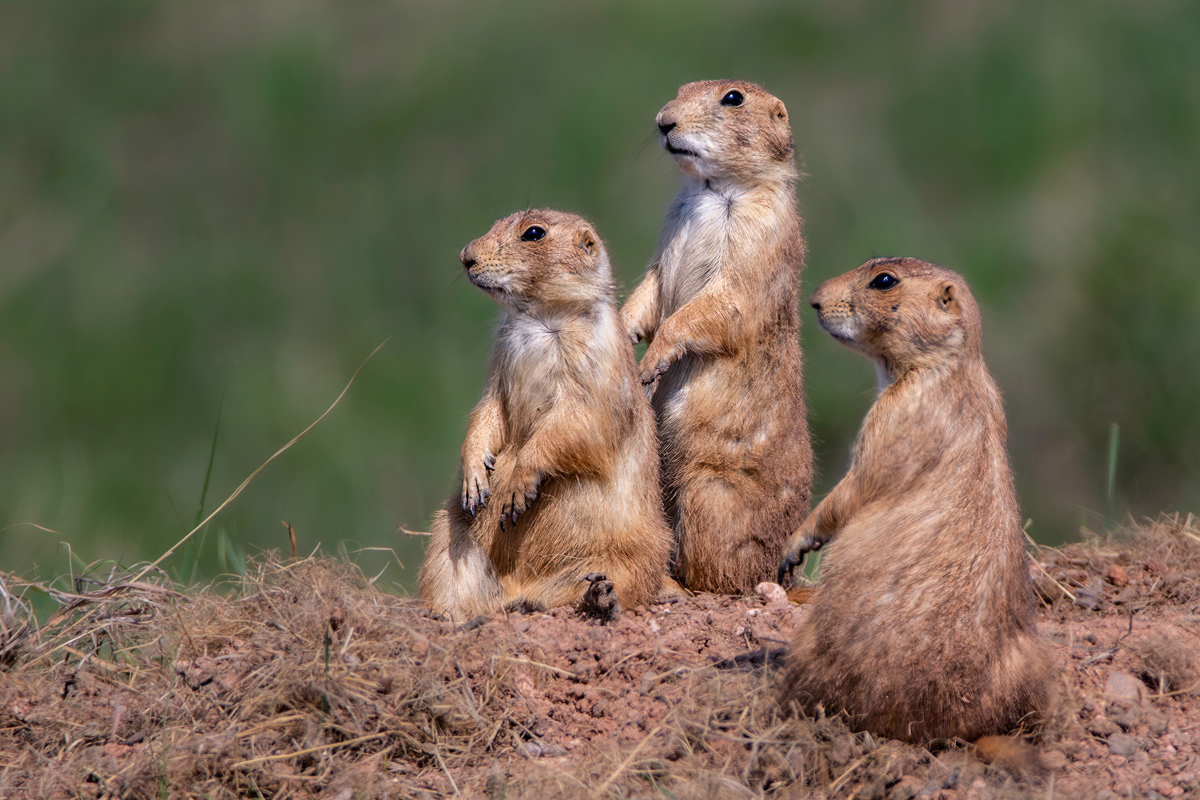
Prairie dogs, ground squirrels, rabbits, and meerkats retreat into extensive burrow systems during the hottest parts of the day. These underground homes often contain multiple chambers at different depths, allowing the animals to move to cooler areas as temperatures change. Desert tortoises spend much of the summer sheltering in burrows — which they dig themselves or borrow from other animals — where temperatures can be dramatically cooler than the desert surface. Even burrowing owls nest underground in abandoned prairie dog or ground squirrel burrows, escaping the heat while raising their chicks.
They Use Natural Ventilation
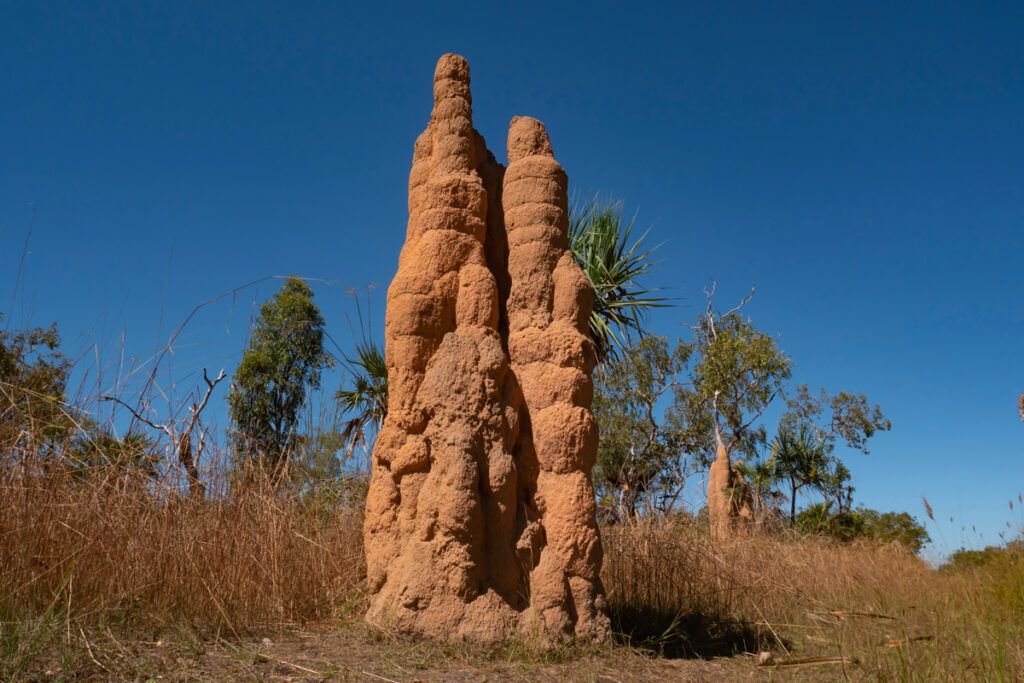
Certain creatures have also evolved ingenious ways to keep enclosed spaces cool by using airflow. Termite mounds are among nature’s best-known examples. Built by African and Australian termite species, these towering structures contain an intricate network of tunnels and chambers that helps regulate temperature, humidity, and airflow. As outside temperatures change, differences in air pressure move fresh air through the mound, helping maintain a stable environment for the colony.
Black-tailed prairie dog towns also benefit from passive ventilation. Studies suggest that differences in wind speed and air pressure between multiple burrow entrances help move air through the tunnel system, improving ventilation and preventing burrows from becoming excessively warm.
They Build Near Water
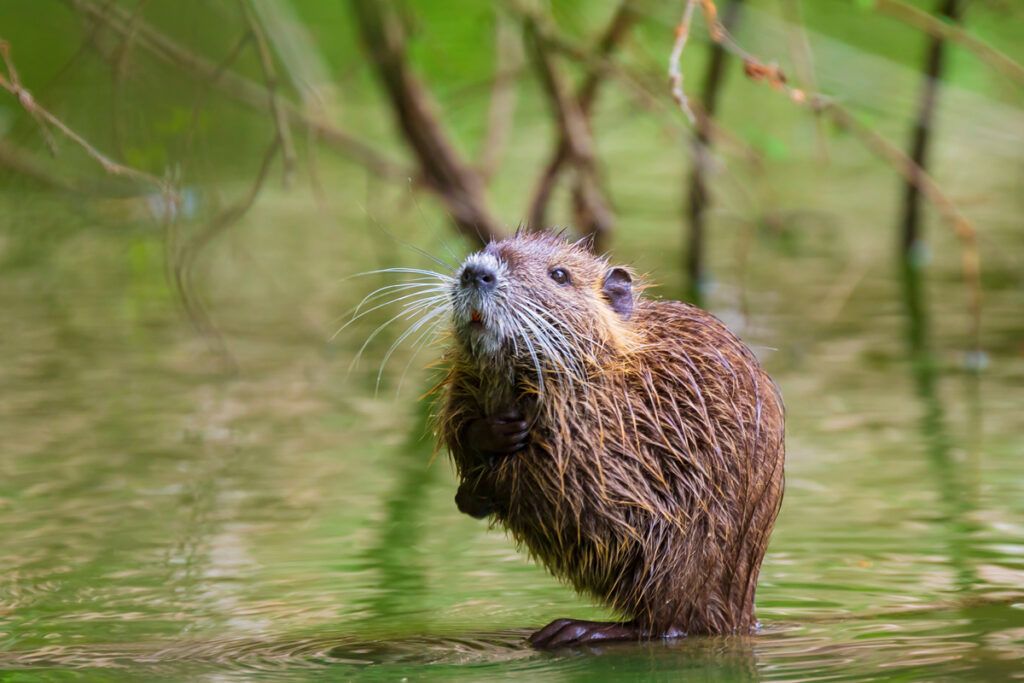
When it comes to living in the wild, location is just as important as construction. Water heats and cools more slowly than air, so homes built in or around ponds, marshes, and streams often experience smaller temperature swings. Beavers are a great example. Their lodges, built from branches, sticks, and mud, sit in ponds where the surrounding water helps moderate temperatures. Thick walls provide insulation, while underwater entrances allow the animals to come and go without exposing the living chamber to outside conditions.
Muskrats use a similar strategy, building dome-shaped lodges from cattails and other wetland plants. Wetlands are also where American alligators create “gator holes” — shallow depressions that retain water during dry periods. While they aren’t permanent homes, these pools provide a cooler refuge during intense heat and are beneficial to other animals as well.
They Use Shade as Natural Air Conditioning
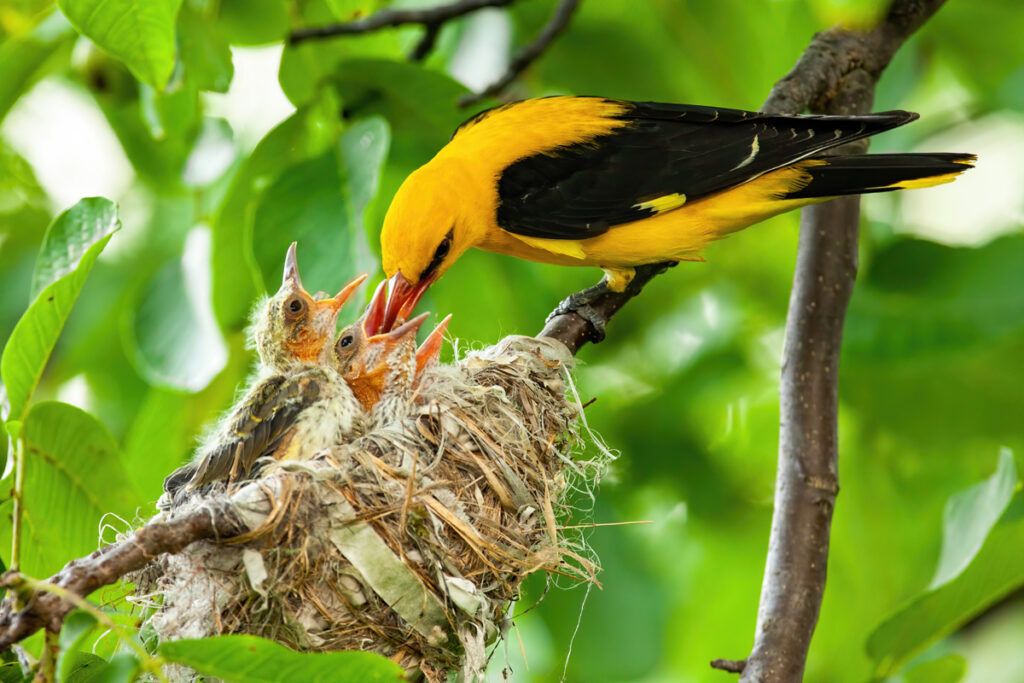
Rather than modifying their homes to beat the heat, some animals take advantage of the natural protection afforded by trees and vegetation. Many birds build nests in shaded tree canopies, dense shrubs, or on the protected sides of cliffs where they’re shielded from the hottest afternoon sun. Some species, including orioles and vireos, suspend their nests beneath leafy branches, where shade and gentle breezes help keep eggs and nestlings from overheating.
Tree squirrels use a similar strategy when choosing where to build their leafy nests, called dreys. High in the canopy, these nests are sheltered from direct sunlight by surrounding branches and leaves while still allowing some airflow. The materials squirrels use — including twigs, leaves, moss, and bark — help insulate the nest and protect young squirrels from temperature swings. And when the heat gets to be too much, squirrels will “sploot” — lie belly down with their limbs spread out — on a shady tree branch.
They Actively Regulate the Temperature
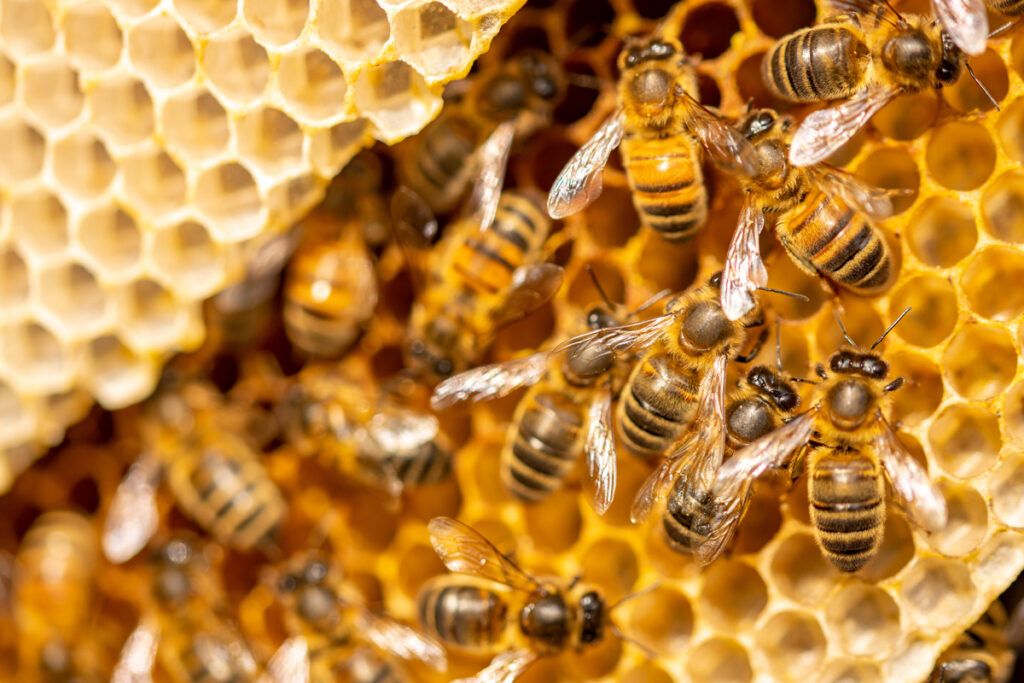
Some animals don’t just build homes that stay cool — they actively manage the temperature inside them. Honeybees provide one of the most impressive examples. A hive must remain within a narrow temperature range for developing larvae to survive. On hot days, worker bees collect water and spread tiny droplets throughout the hive while other bees fan their wings near the entrance. As the water evaporates, it carries away heat, cooling the colony much like evaporating sweat cools our bodies.
Paper wasps use a similar evaporative cooling system, with workers gathering water and spreading it across the nest while fanning their wings. This simple yet effective behavior reflects a much bigger pattern across the animal kingdom: From burrows to nests to hives, animals are constantly adapting their homes to survive the heat.