How Do Animals Live in Trees Without Falling?

We may not give much thought to the squirrels springing along branches above our heads, but for many creatures — from sloths and possums to snakes, lemurs, and koalas — trees aren’t just a place to hang out; they’re home. And what looks dangerous from the ground is as ordinary to them as walking down a sidewalk is to us.
But even the most accomplished acrobat can lose its grip, misjudge a leap, or be knocked from a branch. The difference is that evolution has equipped many of these animals with an impressive array of tricks for staying put — and, when they don’t, surviving the trip down.
Built for Grip
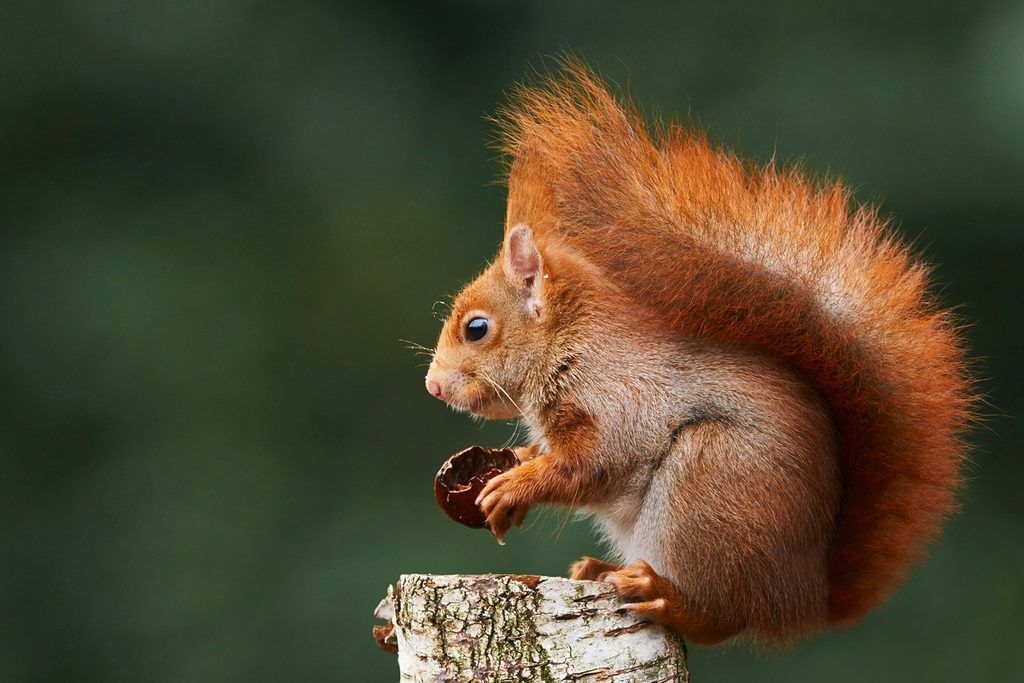
The simplest way to stay in a tree is by holding on tight. That’s the motive behind many tree-dwelling creatures’ bodies, which have adapted special appendages to grab onto bark, leaves, and branches. Squirrels, for example, have sharp claws that can dig into bark, while flexible ankles allow their hind feet to rotate so they can descend tree trunks headfirst.
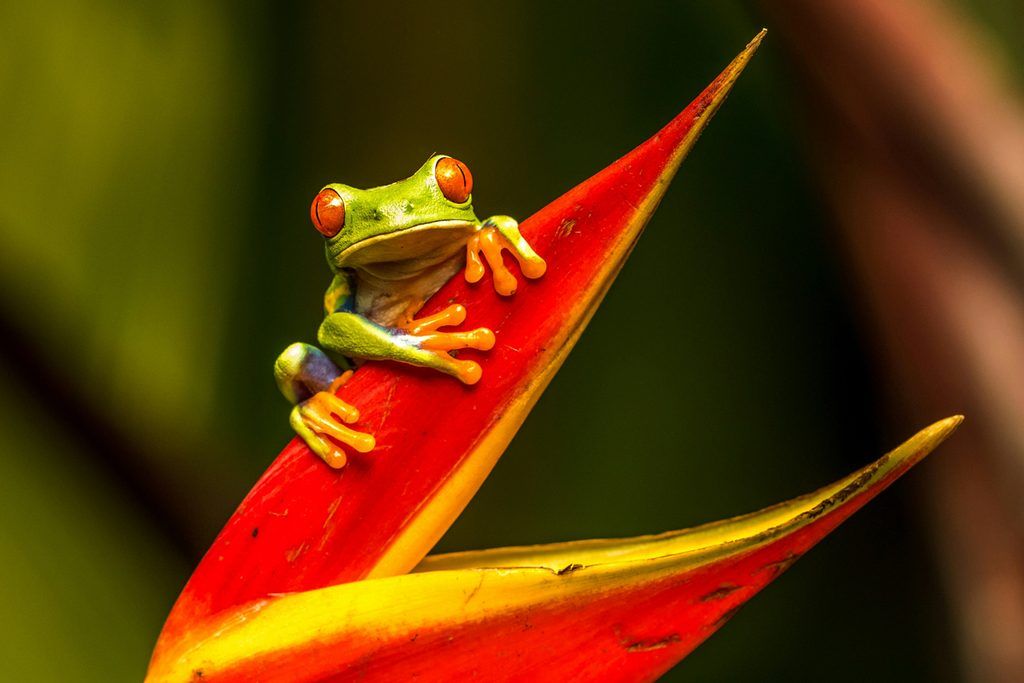
Tree frogs have specialized adhesive pads that help them cling to smooth leaves and branches, and geckos can stick to surfaces using millions of microscopic structures on their toes, allowing them to scamper across walls and branches with seemingly impossible ease. Koalas have strong paws and sharp claws designed for gripping tree trunks, while a sloth’s long, curved claws act almost like hooks, allowing it to hang securely beneath branches.
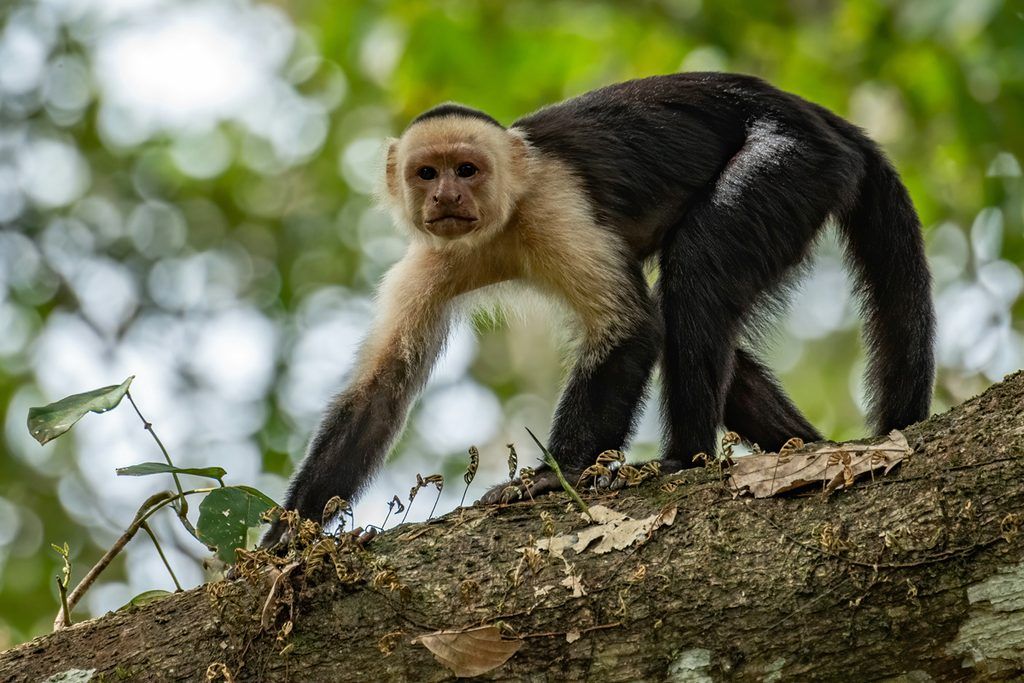
Primates have their own variations on this theme: Many monkeys have hands and feet (not to mention opposable thumbs) capable of wrapping around branches, while some species also have prehensile tails that function almost like an extra arm. Spider monkeys, for example, can use their long, muscular tails to grasp branches and help support their weight. Together, these adaptations give tree-dwelling animals multiple ways to hold on when the next foothold is a narrow, bending branch rather than solid ground.
Balance Is Key
Staying in a tree isn’t just about having a good grip; animals also have to manage their weight, momentum, and balance while moving through an environment that’s constantly shifting beneath them. Squirrels are particularly efficient examples: Their bushy tails help them balance and steer as they race along narrow branches and make leaps between trees, while their flexible bodies allow them to adjust quickly when a branch bends or sways.
Other tree-dwelling animals have evolved their own solutions. Many monkeys, for instance, use their long tails as counterbalances while climbing, leaping, and landing. Smaller animals such as marmosets can travel along thin branches that would never support a heavier primate such as an orangutan, which must carefully distribute its weight across multiple branches.
Many tree-dwelling animals also have body shapes that keep their center of gravity low, making them less likely to topple. In the constantly shifting world of the canopy, staying upright often depends on a finely tuned sense of balance — and the ability to make a split-second adjustment when a branch moves.
Getting From Tree To Tree
Living in the canopy means tree-dwelling animals don’t just have to stay on a branch — they also have to figure out how to get past the empty space between one tree and the next. This journey is easier in some wooded areas than others, depending on how closely the trees grow together. And while simply running down and up the trees may work in some places, this strategy often proves more dangerous due to the presence of ground-dwelling predators on the hunt.
Some animals climb carefully from branch to branch, while others have evolved ways to cross gaps without ever touching the ground. Primates, with their forward-facing eyes, use depth perception to judge distances and can make extraordinary leaps, while some species use their long limbs or prehensile tails to reach for the next branch.
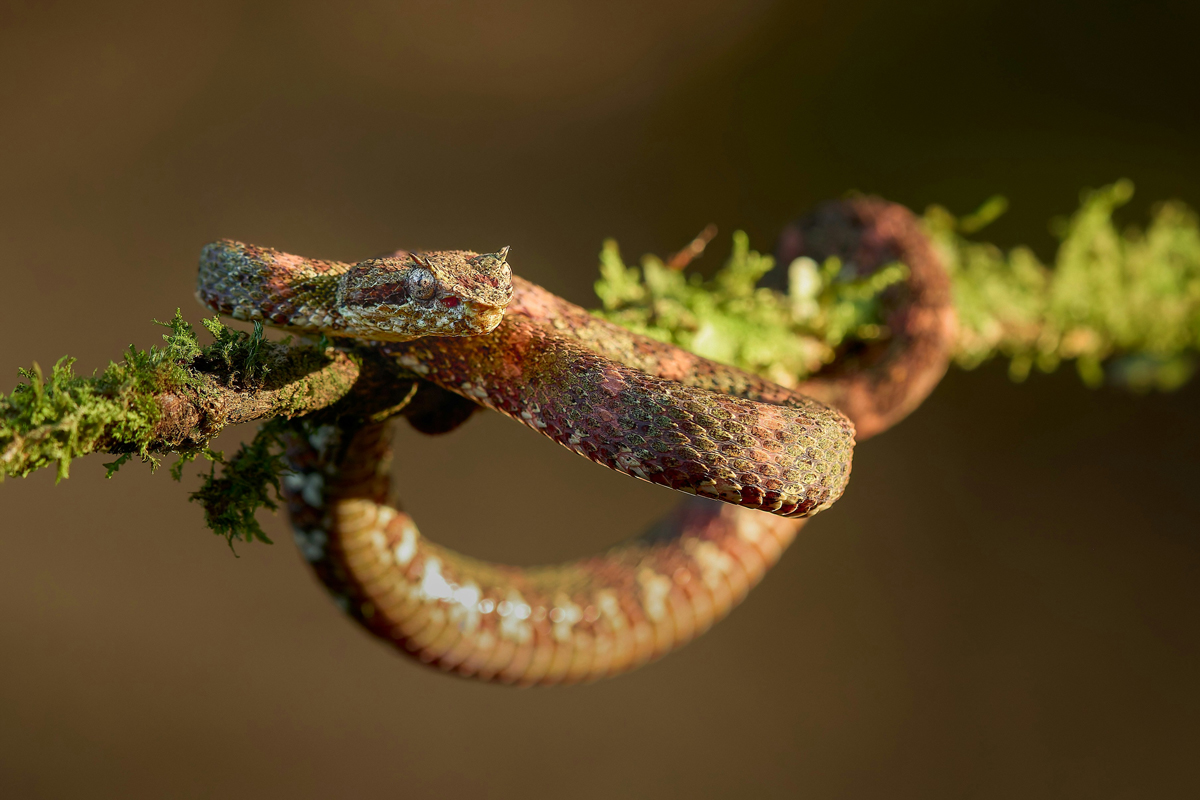
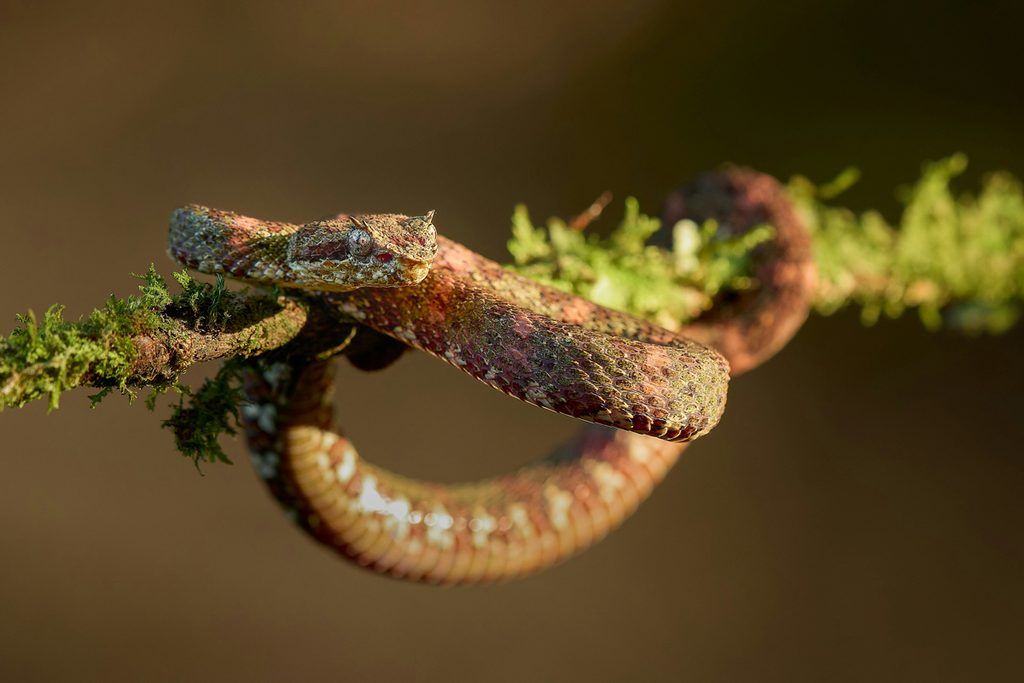
Other animals have an even more dramatic approach. Flying squirrels use a membrane of skin stretched between their limbs to glide from one tree to another, steering with their legs and tail. Certain tree-dwelling snakes can flatten their bodies and undulate through the air, allowing them to essentially parachute through the forest. For these animals, the spaces between branches aren’t simply gaps to avoid — they’re another part of the canopy they’ve evolved to navigate.
Falls Do Happen
For all those adaptations, gravity is still in play. Young animals learning to climb are especially prone to missteps, and adults can fall while fighting, escaping predators, mating, or simply moving from one branch to another. A sudden movement or broken branch can send even the most experienced tree dweller tumbling.
No animal can completely defeat gravity, and sometimes a controlled descent is the best outcome. Squirrels, for example, can spread their limbs and use their tails to help control their position during a fall.
But falling is the exception, not the norm. With claws, gripping feet, flexible bodies, tails, and finely tuned balance, most arboreal animals spend their lives securely above the ground. So the squirrel racing across your backyard branch may look like it’s taking a reckless shortcut, but to that squirrel, it’s just their way of life.