How Are New Animal Species Discovered?


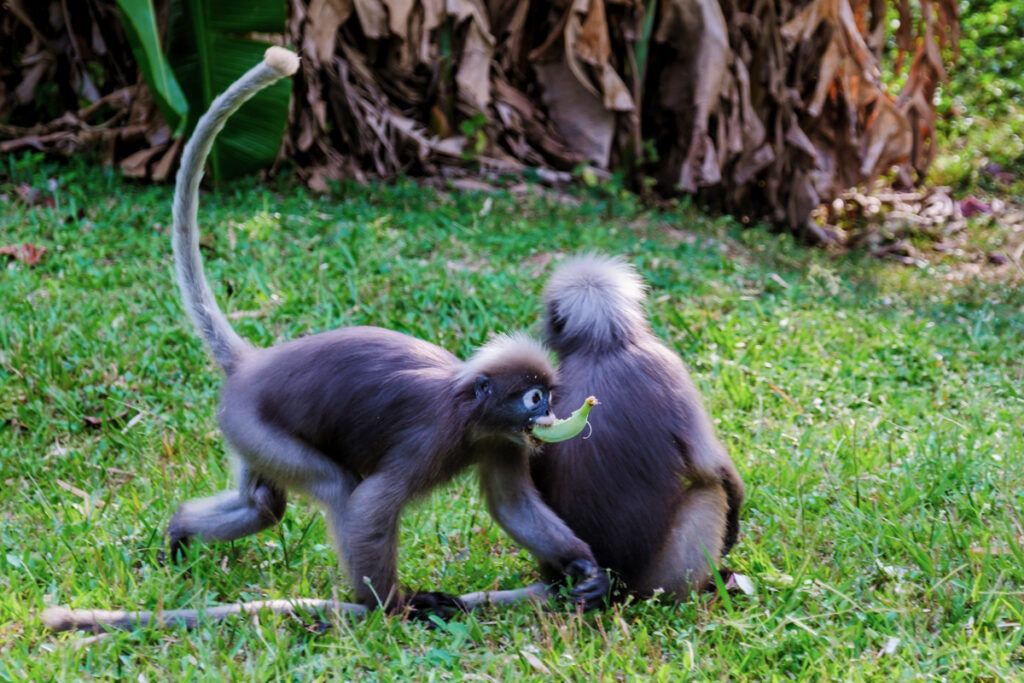
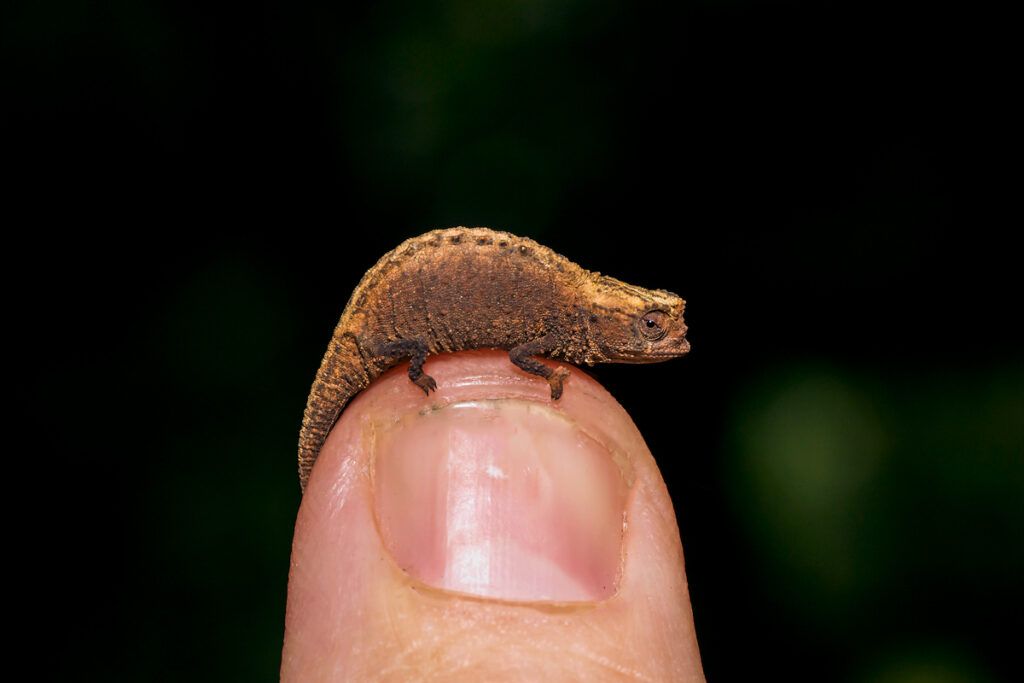
With satellites mapping the Earth, remotely operated vehicles exploring the deep ocean, and DNA technology helping scientists identify and classify living things, it may seem there are few new animal species left to be discovered — yet scientists continue to identify thousands of new species every year. More recent discoveries include the Popa langur, a monkey from Myanmar identified in 2020 through genetic and anatomical research, and Brookesia nana, a tiny chameleon from Madagascar formally announced as a new species in 2021 that’s among the smallest reptiles known to science.
Finding a new species isn’t simply a matter of spotting an unfamiliar animal: Some discoveries begin during expeditions to remote habitats, while others result from reexamining museum specimens or using DNA analysis to distinguish animals once thought to belong to the same species. Before a new species can be officially recognized, scientists must gather evidence, compare it with related animals, and prove that it represents a distinct form of life.

Exploring Earth’s Hidden Habitats
One of the most common ways scientists discover new species is by exploring environments that have been studied less extensively than others. Rainforests, deep oceans, caves, mountain ranges, and isolated islands can contain distinct animals because populations in those areas have evolved in unique ways befitting their surroundings for thousands or even millions of years. Field biologists may spend weeks or months surveying these habitats, using observations, photographs, sound recordings, and carefully collected samples to document the animals they encounter.
New discoveries often come from habitats that scientists have only recently gained the ability to explore in detail. For example, researchers studying mesophotic coral reefs, sometimes called “twilight reefs,” have found communities of animals living deeper than traditional reef surveys could reach. These dimly lit underwater ecosystems have revealed species previously unknown to science, proving that even familiar environments can contain hidden pockets of biodiversity. In many cases, animals discovered in these habitats are identified as new species only after scientists return to the laboratory and analyze the evidence in greater detail.
Finding Species Hidden in Plain Sight
Not every new species is discovered in a remote wilderness. Some have been hidden in plain sight — living alongside humans or sitting in museum collections for decades without being recognized as unique. Scientists often uncover these “cryptic species” by taking a closer look at animals that appear nearly identical. Although they may look the same to the human eye, differences in DNA, anatomy, behavior, or geographic range can reveal that they’re actually separate species.
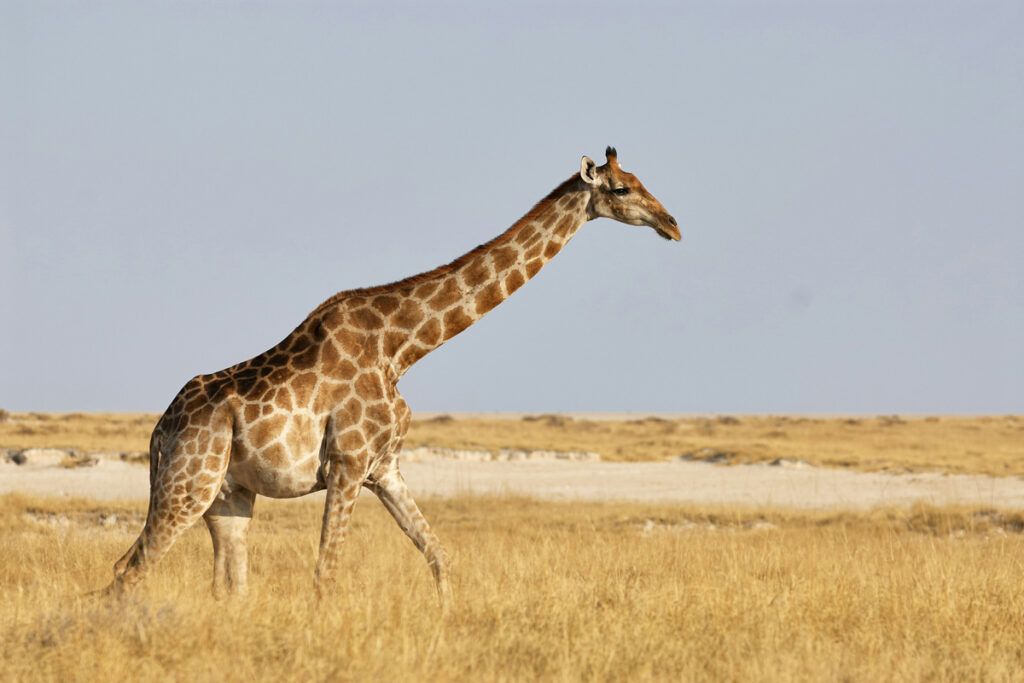
Giraffes are one such example. For many years, scientists classified all giraffes as a single species, but genetic studies have shown that giraffes are divided into multiple distinct species and subspecies, with some researchers recognizing as many as six species.
Scientists have also discovered cryptic species among birds, frogs, bats, insects, and many other animals, showing that some of Earth’s biodiversity has remained hidden not because the animals were difficult to find, but because they were difficult to distinguish. Identifying these hidden species is part of taxonomy, the science of naming and classifying living things as new evidence becomes available.
Using Technology To Discover New Species
Modern technology has transformed how scientists find and identify new animals. By analyzing DNA, researchers can detect genetic differences between species that may otherwise look nearly identical, revealing separate evolutionary histories. Scientists can also use environmental DNA, or eDNA, to find traces of animals left behind in water, soil, and other environments. This allows researchers to detect rare or difficult-to-observe species without having to capture or even see them directly.
Other technologies help scientists explore places that were once nearly impossible to study. Remote cameras monitor wildlife in areas where humans rarely travel, underwater vehicles reveal animals living in the deep ocean, and sound recordings help identify species by their calls or songs. Photography and citizen science also provide valuable clues; in other words, observations from hikers, divers, and nature enthusiasts can lead researchers to investigate animals that may represent new species.
How Does a New Species Become Official?
Finding an unfamiliar animal is only the beginning — scientists must collect sufficient evidence that it’s different from all previously known species. Researchers compare physical characteristics, genetics, behavior, and habitats, then publish their findings so other experts can review the evidence.
If scientists determine the animal represents a distinct species with its own evolutionary history, it can be formally recognized as a new species. Researchers then assign it a scientific name following the rules established by the International Code of Zoological Nomenclature (ICZN), creating a shared system that allows scientists around the world to identify, study, and discuss the species.