What Do Wild Animals Do for Fun?

Humans aren’t the only animals that play. Anyone who’s watched a dog chase a ball or a cat pounce on a toy mouse knows what play looks like in domesticated pets, but wild animals have their own variations on play. They chase, wrestle, tumble, manipulate objects, and even seem to invent their own games.
Animal behavior researchers group play into three broad categories: social play, object play, and locomotor play. Social play involves interactions such as chasing and wrestling, object play involves manipulating something in the environment, and locomotor play includes activities such as running, jumping, rolling, and spinning.
The tricky part is figuring out when an animal is actually playing. Scientists look for clues that distinguish play from behaviors with a more obvious purpose, such as hunting, fighting, or finding food.
Social Play
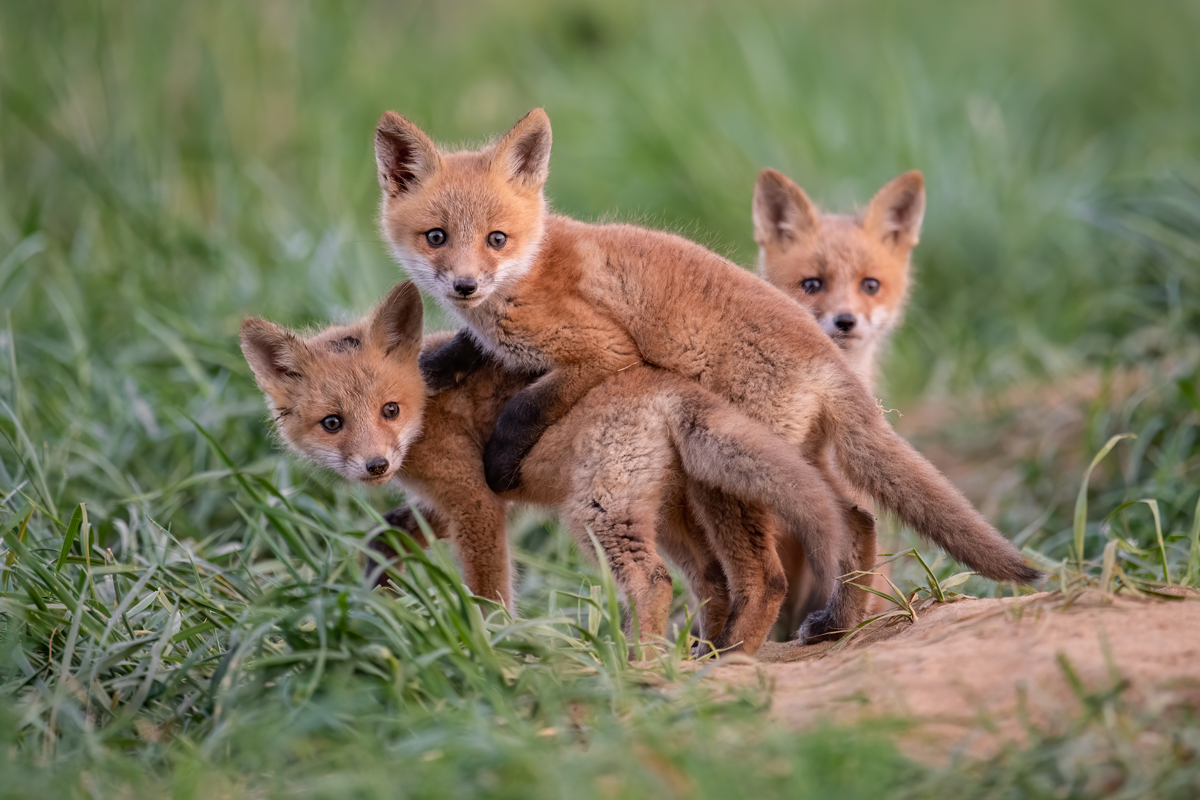
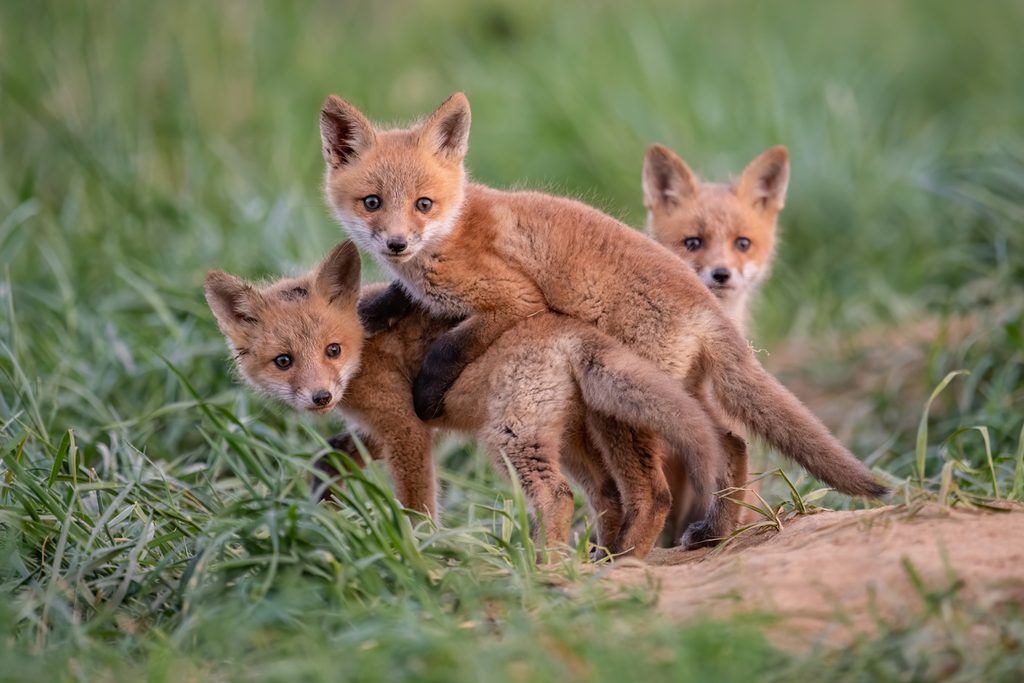
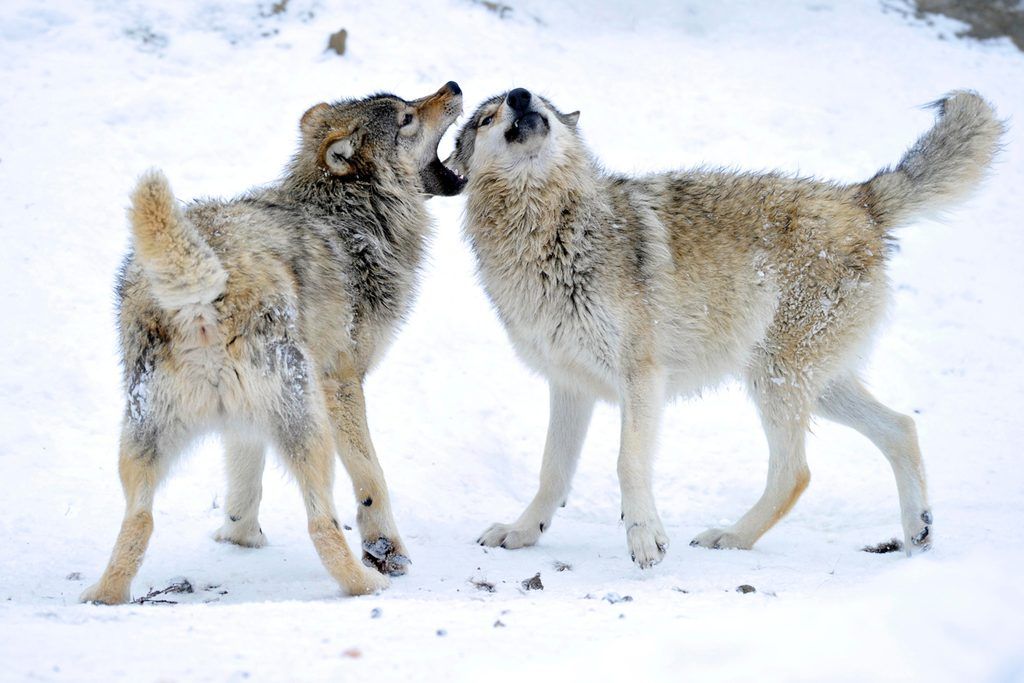
Social play is one of the most familiar forms of animal play, and it can look a lot like fighting. Young wolves, foxes, meerkats, and other predators have play fights that include chasing and wrestling.
Among primates, young chimpanzees and bonobos engage in similar games, chasing, grabbing, tumbling, and play-fighting with other members of their group. Dolphins also chase one another and engage in physical interactions that appear playful. These rough-and-tumble games can look serious, but the point isn’t necessarily to win or establish dominance.
That’s one reason scientists look for specific clues when deciding if a wrestling match is actually playful. Play often involves taking turns, changing roles, repeat behavior, and exaggerated movements without escalating into a real fight.
Scientists may also look for signals and context clues that communicate an animal’s playful intentions. When the interaction remains relatively relaxed and the animals return to the game voluntarily, researchers have stronger evidence that they’re playing rather than fighting. The fact that play is usually most common when animals are well-fed and free from immediate danger is another clue.
Object Play
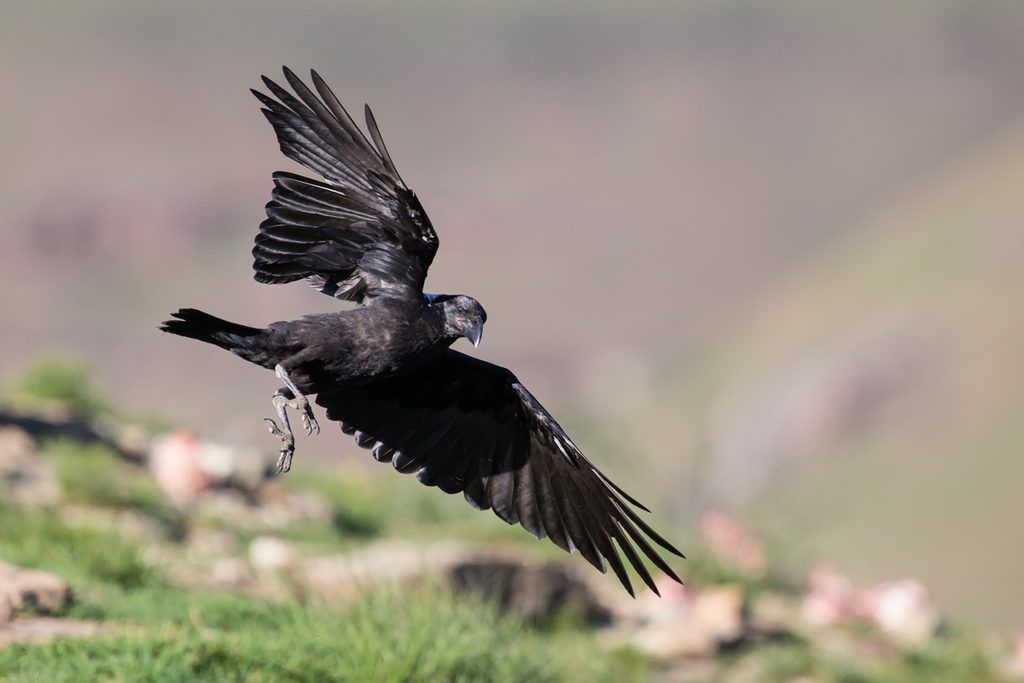
Animals don’t always need another animal to play with. Ravens have been observed dropping sticks and other objects so they can dive after them, while otters manipulate stones, shells, and other objects in ways that appear to go beyond simple exploration. These behaviors are especially interesting because the animals aren’t obviously performing them for practical reasons, such as getting food or escaping danger.
Object play has also been documented in animals that may not seem like obvious candidates for playful behavior. Komodo dragons have been observed manipulating objects such as Frisbees, plastic rings, and tin cans, while saltwater crocodiles will repeatedly interact with floating objects, and freshwater stingrays have even been observed pushing and moving objects in their environment.
These behaviors don’t prove the animals experience play exactly as humans do, but their repetition and lack of an obvious practical goal give researchers reason to consider they may be forms of play nonetheless.
Locomotor Play
Locomotor play involves movement for its own sake. Animals may run, jump, roll, spin, leap, or twist in ways that go beyond what they require to get from one place to another.
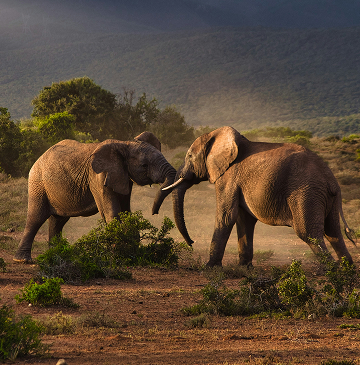
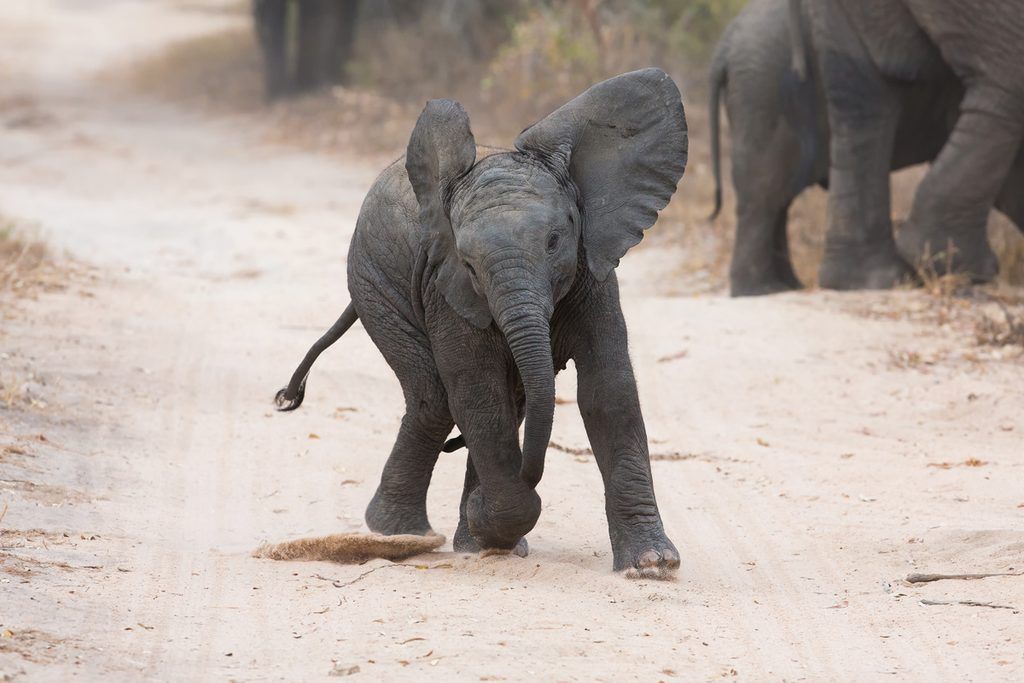
Young mammals will often race around together, and ravens sometimes perform aerial acrobatics while playing with their own shadows. Elephants “floppy-run” while swinging their head and ears or splash and dunk their heads in water. These movements can resemble ordinary activities, but playful animals often repeat or exaggerate them without any obvious practical reason.
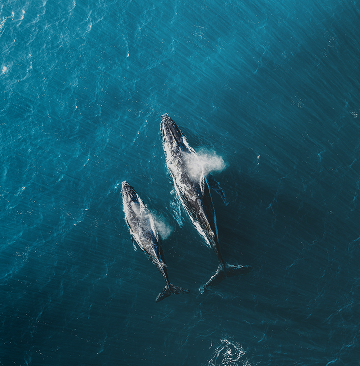
Aquatic animals offer some especially striking examples of locomotor play. Dolphins ride waves and leap from the water, while seals chase one another, roll, and engage in playful underwater movements that are more than what they need for basic swimming.
Fish can play, too, although their behavior can look quite different from that of aquatic mammals. Some fish, such as the African cichlid, have also been observed repeatedly swimming through or interacting with their surroundings in ways that appear to have no immediate practical purpose. These observations have helped broaden scientists’ understanding of play beyond the mammals and birds that have traditionally received the most attention.
The Tricky Parts of Studying Animal Play
Across all three categories of animal play, context matters. A wolf chasing another wolf could be playing or hunting and a crocodile pushing an object could simply be exploring its surroundings rather than playing.
Scientists consider the animal’s age, the circumstances, how often the behavior is repeated, and what happens before and after the behavior. No single behavior proves an animal is playing, so researchers look for a pattern that separates play from behaviors with a more obvious goal.
Studying play in the wild isn’t easy. Researchers have to build a case from patterns of behavior, often through hours of observation and video. Sometimes, the most convincing proof of play is that an animal that keeps choosing a behavior that serves no other apparent purpose.