These Animals Run on Surprisingly Little Brainpower

Intelligence is a tricky thing to measure consistently across widely differing species, so many animals that are considered unintelligent may not deserve such an unflattering appraisal. After all, what may appear as foolishness to humans, such as a dog turning in circles before lying down, may be a highly specialized evolutionary adaptation that works well for that animal’s particular purposes.
But then again, not every animal has evolved a brain running at full power (and some don’t have one at all). With all that in mind, here are seven animals who manage to survive perfectly well running on lower brainpower.
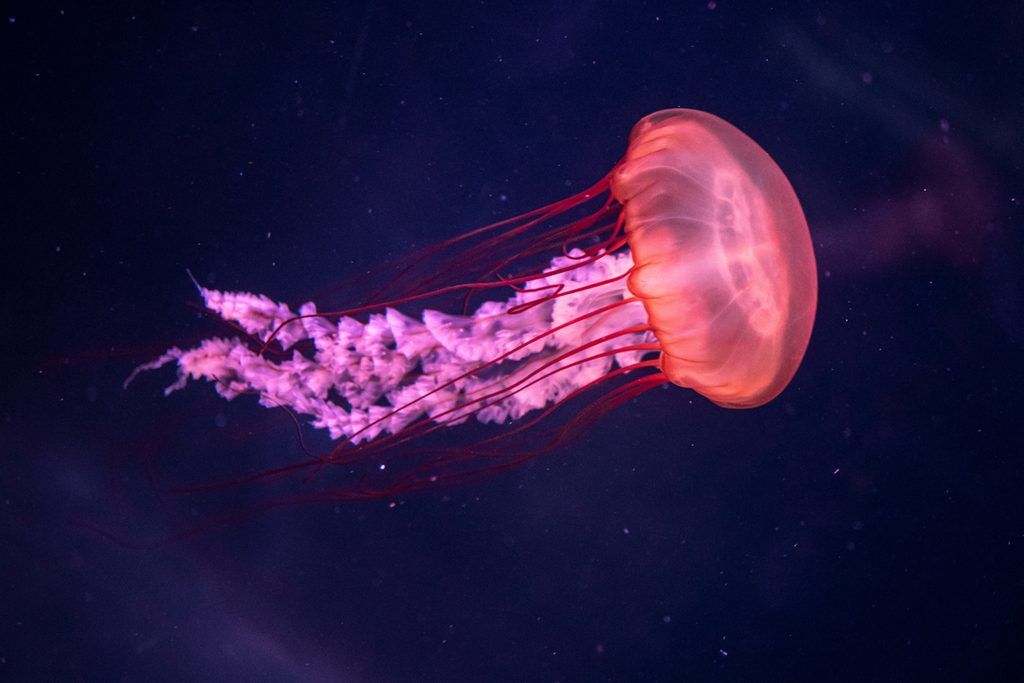
Jellyfish
Jellyfish have survived more than 500 million years despite not having brains — or blood, or bones. Instead of a singular brain, they rely on a diffuse nerve net spread across the body, triggering swimming and feeding without anything resembling centralized thought. Despite being brainless, jellyfish are capable of recognizing obstacles and learning from past experiences ‚ and they managed to outlast the dinosaurs, which is pretty impressive.
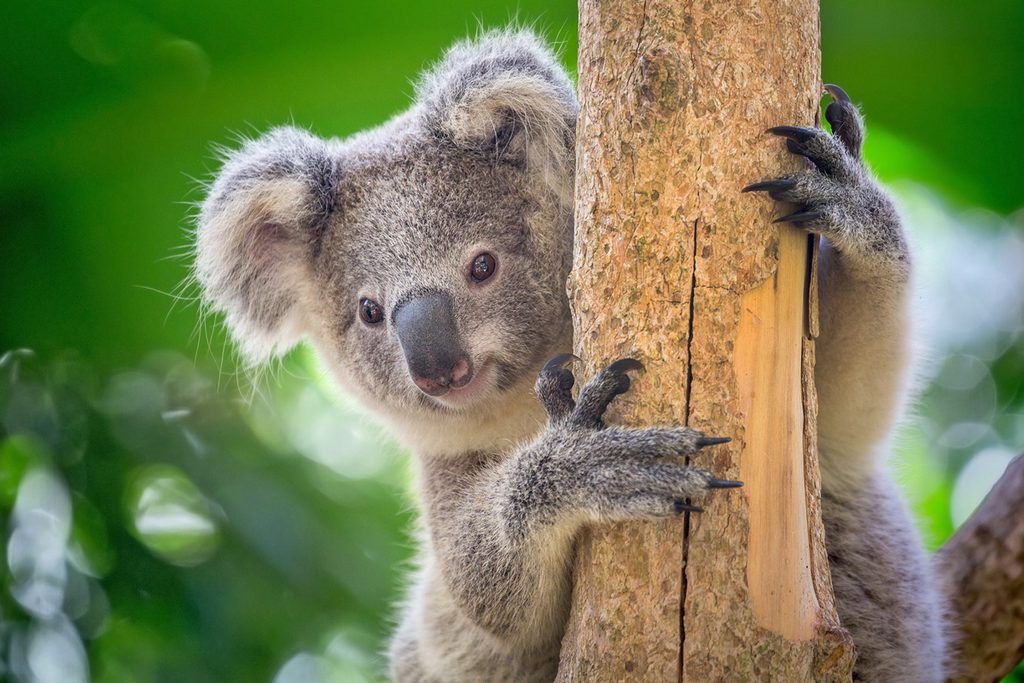
Koalas
A koala’s brain is unusually smooth, lacking most of the deep folds that gives other mammals’ brains more surface area for complex processing. They also have one of the lowest brain-to-body mass ratios of any mammal. These facts alone doesn’t make them inherently stupid — but observe one for a while and you may have some doubts about the intelligence of these furry marsupials.
For example, a koala will happily spend all day (or at least the two to six hours they actually spend awake each day) eating eucalyptus leaves off branches. But place those exact same leaves on a plate or table and the koala often won’t recognize or accept them as food at all. The little fuel they receive from their diet is usually directed to more important things than complex thought, after all.
Ostriches
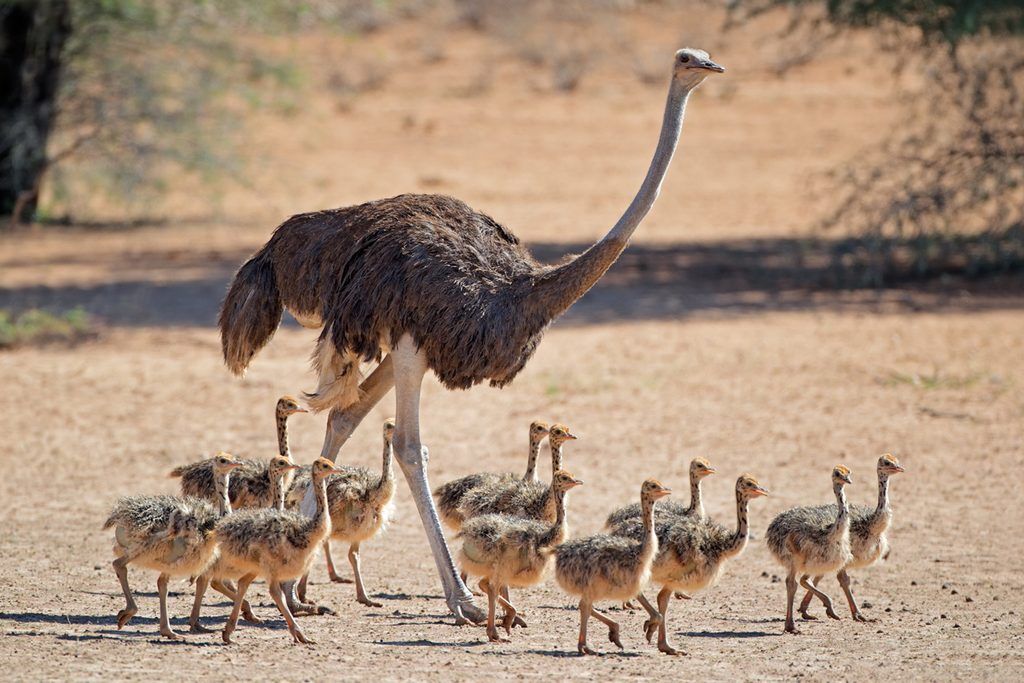
The ostrich is the largest living bird, but its brain is significantly smaller than one of its eyes — about the size of a walnut, in fact. The evolution of the ostrich went all in on vision, handy for spotting predators across open grassland, at the expense of actual processing power.
Their reputation for being a bit dim isn’t helped by their propensity for eating anything shiny, whether it’s a bottle cap, coin, or a bit of glass. Contrary to the popular myth, however, ostriches do not bury their heads in the sand when they’re scared, which would otherwise have been an additional IQ red flag.
Sloths
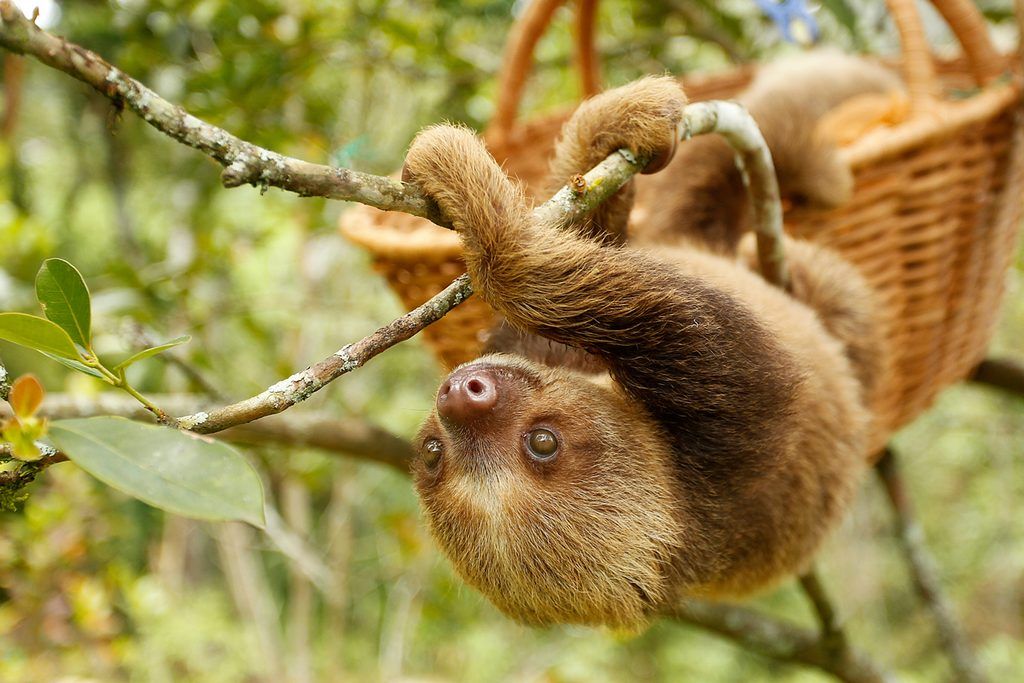
Like koalas, three-toed sloths have one of the lowest brain-to-body ratios of any mammal. Their metabolism, which is the slowest of any non-hibernating mammal, can’t afford to fuel a demanding brain, and a leaf-only diet requires little hunting strategy or problem-solving to begin with. The result is an animal built to do as little active thinking — or anything, really — as possible.
Sea Squirts
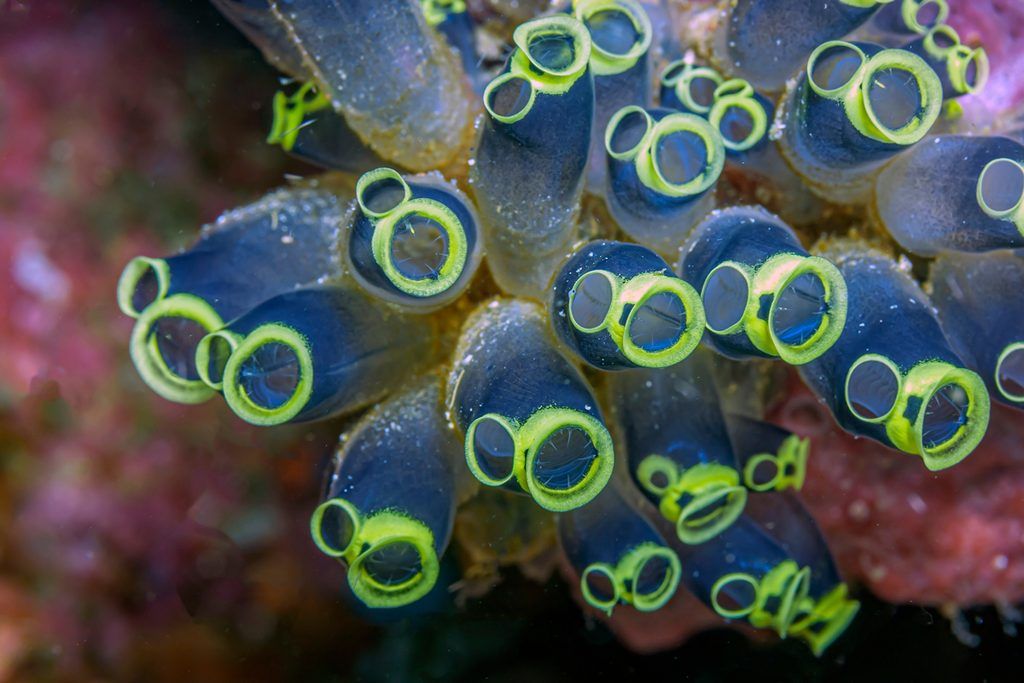
But there’s a valid reason why these tiny marine invertebrates are considered a bit slow: They eat their own brains. The sea squirt starts life as a free-swimming larva with two simple brains, which it uses to hunt for a permanent spot on the seafloor.
The moment it anchors itself for good, it starts digesting its own nervous system, brains included. Once attached, it never needs to think or move again, so being brainy is an entirely unnecessary trait.
Kākāpōs
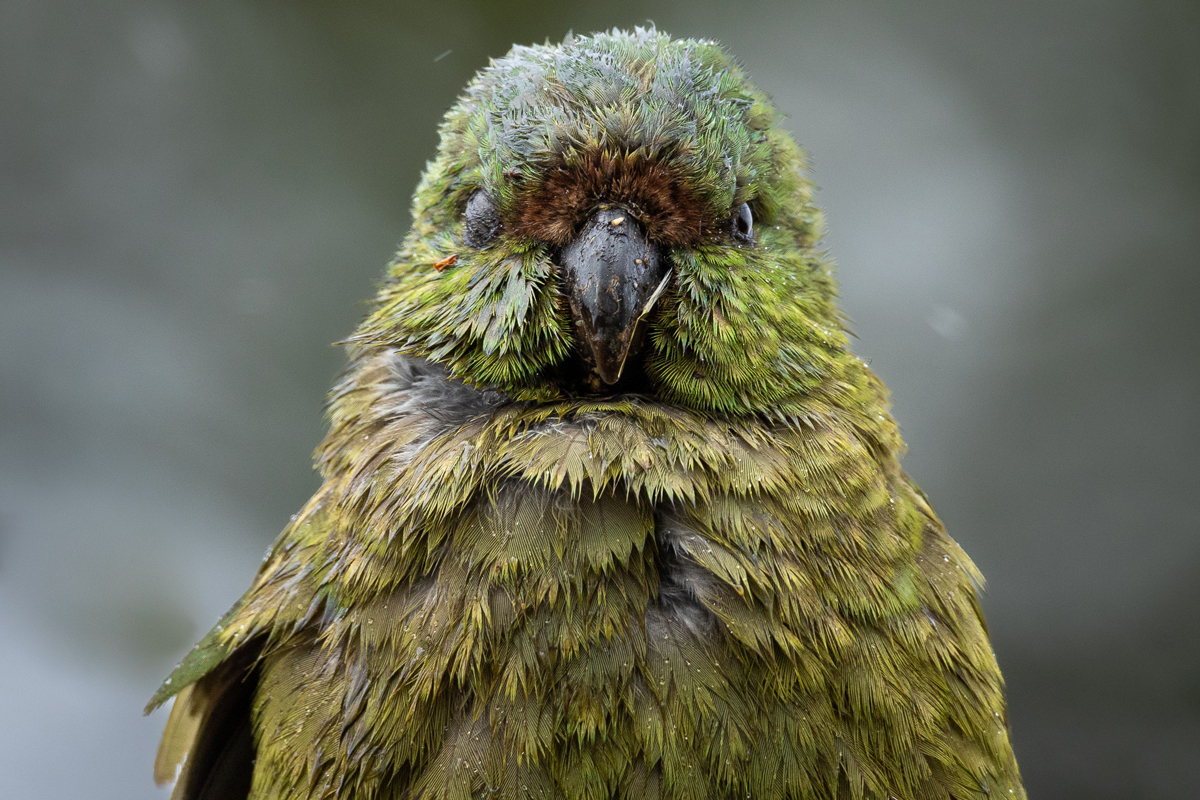
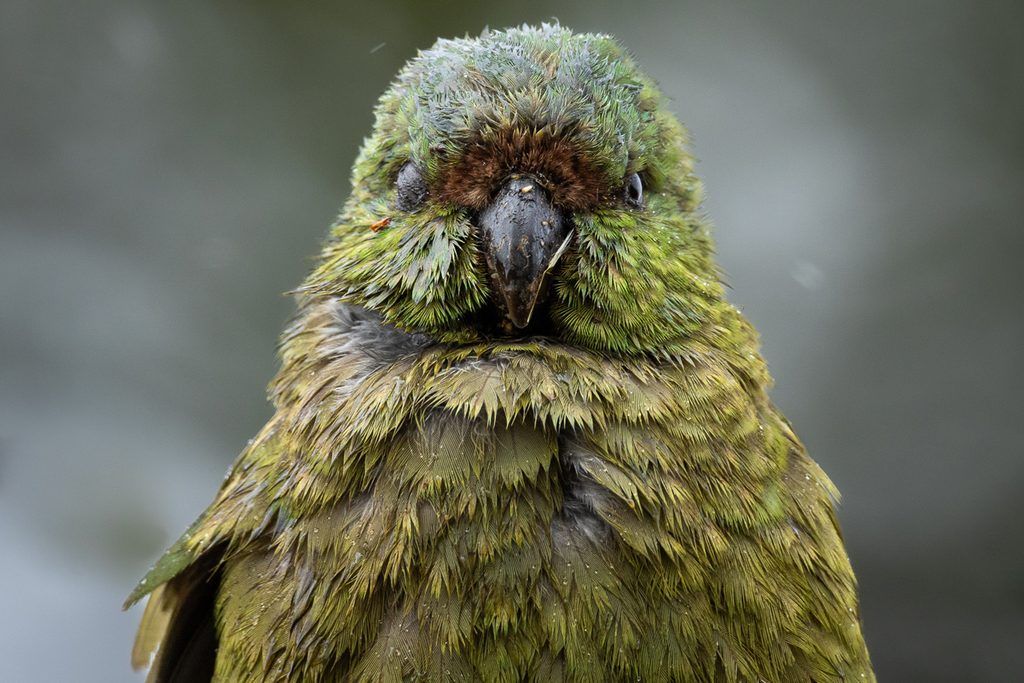
New Zealand’s kākāpō is often regarded as one of the world’s dumbest birds. It’s a bit of an unfair title, but not without reason.
These flightless parrots — the heaviest parrots in the world, in fact — evolved for millions of years with no mammalian predators. Because of that, its only defense in the face of introduced threats such as cats, stoats, and rats is to freeze in place and do absolutely nothing.
Being overly curious, docile, and quite adorable, combined with their flightlessness and terrible survival skills, makes them appear naively oblivious to danger. They’ve also been documented making highly misguided mating decisions, most famously when a male kākāpō was filmed being overly amorous with British zoologist Mark Carwardine.
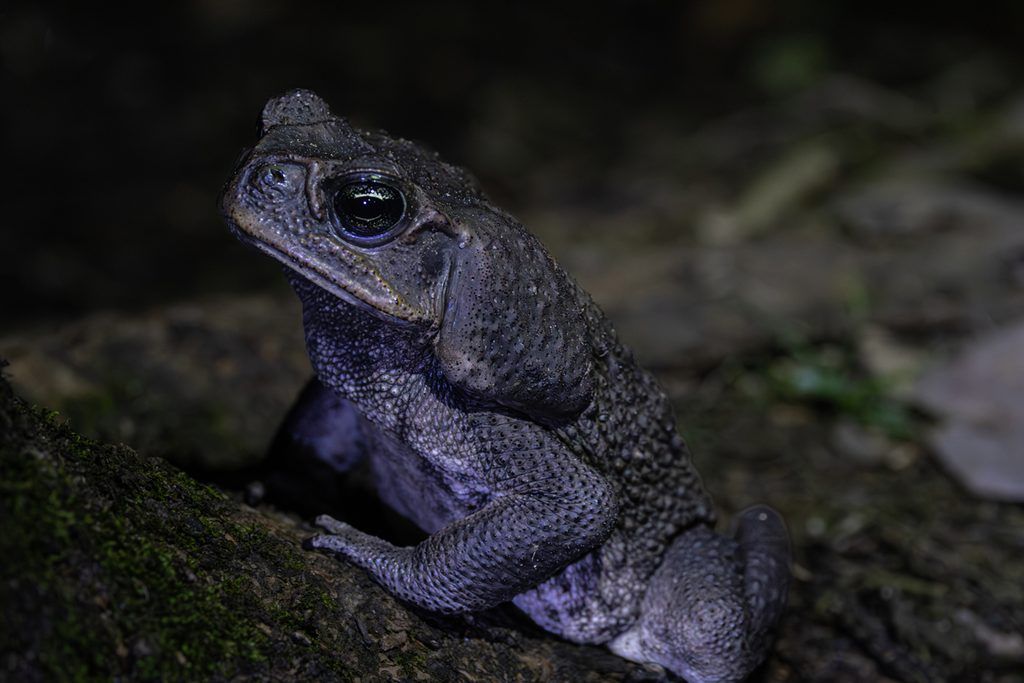
Cane Toads
Many amphibians rely heavily on instinct, but cane toads take this behavior to an extreme. They’re highly opportunistic feeders who act mainly on stimulus and response rather than any kind of judgment, and they’ll happily try to eat anything they can swallow — living or dead — whether it’s a beetle, a small bird, or pet food.
Males also take that approach into their love life. They’ll attempt to mate with almost anything —dead animals, human hands, rotting mangoes, inanimate objects, and entirely different species — often for hours without realizing they’ve made a mistake. They’ve even been photographed trying to mate, en masse, with an unfortunate python, which by any standard of behavior is quite a dumb move.