Do ‘Lone Wolves’ Actually Exist?
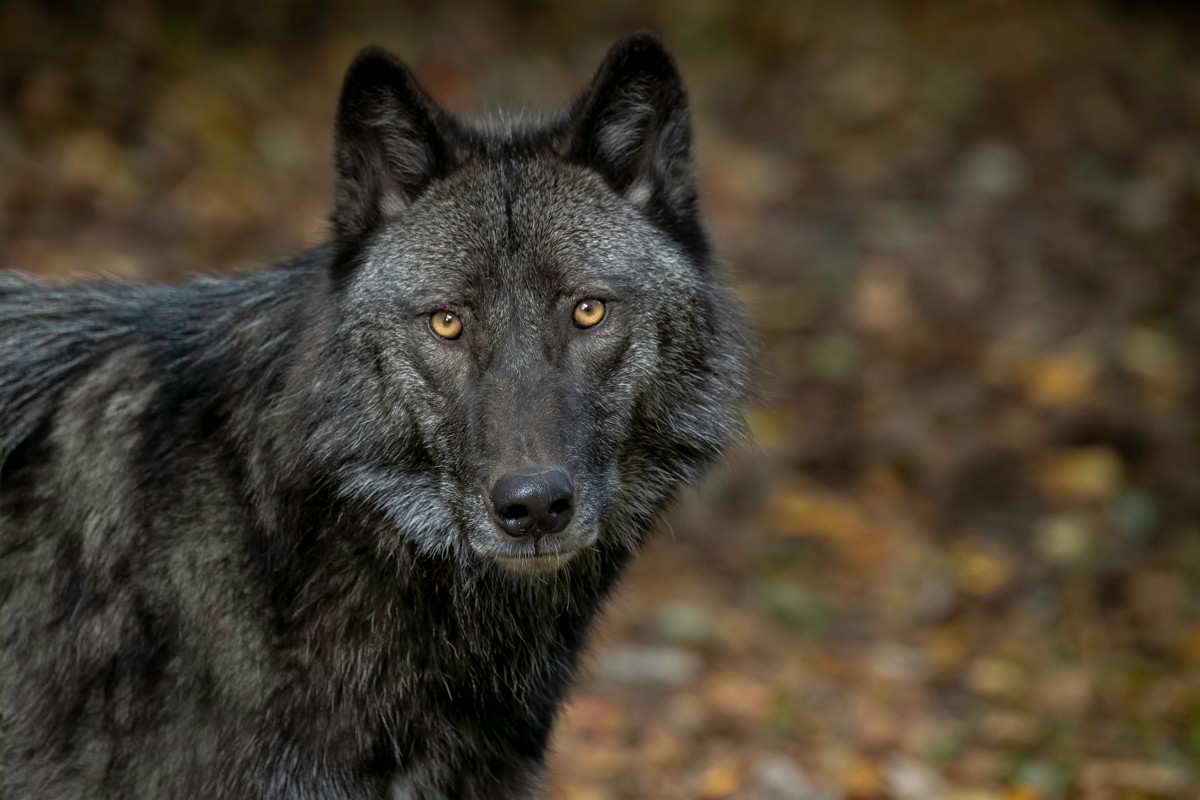

The “lone wolf” is a popular trope, usually portrayed as someone solitary, self-reliant, and preferring to go it alone. This may bring to mind such pop culture figures as Batman brooding on Gotham City rooftops or the Mandalorian, an independent bounty hunter in the Star Wars universe. Real wolves, however, are highly social animals, often living in packs made up of parents and their offspring.
So why, then, do some wolves end up wandering around alone? In most cases, they’re not exactly choosing a life of solitude. Here is why some wolves are — for a time, at least — lone wolves.
Why Wolves Leave Home
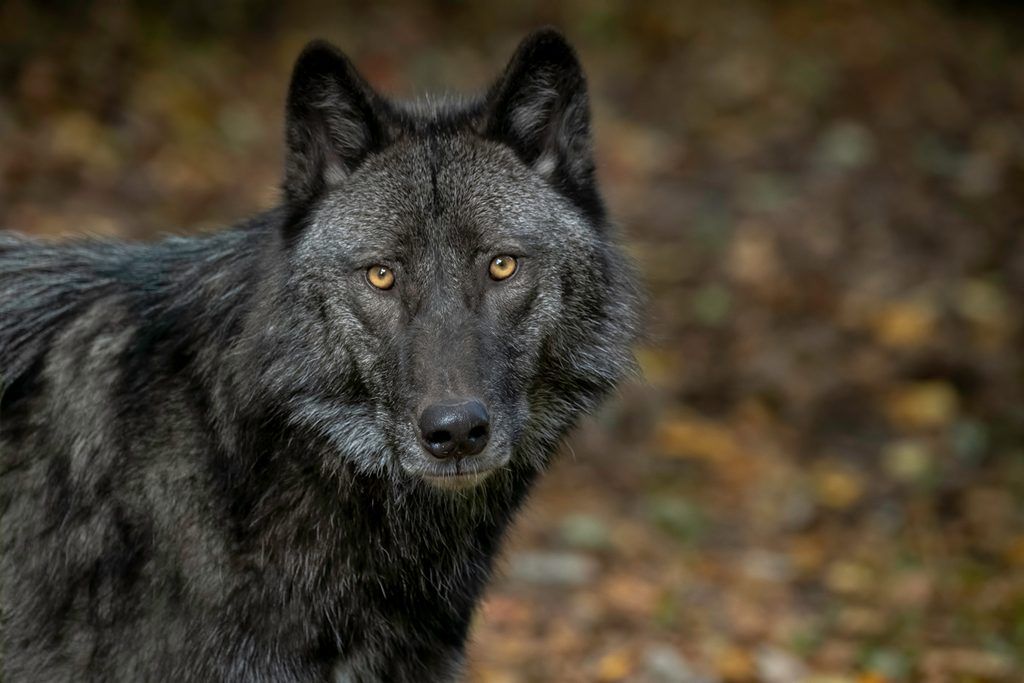
A wolf that travels alone isn’t necessarily a wolf that’s chosen to live life solo. Sometimes a pack member is simply temporarily away from its group. Most times, however, it’s a young wolf that’s left its birth pack to find a mate, establish its own territory, and eventually start a pack of its own.
Most young wolves leave their pack after reaching adulthood, usually between about 1 and 3 years of age. Because a typical wolf pack has just one breeding pair (the mom and dad) sticking around with their parents and siblings doesn’t exactly give young wolves much opportunity to start families of their own.
The Search for a Mate
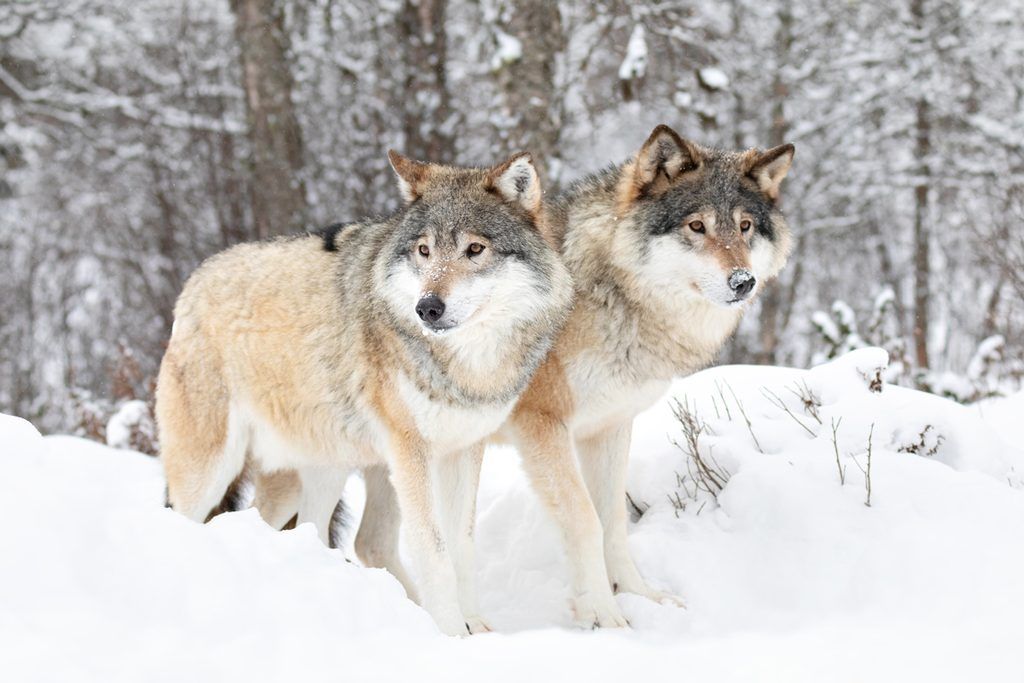
Once a wolf leaves its pack, life on the go can be difficult. It means giving up the safety of familiar territory and the protection of the group. A lone wolf also has to navigate new terrain on its own, and humans, roads, and other territorial packs can all pose serious threats.
Finding a mate is another challenge. Wolves use howls and scents to find and identify one another, with a wolf’s urine or scat providing information about its sex and breeding condition. Depending on the terrain, wolves can hear each other’s howls from as far as 6 miles away in dense forests or up to 10 miles on open terrain.
Some wolves travel impressively long distances to find what they’re looking for: One Mexican wolf was documented traveling at least 775 miles over the course of two months while searching for a mate and a new place to live. More commonly, however, they’ll end up resettled at a distance of between around 50 and 100 miles from their birth pack. While both male and female wolves disperse from their birth packs at roughly the same rate, males are commonly found to travel farther.
A New Pack
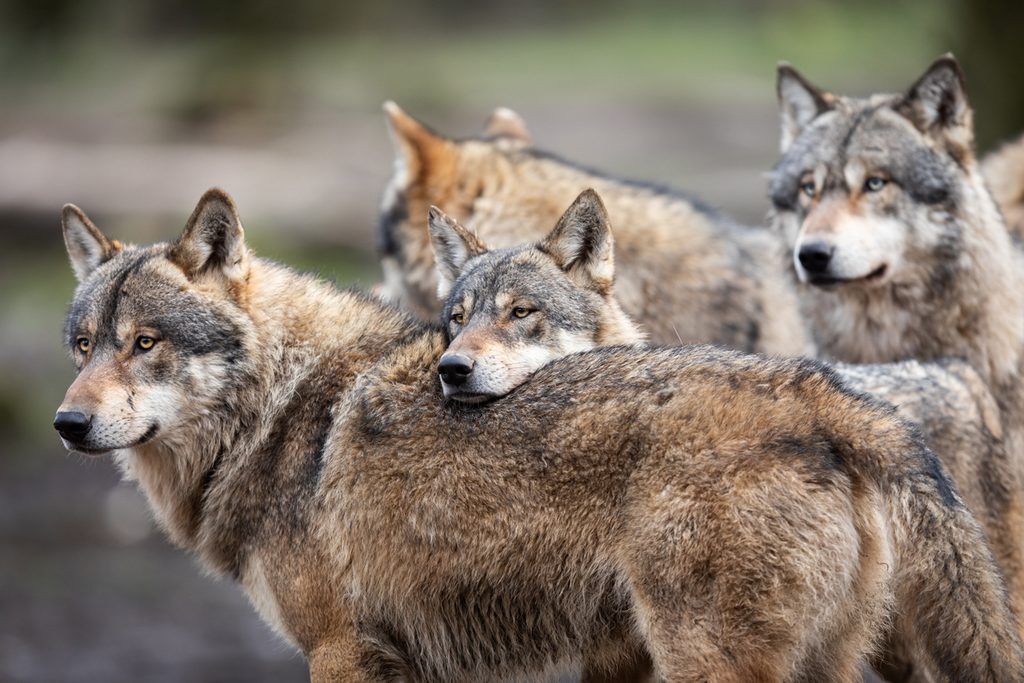
A dispersing wolf often pairs up with another wolf that’s also left its birth pack; together, the two establish a territory and begin making their own pack. But starting a pack from scratch isn’t the only option. Lone wolves also sometimes join existing packs, most commonly if one of that pack’s breeding adults has died and left an opening.
Dispersal is a major part of how wolf populations grow and spread, and it’s also important for keeping wolf populations healthy. When wolves leave their birth packs and find mates from other groups, they introduce new genetic diversity into the population, helping prevent the same genes from being passed down within isolated groups generation after generation.
How Long Are They Alone?
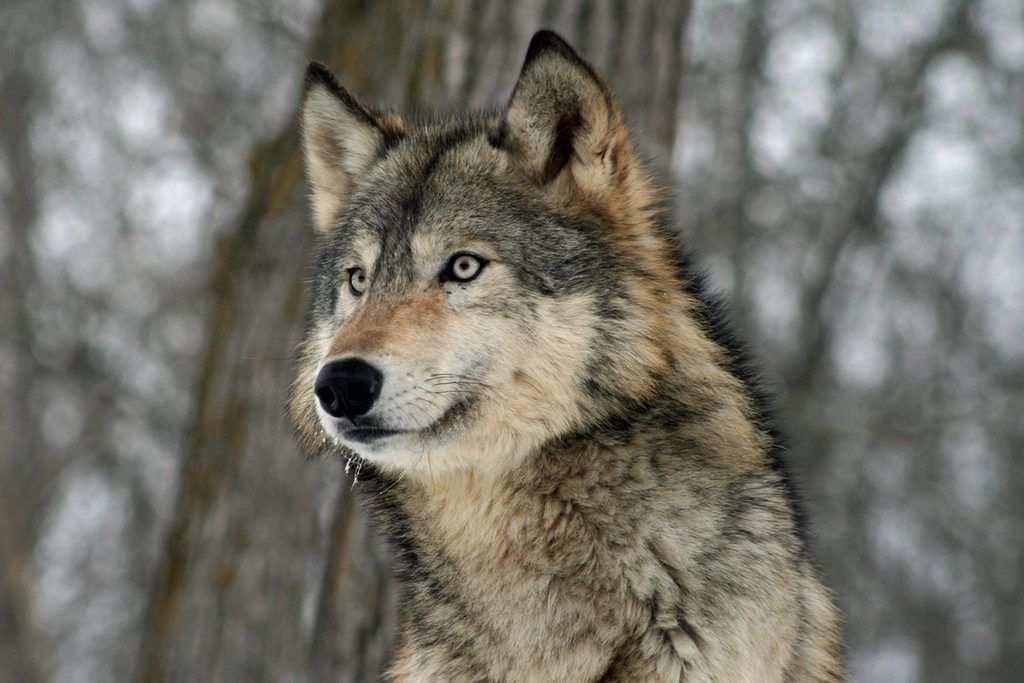
A lone wolf isn’t necessarily as negative as it’s been portrayed — and the term can actually be a bit misleading. In Denali National Park, researchers found that 28% percent of wolves leave their packs each year. Dispersing wolves also rarely remain alone for long; during nearly two decades of research, only one territorial wolf was observed living alone for more than a few months, while most others eventually joined or formed new packs.
However, the length of time a wolf remains alone can vary, largely depending on how many other dispersing wolves are in a travelled area. It may take several years for a new pair to successfully reproduce in the wild, but once they do, the pack can grow and the cycle begins again. So the concept of a “lone wolf” is less a personality trait and more a temporary state of being.