Which Animals Hibernate the Longest?

When temperatures drop and food becomes scarce, some animals do more than simply retreat from the cold and sleep. In true hibernation, their metabolism slows to a crawl, their body temperature plummets, and their heart and breathing rates dramatically drop, allowing them to survive for months without eating.
While many animals enter some form of seasonal dormancy, true hibernators undergo major physiological changes that allow them to survive while staying inactive for far longer than most animals. Here are five species with the longest documented periods of true hibernation.
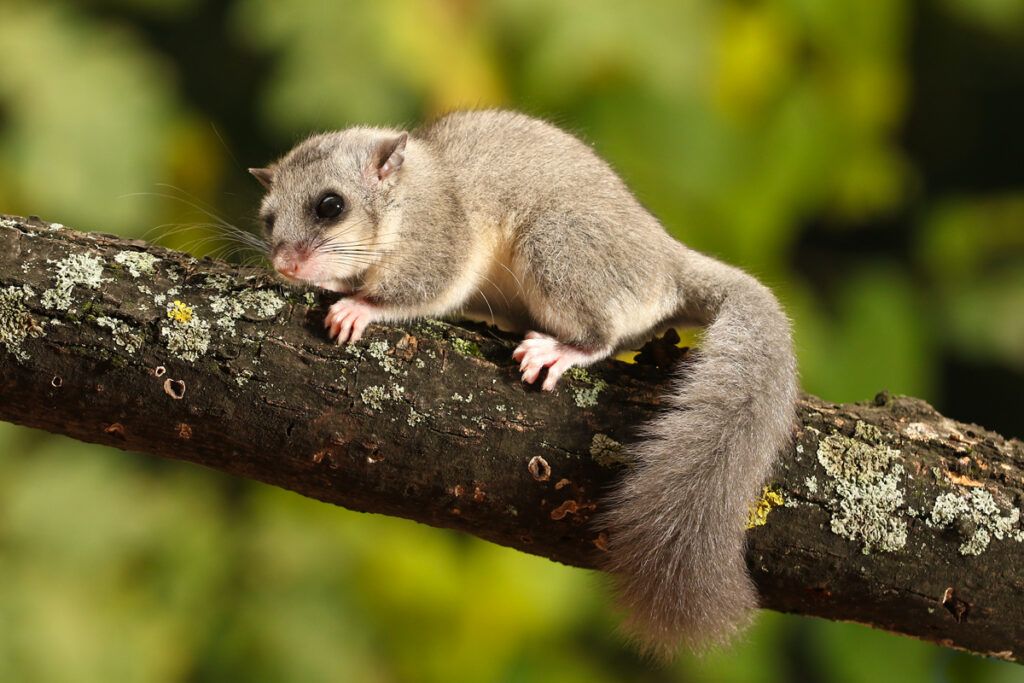
Edible Dormice
Found across most of Europe and parts of western Asia, these tiny animals can spend a little more than 11 months of the year in hibernation, making them one of the longest known hibernators. But their unusually long sleep isn’t just about surviving cold winters: Edible dormice depend heavily on tree seeds, which can vary dramatically in volume from year to year.
When food supplies are poor, they may delay reproduction and remain underground rather than waste energy during an unproductive season. When food becomes abundant again, they emerge ready to take advantage.
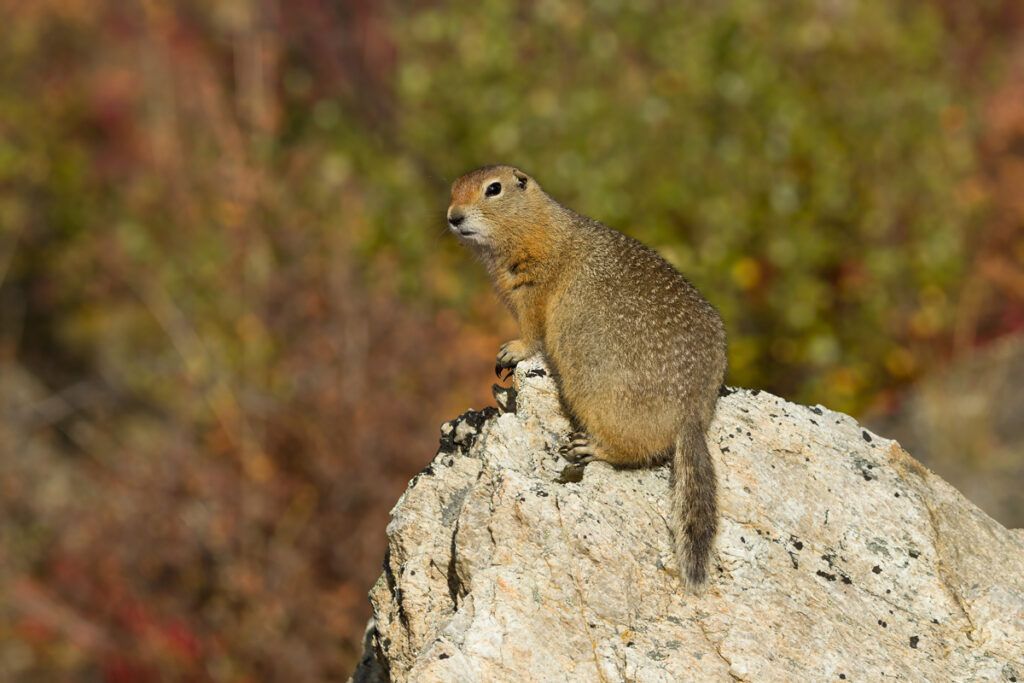
Arctic Ground Squirrels
Arctic ground squirrels take hibernation to an extreme. These small rodents, who stay in their underground dens for up to nine months, can lower their core body temperature below freezing. In a process known as supercooling, the critters can get as cold as 26 degrees Fahrenheit, the lowest recorded in any mammal.
To survive the frigidity, Arctic ground squirrels enter cycles of deep hibernation followed by periods of warming in which their body temperature briefly rises before returning to their cold, energy-saving state. This unique ability has made them a subject of keen scientific interest, inspiring studies that could lead to new medical treatments for heart attacks, strokes, and brain injuries.
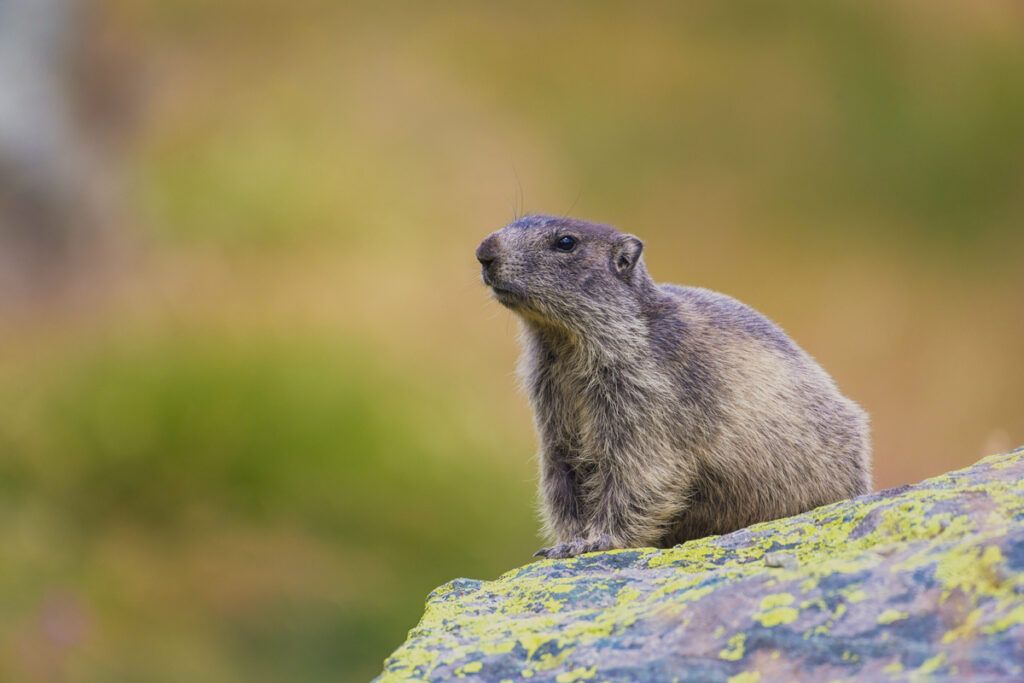
Marmots
These stocky mountain rodents spend much of the year preparing for a long winter’s nap, tucked away in burrows in ranges from the Alps to the Rocky Mountains. Many marmot species are very social and hibernate in family groups; several animals share a single burrow, huddled closely for warmth and even syncing their brief periods of waking to warm up. Young marmots are kept in the center of the group, where they’re warmed by the rest of their family members.
Before settling in for the season, marmots spend the warmer months eating and building up fat reserves, sometimes doubling their body weight before hibernation begins. Once underground, they can remain dormant for more than six months. During that time, even cellular processes such as gene expression slow down dramatically, which researchers believe may even slow their pace of biological aging.
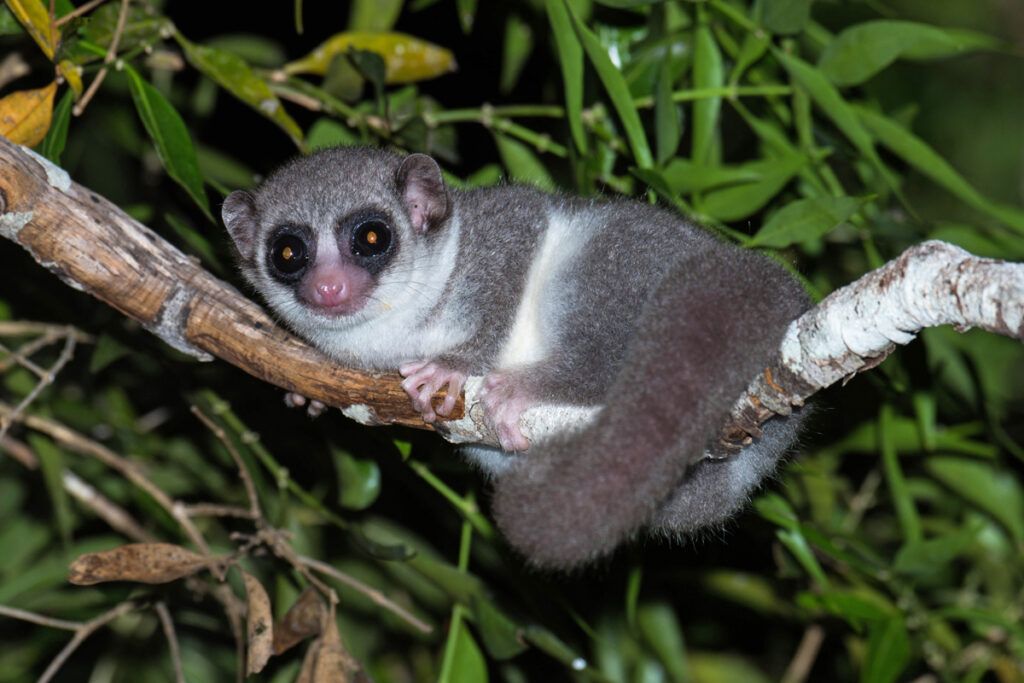
Fat-Tailed Dwarf Lemurs
Hibernation is often associated with rodents and bats, but one surprising member of the animal kingdom, the fat-tailed dwarf lemur, does it too. Found in Madagascar, this tiny primate spends the dry season in a state of dormancy, making it the only primate known to regularly hibernate.
Unlike many hibernators that shelter underground, fat-tailed dwarf lemurs retreat into tree holes, where they remain inactive for about six to eight months at a time to wait out Madagascar’s dry season. Before the dry season begins, they store large amounts of fat in their tails, a rare mammalian adaptation and the reason for their name.
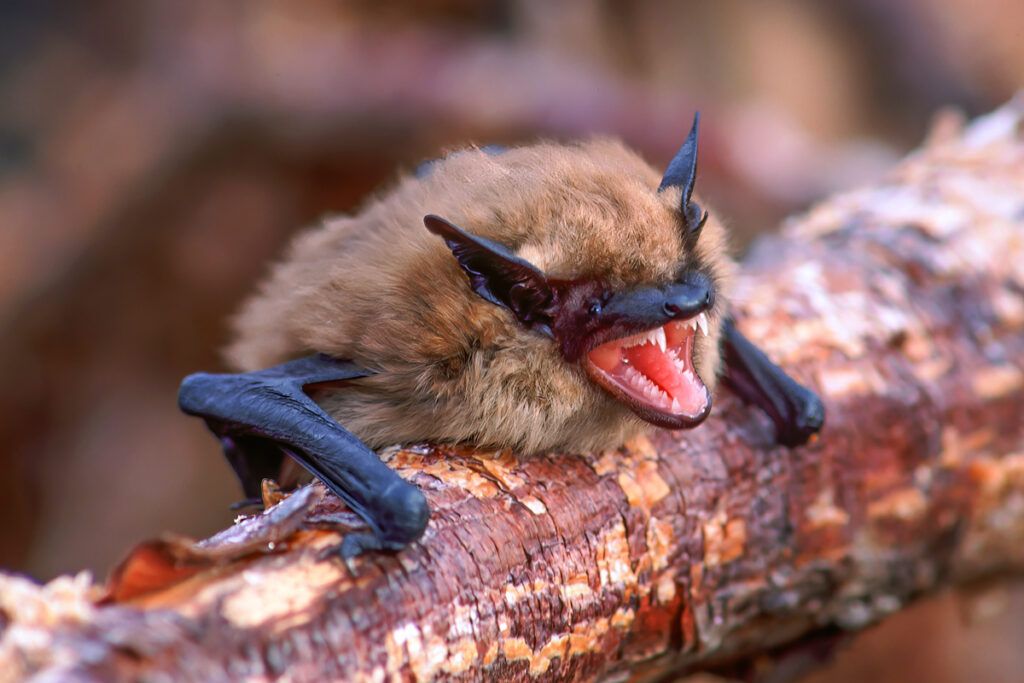
Little Brown Bats
When insects disappear during the colder months, the little brown bat retreats to caves, mines, or other protected rocky or wooden crevices and hibernates for up to six months. But their long winter sleep comes with a risk: These small, winged mammals are one of many species affected by white-nose syndrome, a fungal disease that thrives in the cold, humid environments where bats hibernate. The fungus grows on their skin and wing tissue, disrupting hibernation and causing bats to burn through the fat reserves they otherwise need to survive the winter.
In the absence of any outside factors, however, these bats are quite resilient. Hibernation brings a massive drop in their body temperature from around 100 degrees Fahrenheit to just a degree or two warmer than the temperature of the location in which they hibernate (typically around 34 to 40 degrees Fahrenheit). Their heart rate also dwindles to as few as eight beats per minute — a significant change from the typical 1,300 beats per minute during summer flight.