The Unseen Creatures All Around You

You may be sitting in a spotless, quiet room, feeling completely alone — but you aren’t. Invisible and nearly invisible life is sharing your space, your bed, your skin, and even your eyelashes right now.
That doesn’t mean your home or body are dirty. In fact, many of those organisms are so common that they’re a natural (and necessary) part of everyday life. Some feed on shed skin cells, some live harmlessly on your body, and others drift through the air or thrive in your houseplants’ soil. Here are some of the tiny neighbors you probably never notice.
Dust Mites
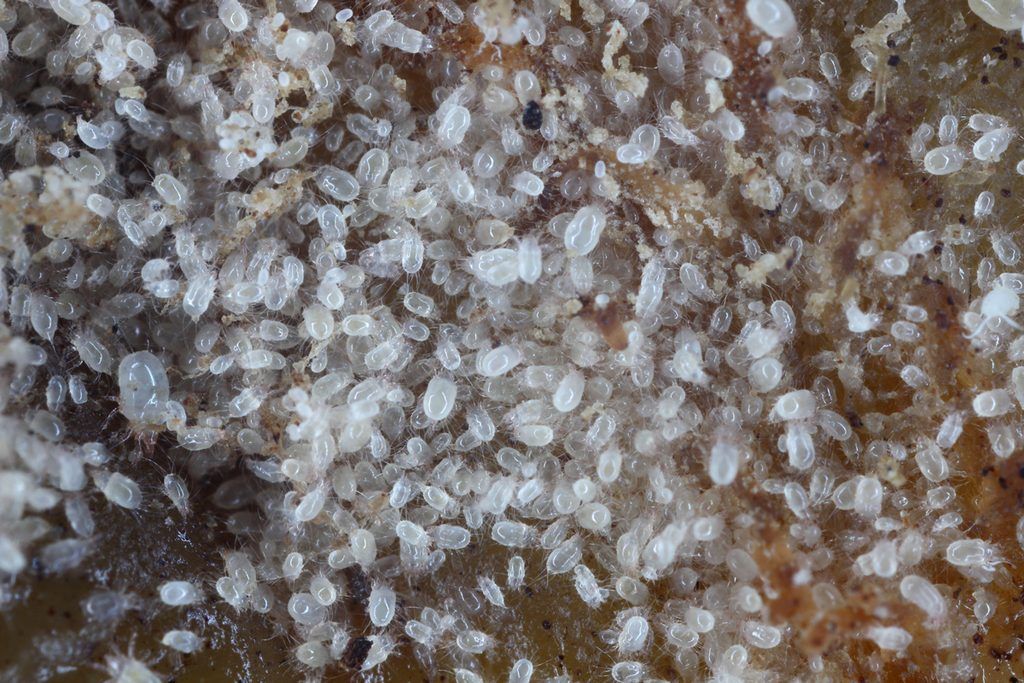
Dust mites are microscopic relatives of spiders and ticks, measuring only about 0.2 to 0.3 millimeters long. They thrive in warm, humid environments and are particularly fond of mattresses, pillows, upholstered furniture, carpets, and other places where shed human and animal skin accumulates. They don’t bite people, instead, they feed primarily on dead skin cells and other organic material that’s already been shed.
The mites themselves aren’t usually the problem, but their bodies and feces contain proteins that can trigger allergies and asthma symptoms in susceptible people. Regular washing, dust control, and keeping indoor humidity below 50% can help keep their numbers and allergens in check.
Eyelash Mites
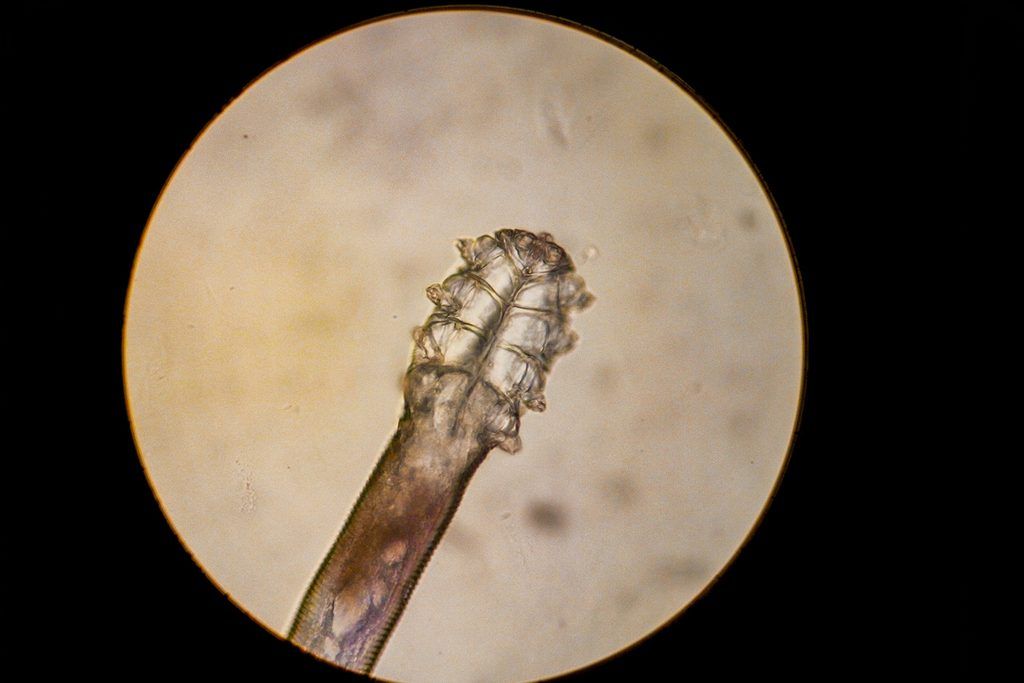
If the idea of microscopic mites living around your eyelashes makes you want to reach for the mirror, don’t panic. Demodex folliculorum and Demodex brevis are tiny mites that commonly live in human hair follicles and sebaceous glands. They’re only about 0.1 to 0.4 millimeters long, so you won’t see them without magnification. D. folliculorum is particularly associated with facial hair follicles, including those around the eyelashes.
Demodex mites are commonly found on adult skin, and the likelihood of having them increases with age. They can spread through close contact, but exposure doesn’t necessarily mean mites will establish a lasting population.
They’re generally harmless and considered normal inhabitants of human skin, so most people never know they’re there. Problems can occur, though, when their numbers become unusually high or when they’re associated with inflammation around the eyelids or other skin conditions.
Fungus Gnats
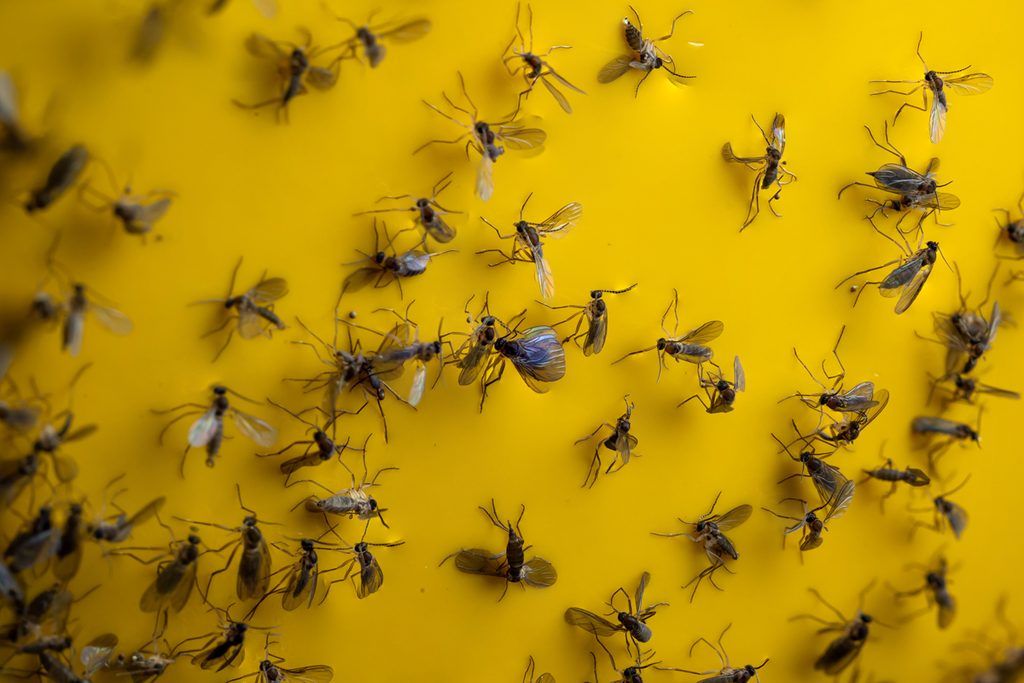
If you’ve spotted tiny flies hovering around your houseplants, they may be fungus gnats, whose adults are generally only 1 to 3 millimeters long. Their larvae live in damp potting soil, where they feed primarily on fungi and decaying organic matter. The adults are small enough to overlook until a group starts flying around a plant.
A few fungus gnats are usually more of a nuisance than a threat, although large populations can cause problems for young plants because the larvae may feed on roots. They’re especially common when potting soil stays consistently moist.
Springtails
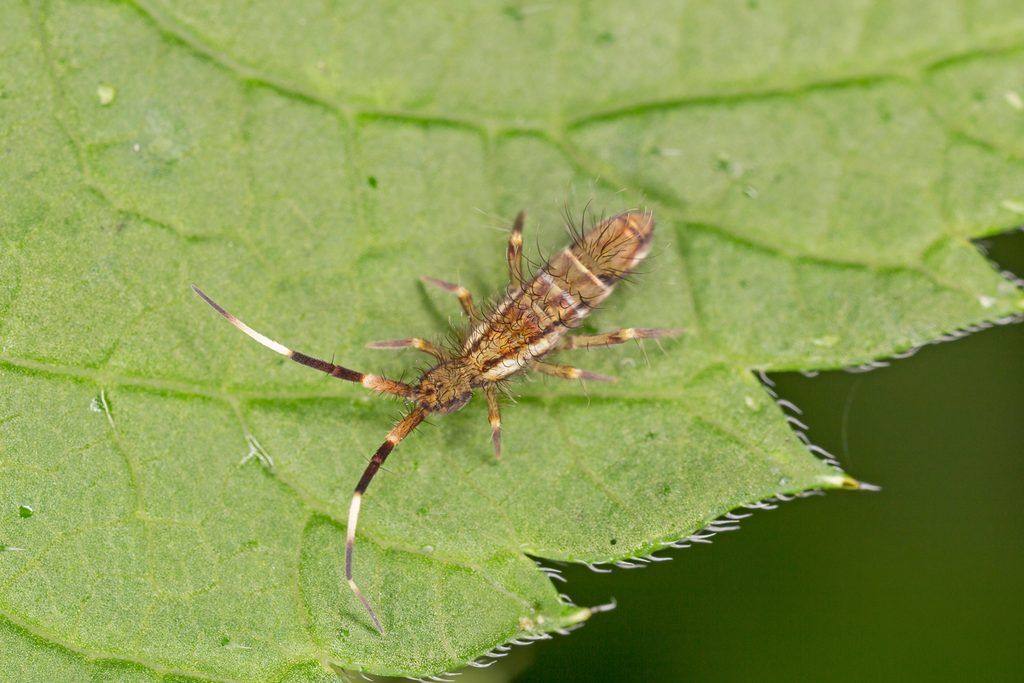
Springtails are tiny, wingless arthropods that are easy to overlook — until dozens suddenly appear around a damp bathroom, basement, or potted plant. Most are typically 1 to 2 millimeters long, and they feed on fungi, algae, decaying organic matter, and other material associated with damp environments.
Springtails aren’t true insects, and they don’t bite or sting people. They get their name from a forked taillike structure beneath the abdomen that allows them to launch themselves into the air. Finding them indoors usually points to excess moisture rather than a serious pest infestation.
Booklice
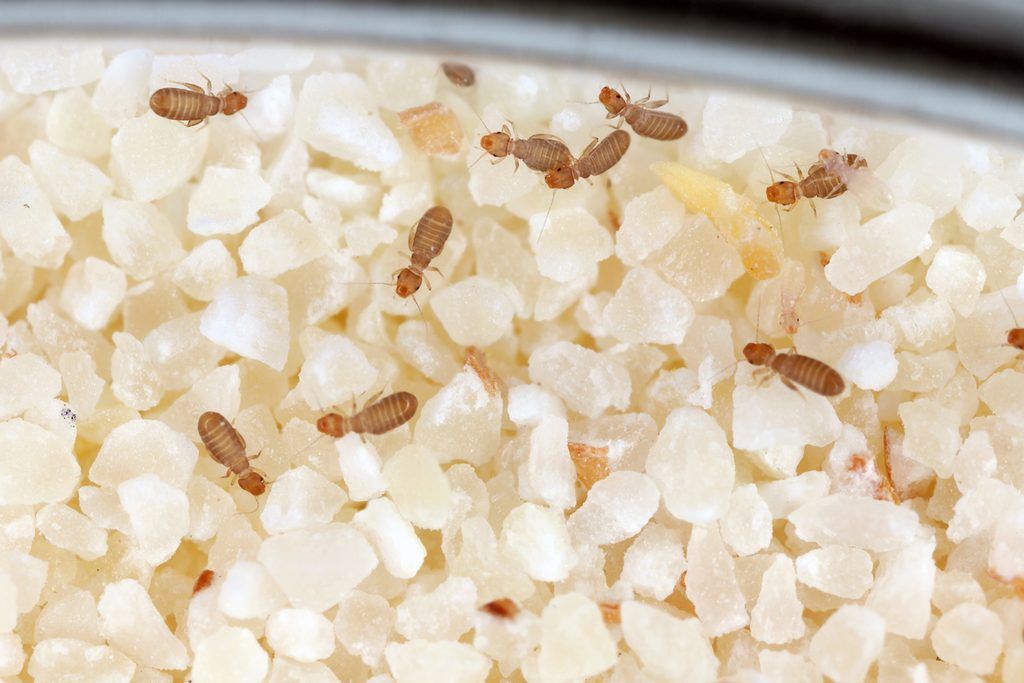
Booklice, also known as psocids, are tiny insects, usually only about 1 to 2 millimeters long. Despite their name, they don’t typically eat through books or other paper products. Instead, they’re attracted to microscopic mold and fungi, so a home’s humid areas are particularly appealing to them. They also feed on starchy material, such as the glue found in bookbindings and wallpaper.
They’re small enough to overlook, but they can still be seen with the naked eye. Booklice don’t bite, sting, or spread disease, and having a few around isn’t cause for alarm. Their presence can, however, indicate that an area is too damp: Lowering humidity makes the environment less hospitable to both the insects and the mold they feed on.
Microbes
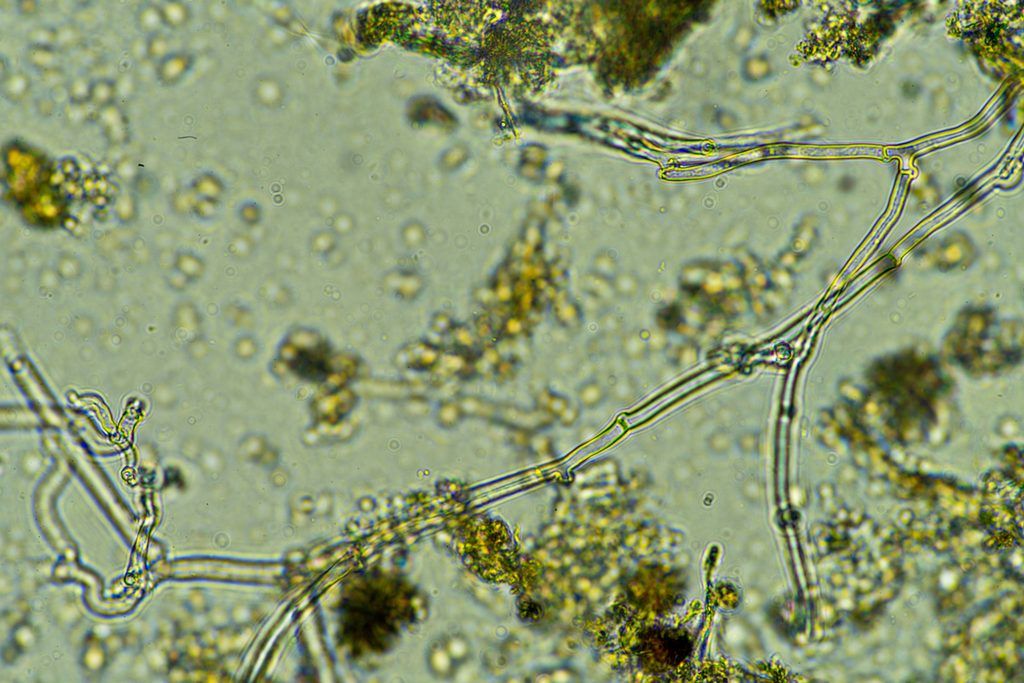
“Microbes” is a term for microscopic organisms including bacteria, microscopic fungi, archaea, and some other forms of life. They’re everywhere around us, including in our homes and on our bodies. Trillions of bacteria live on our skin, in our mouth, and throughout our digestive tracts, while bacteria and fungi are also found in household dust, indoor air, soil, and on frequently touched surfaces such as countertops and faucet handles.
Most of the microbes we encounter are harmless, and some even play useful roles in our bodies or in the environment. Microbes continually enter our homes from outdoors, carried in on shoes and clothing, pets, and through the air. Some settle into dust and surfaces, while others thrive in damp areas or where they can feed on organic material.
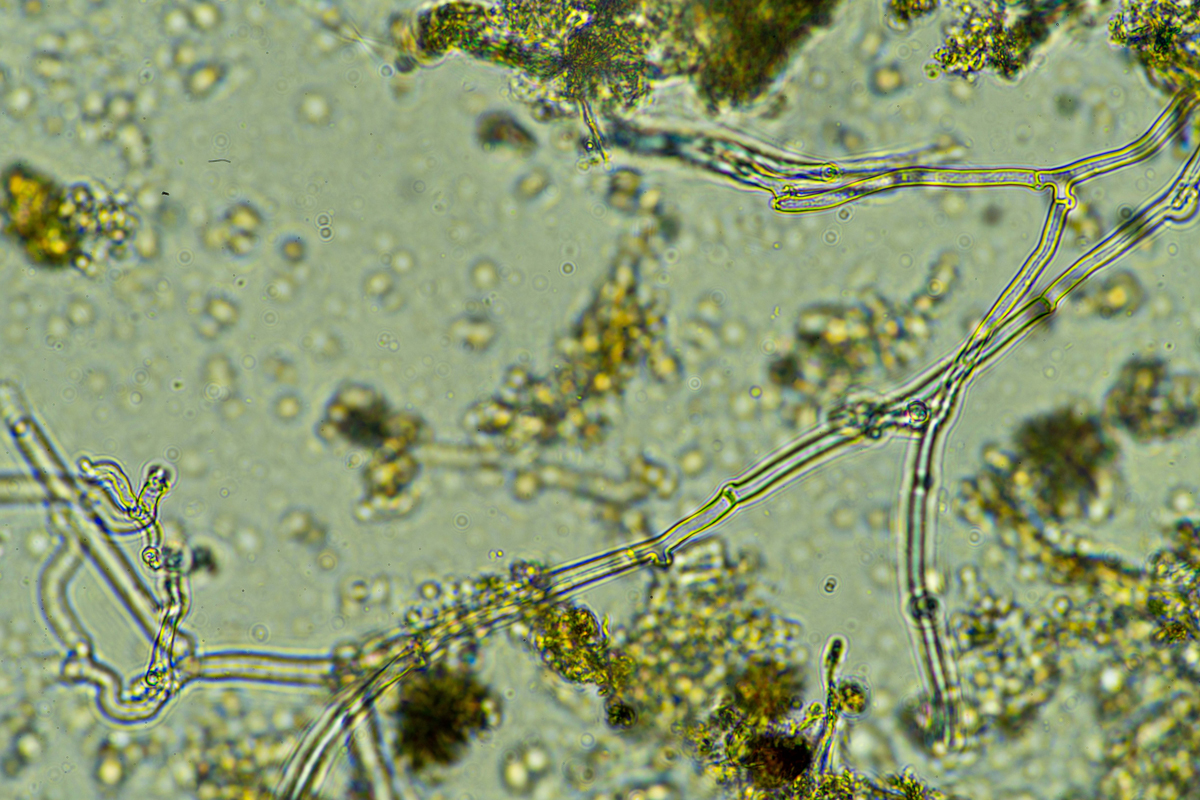
Microscopic fungi, including molds and yeasts, are normal inhabitants of indoor environments. Our homes and bodies aren’t sterile, and they don’t need to be. Microbes are simply another member of the largely invisible life that surrounds us every day.