The 5 Smartest Animals Under the Sea

When we think of intelligent animals, we tend to picture species with abilities resembling our own, such as chimpanzees using tools or parrots mimicking our speech. But beneath the ocean’s surface, certain animals have evolved shockingly smart ways of navigating their own environments, even if they look very different from human techniques.
Some demonstrate complex thinking, some remember past experiences, and others pass on knowledge within their social groups. Here are five of the smartest animals in the oceans and what makes them so clever.
Octopuses
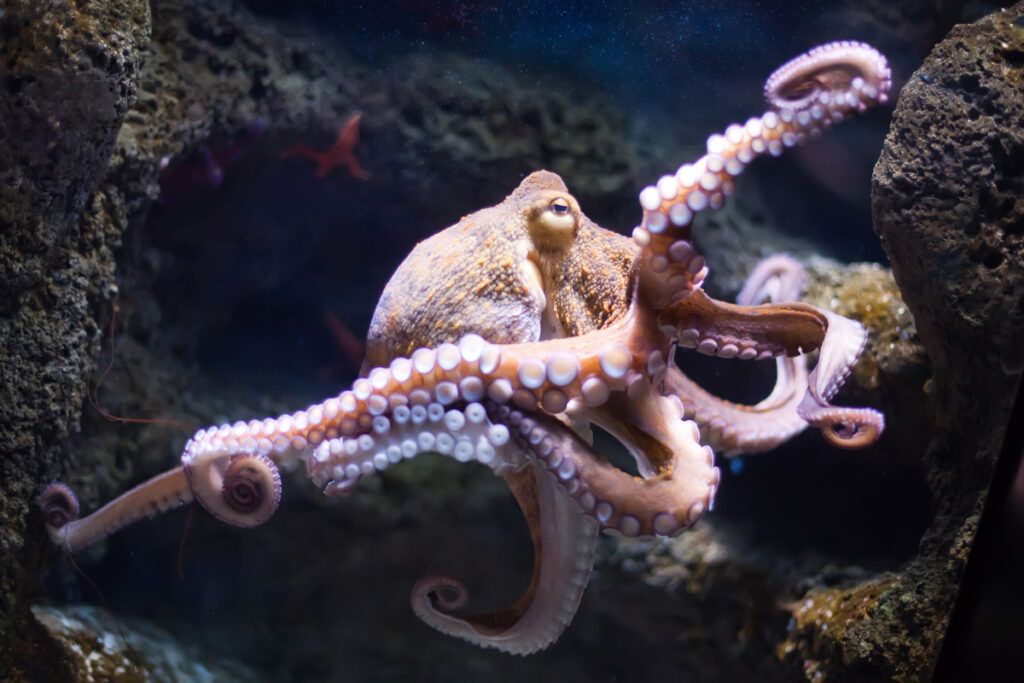
Octopuses are widely considered the smartest invertebrates on Earth, thanks in part to a nervous system unlike that of any other animal. They have about 500 million neurons, which is about as many as dogs have. But unlike our canine friends, most of those neurons are not in the octopuses’ heads — roughly two-thirds are located throughout their eight arms.
Each arm can independently explore, manipulate objects, and even solve simple tasks while remaining coordinated with the rest of the body. This distributed intelligence gives octopuses a remarkable ability to solve problems, allowing them to navigate mazes, open jars, carry coconut shells for portable shelter, and escape enclosures that may stump many other animals. Researchers believe that octopuses can also learn through observation and remember solutions to previous problems, behaviors that are rare among invertebrates.
Bottlenose Dolphins
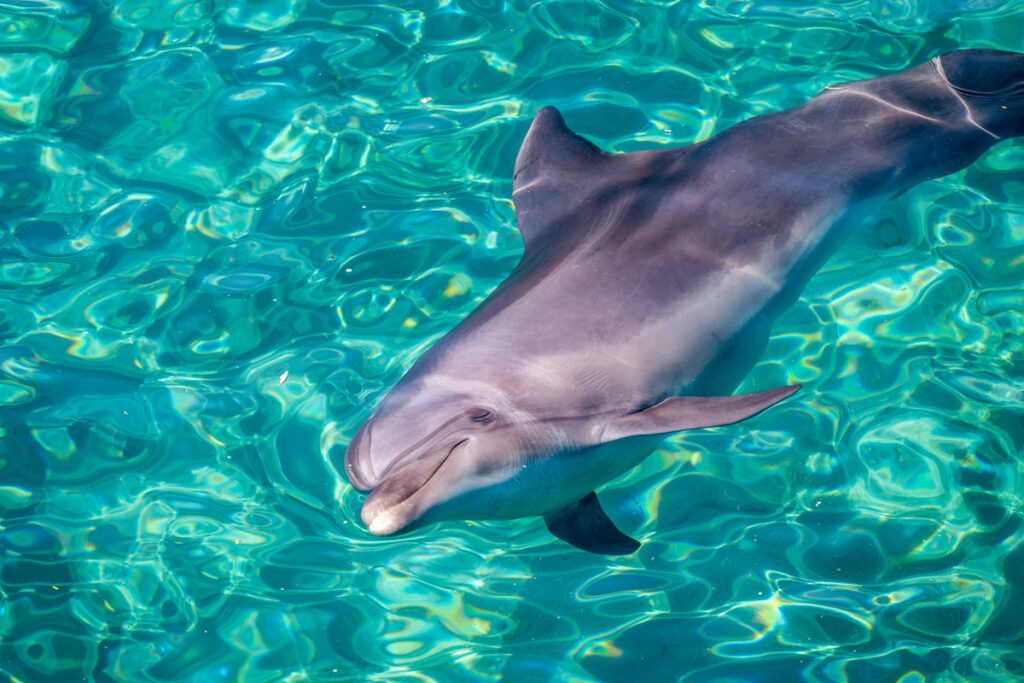
Dolphins have some of the most complex brains in the ocean, with a brain-to-body ratio that ranks among the highest of any animal (second only to humans). Their brains are also highly folded, increasing the surface area available for processing information, and contain specialized regions for handling the intricate sounds they use to communicate and navigate through echolocation.
Dolphin intelligence is perhaps most apparent in their social lives. Bottlenose dolphins develop unique signature whistles that function much like names, allowing individuals to identify one another. They maintain long-term relationships, pass hunting techniques between friends and generations, and can remember the whistles of former companions for decades, showing an astonishing capacity for learning, communication, and social memory.
Cuttlefish
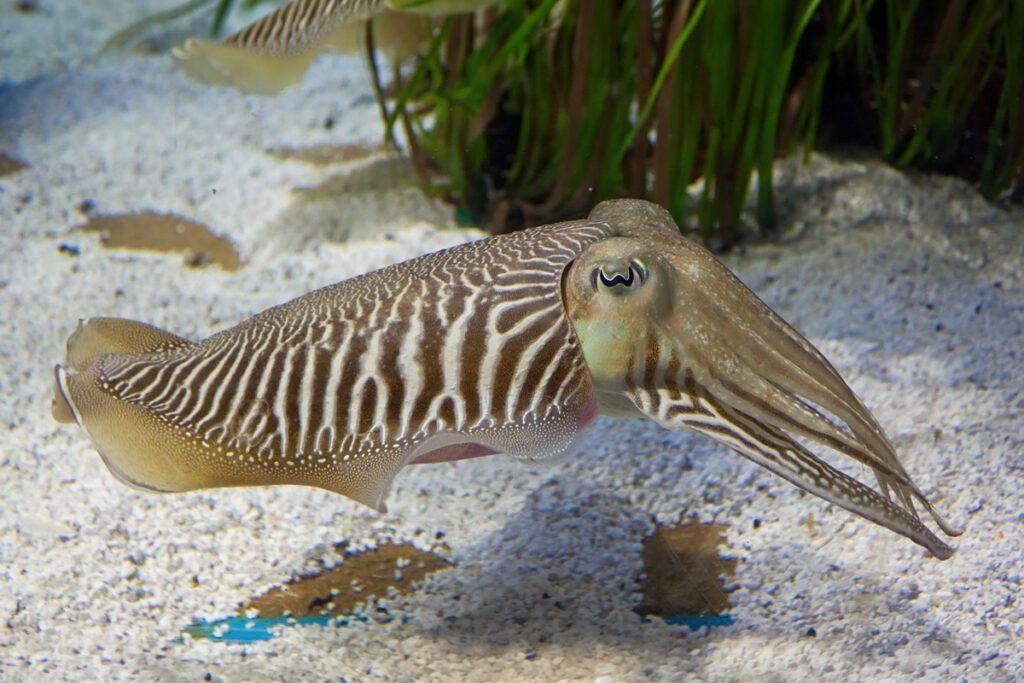
Like octopuses, cuttlefish belong to the cephalopod family, a group of marine animals known for their unusually complex brains. Cuttlefish are especially reliant on vision; their optic lobes — regions of the brain responsible for processing visual information — make up roughly 67% of their central brain. This sophisticated eyesight allows them to navigate their surroundings, track prey, and perform one of the animal kingdom’s most impressive feats of camouflage.
Their skin contains millions of specialized cells, including chromatophores that produce colorful pigments and reflective cells called iridophores and leucophores that manipulate light. With these, cuttlefish can rapidly change color, texture, and patterns to blend into their environment, communicate with others, or deceive unsuspecting prey. Their intelligence is also clear in their decision-making: Studies have found that cuttlefish are able to delay gratification for a better reward later (something even humans struggle with).
Orcas
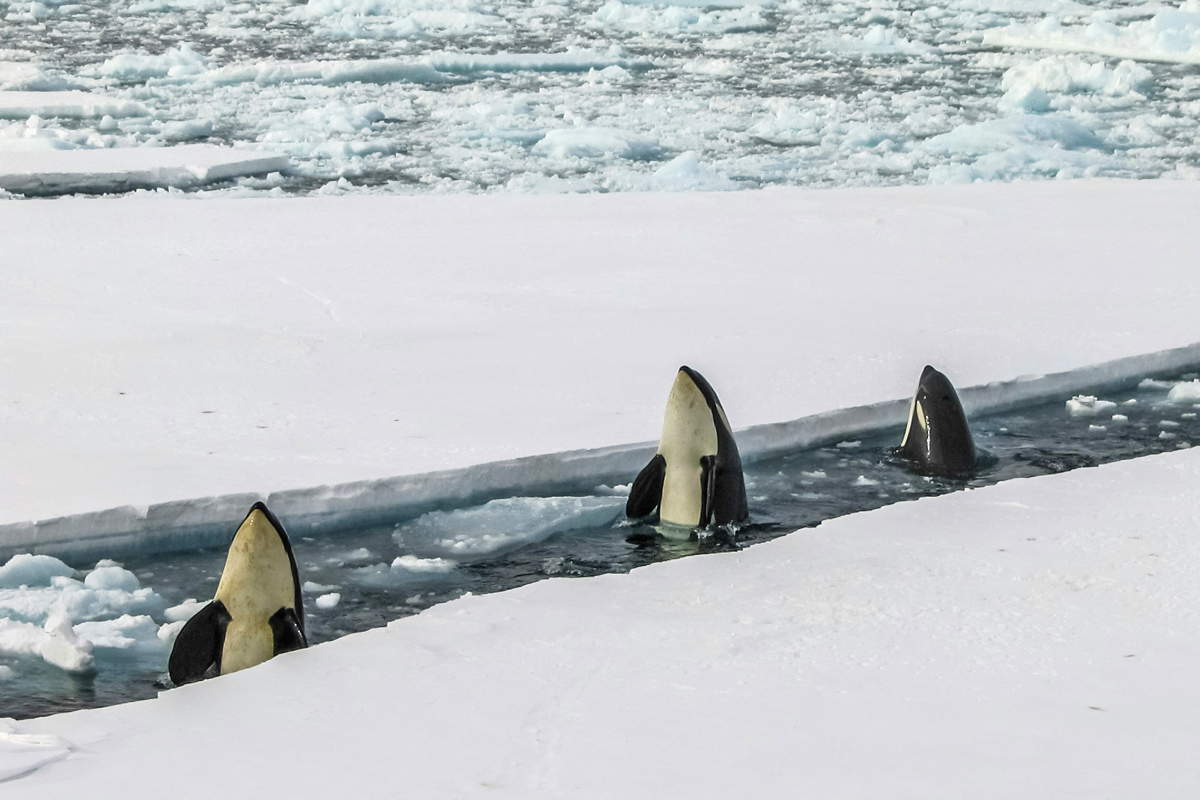
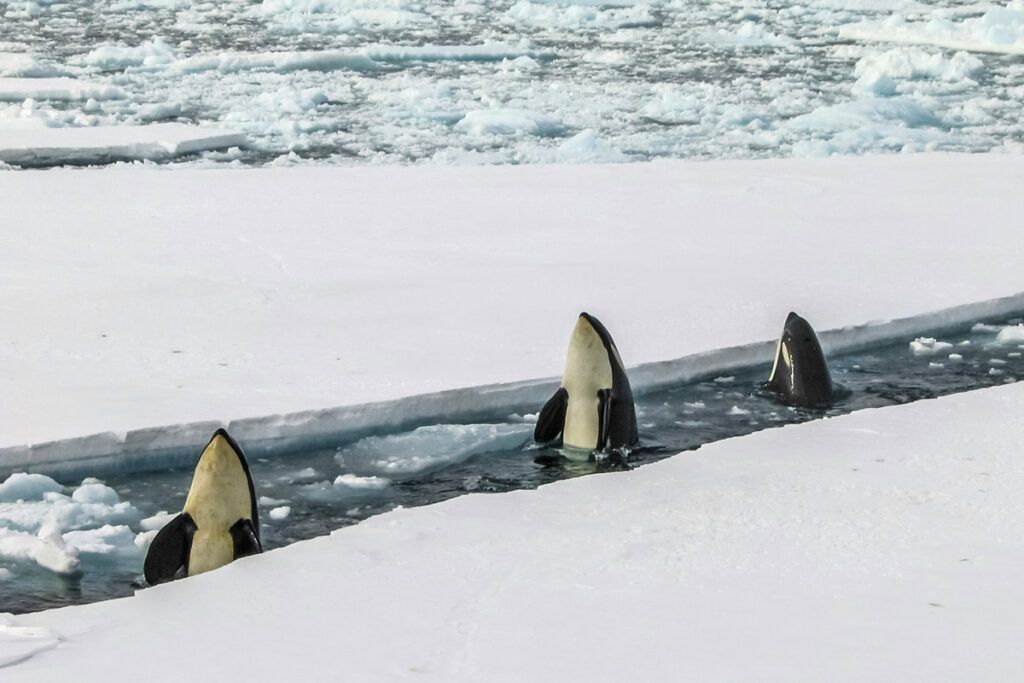
Orcas have one of the largest brains of any ocean mammal, weighing up to a whopping 15 pounds, but their intelligence is best demonstrated by their complex culture. Different orca populations develop their own vocal dialects, hunting strategies, and social traditions that they then pass down from generation to generation. These aren’t simply instincts — they’re skills specifically taught by older members of the pod.
Some Antarctic orcas, for example, have mastered the hunting technique of making waves to wash seals off of floating ice while younger whales watch and learn. Orcas’ sophisticated communication and echolocation abilities also allow them to coordinate hunts while crafting a detailed understanding of their complex underwater world.
Manta Rays
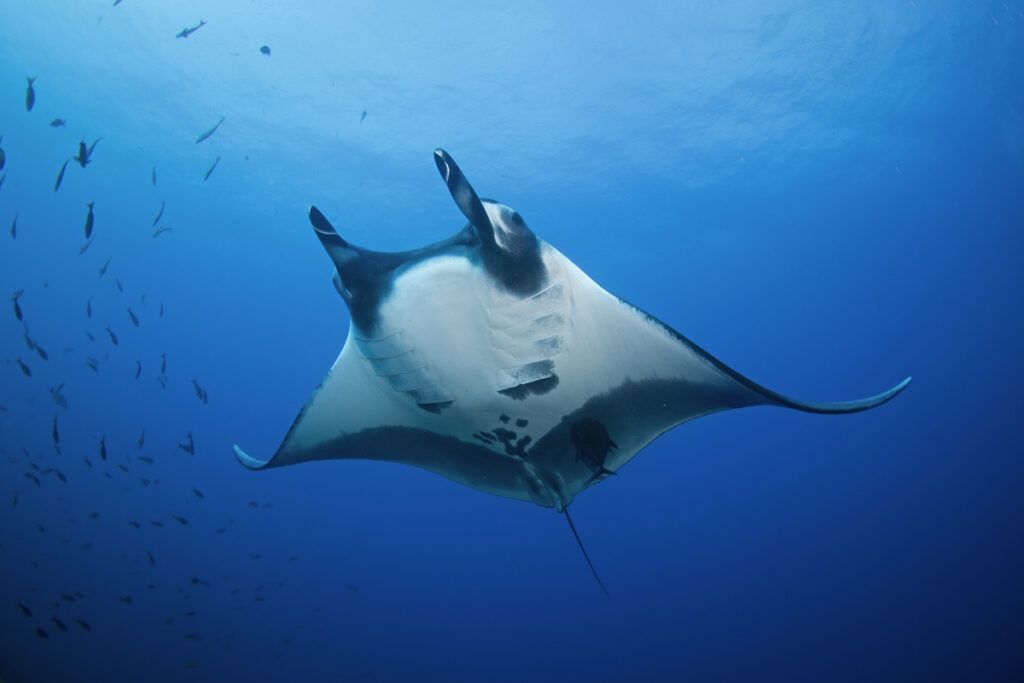
Manta rays may not have the fearsome reputation of many ocean predators, but they do have the largest brain-to-size ratio among cold-blooded fish. Those unusually large brains contain well-developed regions involved in learning, memory, sensory processing, and movement control, helping coordinate their unique movements while processing all the environmental information they gather from their ocean homes.
Their intelligence may even extend to self-awareness. In experiments involving mirrors, giant manta rays displayed unusual behaviors such as repeatedly inspecting their reflections and moving parts of their bodies they wouldn’t normally be able to see without a mirror. Although it’s difficult to conclusively determine if they possess true self-awareness, this certainly hints at a cognition level rarely seen in fish.