6 Animals That Live Almost Entirely Alone

For many animal species, cooperation is key to survival. Wolves, elephants, and dolphins live and travel together in social groups that provide protection, help secure food, and support the raising of their young. But not all animals rely on a group — some species have evolved to live mostly solitary lives, with individuals spending much of their time alone and interacting with others mainly for breeding or raising offspring.
Relying on no one but themselves, solitary animal species have adapted unique strategies that allow them to find food, avoid competition, and succeed independently in their environments. From powerful predators to intelligent ocean hunters, here are six animals that thrive on living alone.
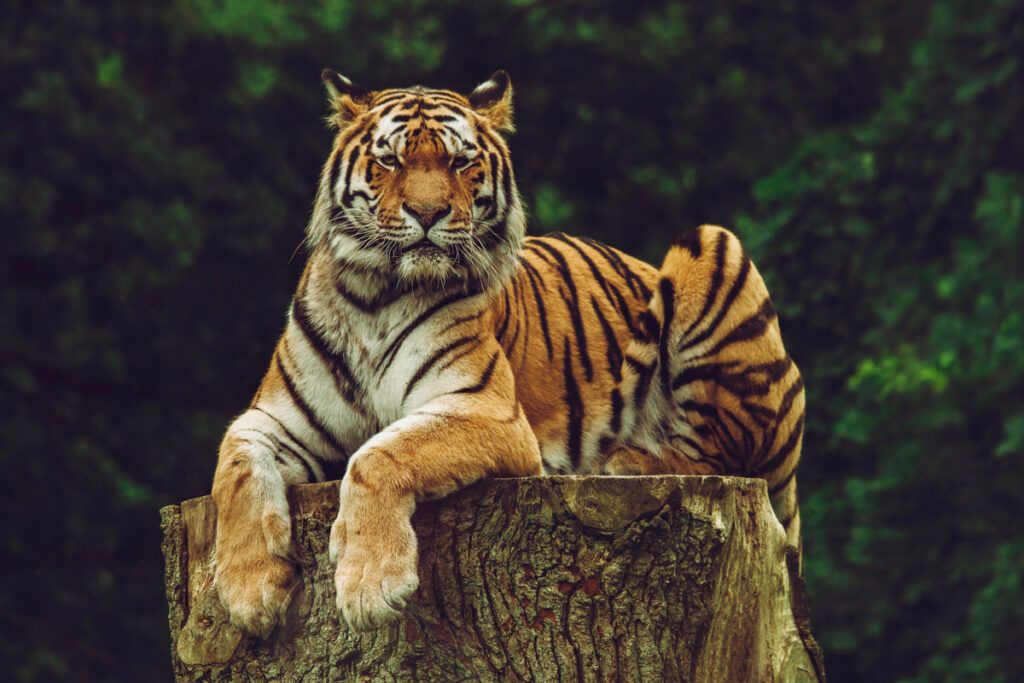
Tigers
Found across parts of Asia, including the forests, grasslands, and wetlands of India, Russia, and Indonesia, tigers are among the most famous solitary animals on Earth. Unlike lions, which live in prides, tigers usually spend their lives alone, with each adult maintaining its own territory and avoiding unnecessary encounters with others.
This lifestyle fits their hunting strategy: As ambush predators, they rely on patience, stealth, and strength rather than teamwork. A lone tiger can stalk prey through dense vegetation and protect its meal without competition from a group. The primary exception is a mother raising cubs, which remain with her until they’re old enough to survive independently.
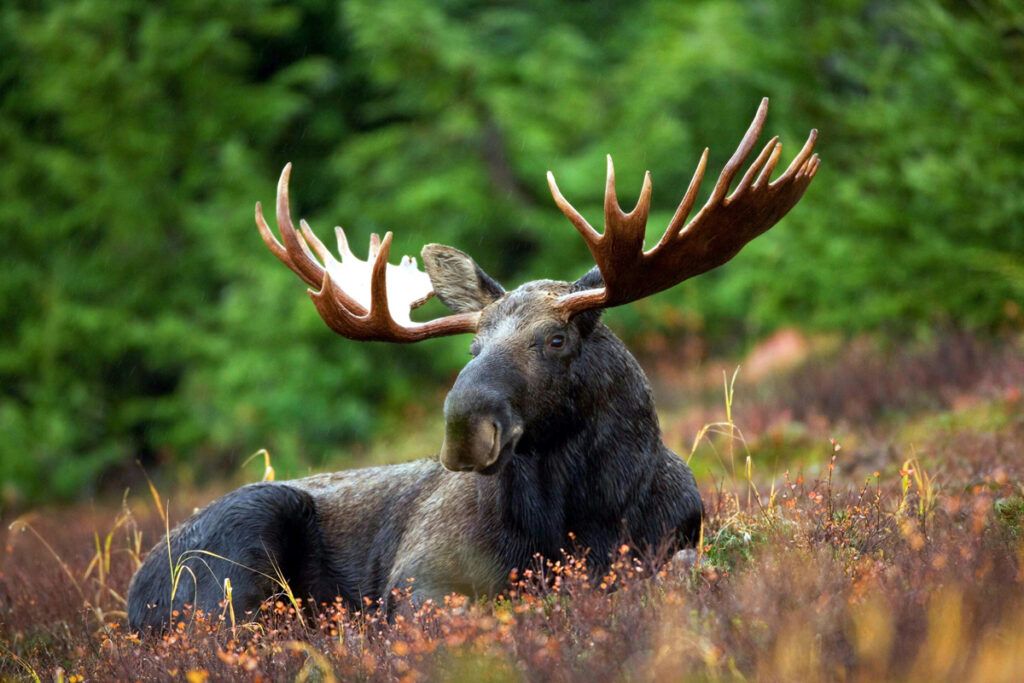
Moose
Unlike deer that often gather in herds, moose typically travel alone. Their enormous size means healthy adults have few natural predators, and spreading out helps reduce competition for limited vegetation. The main exception to their solitary lifestyle is during mating season and the months when cows raise their young.
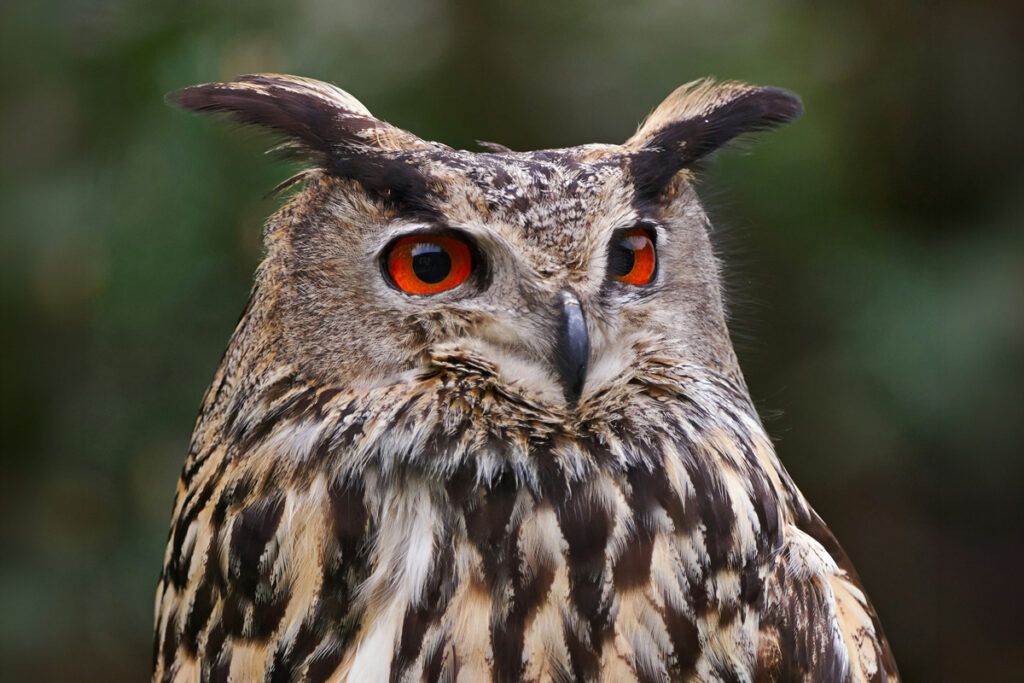
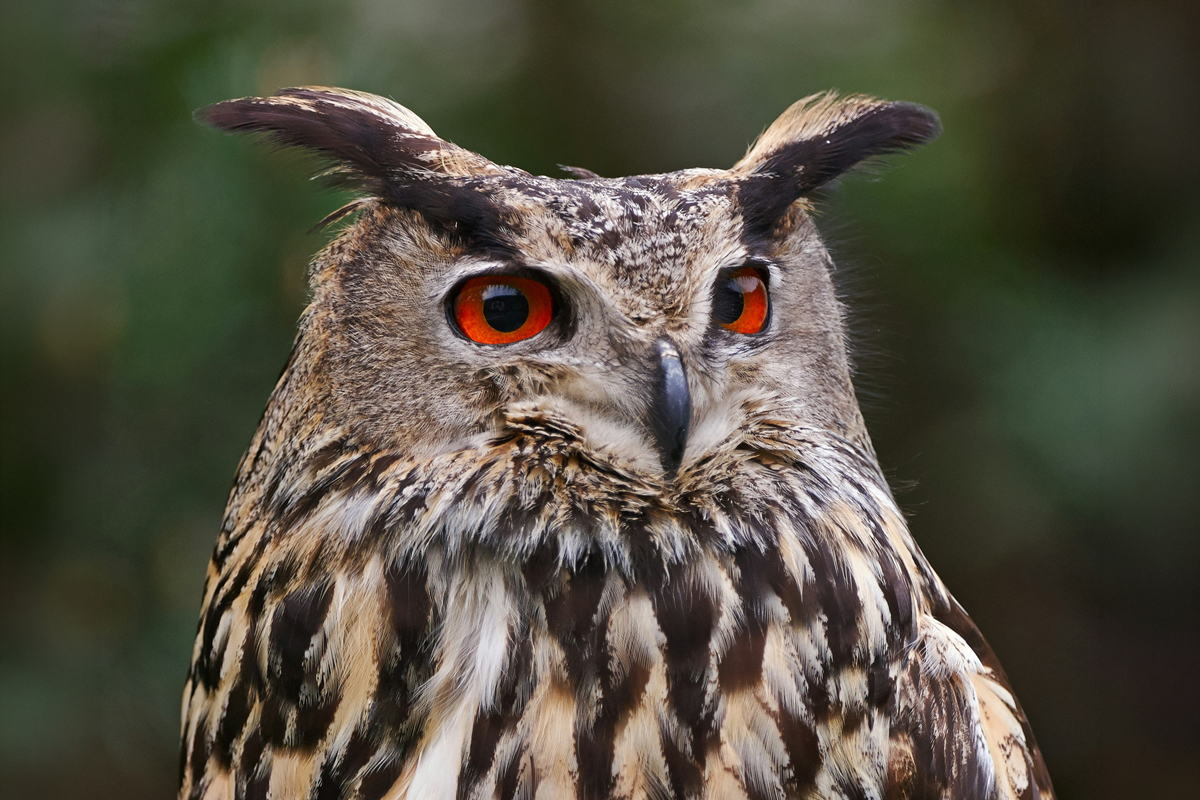
Great Horned Owls
Many bird species gather in flocks, but the great horned owl is a true loner. Found throughout North and South America, these powerful nocturnal hunters live in forests, deserts, wetlands, and even suburban areas, where they establish territories and hunt after dark.
Rather than relying on a group dynamic like Harris’s hawks, great horned owls hunt alone, using their exceptional vision, hearing, and strength to capture prey such as rodents, rabbits, and other birds. Their ability to thrive independently allows them to maintain their own hunting grounds. Mated pairs may raise young together, but outside of breeding season, these owls usually keep their distance from one another.
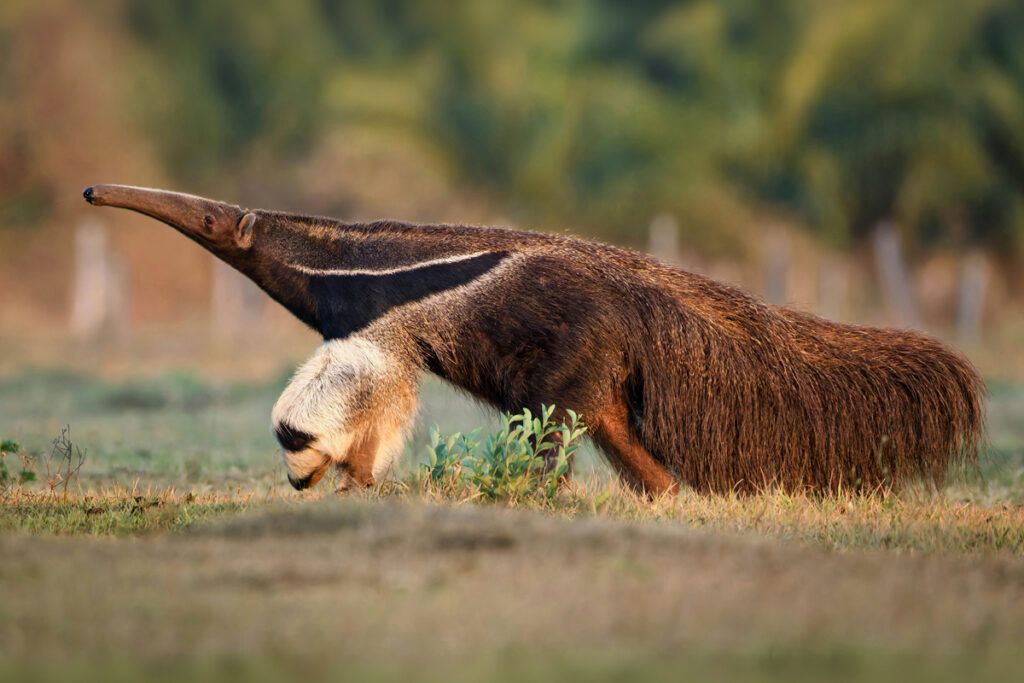
Giant Anteaters
Across the grasslands, forests, and wetlands of Central and South America, giant anteaters spend most of their lives alone. These unusual mammals roam countries such as Brazil, Venezuela, and Argentina, searching for ant and termite colonies using their powerful sense of smell and long, specialized snouts.
Their solitary lifestyle is closely tied to their feeding habits. A single giant anteater can spend hours moving through its territory, using its claws to break open nests and its 2-foot-long tongue to collect insects.
Because their food sources are spread out and provide limited nutrition, there’s little advantage to traveling in groups. Adults usually avoid one another except during mating, while mothers raise their young until they’re ready to become independent.
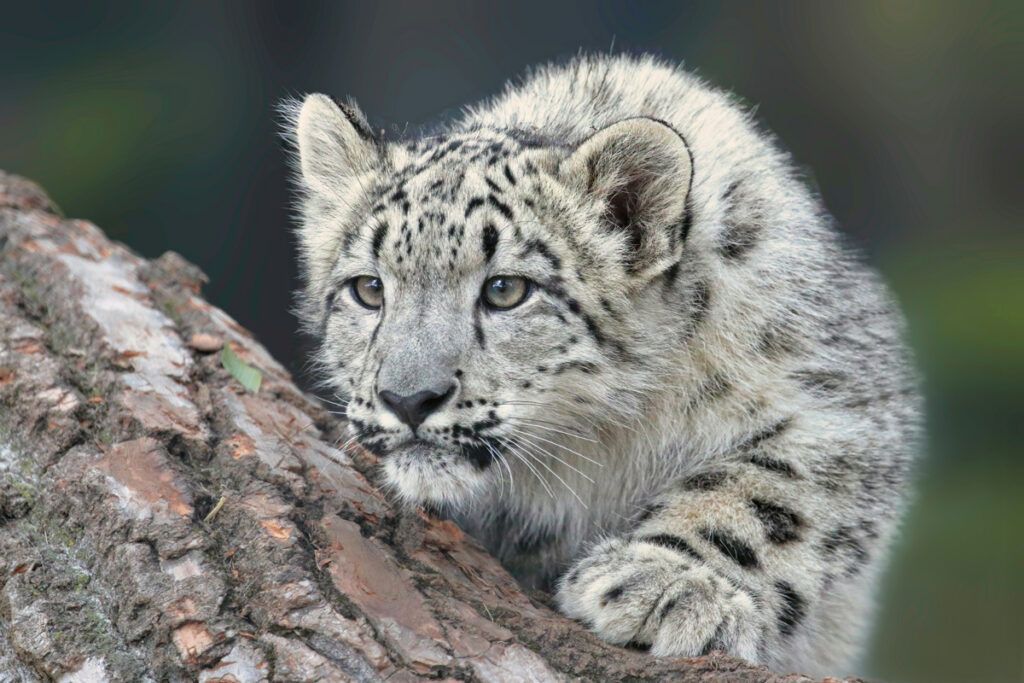
Snow Leopards
High in the mountains of Central and South Asia, snow leopards live one of the most isolated lives of any big cat. They inhabit the Himalayas, Tibetan Plateau, and mountain ranges of countries such as Nepal, India, Mongolia, and China, where they navigate steep cliffs and harsh climates.
Snow leopards survive by covering large territories alone and hunting mountain animals such as wild sheep and goats. Their solitary lifestyle helps reduce competition in an environment where food is already scarce. Other than mothers caring for cubs and brief encounters during mating season, these elusive cats prefer to remain alone.
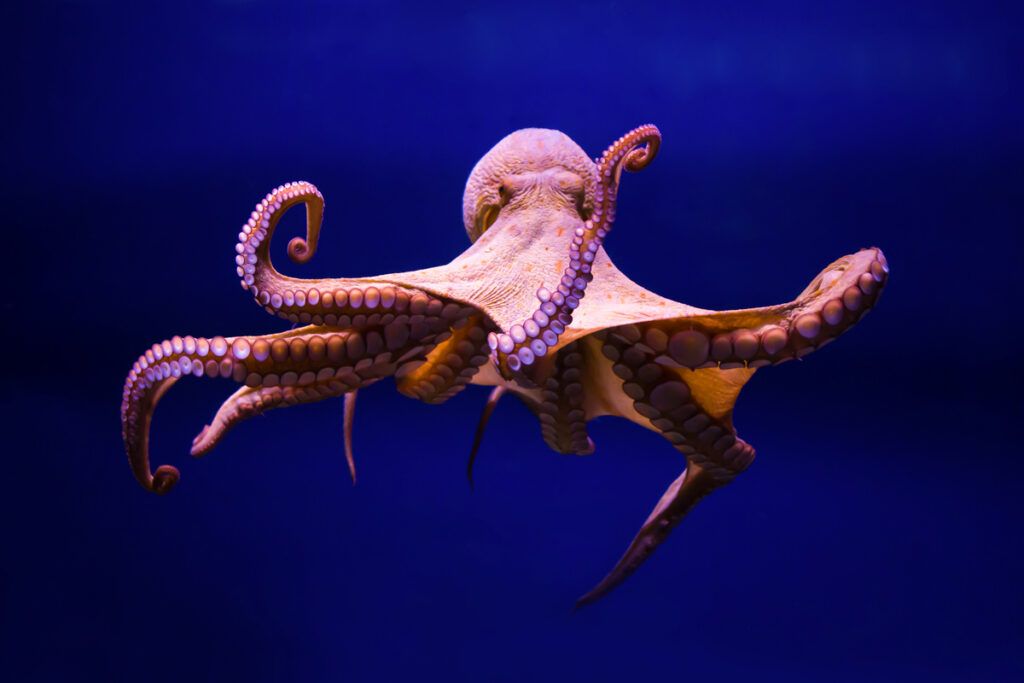
Octopuses
Found in oceans around the world, from coral reefs to the deep sea, most octopus species spend their time hiding in dens, exploring their surroundings, and hunting alone. Despite their reputation for intelligence and adaptability, octopuses are largely solitary creatures that rarely seek out the company of others.
Their intelligence makes them highly effective solo hunters. Octopuses use camouflage and problem-solving along with their flexible arms to capture prey such as crabs, shellfish, and fish, often relying on strategy and stealth rather than speed or strength. Since they compete for food and shelter, they typically avoid one another except during mating, spending much of their short lives alone.