The Complex Anatomy of a Dog’s Nose

Have you ever watched a video of a dog reuniting with someone after a long time apart? Sometimes the recognition is instant. Other times, the dog seems almost… confused. Then the person gets close enough for a sniff and suddenly the tail starts wagging, the zoomies begin, and the happy tears flow. That’s because while dogs certainly use their eyes, it’s their noses that tell them who or what is standing in front of them.
This outstanding sense of smell originates from a complex anatomical structure: the nose. And while human noses have their own impressive feats, the canine nose has some features that make it stand out.
The Secret to a Stellar Sniffer
Both the interior and exterior of a dog’s nose work together to allow canines to smell, and therefore understand, the world around them. Like humans, dogs have two nares, or nostrils, which allow air to flow in and out. Unlike humans, however, their nostrils are flanked by lateral nasal slits, which actually allow dogs to exhale as they inhale. That means air can go in and out at the exact same time. This allows them to sniff without having to pause for breath-breaks.
Once air has entered the inside of a dog’s nasal cavity, it has a few options. It can either go back out through the slits, move to the lungs and assist with breathing, or it can begin its journey through the olfactory system. Air that’s used strictly for scent detection is sent straight to the back of the nasal cavity along the roof of the mouth where it meets the Vomeronasal organ, otherwise known as the Jacobson’s organ. This organ is what sets a dog’s sense of smell apart from almost every other creature’s, minus the Grizzly bear and the African elephant, which are two of the few animals with stronger sniffers than canines.
Building a World From the Nose Up
The Jacobson’s organ detects semiochemical signals, like pheromones. These chemical substances are packed with information that help a dog understand what’s happening in real time. Semiochemicals in pee, for example, can tell a dog if the pee-taker before him is healthy or unwell, pregnant or in heat, or if she was just letting him know that this is her turf and he should steer clear. These chemicals also help dogs determine whether water is safe to drink, or if food has gone rancid, and even allow dogs to detect medical issues in humans, from low blood sugar, to oncoming seizures, to cancer. As if that weren’t impressive enough, these chemical cues help dogs map their lives by assigning meaning to certain people, places, and things.
All the input from the Jacobson’s organ then makes its way to the accessory olfactory bulb in the back of the brain, where it’s essentially translated into information that the dog can use to make a decision. Some research suggests that this information also gets sent to the limbic system, which is where memory is stored. This could be why dogs remember certain people and animals, and may help them build a “map” of the world around them.
Why Are Dog Noses Wet?
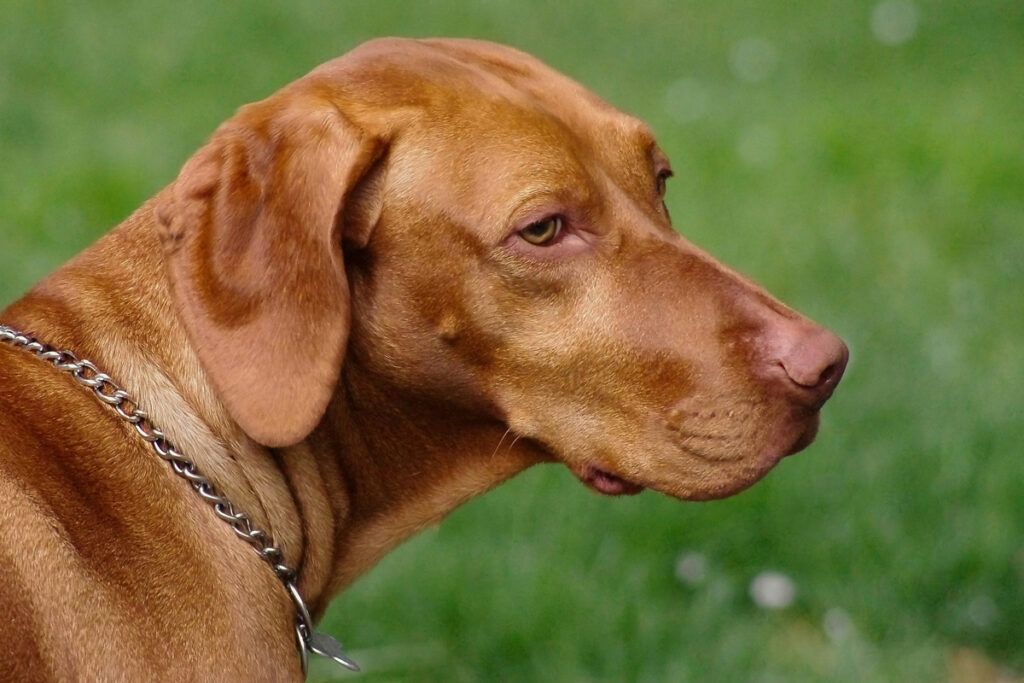
There’s another part of a dog’s nose that plays a critical role in its function and appearance: that straight line that runs right down the middle of their two nostrils. That line has a purpose that extends beyond cosmetic, and actually helps pick up scent particles to send to the Jacobson’s organ for analysis. Called the philtrum, this little line not only aesthetically separates the nostrils, but it also divides the left and right airways. This break in cartilage allows each nostril to move independently albeit ever so slightly, which is all that’s needed. Each of a canine’s nostrils serves a certain purpose. Dogs start sniffing with their right nostril, taking in new scents to determine if they pose a danger. Familiar scents are passed through to the left nostril while unfamiliar or threatening scents stay in the right nostril to inform how the dog will react. The philtrum can actually point the right nostril farther to the right, and likewise with the left, allowing a dog to get a better whiff of whatever’s going on around them.
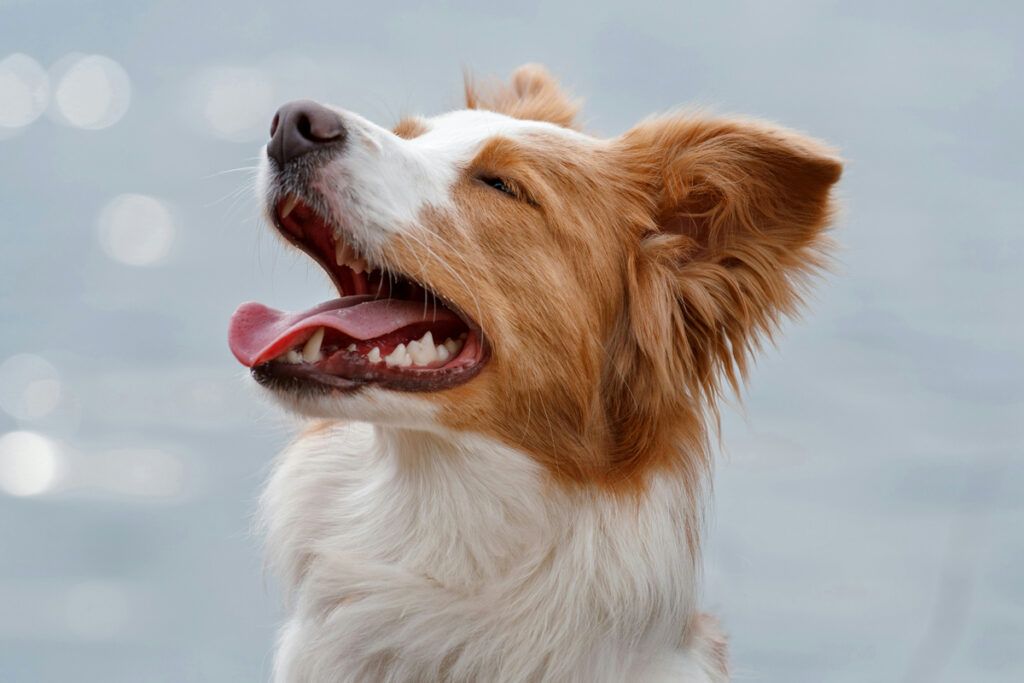
Keeping the surface of the nose wet, or at least moist, can actually pick up more scent particles. The philtrum offers even more wetness to this surface because it works as a tiny crevasse, pooling up just the slightest amount of saliva every time a dog licks its own nose. So the next time you see your dog’s tongue touch its sniffer, just know that it’s all in an effort to stay updated on the latest scoop.